
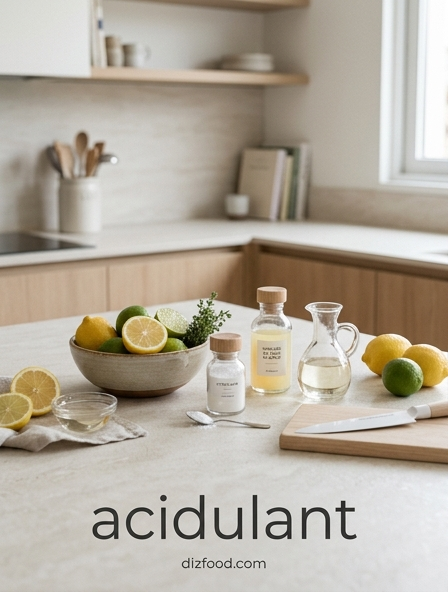
Understanding Baking Acidulants
Acidulants are essential components in culinary chemistry, serving as the necessary partners for alkaline leavening agents like baking soda. In the kitchen, these substances introduce hydrogen ions that trigger the release of carbon dioxide gas when combined with a base and moisture. This reaction is fundamental to the structure and volume of baked goods, preventing them from becoming dense or flat. Beyond leavening, acidulants modify the pH level of batters and doughs, which influences protein denaturation and starch gelatinization. Selecting the right acid involves considering its neutralizing value, which determines how much is needed to balance a specific amount of baking soda. Common examples include cream of tartar, citrus juices, vinegar, and cultured dairy like buttermilk. Each acidulant possesses a unique strength and reaction time, impacting the final product's quality. Mastery over these ingredients allows bakers to control the rise and texture of everything from delicate sponges to hearty quick breads. By adjusting the acidity, one can manipulate the chemical environment to achieve specific culinary goals, ensuring consistency and excellence in the finished bake.
Chemical Role of Cream of Tartar
Cream of tartar, scientifically known as potassium bitartrate, is a dry, crystalline acid produced as a byproduct of the winemaking process. Unlike liquid acids, it offers a distinct advantage in terms of stability and shelf life. Its primary role in baking is to provide the acidic environment required for baking soda to produce carbon dioxide. Because it is a powder, it does not alter the hydration levels of a recipe, making it an ideal choice for delicate formulations like snickerdoodles or angel food cakes. When dissolved in the moisture of a batter, it begins a controlled reaction that continues during the initial stages of baking. Its specific chemical properties make it highly reliable for consistent results.
- Prevents sugar crystallization in syrups and homemade candies.
- Provides a fine, uniform crumb structure in light cakes.
- Offers a subtle, slightly metallic but clean flavor profile.
- Acts as a vital stabilizer for heat-sensitive egg proteins.
- Increases the heat tolerance of whipped protein foams.
This acidulant is unique because its relative weakness allows for a gradual release of gas, which is perfect for items that need to set slowly in the oven.
Lemon Juice as a Natural Leavener
Lemon juice serves as a potent natural acidulant, primarily composed of citric acid. As a liquid, it introduces immediate acidity into a mixture, often causing a rapid reaction with baking soda as soon as the two are combined. This makes it particularly effective for recipes that require an instant lift before entering the oven. However, its liquid state means it contributes to the overall hydration of the batter, necessitating adjustments to other fluids like milk or water to maintain the correct consistency. The bright, sharp acidity of lemon juice not only facilitates leavening but also acts as a flavor enhancer, cutting through the richness of fats and sugars. In fruit-based fillings, the acidity prevents enzymatic browning and maintains the vibrant colors of the produce. Bakers often prefer lemon juice when a clean, citrusy undertone is desired, though its potency can vary depending on the ripeness of the fruit. This variability requires a keen eye for consistency, as the pH level can fluctuate between different batches of fresh juice, impacting the reliability of the chemical leavening process in sensitive recipes.
Comparing Flavor Profiles in Pastries
The choice of acidulant significantly dictates the sensory experience of the finished pastry. Cream of tartar is prized for its relatively neutral profile, providing a mild tang that does not overshadow delicate flavors like vanilla or almond. In contrast, lemon juice and vinegar introduce distinct aromatic notes that can either complement or clash with the intended flavor palette. Lemon juice adds a zesty, bright top note, while vinegars like apple cider vinegar provide a fruity, fermented complexity. The use of these acids also serves to neutralize the soapy, bitter taste of unreacted baking soda. When the ratio is perfectly balanced, the acid and base cancel each other out, leaving behind only the desired textural lift.
| Acidulant | Flavor Impact | Common Application |
|---|---|---|
| Cream of Tartar | Mild, neutral tang | Sugar Cookies, Chiffon Cake |
| Lemon Juice | Bright, citrusy sharpness | Fruit Tarts, Glazes |
| Buttermilk | Rich, creamy sourness | Biscuits, Pancakes |
Stabilizing Egg Whites for Perfect Meringues
In the context of meringues and soufflés, acidulants play a structural rather than a leavening role. When egg whites are whipped, the proteins denature and form a network that traps air bubbles. However, these protein bonds can easily become too tight, causing the foam to collapse or "weep" moisture. Adding a small amount of an acidulant, such as cream of tartar or lemon juice, lowers the pH of the egg whites. This adjustment helps the proteins bond more loosely and elastically, creating a foam that is both stable and voluminous. The resulting meringue is less likely to collapse during the folding process or when subjected to the heat of the oven. Cream of tartar is the preferred choice for this application because its dry nature does not dilute the proteins, whereas lemon juice provides a similar effect with the addition of a slight citrus scent. Proper stabilization ensures that the meringue maintains its stiff peaks and glossy finish, which is essential for decorative piping and structural integrity in desserts like pavlovas. Without this acidic intervention, achieving a resilient, high-volume foam becomes significantly more difficult.
Reacting with Baking Soda for Lift
The fundamental interaction between an acidulant and baking soda (sodium bicarbonate) is an acid-base reaction that yields water, a salt, and carbon dioxide gas. This gas becomes trapped within the gluten or protein matrix of the batter, causing it to expand and rise. The timing of this reaction is crucial; liquid acids like lemon juice react almost instantly upon contact with baking soda, requiring the baker to move quickly to get the batter into the oven. Dry acids, such as cream of tartar, often have a more tempered reaction speed, though they still begin to work as soon as moisture is introduced. Understanding this relationship allows bakers to troubleshoot density issues efficiently.
- The acidulant releases hydrogen ions into the moist batter.
- These ions react with the bicarbonate molecules in the soda.
- Carbon dioxide gas forms bubbles throughout the mixture.
- Oven heat expands these bubbles, stretching the batter.
- The structure sets around the voids, creating a light texture.
If a cake is flat, it often indicates an insufficient amount of acid to fully activate the soda, or a delay in baking that allowed the gas to escape prematurely.
Texture and Crumb Structure Differences
Acidulants exert a profound influence on the internal architecture of baked goods. By lowering the pH of the dough, acids help to tenderize the crumb. This occurs because an acidic environment interferes with the development of gluten, the protein network responsible for toughness and elasticity. Consequently, cakes made with high-acid ingredients like buttermilk or lemon juice tend to have a softer, more delicate melt-in-the-mouth quality compared to those made with more neutral ingredients. Furthermore, the rate of gas production influenced by the acid determines the size and distribution of the air cells, known as the "crumb." A fast-acting acid might produce large, irregular holes, whereas a slower-acting acid like cream of tartar yields a fine, uniform texture. This is why cream of tartar is often used in pound cakes and sponges where a tight, velvety crumb is the standard of quality. Adjusting the acid levels allows a baker to move from a chewy, rustic bread texture to a light, ethereal pastry crumb, making the choice of acid a vital component of structural design.
Substitution Ratios for Tartar and Lemon
Transitioning between different acidulants requires a careful understanding of their relative strengths and physical states. When substituting lemon juice for cream of tartar, the general rule of thumb is to use twice the amount of juice relative to the powder. This ratio ensures that there is enough citric acid to neutralize the baking soda present in the recipe. It is also important to account for the liquid added by the lemon juice. In high-precision recipes, a baker might need to subtract a small amount of other liquids to maintain the correct hydration balance. Failing to adjust these ratios can lead to an overly wet batter or a lingering soapy taste from unactivated soda. Use the following guidelines for common substitutions:
- 1/2 teaspoon of Cream of Tartar = 1 teaspoon of Lemon Juice.
- 1 teaspoon of Cream of Tartar = 2 teaspoons of Lemon Juice.
- 1/4 teaspoon Baking Soda + 1/2 teaspoon Cream of Tartar = 1 teaspoon Baking Powder.
Always incorporate liquid substitutes at the end of the mixing process to prevent premature gas release, ensuring the maximum possible lift during the baking phase.
Impact on Cookie Spread and Color
The acidity of a dough directly affects the visual appeal and physical dimensions of cookies. One of the most significant impacts is on the Maillard reaction, the chemical process responsible for browning and flavor development. A lower pH (more acidic) environment slows down this reaction, resulting in cookies that are lighter in color and have a softer texture. Conversely, a more alkaline dough browns more quickly and deeply. Acidulants also control "spread"-the degree to which a cookie flattens in the oven. Acids cause proteins to set faster, which limits the spread and results in a thicker, puffier cookie. For example, the classic snickerdoodle relies on cream of tartar not just for leavening, but to ensure the cookie remains pale and soft with a characteristic tangy edge, distinguishing it from a standard sugar cookie that might spread more and brown deeper. By manipulating the acid-to-base ratio, a baker can customize whether a cookie is crisp and dark or soft and light, providing total control over the finished aesthetic and mouthfeel.
Choosing the Right Acid for Every Recipe
Selecting the appropriate acidulant is a strategic decision based on the desired outcome of the recipe. For light, airy cakes where volume is the priority, dry acids like cream of tartar are ideal because they provide reliable leavening without adding excess moisture. In recipes where a bright, fresh flavor is paramount, such as a lemon drizzle or a fruit-filled tart, fresh lemon juice is the superior choice. When making heavy, moist items like muffins or pancakes, liquid acids like buttermilk or yogurt are preferred for their ability to provide both acidity and a rich, creamy texture. Ultimately, the kitchen acidulant is more than just a chemical catalyst; it is a versatile tool that shapes the flavor, texture, and appearance of every bake. Consider these factors when choosing:
- Desired flavor profile (neutral vs. tangy).
- Required reaction speed (immediate vs. delayed).
- Impact on final color (pale vs. golden brown).
- Structural needs (protein stabilization vs. gluten softening).
Understanding the nuances of each option allows for greater creativity and consistency in the culinary arts, transforming simple ingredients into perfected baked goods.

Comments