
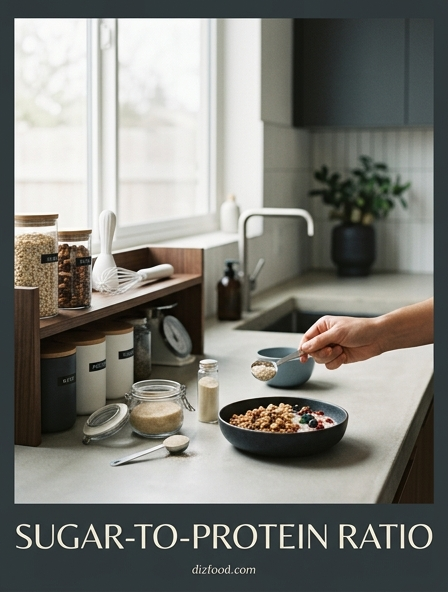
Understanding the Maillard Reaction
The Maillard reaction is a complex chemical interaction between reducing sugars and amino acids, serving as the cornerstone of flavor development in cooked foods. In the kitchen, the ratio of sugar to protein dictates the depth of color and the complexity of the resulting aroma compounds. When sugar levels are high relative to protein, the reaction can occur more rapidly under dry heat, leading to deep browns and savory-sweet notes. Conversely, a lack of sufficient sugar results in pale, lackluster crusts on meats and baked goods.
- Reducing sugars like glucose and fructose are more reactive than sucrose.
- Amino acids from proteins provide the essential nitrogen for melanoidin production.
- Optimal browning occurs when surface moisture is minimized, concentrating the ratio.
- Excess sugar can lead to rapid charring before the protein interior is cooked.
To master this reaction, chefs must balance these precursors. For instance, brushing a protein-rich pastry with a sugar wash accelerates the formation of aromatic pyrazines and furans, creating the characteristic "toasted" scent that signals a finished product. If the ratio leans too heavily toward sugar without enough protein, the result is simple caramelization rather than the savory complexity of Maillard products.
Viscosity and Texture Development
In liquid and semi-solid culinary applications, the sugar-to-protein ratio is a primary determinant of viscosity. Proteins typically provide the structural network through coagulation or denaturation, while sugar acts as an interference agent. In a custard or sauce, sugar molecules physically stand between protein chains, such as those found in egg yolks or milk. This hinders the proteins' ability to bond too tightly, preventing curdling and ensuring a silky, viscous texture rather than a rubbery solid.
The concentration of sugar directly influences the temperature at which proteins begin to set. As the sugar-to-protein ratio increases, the coagulation temperature rises. This allows the mixture to reach a thicker state before the proteins fully lock into a matrix. If the sugar content is too low, the proteins will aggregate prematurely, leading to a thin liquid with lumpy inclusions. This delicate balance is why precise measurements are essential in pastry work, where the goal is a specific level of flow and mouthfeel. By manipulating this ratio, cooks can achieve everything from a pourable crème anglaise to a stiff, pipeable pastry cream.
Structural Integrity in Desserts
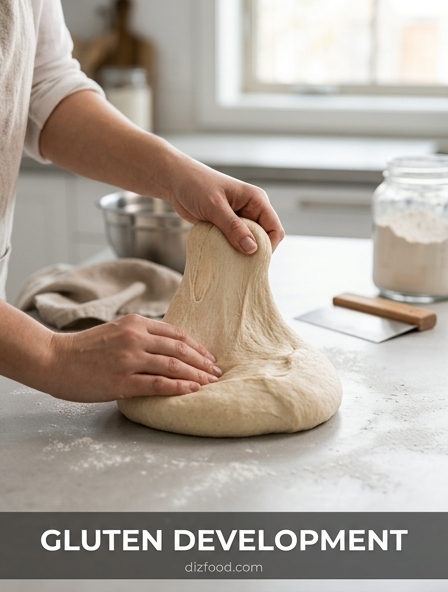
The structural integrity of baked goods relies on the tension between the strengthening effects of proteins and the tenderizing effects of sugar. In wheat-based recipes, gluten proteins form a resilient web that traps gases. Sugar competes for the water necessary to hydrate these proteins, effectively limiting gluten development. A high sugar-to-protein ratio yields a crumb that is soft, moist, and tender, while a lower ratio results in a chewier, bread-like consistency.
| Component | Primary Function | Impact of High Sugar Ratio |
|---|---|---|
| Gluten (Protein) | Structure and elasticity | Weakened network, softer bite |
| Sugar | Tenderizing and aeration | Increased moisture, decreased height |
| Egg (Protein) | Leavening and binding | Delayed coagulation, finer crumb |
When the ratio is properly balanced, the dessert maintains its shape without becoming tough. If the protein content is too high, such as using bread flour in a cake recipe, the product becomes excessively dense. If the sugar content is too high, the structure may collapse entirely during cooling because the protein web was too weak to support the weight of the sugar and fats.
The Role of Concentrated Protein
Concentrated proteins, particularly those found in egg whites and whey isolates, behave uniquely when sugar is introduced. In meringue production, the sugar-to-protein ratio is the most critical variable. Egg white proteins unfold and bond during whisking to create a foam. Adding sugar at the correct stage stabilizes this foam by increasing the viscosity of the liquid film surrounding the air bubbles. This prevents the bubbles from coalescing and the foam from weeping.
- Whisk proteins to a soft foam to begin denaturation.
- Introduce sugar gradually to prevent overwhelming the protein bonds.
- Maintain a ratio of roughly two parts sugar to one part protein for a stable French meringue.
- Increase sugar for a denser, glossier Italian or Swiss meringue.
The sugar does not just sweeten; it protects the protein from over-coagulation. In high-protein dairy concentrates, sugar prevents the proteins from precipitating during high-heat processing. This interaction is vital in the production of condensed milks and protein-fortified beverages, where a smooth, uniform consistency is required despite a high solids content. Without the sugar to buffer the proteins, these products would quickly separate into solids and whey.
Caramelization and Flavor Profiles
While often confused with the Maillard reaction, caramelization is the pyrolysis of sugar in the absence of protein. However, in the kitchen, these two processes often occur simultaneously. The sugar-to-protein ratio determines which pathway dominates the flavor profile. In a high-sugar, low-protein environment, such as a caramel sauce, the flavor is characterized by acidity, bitterness, and rich sweetness. When protein is introduced, such as adding cream or butter, the profile shifts toward butterscotch and nutty notes as Maillard reactions begin to intermingle with the caramelization.
Understanding this transition is essential for creating complex flavor bases. A higher protein-to-sugar ratio in a marinade will favor savory, savory-browned flavors, whereas a high-sugar glaze will lean toward sweet-tart caramel notes. The temperature at which these flavors develop also changes; pure sugar caramelizes at higher temperatures than the sugar-protein mixture required for Maillard browning. Consequently, a glaze with more protein will color and flavor at a lower oven temperature, whereas a pure sugar syrup requires intense heat to transform. Balancing these ratios allows a chef to control the specific sensory output of a dish, from the light sweetness of a sponge cake to the deep, charred complexity of a roasted brisket.
Balancing Sweetness and Solids
Achieving the perfect mouthfeel in frozen desserts and confections requires balancing the sweetness of sugar with the total solids provided by proteins. In ice cream, the sugar-to-protein ratio affects both the freezing point and the "scoopability." Proteins from milk solids-not-fat provide body and help emulsify fats, while sugar lowers the freezing point to prevent the mixture from becoming a solid block of ice. If the sugar ratio is too high, the ice cream will be excessively soft and cloying; if too low, it becomes icy and brittle.
- Proteins contribute to the "chew" and slow the melting rate.
- Sugar controls the size of ice crystals by binding water.
- The ratio must account for the perception of sweetness, which decreases at low temperatures.
- Total solids (sugar plus protein) should typically fall between 36% and 42% for premium textures.
This balance extends to savory applications, such as reductions and glazes. A reduction that is high in protein (collagen-rich stock) but low in sugar will be sticky and savory but may lack the glossy sheen and palate-coating richness that a small amount of sugar provides. By adjusting the solids, cooks can manipulate how long a flavor lingers on the tongue.
Browning Kinetics in Baking
Browning kinetics refers to the rate at which color develops during the baking process, a factor heavily influenced by the sugar-to-protein ratio. This is not merely an aesthetic concern; the speed of browning affects the moisture content and final volume of the baked good. A high ratio of reducing sugars, such as honey or corn syrup, combined with the proteins in flour and eggs, will result in very rapid browning. If this occurs too quickly, the exterior may appear finished while the interior remains undercooked and doughy.
To manage these kinetics, bakers often adjust the pH of the dough. Alkaline environments accelerate the Maillard reaction between sugar and protein, while acidic environments slow it down. For example, adding baking soda to a cookie dough increases the pH, allowing the sugar-protein reaction to occur more aggressively at lower temperatures. This creates a deeply browned, crispy cookie. In contrast, a cake batter with a higher proportion of acidic ingredients will stay pale and soft. Controlling the ratio and the environment ensures that the kinetic rate of browning aligns with the heat transfer rate, resulting in a perfectly cooked product with a balanced flavor profile and professional appearance.
Moisture Retention and Shelf Life
The longevity and freshness of food products are deeply tied to how sugar and protein manage water activity. Both components are hygroscopic, meaning they attract and hold water, but they do so in different ways. Sugar binds water through hydrogen bonding, making it unavailable for microbial growth and preventing the product from drying out. Proteins, meanwhile, hold water within their structural matrix. A high sugar-to-protein ratio generally extends shelf life by significantly lowering water activity and inhibiting staling.
| Condition | Water Retention Mechanism | Shelf Life Impact |
|---|---|---|
| High Sugar | Osmotic pressure and hydrogen bonding | Extended; prevents mold and crystallization |
| High Protein | Capillary action and hydration shells | Moderate; provides structure but can dry out |
| Balanced Ratio | Synergistic moisture trapping | Optimal; maintains softness and stability |
In bread, the inclusion of sugar and milk proteins (casein) helps keep the crumb soft for several days. Without this ratio, the starch would undergo retrogradation more quickly, leading to a hard, dry texture. In high-sugar environments like preserves, the protein content is usually negligible, allowing the sugar to act as the primary preservative. However, in baked goods, the protein provides the necessary framework to hold the moisture that the sugar attracts.
Emulsification and Smooth Consistency
The interaction between sugar and protein is vital for creating stable emulsions in the kitchen. Proteins, such as lecithin in eggs or casein in milk, act as natural emulsifiers by bridging the gap between oil and water. Sugar assists this process by increasing the viscosity of the aqueous phase, which slows down the movement of oil droplets and prevents them from merging. This is particularly evident in the creation of mayonnaise, Hollandaise, and various dessert creams where a smooth consistency is paramount.
- Proteins coat fat globules to prevent coalescence.
- Sugar increases the density of the continuous phase.
- A higher sugar-to-protein ratio creates a more stable, "short" texture in frostings.
- Insufficient protein leads to emulsion failure, regardless of sugar content.
When the sugar-to-protein ratio is tilted too far toward sugar, the mixture can become "heavy" and lose its airy quality, as seen in over-sugared buttercreams. Conversely, if the protein is too high without enough sugar to buffer it, the emulsion may feel grainy or "lean" on the palate. Achieving a smooth consistency requires recognizing that sugar is a functional partner to the protein emulsifier, providing the physical environment necessary for the protein to do its job effectively.
Molecular Stability in Dairy Recipes
In dairy-based recipes like yogurt, cheese, and custards, molecular stability depends on the specific arrangement of sugar and protein. Milk contains lactose, a natural sugar, and various proteins like casein and whey. When additional sugar is added to dairy, it changes the osmotic environment, which can either stabilize or destabilize the protein micelles. In fermented products, the ratio is crucial because bacteria consume sugar to produce acid, which then causes the proteins to denature and form a gel.
If the initial sugar-to-protein ratio is too high, the resulting high osmotic pressure can inhibit the starter cultures, leading to a thin, weak set. In heat-treated dairy, such as panna cotta or flan, the sugar protects the dairy proteins from "tightening" too much when heat is applied. This prevents syneresis, which is the expulsion of liquid from the protein gel. By maintaining a precise ratio, the dairy remains creamy and cohesive rather than separating into watery and rubbery components. This molecular stability is what allows for the rich, uniform texture found in high-quality dairy desserts and sauces, ensuring that the protein network remains flexible and hydrated.


Comments