
Understanding Powdered Sugar Components
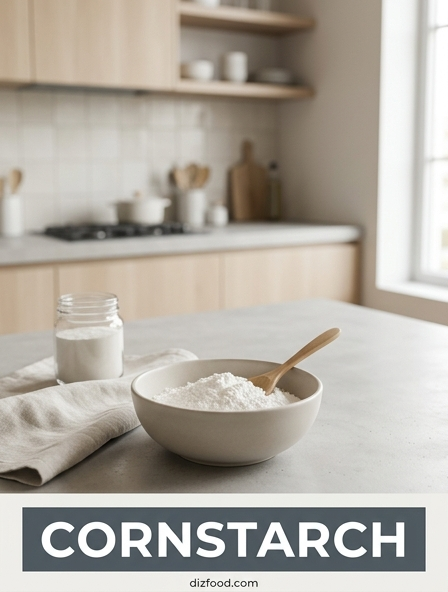
Powdered sugar, often referred to as confectioners' sugar, is not merely granulated sugar that has been ground into a fine dust. To maintain its shelf stability and functional properties in the kitchen, it typically consists of a precise blend of sucrose and a small percentage of cornstarch. This starch component, usually comprising about 3% to 5% of the total weight, is vital for preventing the fine sugar particles from fusing together. Without the inclusion of cornstarch, the sugar would rapidly absorb atmospheric moisture, resulting in hard, unusable blocks rather than a free-flowing powder.
When examining the components, it is essential to recognize the role of starch as a stabilizer. This synergy allows the ingredient to perform across various culinary applications, from dusting pastries to thickening glazes.
- Sucrose: The primary sweetener derived from cane or beets.
- Cornstarch: The moisture-absorbing agent that keeps particles separate.
- Flow Agents: Occasional additives used in industrial settings to ensure consistent pouring.
Understanding this ratio is crucial for bakers who might attempt to make their own powdered sugar at home using a high-speed blender. While grinding granulated sugar achieves the desired fineness, the absence of cornstarch leads to immediate clumping.
The Science of Anti-Caking Agents
Anti-caking agents are substances added to powdered ingredients to prevent the formation of lumps, making them easier to package, transport, and use. In the kitchen, cornstarch serves as the gold standard for this purpose within the sugar industry. The science behind this lies in the physical barrier the starch granules provide. Because sugar is highly hygroscopic, it naturally attracts water molecules from the air. Cornstarch acts as a desiccant, intercepting this moisture before it can dissolve the sugar crystals and cause them to recrystallize into a solid mass.
Below is a comparison of common kitchen agents used for texture and stability in various dry goods:
| Agent | Primary Function | Common Application |
|---|---|---|
| Cornstarch | Moisture Absorption | Powdered Sugar |
| Silicon Dioxide | Flow Improvement | Table Salt |
| Rice Flour | Texture Separation | Shredded Cheese |
By coating the jagged edges of finely ground sucrose, cornstarch reduces the friction between particles. This allows the sugar to behave more like a fluid than a solid, which is essential for decorative dusting and smooth icing.
Identifying Pure Cane Sucrose
Identifying pure cane sucrose is a priority for many professional pastry chefs who believe it yields superior results in caramelization and texture compared to beet sugar. When purchasing powdered sugar, the label often specifies "pure cane," but the presence of cornstarch remains a constant necessity for the product's integrity. Cane sugar is derived from the Saccharum officinarum plant and undergoes extensive refining to remove molasses. Once the sugar reaches its highest purity, it is pulverized into the familiar white dust found in pantries.
To verify the quality and type of sugar used in your ingredients, consider these steps:
- Check the ingredient list for "cane sugar" specifically to avoid beet-derived alternatives.
- Observe the color; cane-based powdered sugar is often perceived as a brighter, cooler white.
- Test the solubility in cold liquids to see how the starch interacts with the sucrose.
- Evaluate the scent, as cane sugar lacks the earthy aroma sometimes found in beet sugar.
While the sucrose itself is the sweetening agent, the cornstarch plays the silent role of a protector. It ensures that the purity of the cane sugar is not compromised by environmental humidity.
Cornstarch vs Tapioca in Sugar
While cornstarch is the traditional additive for powdered sugar in the United States, some manufacturers opt for tapioca starch as an alternative. The choice between cornstarch and tapioca significantly impacts the performance of the sugar in specific culinary applications. Cornstarch is known for providing a slightly matte finish and a very neutral flavor, though some sensitive palates detect a chalky aftertaste in uncooked frostings. Tapioca starch, derived from the cassava root, offers a slightly different profile and is often preferred in grain-free or Paleo-friendly kitchens.
Notable differences include the following characteristics:
- Viscosity: Cornstarch thickens more readily when heated in glazes or fruit fillings.
- Clarity: Tapioca starch tends to produce a glossier, more translucent finish.
- Allergen concerns: Cornstarch is avoided by those with specific grain sensitivities.
- Freezing: Tapioca performs better in items intended for long-term frozen storage.
For most standard baking recipes, the two are functionally interchangeable. However, if a recipe requires high-heat cooking of the sugar, the choice of starch will dictate the final transparency and mouthfeel of the finished dish.
Grading Sugar Fineness 10X
The grading of sugar fineness is often denoted by a number followed by an "X," with 10X being the most common grade found in grocery stores. This nomenclature refers to the number of times the sugar has been processed through industrial milling screens. A 10X grade indicates an ultra-fine consistency, making it ideal for smooth buttercreams and delicate meringues. Because the particles are so small, the surface area of the sugar is exponentially increased, making the role of cornstarch even more critical to prevent massive clumping.
Typical sugar grades are summarized in the following table:
| Grade | Texture | Common Use |
|---|---|---|
| 4X | Coarse Powder | Commercial Dusting |
| 6X | Standard Fine | General Baking |
| 10X | Ultra-Fine | Frostings and Icings |
The addition of cornstarch in 10X sugar is precisely calibrated to match the increased surface area. If a lower grade of sugar were used, the texture of the resulting icing would feel gritty on the tongue. The cornstarch ensures that these microscopic particles remain independent until they are dissolved in fat or liquid.
Regional Names for Finely Ground Sugar
Depending on the region, the combination of finely ground sucrose and cornstarch is known by various names. In the United Kingdom and many Commonwealth countries, it is exclusively referred to as icing sugar. In contrast, cooks in the United States and Canada typically use the terms powdered sugar or confectioners' sugar interchangeably. Despite the different labels, the underlying chemistry remains the same: a blend of sugar and a starch-based anti-caking agent to ensure a smooth application in the kitchen.
Regional variations in nomenclature include:
- Icing Sugar: The standard term used in the UK, Australia, and New Zealand.
- Sucre Glace: The term used throughout France and Francophone regions.
- Puderzucker: The common name for powdered sugar in Germany.
- Farinha de Açúcar: Used in Portuguese-speaking culinary contexts.
Regardless of what it is called on the packaging, the presence of cornstarch is the defining factor that separates these products from "snow sugar," which may use non-melting fats as a coating. Understanding these terms is vital for international bakers following global recipes.
Natural Additives for Better Texture
In an era of clean-label cooking, cornstarch is celebrated as a natural additive that provides structural benefits without the need for complex synthetic chemicals. Unlike artificial flow agents, cornstarch is a simple plant-based carbohydrate that integrates seamlessly into many recipes. Beyond just preventing clumps, the starch contributes to the "body" of certain desserts. When used in a frosting base, the starch molecules help stabilize the fat-in-water emulsion, providing a stiffer peak that holds its shape longer at room temperature.
Key benefits of using cornstarch as a natural additive:
- Enhanced structural integrity in whipped toppings and decorative elements.
- Improved opacity in white glazes and royal icings for better visual appeal.
- Natural moisture regulation during long-term storage of baked goods.
- Clean flavor profile that does not interfere with delicate extracts like vanilla.
Chefs value this natural synergy between the fine sugar and the starch. It allows for the creation of intricate piped designs that would otherwise collapse if the sugar were pure sucrose. The starch acts as a microscopic scaffolding, supporting the airy structure of the frosting.
Preventing Clumps in Frosting Base
Clumps are the primary enemy of a perfect frosting, and their prevention starts with the cornstarch integrated into the sugar. When sugar is ground, the friction creates static electricity, causing particles to cling together. Cornstarch neutralizes this effect. However, even with the presence of starch, improper storage can lead to "lumpiness" if the sugar is exposed to extreme humidity. When making a frosting base, it is essential to ensure the starch is evenly distributed to prevent these clusters from ruining the smooth finish.
Common reasons for clumping in frosting include:
- High ambient humidity in the kitchen during the mixing process.
- Using sugar that has been stored in a non-airtight container for too long.
- Adding the sugar too quickly to the butter or cream cheese base.
- Inadequate sifting before the ingredient is introduced to the wet mix.
By leveraging the anti-caking properties of cornstarch, bakers can achieve a velvet-like consistency. If lumps do form, they are often the result of the starch becoming saturated with moisture, losing its ability to keep the sucrose particles separated.
Measuring Sugar for Precise Baking
Precision is the hallmark of successful baking, and measuring powdered sugar can be tricky due to the presence of cornstarch. Because starch is light and airy, powdered sugar is highly compressible. A cup of sugar scooped directly from the bag can weigh significantly more than a cup that has been sifted first. This variability can drastically alter the sweetness and thickness of a recipe. Therefore, weight-based measurement is always the preferred method for professional results in a kitchen setting.
Refer to the table below for typical weight conversions:
| Measurement | Un-sifted Weight | Sifted Weight |
|---|---|---|
| 1 Cup | 120 grams | 100 grams |
| 1/2 Cup | 60 grams | 50 grams |
| 1/4 Cup | 30 grams | 25 grams |
The cornstarch content contributes to this density variation. When measuring by volume, one must "spoon and level" to avoid packing the starch too tightly. For recipes where the cornstarch is meant to provide specific thickening, even a few extra grams can result in a texture that is too rubbery.
The Importance of Sifting Ingredients
Sifting is a non-negotiable step when working with powdered sugar and cornstarch blends. While the cornstarch works to prevent clumping, the fine nature of 10X sugar means that some small beads will inevitably form during shipping. Sifting serves two primary purposes: it removes these physical lumps and aerates the mixture. This aeration is crucial for creating light, fluffy frostings and ensuring that the starch is perfectly distributed throughout the sugar before it hits the liquid ingredients.
To ensure the best results, follow this sifting sequence:
- Measure your sugar by weight using a digital scale for accuracy.
- Pass the sugar through a fine-mesh sieve into a clean, dry bowl.
- Use a spoon to press any remaining starch-sugar beads through the mesh.
- Whisk the sifted powder briefly to incorporate additional air before mixing.
Once sifted, the sugar and cornstarch mixture will integrate much more easily into fats like butter. This prevents the over-mixing of frostings, which can introduce unwanted air bubbles. Sifting ensures the cornstarch can perform its final duty: providing a flawless, smooth texture.


Comments