
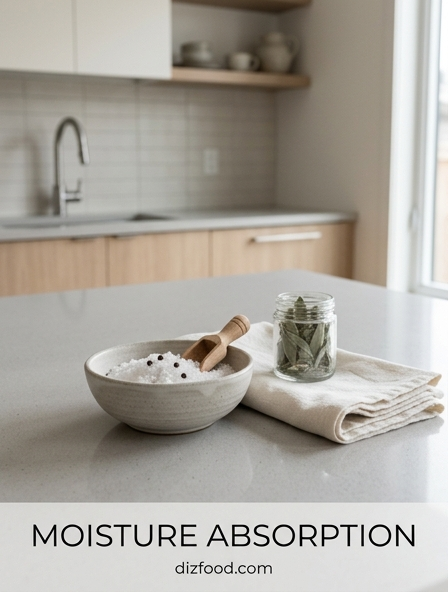
Flour Protein Dynamics and Water Retention
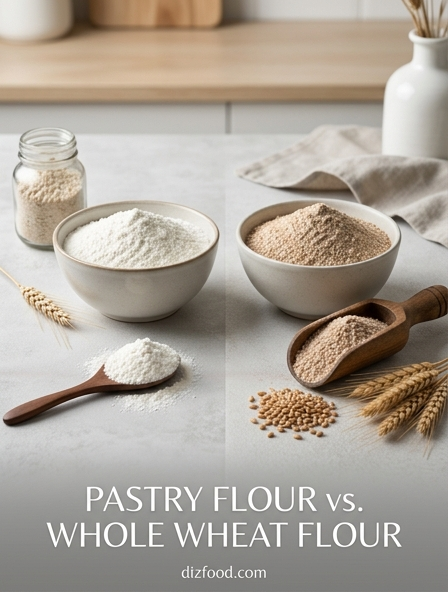
The ability of flour to retain moisture is fundamentally dictated by its protein composition, specifically the ratios of gliadin and glutenin. When water is introduced to wheat flour, these proteins act as primary absorbent agents, initiating a complex biochemical transformation. High-protein flours, often categorized as "strong" or "bread" flours, possess a higher capacity for water uptake compared to low-protein "pastry" flours. This relationship is largely due to the increased presence of amino acid chains that facilitate hydrogen bonding with water molecules. As hydration occurs, the proteins begin to swell, forming a cohesive matrix that captures and holds moisture within the dough structure.
Effective moisture retention is critical for maintaining dough stability during the long fermentation processes required for artisanal breads. Factors influencing this dynamic include:
- Protein Concentration: Higher percentages correlate directly with increased absorption capacity.
- Milling Quality: The degree of mechanical damage to the flour particles can expose more protein surfaces.
- Ionic Environment: The presence of salts can alter the electrical charges on protein chains, affecting their affinity for water.
- Initial Flour Moisture: The ambient moisture already present in the flour dictates how much additional liquid it can successfully integrate.
Mechanisms of Gluten Network Development
Gluten development is a water-dependent process that transforms a dry powder into a sophisticated viscoelastic web. Once water is added, the previously dormant glutenin and gliadin proteins begin to hydrate and uncoil. This physical transformation allows them to align and bond through disulfide bridges and hydrophobic interactions. Without sufficient moisture, these bonds cannot form, resulting in a crumbly, non-cohesive mass. The hydration stage is the catalyst for the entire structural integrity of the baked good, as water acts as a lubricant that allows protein chains to slide and rearrange during mechanical kneading.
- Hydration: Water penetrates the flour particles, saturating the protein molecules.
- Agitation: Kneading applies energy, forcing the hydrated proteins to collide and form cross-links.
- Alignment: The protein strands organize into a continuous network capable of trapping gases.
- Stabilization: The network reaches a state of equilibrium where it can resist the pressure of expanding carbon dioxide during proofing.
The efficiency of this network development is highly sensitive to the rate of water addition. Gradual hydration ensures that every protein molecule is adequately saturated, preventing dry pockets that weaken the final crumb.
Calculating Ideal Hydration Ratios
Precision in hydration is the hallmark of professional baking, as even a two percent deviation can significantly alter the handling characteristics of the dough. Bakers utilize the "Baker's Percentage" system to define hydration, which expresses the weight of water as a percentage of the total flour weight. This standardization allows for easy scaling and comparison between different recipes. For instance, a 60% hydration dough is generally firm and easy to shape, whereas an 80% hydration dough is fluid, sticky, and requires advanced handling techniques to maintain its structure.
| Dough Type | Hydration Range | Resulting Texture |
|---|---|---|
| Stiff Dough (Bagels/Pretzels) | 50% - 55% | Dense, chewy, high resistance |
| Standard Loaf (Sandwich Bread) | 60% - 65% | Soft, uniform, easy to slice |
| Artisan/Open Crumb (Ciabatta) | 75% - 85% | Large holes, airy, thin crust |
Calculating the ideal ratio requires considering the specific absorption rate of the flour batch, which can vary based on the crop season and storage conditions. Adjusting hydration helps maintain consistency in the final product's volume and interior moisture levels.
Influence of Moisture on Crumb Structure
The interior architecture of bread, known as the crumb, is largely a product of how water interacts with the dough during the baking process. High hydration levels facilitate a more open, irregular crumb structure because the increased water content creates a less viscous environment. This allows gas bubbles produced by yeast to expand more freely before the heat of the oven sets the protein structure. Conversely, lower hydration levels result in a tighter, more uniform crumb, as the denser dough limits the expansion of carbon dioxide and steam.
The transition of water into steam is a critical phase of crumb development. As the internal temperature of the dough rises, the liquid moisture evaporates, creating internal pressure that pushes against the gluten walls. This phenomenon, known as oven spring, is enhanced by:
- High initial moisture content, which delays the setting of the crust.
- The presence of "free water" that can easily transition into the vapor phase.
- Optimal gluten elasticity, allowing the cell walls to stretch without rupturing.
The resulting crumb texture-whether it be silken and tight or waxy and holey-is a direct reflection of the hydration strategy employed at the start of the process.
The Role of Starch in Water Absorption
While protein is often the focus of hydration discussions, starch typically makes up 70% to 80% of wheat flour and plays a massive role in moisture management. Starch granules absorb water in two distinct phases. At room temperature, native starch granules absorb a limited amount of water, roughly 30% of their own weight. However, when flour is milled, a portion of the starch granules becomes "damaged." These damaged granules are highly hydroscopic and can absorb significantly more water than intact granules, which immediately increases the dough's initial consistency and water requirement.
During the baking process, a secondary and more dramatic absorption phase occurs: gelatinization. As the temperature reaches approximately 140°F (60°C), the starch granules swell and absorb massive amounts of the remaining water. This process is essential for:
- Setting the final shape of the loaf as the starch matrix hardens.
- Providing the soft, moist mouthfeel associated with fresh bread.
- Binding the water that would otherwise evaporate, ensuring the bread remains edible.
The balance between protein-bound water and starch-bound water determines the ultimate softness and keeping qualities of the kitchen's baked outputs.
Temperature Effects on Dough Hydration
Temperature is a primary variable that dictates the speed and efficiency of moisture absorption in the kitchen. As the temperature of the water increases, the kinetic energy of the molecules also rises, allowing them to penetrate the flour particles more rapidly. This can be beneficial for speeding up the initial stages of dough mixing, but excessively high temperatures risk denaturing the proteins before they can form a proper gluten network. Conversely, cold water slows down hydration, which is often preferred in commercial environments to offset the heat generated by high-speed mechanical mixers.
| Water Temperature | Hydration Speed | Impact on Dough |
|---|---|---|
| Cold (40°F - 55°F) | Slow | Prevents over-fermentation; firm dough. |
| Room (68°F - 75°F) | Moderate | Standard for most home kitchen recipes. |
| Warm (80°F - 100°F) | Fast | Accelerates yeast; risk of sticky dough. |
Bakers often use the "Desired Dough Temperature" (DDT) formula to calculate the exact water temperature needed to achieve a consistent final product, accounting for room temperature, flour temperature, and the friction factor of the mixing process.
Enhancing Elasticity Through Optimal Moisture
Elasticity, the ability of dough to return to its original shape after being stretched, is dependent on achieving a precise equilibrium of moisture. Water acts as a plasticizer within the gluten network, meaning it increases the flexibility and workability of the protein strands. Without enough moisture, the dough becomes "short" and brittle, tearing easily when handled. However, if the moisture level is too high without sufficient structural development, the dough loses its elastic recoil and becomes overly extensible, leading to a flat, spread-out loaf rather than one that stands tall.
To achieve the perfect balance of elasticity and extensibility, the following steps are usually followed:
- Controlled Hydration: Adding water in stages to ensure the gluten can accommodate it.
- Resting Periods: Allowing time for moisture to distribute evenly through the dough mass.
- Developing Tension: Using folding techniques to organize the hydrated fibers into a supportive web.
Properly hydrated dough will feel "alive" to the touch, offering a gentle resistance and a smooth, non-sticky surface that indicates the moisture is fully integrated into the cellular structure.
Impact of Hydration on Bread Shelf Life
The longevity of a loaf of bread is intrinsically linked to its initial moisture content and how that moisture is managed over time. Staling, or retrogradation, occurs when starch molecules gradually expel the water they absorbed during baking and return to a crystalline state. High-hydration breads often have a longer shelf life because they contain a larger reservoir of moisture, which slows the rate of crystallization. Furthermore, the higher water content helps maintain the softness of the crumb for a longer duration compared to drier, low-hydration loaves.
However, moisture management is a double-edged sword. While hydration preserves softness, it can also lead to issues if not handled correctly:
- Mold Growth: Excessive surface moisture can create an environment conducive to fungal spoilage.
- Crust Softening: Moisture migrating from the crumb to the crust can turn a crisp exterior leathery.
- Starch Crystallization: Inadequate hydration during the bake leads to faster firming of the crumb.
Professional bakers often use natural humectants or specific sourdough cultures that improve water-binding capacity, further extending the period during which the bread remains fresh and palatable.
Autolyse Benefits for Maximum Absorption
The autolyse technique is a powerful method for maximizing moisture absorption and improving dough handling. This process involves mixing only the flour and water and allowing the mixture to rest for anywhere from twenty minutes to several hours before adding salt and yeast. During this resting period, several biological and physical actions occur. The flour becomes fully saturated, ensuring that even the innermost parts of the starch granules and protein clusters are hydrated. This leads to a more extensible dough that is significantly easier to knead and shape.
The specific benefits of the autolyse phase include:
- Enzymatic Activation: Natural protease and amylase enzymes begin breaking down proteins and starches.
- Gluten Organization: Protein strands begin to align themselves naturally without mechanical stress.
- Reduced Mixing Time: Because the dough is already partially developed, less intensive kneading is required.
Implementing an autolyse step is particularly effective for high-hydration doughs, as it provides the structural "head start" needed to manage the excess liquid without resorting to excessive flour dusting, which would alter the intended hydration ratio.
Professional Techniques for Consistent Hydration
In a professional kitchen setting, maintaining consistent hydration across different batches is a primary challenge. Environmental factors such as humidity and ambient temperature can fluctuate, forcing bakers to adapt their techniques. One common professional method is "bassinage," or double hydration. This involves holding back a portion of the recipe's water (usually 5-10%) during the initial mix. Once the gluten network has begun to form, the remaining water is slowly added. This technique allows for much higher total hydration levels than would be possible if all the water were added at the start.
Key practices for ensuring consistency include:
- Digital Precision: Using high-resolution scales to measure water by weight, never volume.
- Humidity Adjustment: Reducing water slightly on rainy days or increasing it in dry, desert climates.
- Flour Testing: Performing small "slump tests" or "squeeze tests" to judge the absorption of a new flour shipment.
- Water Quality Control: Monitoring the pH and mineral content of the water, as hard water can strengthen gluten while soft water can weaken it.
By mastering these variables, a cook ensures that every loaf possesses the same crumb texture, volume, and moisture profile, regardless of external conditions.




Comments