
Understanding Sourdough Starter and Poolish
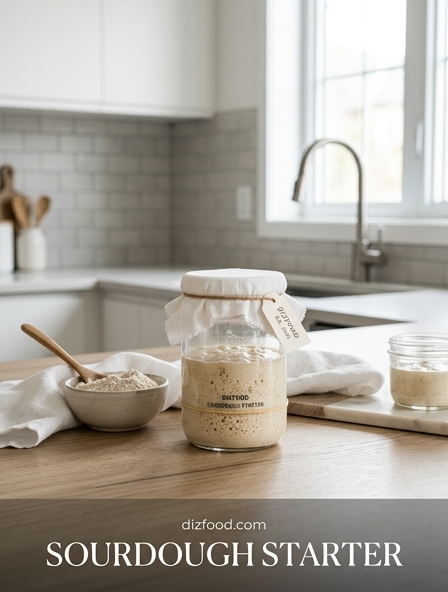
In the world of artisanal baking, starters and pre-ferments are the foundation of flavor and structure. A sourdough starter, often called a levain, is a living culture of wild yeast and lactic acid bacteria. It is maintained over time through regular feedings of flour and water, capturing the unique microflora of its environment. This biological complexity results in a leavening agent that is both resilient and characterful, requiring a deep understanding of fermentation cycles and temperature control.
In contrast, a poolish is a type of commercial yeast pre-ferment. It typically consists of equal parts flour and water by weight, with a very small amount of commercial yeast added to the mix. While a sourdough starter can live for decades, a poolish is usually mixed fresh for a specific bake, fermenting for several hours until it becomes bubbly and active. Both methods aim to improve the final bread, but they do so through different biological pathways. The starter relies on ecological diversity, while the poolish relies on the controlled, vigorous fermentation of Saccharomyces cerevisiae.
Comparing Flavor Profiles for Artisanal Bread
The choice between a sourdough starter and a poolish significantly dictates the final taste of the loaf. Sourdough is renowned for its complex, tangy profile, driven by the production of acetic and lactic acids. These organic acids provide a sharp or creamy finish that lingers on the palate. Conversely, a poolish produces a more subtle, nutty, and slightly sweet flavor. Because it uses commercial yeast, it lacks the acidic punch of sourdough, focusing instead on the aromatic compounds produced during a shorter fermentation window.
| Flavor Attribute | Sourdough Starter | Poolish Pre-ferment |
|---|---|---|
| Acidity | High (Tangy/Sour) | Low (Mild) |
| Sweetness | Low (Complex) | Moderate (Nutty) |
| Aroma | Pungent, Earthy | Floral, Yeasty |
Ultimately, sourdough is preferred for rustic, hearty loaves where the bread itself is the star. Poolish is often the choice for delicate breads like baguettes or ciabatta, where a clean wheat flavor is desired without the distracting sourness of wild cultures.
Texture Differences in Wild Yeast vs Pre-ferments
Texture is perhaps the most tactile difference between these two methods. Sourdough starters tend to produce a loaf with a thicker, more substantial crust and a chewy, elastic crumb. The long fermentation period and the presence of acids strengthen the gluten network while simultaneously breaking down some starches, leading to a unique mouthfeel that is both dense and aerated. The crust of a sourdough loaf often features "blisters," which are tiny bubbles formed by the release of gases during the cold proofing stage.
A poolish, however, yields a very different structural result. It is famous for creating a thin, crisp, and shattering crust. The crumb in a poolish-based bread is typically lighter, softer, and more open. This is due to the high activity of commercial yeast which, when combined with a high-hydration pre-ferment, creates large gas pockets quickly. For bakers seeking a pillowy interior and a delicate exterior, the poolish method is superior. While wild yeast offers "bite" and resilience, the poolish offers a melt-in-the-mouth quality that is highly prized in traditional French baking styles.
Fermentation Time and Baking Schedules
Managing time is the biggest challenge for any baker. Sourdough is a slow process, often requiring a multi-day commitment. From the initial feeding of the starter to the final bake, a single loaf can take 24 to 48 hours to complete. This is because wild yeast is less concentrated and slower-acting than commercial alternatives. A poolish, while still a "slow" method compared to direct doughs, is much faster than sourdough, usually peaking within 8 to 16 hours.
- Sourdough Schedule: Feed starter (morning), mix dough (evening), bulk ferment (overnight), shape and cold proof (next day), bake.
- Poolish Schedule: Mix poolish (night before), mix final dough (morning), short bulk ferment, shape, proof (2 hours), bake.
The predictability of a poolish makes it ideal for professional environments or home bakers with strict schedules. Sourdough requires more flexibility, as the activity of the wild yeast can fluctuate based on the ambient temperature and the specific health of the starter culture on any given day.
The Science of Acidity in Sourdough
The defining characteristic of sourdough is its acidity, which is a result of a symbiotic relationship between yeast and Lactic Acid Bacteria (LAB). When flour and water sit, LAB ferment the sugars into lactic and acetic acids. Lactic acid provides a mild, yogurt-like creaminess, while acetic acid provides the sharp, vinegar-like tang. The ratio of these acids can be manipulated by the baker through temperature control; warmer temperatures generally favor lactic acid, while cooler temperatures encourage acetic acid production.
This acidity does more than just affect taste; it also impacts the dough's chemistry. The lower pH environment helps to break down phytates, making minerals more bioavailable. Furthermore, the acid inhibits the growth of spoilage-causing bacteria and molds, giving sourdough a naturally longer shelf life than bread made with a poolish. The protease enzymes active in an acidic environment also modify the gluten structure, often making the dough more extensible. Understanding this chemical balance is essential for bakers who want to fine-tune the "sour" in their sourdough bread.
Achieving a Light Crumb with Poolish
If the goal is a light, airy crumb with an open alveolar structure, a poolish is an excellent tool. Because a poolish is mixed at 100% hydration-meaning equal parts water and flour-it creates a highly liquid environment where yeast can thrive and enzymes can begin breaking down proteins. This enzymatic activity softens the flour, making the final dough extremely extensible. When the final dough is mixed, this extensibility allows gas bubbles to expand significantly without tearing the gluten walls.
The use of a poolish also helps in achieving a more consistent crumb than a sourdough starter might. Because commercial yeast is standardized, the gas production is vigorous and predictable. To maximize the airiness, bakers often use a "double hydration" technique, adding more water during the final mixing stage after the poolish has already developed. This results in the classic "large holes" seen in high-quality ciabatta. While sourdough can achieve an open crumb, it requires much more technical skill in handling and fermentation monitoring compared to the relatively straightforward success seen with a well-timed poolish.
Health Benefits of Long Fermentation
Long fermentation, whether through sourdough or a poolish, offers significant health advantages over "quick" bread. However, sourdough takes these benefits further due to its unique microbial makeup. During the extended fermentation period, the wild yeast and bacteria pre-digest much of the starches and proteins. This process significantly reduces the level of gluten, making the bread easier to digest for individuals with mild gluten sensitivities. It is important to note, however, that it is still not safe for those with Celiac disease.
Another major benefit is the reduction of phytic acid. Found in the hull of grains, phytic acid can bind to minerals like magnesium and zinc, preventing their absorption in the human digestive tract. The acidity in sourdough neutralizes phytic acid, unlocking these essential nutrients. Additionally, sourdough has a lower glycemic index compared to standard white bread, meaning it causes a slower, steadier rise in blood sugar. While a poolish improves digestibility compared to direct-yeasted bread, it lacks the high organic acid content necessary to provide the full spectrum of nutritional advantages found in a true sourdough loaf.
Simplicity of Poolish vs Starter Complexity
Maintaining a sourdough starter is often compared to keeping a pet. It requires regular attention, specific feeding ratios, and a consistent environment. If a starter is neglected, it can become overly acidic, develop mold, or lose its leavening power. For many home bakers, this level of commitment is a barrier to entry. The complexity involves understanding "discard," hydration levels, and the signs of a peak rise. It is a rewarding but demanding craft that requires a lifestyle adjustment to accommodate the feeding schedule.
A poolish, by contrast, offers the benefits of a pre-ferment with none of the long-term maintenance. There is no need to keep a jar of bubbling flour in the refrigerator for months. When a baker decides to make bread, they simply mix a small amount of yeast with flour and water the night before. This "set it and forget it" approach provides the flavor and texture improvements of a pre-ferment without the risk of a starter dying or becoming imbalanced. For those who bake infrequently, the simplicity of a poolish is almost always more practical than the ongoing labor required for a sourdough starter.
Choosing the Best Flour for Fermentation
The type of flour used in a starter or poolish drastically alters the fermentation speed and the final bread's character. For sourdough starters, whole grain flours like rye or whole wheat are highly recommended. These flours contain more nutrients and wild microbes, which help to jumpstart a new culture and keep an established one vigorous. Rye, in particular, is high in amylase enzymes, which convert starches into sugars quickly, providing ample fuel for the yeast. However, whole grains also speed up fermentation, which can lead to over-acidification if not monitored closely.
- Bread Flour: High protein (12-14%), ideal for strong gluten networks and high-rising loaves.
- All-Purpose Flour: Versatile, but may lack the strength for very long sourdough fermentations.
- Rye Flour: Excellent for starters; adds earthiness and speeds up microbial activity.
- Spelt or Einkorn: Ancient grains that offer unique flavors but require gentle handling.
When making a poolish, professional bakers typically stick to high-quality bread flour or Type 00 flour. Since the goal is often a light and airy structure, the refined nature of these flours allows the commercial yeast to work efficiently without the interference of bran particles that can cut through gluten strands.
Selecting the Ideal Method for Your Loaf
Deciding whether to use a sourdough starter or a poolish depends on your desired outcome, your schedule, and your flavor preferences. If you crave the iconic tang and the artisanal challenge of working with wild microbes, sourdough is the unparalleled choice. It offers the greatest depth of flavor and the most significant health benefits, making the effort worthwhile for dedicated enthusiasts. It is the gold standard for rustic loaves that require a hearty crust and a complex, acidic backbone.
However, if your goal is to produce a light, crispy baguette or a soft sandwich loaf with a hint of nuttiness, the poolish is likely the better tool. Its predictability and ease of use make it accessible for beginners and efficient for those with busy lives. You can achieve professional-level results with a poolish in a fraction of the time it takes to master sourdough. Many bakers choose to use both methods for different recipes, utilizing the unique strengths of each to fill their kitchen with a variety of high-quality, delicious breads.


Comments