
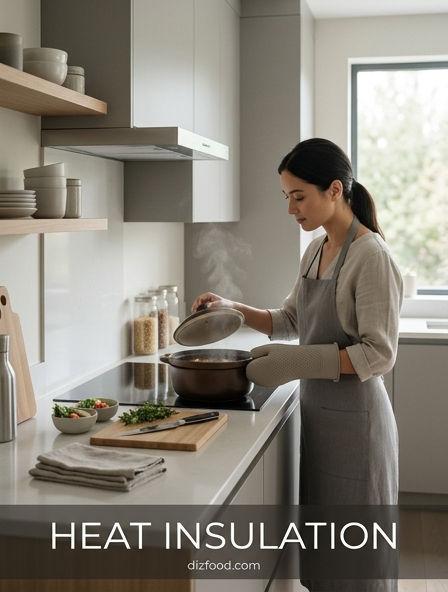
The Science of Oven Insulation and Heat Retention
Oven insulation is a critical component in modern culinary engineering, designed to contain thermal energy within the cooking chamber while protecting surrounding cabinetry. The primary materials utilized are typically high-density fiberglass or ceramic wool, which possess low thermal conductivity. This barrier minimizes heat transfer via conduction and convection, ensuring that the internal environment remains stable. When an oven is well-insulated, the heating elements do not need to cycle as frequently, leading to improved energy efficiency and more consistent results. Without proper retention, "hot spots" occur as the oven attempts to compensate for energy lost through the walls.
- Ceramic Fiber: High-temperature resistance often found in self-cleaning models.
- Fiberglass Batting: Common in standard residential ovens for cost-effective containment.
- Refractory Bricks: Used in artisanal pizza ovens to provide extreme thermal mass and retention.
Effective retention is also reliant on the integrity of the oven door seal. A degraded silicone or fiberglass gasket allows heated air to escape, forcing the thermostat to fluctuate and potentially ruining delicate bakes like soufflés or meringues.
Impact of Countertop Material on Dough Temperature
The thermal conductivity of a kitchen work surface directly influences the rheological properties of dough. When preparing pastry or bread, the rate at which heat is exchanged between the surface and the dough can determine the success of the final product. High-conductivity materials like stainless steel or granite pull heat away from the dough rapidly, whereas low-conductivity materials like wood act as natural insulators, keeping the dough closer to its internal temperature.
| Material | Thermal Conductivity | Best Use Case |
|---|---|---|
| Granite | High | Laminated doughs, puff pastry |
| Stainless Steel | Very High | Professional chocolate tempering |
| Hardwood (Maple) | Low | Yeasted bread, pizza shaping |
For doughs containing high amounts of fat, such as pie crusts, a cold surface is essential to prevent the butter from melting before it reaches the oven. Conversely, for yeast-leavened doughs, an insulating wooden surface prevents the counter from chilling the yeast, which could otherwise stall the fermentation process during the shaping phase.
How Thermal Mass Influences Crust Consistency
Thermal mass refers to the ability of a material to absorb, store, and later release heat. In the context of baking, materials with high thermal mass, such as cast iron or heavy stone, act as "heat sinks." When a cold loaf of bread is placed onto a preheated high-mass surface, the surface provides an immediate and intense transfer of energy. This "oven spring" is vital for achieving a professional-grade crust and an open crumb structure. Because these materials retain energy so effectively, they do not suffer significant temperature drops when the oven door is opened, ensuring that the base of the bread or pizza receives constant, high-intensity heat.
This steady release of energy facilitates the Maillard reaction and caramelization more efficiently than thin metal sheets. As moisture evaporates from the dough's surface, the high thermal mass ensures that the temperature remains high enough to crisp the exterior rapidly. This creates a distinct contrast between the crunchy outer shell and the soft, hydrated interior. For bakers seeking consistent results, investing in high-mass accessories is the most effective way to simulate the environment of a professional hearth oven.
Choosing Between Marble and Wood Work Surfaces
The choice between marble and wood is largely a matter of thermal management. Marble is a dense, metamorphic rock with relatively high thermal conductivity and high thermal mass. It feels cold to the touch because it quickly wicks heat away from the skin-or from dough. This makes it the premier choice for "short" doughs where maintaining solid fat particles is crucial for flakiness. Wood, however, is a cellular material filled with microscopic air pockets, making it an excellent natural insulator. It does not pull heat away from the dough, which is beneficial for maintaining the warmth required for active fermentation.
- Marble: Ideal for puff pastry, croissants, and chocolate work.
- Wood: Preferred for kneading sourdough and shaping brioche.
- Maintenance: Marble requires sealing to prevent staining, while wood requires oiling.
Kitchens optimized for versatility often feature a combination of both. A marble inset for pastry work and a butcher block for bread prep allows the baker to control the thermal environment of their ingredients with precision. Understanding these properties prevents the frustration of "greasy" dough on wood or "frozen" yeast on marble.
Thermal Properties of Baking Stones and Ceramics
Baking stones, typically made from cordierite or ceramic composites, are engineered to handle extreme thermal shock while providing superior insulation from the direct, often uneven heat of oven elements. The porous nature of these materials allows them to absorb moisture from the bottom of the dough, which enhances the crisping process. Unlike metal pans, which heat up and cool down rapidly, ceramics have a high specific heat capacity. This means they require a long preheating period but provide a much more stable thermal environment once they reach the target temperature.
- Preheating: Stones should be heated for at least 45 minutes to saturate the thermal mass.
- Placement: Position the stone on the lowest rack to maximize radiant heat from the bottom.
- Cooling: Allow the stone to cool slowly inside the oven to prevent stress fractures.
By using a ceramic stone, the baker mitigates the risk of a "soggy bottom." The stone acts as a thermal buffer, shielding the food from the aggressive cycling of the oven's heating elements. This creates a gentle, upward migration of heat that ensures the interior is cooked through by the time the crust reaches its ideal color.
Effect of Insulated Bakeware on Cookie Texture
Insulated bakeware consists of two layers of metal with a pocket of air trapped between them. This air layer acts as a powerful insulator, slowing the transfer of heat from the oven's atmosphere to the bottom of the cookie. In standard single-layer sheets, the metal heats up rapidly, often causing the edges and bottoms of cookies to brown or burn before the centers are fully set. Insulated sheets provide a "gentler" heat, which is particularly useful for light-colored cookies, delicate shortbreads, or high-sugar recipes that are prone to scorching.
However, this insulation comes with a trade-off in texture. Because the heat transfer is slowed, cookies baked on insulated sheets tend to be softer and more uniform in color. They lack the crispy, caramelized edges that many associate with a traditional chocolate chip cookie. Furthermore, cookies may require a slightly longer baking time to compensate for the delayed heat entry. For bakers who prefer a soft, "pillowy" texture and want to avoid any risk of over-browning, insulated pans are an essential tool in the kitchen arsenal.
Managing Ambient Heat for Perfect Bread Proofing
Bread proofing is the final fermentation stage where the dough rises before baking. This process is highly sensitive to ambient temperature and insulation. Ideally, proofing occurs in an environment between 75°F and 85°F. In a drafty or poorly insulated kitchen, the surface of the dough can cool rapidly, slowing yeast activity and leading to an uneven rise. To combat this, bakers often use proofing boxes-small, insulated chambers that maintain a consistent micro-climate. These boxes prevent heat loss and keep humidity high, which is essential for keeping the dough's skin supple.
- Draft Protection: Keep dough away from windows and air conditioning vents.
- Insulated Containers: Use thick plastic or ceramic bowls to retain the heat generated by fermentation.
- Micro-Climates: An unlit oven with a bowl of hot water creates a makeshift insulated proofing chamber.
Properly managing this ambient heat ensures that the yeast produces gas at a predictable rate. If the environment is too warm, the dough over-proofs and loses structural integrity; if too cold, the fermentation stalls. Precision in insulation during this stage is just as important as the baking process itself.
Heat Dissipation Rates of Various Baking Sheets
The speed at which a baking sheet loses heat once removed from the oven is critical for controlling "carryover cooking." Heat dissipation is governed by the material's emissivity and thermal conductivity. Aluminum is the industry standard due to its rapid heat transfer and quick dissipation, which allows the baking process to stop almost immediately upon removal. In contrast, heavy steel or cast iron pans continue to cook the food for several minutes after they are pulled from the heat, which can lead to dry or overdone results if not accounted for by the baker.
| Material | Dissipation Rate | Carryover Cooking |
|---|---|---|
| Aluminum | Fast | Minimal |
| Carbon Steel | Moderate | Moderate |
| Cast Iron | Slow | Significant |
To optimize results, bakers should choose their sheet based on the desired cooling curve. For thin cookies, aluminum is superior because it prevents the bottoms from hardening into a tough texture during the cooling phase. For thick focaccia, a slower dissipation rate from steel may be preferred to ensure the center finishes setting as it sits on the counter.
The Importance of Non-Slip Insulated Surfaces
In a high-heat kitchen environment, safety and stability are paramount. Non-slip insulated surfaces, such as silicone baking mats or thick cork trivets, serve a dual purpose. First, they provide thermal protection for countertops, preventing heat-induced cracking or warping in materials like quartz or laminate. Second, they offer a high-friction surface that keeps hot vessels from sliding during vigorous tasks like whisking a custard over a double boiler or deglazing a roasting pan. Silicone, specifically, is a poor conductor of heat, making it an excellent insulator that protects the food from "cold shock" when placed on a chilly surface.
Using insulated mats also helps maintain the internal temperature of a finished dish. For example, placing a hot pot of soup on an insulated trivet rather than a cold stone counter ensures the contents stay warm for a longer duration by minimizing conductive heat loss. This focus on "under-vessel" insulation is an often overlooked aspect of kitchen management that affects both the longevity of the kitchen's physical components and the quality of the meal service.
Optimizing Kitchen Insulation for Better Results
Achieving culinary excellence requires a holistic approach to thermal management. This involves more than just selecting the right oven; it requires optimizing the entire kitchen environment. Strategically placing heat-generating appliances away from refrigeration units prevents "thermal competition," where the fridge must work harder to maintain its internal temperature. Additionally, using insulated window treatments can stabilize the ambient temperature of the kitchen, which is vital for temperamental processes like tempering chocolate or proofing sourdough. The goal is to create a controlled environment where heat is directed only where it is needed.
- Appliance Zoning: Separate the "hot zone" (oven, range) from the "cold zone" (fridge, freezer).
- Surface Selection: Match your prep surface to your most frequent cooking task (e.g., marble for pastry).
- Vessel Awareness: Use insulated bakeware for delicate items and high-mass stones for hearty ones.
By understanding the science of insulation-from the fiberglass in the oven walls to the air pockets in a wooden cutting board-cooks can manipulate their environment to ensure consistent, repeatable results. Thermal efficiency not only saves energy but also elevates the texture, flavor, and appearance of every dish produced.

Comments