
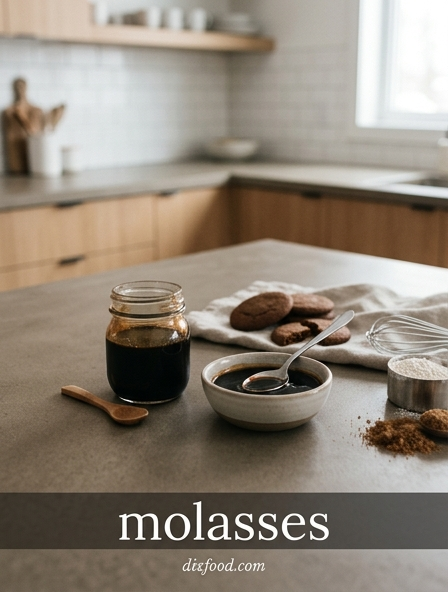
Molasses is the secret powerhouse behind that irresistible chewy texture and deep, caramel-like complexity in your favorite baked treats. Unlike standard refined sugar, molasses introduces moisture and essential acidity, which interacts with leavening agents to produce a soft, dense crumb rather than a dry crunch. Its natural hygroscopic properties help retain hydration long after baking, ensuring your cookies stay tender while developing a rich, golden hue. By balancing intense sweetness with earthy, bittersweet undertones, it transforms simple recipes into gourmet experiences with incredible structural depth. To truly master these flavor profiles in your kitchen, it helps to understand the distinct nuances of Brown Sugar vs. Muscovado Sugar.
The Science of Molasses in Baking
Molasses is more than a sweetener; it is a complex byproduct of the sugar refining process. During the boiling of sugarcane or sugar beet juice, crystals are removed, leaving behind a thick, acidic liquid rich in vitamins and minerals. In baking, its primary scientific contribution lies in its high concentration of invert sugars-glucose and fructose-which behave differently than standard granulated sucrose. These sugars are effective at inhibiting the formation of large sugar crystals, resulting in smoother textures in syrups and glazes. Furthermore, the inherent acidity of molasses, typically ranging from a pH of 5.0 to 5.5, makes it a vital reactant in leavening processes. When introduced to a batter, it initiates an immediate chemical transformation that affects both the structural integrity and the final crumb of the baked good. Understanding this chemistry allows bakers to manipulate the density and rise of everything from heavy gingerbread to light, aerated spice cakes. The presence of minerals like magnesium and calcium also plays a subtle role in strengthening gluten networks, providing a slightly sturdier framework for rich, spiced doughs.
Achieving the Ultimate Golden Hue
The visual appeal of a baked good often dictates the initial sensory experience, and molasses is a primary tool for achieving a deep, golden-brown finish. This coloring is not merely a result of the dark liquid itself being dispersed through a light batter, but rather a complex series of thermal degradations known as caramelization. As the temperature of the dough rises in the oven, the various sugars within the molasses begin to break down and reform into new compounds that reflect light in the amber and mahogany spectrums. Unlike refined white sugar, which requires higher temperatures to caramelize effectively, the components in molasses begin this transformation much earlier. This allows for a rich, saturated hue even in items with shorter baking times, such as soft-baked cookies or quick breads. The specific concentration of iron and other trace minerals in the molasses also contributes to the saturation of the color, preventing the pale, anaemic appearance often found in sweets made solely with granulated sugar. This golden hue serves as a visual indicator of the rich, toasted flavors developed during the baking process.
How Molasses Creates the Perfect Chew
Achieving a soft, chewy texture is often the hallmark of a high-quality molasses ginger cookie. This specific mouthfeel is a direct result of how molasses interacts with moisture and starch during the baking cycle. Because molasses is naturally high in invert sugars, it significantly slows down the recrystallization of sucrose as the baked good cools. In a standard sugar cookie, the sugar often recrystallizes, leading to a crisp or even brittle snap. However, the presence of molasses keeps the internal structure flexible and "bendy." Additionally, the viscous nature of the syrup adds a physical density to the dough that prevents it from becoming overly airy or cake-like. This density ensures that when the cookie collapses slightly after being removed from the oven, it settles into a compact, chewy mass rather than a dry crumb. This effect is amplified when molasses is paired with fats like butter or shortening, creating an emulsion that coats flour proteins and prevents excessive gluten development. The result is a tender, pull-apart texture that remains consistent from the edges to the center of the bake.
Understanding Flavor Depth and Complexity
The flavor profile of molasses is exceptionally multifaceted, offering much more than simple sweetness. It provides a robust foundation of earthy, smoky, and slightly metallic notes that are absent in refined sugars. These complex flavors are the result of the intense heat applied during the sugar extraction process, which concentrates the natural juices of the sugarcane. In the kitchen, this depth allows molasses to act as a flavor enhancer that bridges the gap between sweet and savory. It carries hints of licorice, tobacco, and dark red fruits, which provide a sophisticated backdrop for warm spices like cinnamon, cloves, and nutmeg. Because it contains significant amounts of potassium and iron, there is a distinct mineral quality that cuts through the richness of fats and the cloying nature of high-sugar recipes. This complexity is why molasses is a staple in savory applications as well, such as barbecue sauces and baked beans, where it provides a necessary umami-like depth. By utilizing molasses, a cook can transform a one-dimensional sweet dish into a layered culinary experience that resonates across different parts of the palate.
Hygroscopic Properties and Moisture Retention
One of the most significant functional benefits of molasses in the kitchen is its hygroscopic nature. Hygroscopy refers to the ability of a substance to attract and hold water molecules from the surrounding environment. In the context of baking, this means that molasses-based products are remarkably effective at maintaining their moisture content long after they have left the oven. While cakes made with granulated sugar may begin to dry out and turn stale within twenty-four hours, those containing molasses remain moist and tender for several days. This happens because the molasses molecules form strong hydrogen bonds with water, preventing the moisture from evaporating into the air. This property is particularly crucial for items intended for long-distance shipping or extended shelf life, such as fruitcakes or traditional gingerbread. Furthermore, this moisture retention contributes to a "fudgy" consistency in brownies and bars. Even in small quantities, molasses acts as a natural preservative by keeping the crumb hydrated, which inhibits the staling process and ensures that the texture remains palatable and soft for an extended period.
The Chemical Interaction with Baking Soda
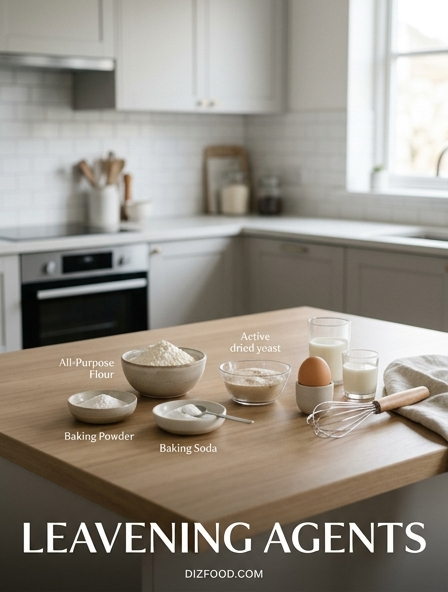
The relationship between molasses and baking soda is a cornerstone of classical leavening. Because molasses is naturally acidic, it serves as the perfect chemical partner for sodium bicarbonate, which is alkaline. When these two ingredients meet in a batter, a neutralized reaction occurs almost instantly, releasing carbon dioxide gas. This gas becomes trapped within the gluten structure of the dough, causing it to expand and rise. This is why many traditional recipes for molasses cookies or soda bread do not require baking powder; the molasses provides the necessary acid to trigger the lift. Beyond just volume, this reaction also influences the final pH of the baked good. By neutralizing the acidity of the molasses, the baking soda helps to mellow out any overly sharp or sour notes, resulting in a more balanced flavor profile. This chemical dance also affects the exterior of the product; the increased alkalinity on the surface of the dough can accelerate browning and promote a distinctive "cracked" appearance on the tops of cookies, which is highly sought after for its rustic aesthetic.
Comparing Light Dark and Blackstrap Varieties
Understanding the differences between light, dark, and blackstrap molasses is essential for any cook, as they are not always interchangeable. These varieties represent different stages of the sugar boiling process, each with unique characteristics that affect both the taste and the chemistry of the recipe.
| Variety | Extraction | Flavor Profile | Best Use |
|---|---|---|---|
| Light | First Boiling | Mild, sweet, and floral. | Pancakes and light cookies. |
| Dark | Second Boiling | Thick, less sweet, robust. | Gingerbread and baked beans. |
| Blackstrap | Third Boiling | Bitter, salty, very dark. | Health supplements or savory glazes. |
Light molasses has the highest sugar content. Dark molasses, often labeled as "robust," is the standard for most baking, providing that classic spicy undertone. Blackstrap molasses is the most concentrated, containing the highest mineral content but also a significant bitterness. Because blackstrap is so intense, it can overwhelm delicate recipes and should be used sparingly or specifically when a recipe calls for its unique, medicinal qualities and high iron content.
Maillard Reaction and Browning Benefits
The Maillard reaction is a chemical process between amino acids and reducing sugars that gives browned food its distinctive flavor. Molasses is a powerhouse for this reaction because it provides both the necessary sugars and a variety of trace proteins and minerals. When heat is applied, these components undergo a complex series of rearrangements that produce hundreds of different flavor compounds. This is distinct from simple caramelization, as it creates savory, toasted, and nutty aromas that add significant character to the crust of breads and the edges of cookies. In recipes where molasses is present, the Maillard reaction occurs more readily at lower temperatures, leading to a more flavorful and aromatic result. This is particularly beneficial in slow-cooked dishes like stews or glazed meats, where the molasses helps develop a rich, savory "bark" or exterior coating. The resulting chemical byproducts not only enhance the taste but also contribute to the antioxidant properties of the final dish, making the food not only more delicious but slightly more chemically stable over time.
Balancing Bitter and Sweet Profiles
Balancing the inherent bitterness of molasses with its sweetness is an art form in recipe development. Because molasses-especially dark and blackstrap varieties-contains concentrated minerals and charred sugar components, it can easily become overpowering if not properly tempered. To achieve a harmonious profile, bakers often pair molasses with ingredients that provide high-note acidity or bright flavors. For instance, the use of orange zest, ginger, or apple cider vinegar can cut through the heavy, base-note bitterness of the syrup. Salt also plays a critical role; it suppresses the perception of bitterness while enhancing the underlying sweetness and mineral complexity. In savory cooking, the bitter edge of molasses is often balanced with umami sources like soy sauce or spicy elements like cayenne pepper. The goal is to use the molasses as a grounding element that adds weight to the flavor profile without leaving a lingering, unpleasant aftertaste. When balanced correctly, the bitterness adds a sophisticated "dark" quality to sweets, preventing them from being cloying and giving them a more adult, refined palate appeal.
Essential Tips for Soft Molasses Textures
Creating the perfect soft molasses texture requires attention to detail during the mixing and storage phases. To ensure your baked goods remain tender rather than tough, consider the following technical tips:
- Always measure molasses in a greased measuring cup or one coated with non-stick spray to ensure the full amount reaches the bowl.
- Avoid over-mixing the dough once the flour is added; excess agitation develops gluten, which can turn a chewy molasses cookie into a hard one.
- Incorporate a small amount of additional fat, like oil or extra butter, to complement the molasses' moisture-retaining properties.
- Store finished products in an airtight container with a slice of bread; the molasses will draw moisture from the bread to maintain its softness.
- Check oven temperatures with a thermometer; over-baking even by a minute can cause the sugars to harden into a brittle state.
By following these steps, you can maximize the unique physical properties of molasses. The result will be a consistent, soft-crumbed texture that highlights the syrup's unique ability to stay hydrated and pliable throughout its shelf life.

Comments