
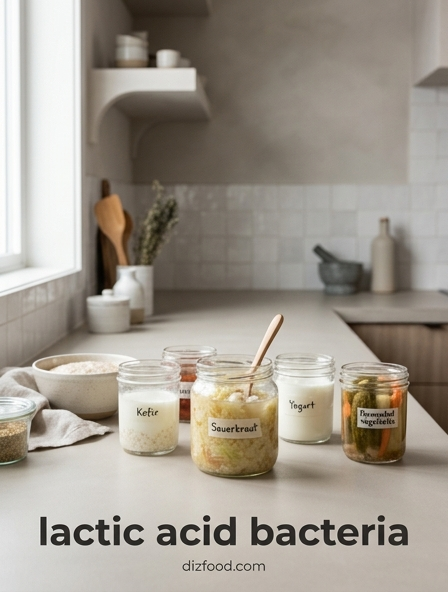
The Science of Lactic Acid Bacteria in Sourdough
Lactic Acid Bacteria (LAB) are the primary drivers behind the biological complexity of sourdough. These gram-positive, non-spore-forming organisms specialize in converting simple sugars into organic acids through fermentation. In a sourdough starter, species such as Lactobacillus sanfranciscensis dominate the environment, thriving in the acidic, anaerobic conditions created by the hydration of flour. Unlike commercial baker's yeast, LAB are exceptionally resilient and adaptable to various cereal substrates.
The metabolic pathways of LAB are divided into two categories: homofermentative and heterofermentative. Homofermentative bacteria primarily produce lactic acid, while heterofermentative strains produce a combination of lactic acid, acetic acid, carbon dioxide, and ethanol. This scientific diversity allows for a broad spectrum of chemical reactions that alter the dough's molecular structure. The presence of LAB also lowers the pH of the dough, which activates specific cereal enzymes and inhibits the growth of unwanted pathogenic microorganisms, ensuring a stable and safe fermentation environment for the baker.
Developing the Signature Tangy Sourdough Flavor
The characteristic flavor of sourdough is not a single note but a complex orchestration of organic compounds generated during fermentation. Lactic acid provides a mild, yogurt-like creaminess, while acetic acid contributes a sharper, more vinegar-like punch. The balance between these two determines the final taste profile of the bread. Factors such as hydration levels and flour types significantly influence which acids become dominant.
- Lactic Acid: Produced more heavily in high-hydration (wet) doughs and warmer temperatures.
- Acetic Acid: Encouraged by lower hydration (stiffer) doughs and cooler fermentation temperatures.
- Amino Acids: LAB break down proteins into precursors that undergo the Maillard reaction during baking, enhancing crust flavor.
Beyond simple acidity, LAB produce volatile aromatic compounds including esters and alcohols. These molecules interact with the volatile components produced by yeast to create the deep, nutty, and fruity aromas associated with artisanal loaves. As fermentation time increases, these flavors deepen, allowing the sourdough to develop a profile that is impossible to replicate with chemical leavening agents or rapid commercial yeast methods.
How Acidity Affects Sourdough Crumb and Texture
The acidity produced by Lactic Acid Bacteria plays a critical role in the physical transformation of the dough's crumb structure. As the pH drops below 4.5, several structural changes occur within the gluten network. While high acidity can eventually weaken gluten if left unchecked, the controlled rise in acidity during a standard fermentation period helps to soften the crumb and improve the overall "mouthfeel" of the bread.
Acidity also influences the activity of proteases-enzymes that break down proteins. In a slightly acidic environment, these enzymes work to modify the glutenin and gliadin proteins, making the dough more extensible. This leads to a more open, airy crumb structure with thin cell walls. Furthermore, the acid environment influences starch gelatinization during the bake. A lower pH reduces the activity of alpha-amylase, preventing the bread from becoming overly gummy or sticky. The result is a resilient, elastic crumb that recovers its shape when pressed, a hallmark of high-quality sourdough fermentation.
Balancing Lactic and Acetic Acid for Better Bread
Achieving the perfect sourdough requires a deliberate balance between lactic and acetic acids. Bakers often manipulate environmental variables to favor one metabolic pathway over the other. Lactic acid is often preferred for a "sweet" sourdough, while acetic acid is favored for those seeking a more traditional, pungent sourness. The following table illustrates how different factors shift the balance between these two critical acids:
| Factor | Favors Lactic Acid | Favors Acetic Acid |
|---|---|---|
| Temperature | Warm (28°C - 32°C) | Cool (10°C - 18°C) |
| Hydration | High (Wet dough) | Low (Stiff dough) |
| Flour Type | White / Sifted | Whole Grain / Rye |
| Fermentation Time | Shorter | Longer / Retarded |
By adjusting these parameters, a baker can customize the flavor intensity. For instance, a long, cold fermentation in the refrigerator (retarding) allows heterofermentative bacteria to produce more acetic acid, resulting in a more robust and tangy loaf. Conversely, a fast, warm bulk fermentation yields a milder, more buttery flavor profile.
The Symbiotic Relationship Between Yeast and Bacteria
Sourdough is a unique ecosystem defined by the mutualistic relationship between wild yeast and Lactic Acid Bacteria. In a stable starter, LAB outnumber yeast cells by a ratio of approximately 100:1. This coexistence is possible because the specific species involved do not compete for the same food sources. For example, the yeast Kazachstania exigua cannot metabolize maltose, which is the primary sugar consumed by Lactobacillus sanfranciscensis. This ensures both organisms have adequate nutrition.
The bacteria provide an acidic environment that protects the yeast from competing molds and harmful bacteria. In return, the yeast produces vitamins and amino acids that stimulate the growth of the LAB. Additionally, as the yeast ferments sugars into carbon dioxide, it creates the leavening power necessary for the bread to rise, while the LAB provide the structural and flavor modifications. This biological harmony creates a self-sustaining culture that can be maintained for decades, or even centuries, if fed regularly with fresh flour and water.
Temperature Control for Optimal Microbial Activity
Temperature is perhaps the most powerful tool a baker has to control the activity of Lactic Acid Bacteria. Most sourdough-associated LAB are mesophilic, meaning they thrive in moderate temperatures. However, different species and metabolic processes have different "sweet spots." When the dough temperature is kept between 25°C and 30°C, LAB activity is at its peak, leading to rapid acid production and faster fermentation times.
If the temperature drops into the "retardation" zone (4°C to 10°C), bacterial metabolism slows significantly, but does not stop. During this cold phase, the production of acetic acid becomes more pronounced relative to lactic acid. Many professional bakers use a "bulk" fermentation at room temperature to establish volume, followed by a long cold proof to develop flavor. Managing these thermal shifts allows for precise control over the dough's rheology and the final aromatic profile of the loaf, proving that the kitchen thermometer is as essential as the scale in sourdough baking.
Enzymatic Breakthroughs in Sourdough Fermentation
Lactic Acid Bacteria do more than just produce acid; they act as catalysts for significant enzymatic breakthroughs within the dough. One of the most important functions is the activation of phytase. Flour naturally contains phytic acid, which binds to minerals like iron, zinc, and magnesium, preventing their absorption in the human digestive tract. The acidic environment created by LAB activates cereal phytases, which break down phytic acid and release these essential minerals, making sourdough more nutritious than unfermented bread.
Additionally, LAB contribute to the breakdown of complex carbohydrates and proteins through the secretion of extracellular enzymes. This process, known as proteolysis, reduces the gluten content to a degree and breaks down FODMAPs (fermentable oligosaccharides, disaccharides, monosaccharides, and polyols). This enzymatic "pre-digestion" is why many individuals with mild gluten sensitivities find sourdough easier to tolerate. The synergy between bacterial enzymes and the natural enzymes in the flour transforms the raw ingredients into a more bioavailable and digestible food product.
How Lactic Acid Bacteria Improves Dough Elasticity
The physical handling properties of dough are significantly enhanced by the presence of Lactic Acid Bacteria. This is largely due to the production of exopolysaccharides (EPS). Some strains of LAB, particularly during long fermentation periods, synthesize these long-chain sugar polymers from the sucrose in the flour. EPS act as natural hydrocolloids, which improve the water-binding capacity of the dough and reinforce the protein network.
- Enhanced Hydration: EPS help the dough retain more water, leading to a moister crumb.
- Improved Strength: The polymers interact with gluten strands, providing better gas retention and a higher loft.
- Better Workability: Doughs influenced by high LAB activity often feel more cohesive and less "shaggy," making them easier to shape by hand.
These biological dough improvers eliminate the need for the synthetic additives found in commercial breads. By allowing LAB sufficient time to produce these natural polymers, bakers can achieve a high-hydration dough that remains easy to handle and produces a voluminous, structurally sound loaf of bread.
The Role of Flour Selection in Bacterial Diversity
The type of flour used in a sourdough starter acts as the primary source of microbial inoculants and nutrients, dictating the diversity of the Lactic Acid Bacteria colony. Whole grain flours, such as rye and whole wheat, carry a higher microbial load and more minerals than highly processed white flour. These minerals act as buffers, preventing the pH from dropping too quickly and allowing the bacteria to remain active for longer periods.
Rye flour is particularly noted for its ability to foster a diverse and vigorous LAB population. It contains high levels of pentosans and fermentable sugars that specifically favor heterofermentative bacteria. When a baker switches from a white flour feed to a whole grain feed, they often notice an immediate increase in fermentation vigor and a change in the aroma of the starter. This shift occurs because the different nutrient profiles encourage different bacterial strains to become dominant. Therefore, flour selection is not just about flavor or texture in the final bread; it is about managing the biological makeup of the microbial community itself.
Enhancing Sourdough Shelf Life Through Natural Acidity
One of the most practical benefits of Lactic Acid Bacteria in the kitchen is their ability to naturally extend the shelf life of bread. The organic acids produced during fermentation act as natural preservatives by lowering the pH to a level that inhibits the growth of common bread molds and "rope" bacteria (Bacillus mesentericus). This acidic environment is hostile to the microorganisms responsible for spoilage, allowing sourdough to remain fresh for days longer than yeast-leavened bread.
In addition to microbial protection, LAB-induced acidity slows down the process of starch retrogradation, which is the primary cause of staling. The acids and exopolysaccharides produced by the bacteria interfere with the recrystallization of starch molecules, keeping the crumb soft and pliable for an extended period. Because of these natural chemical defenses, sourdough does not require the calcium propionate or other synthetic preservatives typically found in industrial loaves. The result is a clean-label product that maintains its sensory qualities from the moment it leaves the oven until the last slice is consumed.



Comments