
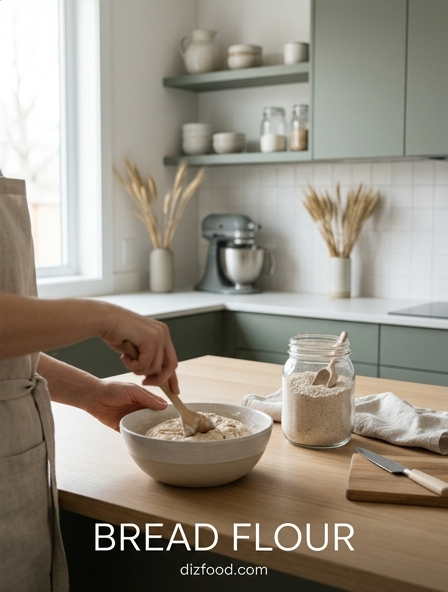
The Role of High Protein Content in Bread Flour
The defining characteristic of bread flour is its significantly high protein content, which typically ranges from 12% to 14%. This protein concentration is substantially higher than that found in pastry or all-purpose flours. The two primary proteins involved, glutenin and gliadin, are the architectural foundation of any yeast-leavened product. When these proteins are hydrated and agitated through mixing or kneading, they form a complex web of gluten. This structural matrix is essential for supporting the heavy additions of fats, seeds, or grains often found in artisanal recipes.
- Glutenin: Provides the strength and elasticity required for the dough to hold its shape.
- Gliadin: Contributes to the extensibility, allowing the dough to stretch without tearing.
- Protein Percentage: A 12.7% protein level is considered the industry standard for high-quality bread flour.
In the kitchen, choosing bread flour over lower-protein alternatives ensures that the finished loaf has the necessary internal scaffolding. Without this specific protein density, heavy doughs would collapse under their own weight during the proofing stage. Therefore, the protein content acts as the primary engine for structural integrity in professional baking.
Understanding Gluten Development and Elasticity
Gluten development is a biological and mechanical process that transforms a loose mixture of flour and water into a cohesive, elastic mass. When moisture is introduced to bread flour, the protein molecules begin to uncoil and link together. Through the physical act of kneading, these links are organized into long, resilient chains. This process is what gives bread dough its characteristic "spring-back" quality, known as elasticity. A well-developed gluten network can be tested using the windowpane method, where a small piece of dough is stretched thin enough to see light through it without breaking.
- Hydration: Water molecules activate the dry proteins, beginning the chemical bonding.
- Agitation: Kneading aligns the protein strands into a structured, organized web.
- Resting: Autolyse phases allow the gluten to relax, making the dough easier to shape later.
The high protein count in bread flour facilitates a much denser and more robust gluten network than all-purpose flour could ever achieve. This elasticity is not just about texture; it is a functional requirement for any bread that needs to undergo multiple rises or long fermentation periods. The stronger the gluten, the more pressure the dough can withstand.
Bread Flour vs All Purpose Flour for Texture
The choice between bread flour and all-purpose flour significantly alters the final mouthfeel and crumb of the baked good. While all-purpose flour is designed for versatility, it often lacks the muscularity needed for chewy, rustic breads. Bread flour produces a crumb that is firm and resilient, whereas all-purpose flour results in a softer, more crumbly texture suitable for biscuits or cakes. This difference is most noticeable in the crust development and the size of the air pockets within the loaf.
| Feature | Bread Flour | All-Purpose Flour |
|---|---|---|
| Protein Content | 12% - 14.5% | 10% - 11.5% |
| Crumb Result | Chewy and Airy | Soft and Tender |
| Primary Use | Sourdough, Bagels | Cookies, Muffins |
Bakers often find that substituting all-purpose flour in a bread recipe leads to a "slack" dough that spreads horizontally rather than rising vertically. Bread flour's ability to maintain its shape makes it the superior choice for free-form loaves. Understanding this distinction allows the home cook to manipulate the final texture of their bread by selecting the flour with the appropriate protein profile.
How Gluten Creates the Signature Chew
The "chew" of a high-quality loaf of bread is one of its most desirable sensory attributes, and it is a direct result of the density of the gluten network. When you bite into a bagel or a slice of sourdough, the resistance you feel is the physical strength of the protein bonds formed by bread flour. High protein levels ensure that the walls of the air bubbles within the bread are thick and resilient. This thickness provides the satisfying tug that defines artisanal bread, contrasting sharply with the light, airy, and almost dissolving texture of white sandwich bread.
This chewiness is further enhanced by the interaction between gluten and moisture. Because bread flour can absorb and retain more water, the gluten strands remain hydrated and flexible even after the baking process is complete. This prevents the bread from becoming overly brittle. For those seeking a professional-grade crust and a hearty interior, the high gluten potential of bread flour is the only way to achieve that specific, dense mouthfeel. It is the structural "muscle" of the flour that creates this lasting impression on the palate.
The Science of Water Absorption in High Protein Dough
One of the more technical aspects of working with bread flour is its superior water absorption capacity. Because it contains more protein, it requires a higher ratio of liquid to achieve a workable consistency. This is known as the "absorption rate" in professional baking. High-protein flours can often absorb up to 65% to 75% of their weight in water, which is significantly higher than the 50% to 60% typically seen with lower-protein pastry flours. This high hydration is beneficial for several reasons:
- Increased Yield: More water in the dough results in a larger volume of finished bread.
- Shelf Life: Better hydration keeps the crumb moist for a longer period after baking.
- Gelatinization: During baking, the extra water helps starch granules swell, contributing to the final structure.
Managing this hydration is key to mastering bread flour. If a baker uses the same amount of water for bread flour as they would for all-purpose flour, the resulting dough will be dry, stiff, and difficult to knead. Properly hydrated bread flour becomes supple and smooth, providing the perfect environment for yeast activity and subsequent gas expansion.
Building Strong Structure for Better Rise
A successful rise is the result of a delicate balance between gas production and structural containment. Bread flour provides the "balloon" that captures the carbon dioxide produced by the yeast. Without a strong protein structure, these gas bubbles would simply pop and escape to the surface, resulting in a flat, dense loaf. The strength of bread flour allows the dough to expand significantly during the proofing stages while maintaining its internal integrity. This is especially important for breads that require a long, slow fermentation, which develops deeper flavors.
As the yeast consumes sugars and releases gas, the gluten network stretches to accommodate the increasing volume. In bread flour, these "walls" are strong enough to hold the gas even as they become thinner during expansion. This structural strength also prevents the dough from collapsing when handled or moved into the oven. Ultimately, the height and volume of a loaf are a direct reflection of the flour's ability to build and maintain this skeletal framework. A taller rise is almost always synonymous with the use of high-protein bread flour, providing that iconic rounded silhouette seen in professional bakeries.
Enhancing Crumb Texture with Bread Flour
The "crumb" refers to the pattern of holes and the general texture of the interior of a loaf of bread. Using bread flour allows for a more varied and interesting crumb structure, ranging from the tight, even crumb of a sandwich loaf to the wild, open "alveoli" of a ciabatta. The high protein content ensures that even when the air pockets are large, the surrounding bread remains structurally sound and does not become soggy. This is critical for achieving a professional finish where the interior is both light and substantial.
- Alveoli Development: High protein allows for large, irregular holes without structural failure.
- Crumb Softness: Proper hydration of bread flour leads to a moist, soft interior.
- Uniformity: The strength of the flour helps maintain a consistent crumb throughout the entire loaf.
When bakers talk about "shaping" the crumb, they are essentially discussing how they manipulate the gluten in bread flour. By adjusting the kneading time and hydration levels, a baker can use the same bag of bread flour to create vastly different internal textures. This versatility is why bread flour remains the gold standard for anyone serious about the craft of baking.
Why Strong Flour is Critical for Yeast Performance
Yeast and bread flour have a symbiotic relationship in the baking process. Yeast provides the biological leavening through the production of carbon dioxide, but that gas is useless without a "strong" flour to trap it. In this context, "strong" is a professional term for high-protein flour. Strong flour can withstand the acidic environment created during fermentation, which can actually break down weaker proteins found in all-purpose or cake flours. This resilience ensures that the dough continues to rise steadily over several hours.
- Gas Retention: Stronger gluten walls prevent CO2 from leaking out of the dough.
- Enzymatic Activity: Bread flour often contains malted barley flour, which provides enzymes that help yeast thrive.
- Structural Support: The flour supports the weight of the yeast-produced bubbles during the final proof.
If a baker uses a weak flour, the fermentation process might actually cause the dough to "over-proof" and collapse prematurely because the protein bonds cannot handle the pressure. By using bread flour, the baker provides the yeast with a sturdy cage, ensuring that every bit of gas produced contributes to the final volume and lightness of the bread.
The Connection Between Protein and Oven Spring
Oven spring is the final, rapid expansion of dough that occurs during the first ten minutes of baking. This phenomenon is caused by the sudden increase in yeast activity and the expansion of trapped gases due to the high heat. Bread flour is essential for maximizing oven spring because the gluten must be both elastic enough to expand and strong enough to set quickly. If the protein content is too low, the dough will not have the "recoil" necessary to push upward, often resulting in a loaf that spreads out rather than rising up.
The high protein in bread flour also contributes to a better crust through the Maillard reaction. This chemical reaction between amino acids (proteins) and reducing sugars results in the deep browning and complex flavors associated with high-quality bread. Therefore, the protein in bread flour serves two roles in the oven: it provides the structural tension needed for a dramatic vertical rise, and it facilitates the chemical reactions that produce a dark, flavorful, and crispy crust. Without high protein, the bread would likely remain pale and squat, lacking the professional "spring" that characterizes a perfect bake.
Achieving Bakery Quality Results at Home
The transition from a novice baker to a proficient one often begins with the simple switch from all-purpose flour to bread flour. This single ingredient change solves many common home-baking issues, such as flat loaves, gummy interiors, or lack of crust color. To achieve bakery-quality results, it is important to treat bread flour with the respect its high protein content demands. This includes ensuring proper hydration and allowing for adequate kneading time to fully develop those crucial gluten networks. Using bread flour provides a margin for error that weaker flours simply do not offer.
- Weight Measurement: Always use a scale to measure bread flour, as its density can vary.
- Autolyse: Allow the flour and water to sit for 20 minutes before adding salt and yeast to jumpstart gluten formation.
- Temperature Control: High protein doughs perform best when the internal temperature is monitored during fermentation.
By understanding the science behind the protein content and gluten development, home bakers can consistently produce loaves with the same chew, rise, and crust found in professional artisanal shops. Bread flour is the most effective tool in the kitchen for anyone looking to master the art of leavened dough.



Comments