
The Science of Fast Aeration
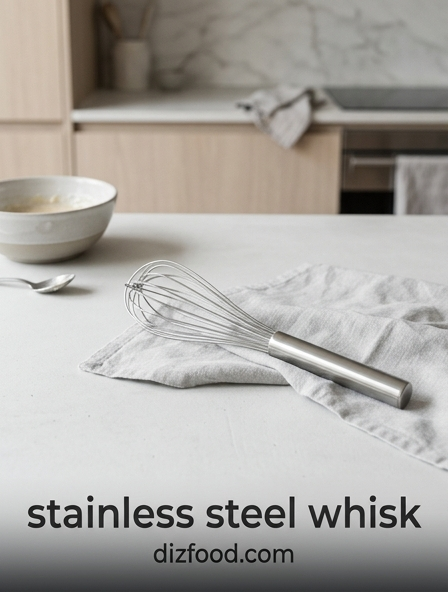
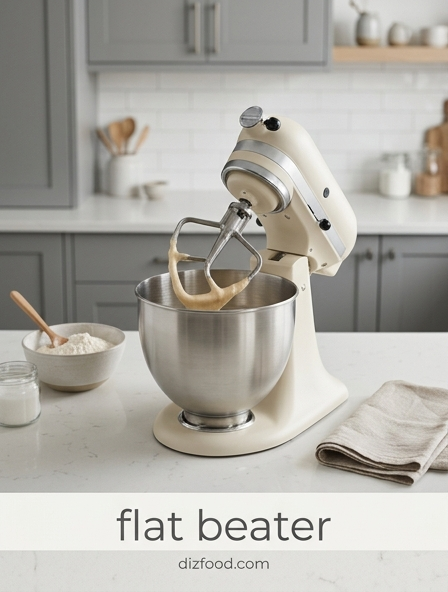
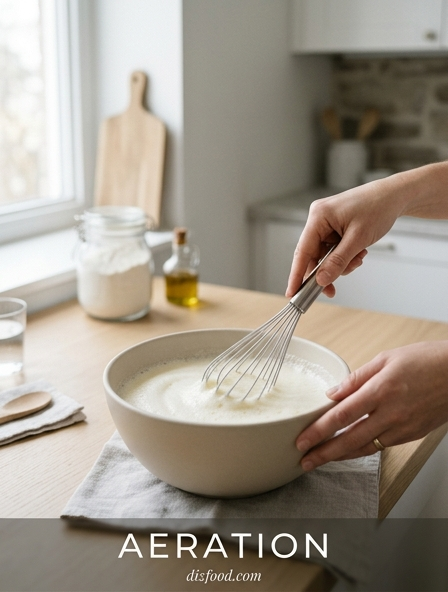
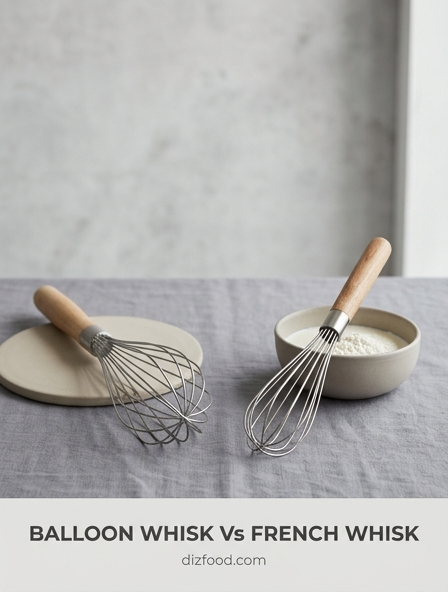
The efficiency of a stainless steel whisk lies in its ability to facilitate rapid gas-liquid dispersion. As the multiple loops of polished steel slice through a liquid, they create localized areas of low pressure and turbulence. This physical interaction breaks the surface tension of the liquid, drawing in atmospheric air and trapping it within the molecular structure of the ingredients. The specific geometry of a balloon whisk, for instance, maximizes the number of wires that come into contact with the substance simultaneously, significantly increasing the aeration rate compared to flat tools.
- Increased surface area contact per rotation.
- Creation of uniform micro-bubbles for stable foams.
- Disruption of cohesive forces in viscous liquids.
- Enhanced kinetic energy transfer from hand to bowl.
For high-protein liquids like egg whites or heavy cream, this mechanical agitation is essential. The stainless steel wires denature the proteins, allowing them to uncoil and bond around the newly introduced air pockets. Because steel is rigid and does not flex excessively under resistance, it maintains the necessary force to build structure quickly, ensuring that the aeration process is both consistent and highly effective for professional culinary applications.
Durability and Hygiene of Stainless Steel
In the demanding environment of a commercial or home kitchen, material integrity is paramount. Stainless steel is favored for whisks because it is a non-porous alloy, typically composed of iron, chromium, and nickel. This composition creates a passive layer of chromium oxide that prevents rust and corrosion, even when exposed to acidic ingredients like citrus juices or vinegars. Unlike wood or certain plastics, stainless steel does not harbor microscopic fissures where bacteria can proliferate, making it the most hygienic choice for food preparation.
| Feature | Stainless Steel Benefit |
|---|---|
| Non-Reactive | Prevents metallic aftertaste in acidic foods. |
| Hardness | Resists scratching and structural warping. |
| Non-Porous | Does not absorb odors or food colors. |
The structural longevity of a stainless steel whisk is unmatched. It can withstand high-impact drops and heavy-duty scrubbing without losing its shape or the tension of its wires. From a sanitation perspective, the ability to withstand high-temperature sterilization ensures that every use is as safe as the first. This combination of physical toughness and biological safety makes it an essential tool for any serious cook.
Achieving Perfect Texture in Record Time
The primary goal of whisking is often the elimination of lumps and the creation of a homogenous mixture. Stainless steel whisks achieve this by providing the necessary shearing force to break down dry clumps of flour or cocoa powder within a liquid base. The rigid nature of the steel allows the user to apply direct pressure against the sides and bottom of the bowl, ensuring that no pocket of dry ingredient remains unmixed. This efficiency is crucial when working with time-sensitive recipes where over-mixing can lead to gluten over-development.
- Start with a slow circular motion to incorporate dry elements.
- Increase speed to a figure-eight pattern for maximum shear.
- Scrape the edges frequently using the wire tips.
- Finish with rapid, short strokes to polish the texture.
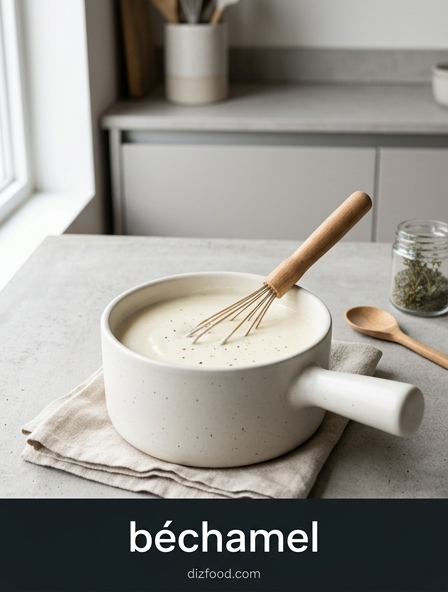
Whether preparing a delicate béchamel or a vigorous pancake batter, the speed at which stainless steel integrates components is superior to flexible alternatives. The weight of the metal helps pull the whisk through denser mixtures, reducing the manual effort required to reach a silky-smooth consistency. By minimizing the time spent mixing, cooks can maintain the optimal temperature and freshness of their ingredients.
Ergonomic Design for Professional Comfort
Professional chefs often spend hours performing repetitive motions, making the ergonomics of a whisk a vital consideration. A high-quality stainless steel whisk is designed with a balanced weight distribution between the handle and the head. This balance ensures that the center of gravity sits comfortably within the palm, reducing the strain on the wrist and forearm muscles during extended periods of whipping. Handles are often weighted or contoured to provide a secure grip, preventing the tool from slipping even when hands are wet or greasy.
Modern designs frequently incorporate a teardrop shape or a sealed handle to enhance comfort. The sealed handle prevents liquid and debris from entering the interior of the tool, maintaining a consistent weight and ensuring long-term balance. Furthermore, the length of the handle is calibrated to provide maximum leverage, allowing the user to generate significant force with minimal physical exertion. By focusing on the intersection of physics and human anatomy, manufacturers produce whisks that support the chef's technique rather than hindering it through fatigue or discomfort. This ergonomic focus is what transforms a simple kitchen utensil into a precision instrument capable of producing world-class results without physical toll.
Maximizing Volume in Meringues and Creams
The pursuit of volume in pastry work is a delicate balance of air entrapment and structural stability. Stainless steel whisks are the gold standard for this task because they remain cold and do not transfer heat to the ingredients, which is essential for keeping fat globules stable in heavy cream. When whipping meringues, the precision of the wire gauge ensures that the egg white proteins are stretched to their maximum capacity without being prematurely broken. The result is a foam that is both voluminous and resilient.
- Maintains cool temperatures for better fat stability.
- Provides rigid resistance to build strong protein lattices.
- Allows for precise control over peak formation.
- Enables rapid recovery of volume if the mixture settles.
A stainless steel whisk allows the cook to feel the changing resistance of the mixture as it moves from soft to stiff peaks. This tactile feedback is vital for preventing over-whipping, which can cause the mixture to grain or collapse. The high number of wires in a professional-grade whisk ensures that every stroke introduces more air than a standard domestic version, leading to lighter, fluffier results in a fraction of the time. This efficiency is indispensable for creating delicate mousses and soufflés.
Why Wire Gauge Matters for Success
Not all stainless steel whisks are created equal; the thickness, or gauge, of the wires determines the tool's suitability for specific tasks. Thinner wires provide more flexibility and are ideal for light tasks like aerating egg whites or blending thin liquids where high-speed movement is required. Conversely, thicker gauge wires offer the rigidity needed to move through heavy batters, thick custards, or stiff doughs. Choosing the correct gauge prevents the wires from permanently deforming when faced with resistance.
| Wire Type | Best Use Case | Key Advantage |
|---|---|---|
| Fine Gauge | Meringues and Creams | Maximum aeration speed. |
| Medium Gauge | General Batters | Versatility and balance. |
| Heavy Gauge | Pan Sauces and Roux | Durability in thick mixtures. |
The spacing between the wires is also influenced by the gauge. Properly spaced wires allow for the easy passage of ingredients, preventing the "clogging" effect often seen with poorly designed tools. In a professional setting, having a range of whisks with different gauges ensures that the chef can tailor their technique to the specific viscosity of the recipe, ensuring perfect results every time.
Superior Heat Resistance for Hot Sauces
One of the most significant advantages of a stainless steel whisk is its ability to perform directly over a heat source. When preparing a roux or a delicate hollandaise, the whisk must withstand the high temperatures of the stovetop without melting, warping, or leaching chemicals. Stainless steel can easily handle temperatures exceeding 500 degrees Fahrenheit, which is far beyond the requirements of any standard culinary application. This heat resistance allows for continuous whisking while a sauce thickens, preventing scorching at the bottom of the pan.
Furthermore, the thermal conductivity of stainless steel is predictable. While the wires may heat up, most professional whisks feature insulated or hollow handles that remain cool to the touch, protecting the user. This allows for the precise execution of techniques that require constant agitation during the heating process, such as tempering eggs for a custard or emulsifying butter into a hot reduction. Because the material does not degrade when exposed to heat, a stainless steel whisk remains a reliable companion for tasks that would destroy plastic or silicone-coated alternatives, ensuring a smooth, lump-free finish for every hot preparation.
Effortless Emulsification Techniques
Emulsification is the process of combining two liquids that naturally repel each other, such as oil and vinegar. To achieve a stable emulsion, the oil must be broken into tiny droplets and dispersed evenly throughout the aqueous phase. A stainless steel whisk is the ideal tool for this because of the high shear force it generates. The sharp edges of the wires and the speed of the manual stroke facilitate the mechanical breakdown of fat molecules, allowing stabilizers like mustard or egg yolks to coat them effectively.
- Combine the continuous phase and emulsifier in a bowl.
- Begin whisking vigorously to create a vortex.
- Slowly drizzle the oil in a thin, steady stream.
- Continue whisking until the mixture thickens and turns opaque.
The rigidity of the stainless steel wires ensures that the force applied is transferred directly to the liquid, rather than being absorbed by the tool. This efficiency is critical for preventing the emulsion from breaking. Whether creating a silky mayonnaise or a vibrant vinaigrette, the stainless steel whisk provides the control and power necessary to achieve a permanent, creamy suspension that enhances the mouthfeel and flavor of the final dish.
Long Term Value vs Plastic Alternatives
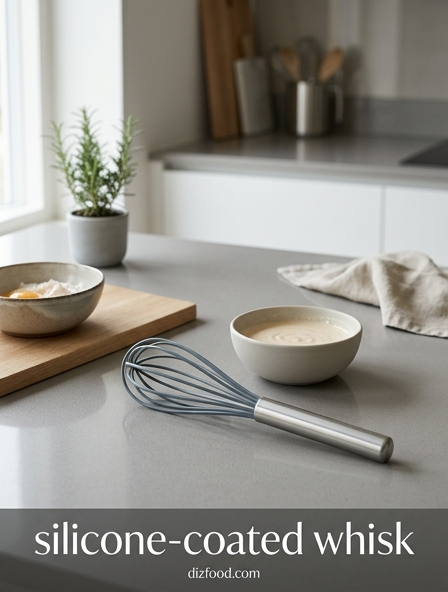
While plastic or silicone-coated whisks may appear attractive due to their lower initial cost or non-scratch marketing, they often represent a poor long-term investment. Plastic whisks are prone to snapping under pressure and can melt if left leaning against a hot pan. Furthermore, the coating on silicone whisks can peel or crack over time, potentially contaminating food with debris. In contrast, a high-quality stainless steel whisk is virtually indestructible when used as intended, often lasting for decades without any loss in performance.
From an economic perspective, the cost-per-use of a stainless steel whisk is significantly lower than its plastic counterparts. It does not require replacement due to wear, staining, or odor absorption. Moreover, stainless steel is a highly recyclable material, making it a more environmentally conscious choice compared to petroleum-based plastics that eventually end up in landfills. For the serious cook, the reliability and superior performance of steel far outweigh the minor risk of scratching certain non-stick pans. Choosing steel is a commitment to quality, durability, and professional standards that yields consistent results year after year, making it the most cost-effective choice for any functional kitchen.
Essential Maintenance for Lasting Performance
To ensure a stainless steel whisk maintains its luster and structural integrity, proper maintenance is essential. While stainless steel is highly resistant to corrosion, prolonged exposure to harsh chemicals or standing water can lead to pitting or dulling of the finish. Cleaning the whisk immediately after use is the best practice, as it prevents food particles from drying and hardening between the wires, which can be difficult to remove later. Most stainless steel whisks are dishwasher safe, though hand washing is often recommended to ensure the longevity of the handle seals.
- Rinse with warm water immediately after whisking thick batters.
- Use a soft-bristled brush to reach the inner wire junctions.
- Dry thoroughly before storing to prevent water spots.
- Store in a utensil crock or on a hanging rack to maintain wire shape.
If the whisk develops a dull film due to hard water minerals, a simple soak in a mild solution of vinegar and water will restore its original shine. Avoid using abrasive steel wool for cleaning, as this can scratch the polished surface and compromise the chromium oxide layer. By following these simple care steps, a stainless steel whisk will remain a high-performing and hygienic tool in your culinary arsenal for a lifetime.

Comments