
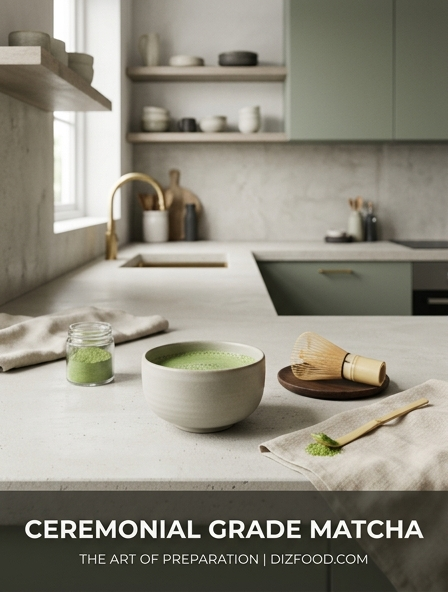
Optimal Water Temperature for Ceremonial Matcha
The temperature of the water used to prepare ceremonial grade matcha is perhaps the most critical factor in determining the final flavor profile. Unlike black teas that require boiling water, matcha is highly sensitive to heat. Using water that is too hot will scorch the delicate tencha leaves, resulting in an unpleasantly bitter and astringent brew that masks the natural umami sweetness of the powder.
- Ideal Range: 160°F to 175°F (70°C to 80°C).
- Boiling Water Impact: Causes oxidation of chlorophyll and loss of vibrant green color.
- Cooling Method: If you do not have a temperature-controlled kettle, pour boiling water into a separate vessel and let it sit for two minutes before adding it to the tea.
- Effect on Froth: Proper temperature ensures the proteins in the tea can form a stable, creamy foam without breaking down prematurely.
Maintaining this specific temperature range allows the L-theanine and amino acids to dissolve effectively while keeping the catechins-which provide bitterness-balanced. This results in a smooth, mellow, and revitalizing bowl of tea that honors the quality of the ceremonial grade leaves.
Sifting Techniques for Lump Free Texture
Even the highest quality ceremonial matcha is prone to clumping due to static electricity and the extreme fineness of the grind. Sifting is an essential step that ensures every particle of powder is separated, allowing for a perfectly smooth suspension in water. Skipping this step often results in small, dry lumps of powder at the bottom of the bowl, which ruins the velvety mouthfeel associated with the traditional experience.
- Place a fine-mesh stainless steel sifter directly over your dry, preheated matcha bowl (chawan).
- Measure the desired amount of matcha using a bamboo scoop (chashaku).
- Use the back of the scoop or a small wooden spatula to gently press the powder through the mesh.
- Check the bottom of the sifter to ensure no residue remains trapped in the wire weave.
The resulting powder should look like a light, airy vibrant green cloud. This increased surface area allows the water to penetrate the tea instantly during the whisking process, preventing the formation of "micro-clumps" that are impossible to break once the liquid has been added.
Mastering the Bamboo Whisk Motion
The traditional bamboo whisk, or chasen, is designed with delicate tines that are specifically carved to aerate the tea. To achieve a professional-grade froth, one must master the wrist motion rather than relying on arm strength. The goal is to create a suspension of the tea particles within the water while introducing tiny air bubbles to create a thick, creamy head of foam.
- Avoid Circular Motion: Stirring in circles does not provide enough agitation to create foam.
- The "W" or "M" Motion: Move the whisk rapidly in a zig-zag pattern, focusing on the center of the bowl.
- Wrist Flexibility: Keep the wrist loose and flick it back and forth with speed, keeping the arm relatively still.
- Pressure Control: The tines should graze the bottom of the bowl but never be pressed down hard, which can damage the bamboo.
As the foam begins to thicken, gradually lift the whisk toward the surface to break any large bubbles, leaving only a fine, dense micro-foam. Finishing with a gentle "S" shape stroke through the foam helps to settle the liquid and create a beautiful presentation.
Selecting the Right Matcha Bowl
The matcha bowl, known as a chawan, is more than just a drinking vessel; its shape and material are functional requirements for the whisking process. A proper chawan provides the necessary space for the whisk to move freely and helps regulate the temperature of the tea during the preparation and drinking stages.
| Feature | Benefit |
|---|---|
| Wide Diameter | Allows for the vigorous "W" whisking motion without hitting the sides. |
| High Walls | Prevents splashes and spills while aerating the tea at high speeds. |
| Ceramic/Clay | Retains heat effectively to keep the tea at the optimal drinking temperature. |
| Flat Bottom | Ensures the whisk can reach all the powder for an even suspension. |
When selecting a bowl, consider the texture of the interior glaze. A smooth glaze prevents the tea from sticking to the sides, while a slightly weighted base provides stability during the whisking process. Handcrafted bowls often feature a "tea pool" at the bottom, a slight indentation that helps collect the last sips of the concentrated liquid.
Perfecting the Matcha to Water Ratio
The balance between tea powder and water determines the intensity, texture, and flavor profile of the matcha. While personal preference plays a role, adhering to traditional ratios ensures the tea is neither too thin and watery nor too thick and overwhelming. For ceremonial grade matcha, the goal is a balanced infusion that highlights the complex umami notes.
- Standard Usucha (Thin Tea): 1.5 to 2 scoops (approx. 2 grams) per 60-80ml of water.
- Koicha (Thick Tea): 3 to 4 scoops (approx. 4 grams) per 30-40ml of water.
- Water Measurement: Use a small measuring cup or a traditional hishaku ladle for consistency.
If you find the tea too bitter, slightly decrease the powder or increase the water volume by 10ml. However, if the froth is difficult to form, it is often a sign that there is too much water relative to the amount of powder used. Precision in measurement is the hallmark of a consistent matcha practice, allowing the brewer to replicate the perfect bowl every time they step into the kitchen.
Benefits of Using Filtered Water
Since matcha consists of the entire ground leaf suspended in liquid, the quality of the water used accounts for nearly 99% of the final cup. Tap water often contains chlorine, fluoride, and various minerals that can interfere with the delicate chemical compounds in ceremonial matcha. Using high-quality filtered water is essential for revealing the true "terroir" of the tea leaves.
- Removal of Chlorine: Eliminates chemical odors that can overwhelm the floral and grassy notes of the tea.
- Mineral Balance: Soft to medium-hard water is preferred; excessively hard water can prevent the tea from frothing properly.
- Clarity of Flavor: Filtered water provides a clean canvas that allows the natural sweetness and umami to shine through.
- Visual Appeal: Impurities in water can cause the vibrant green color of the matcha to turn a dull, brownish hue more quickly.
For the best results, avoid distilled water, which lacks the minimal mineral content needed to carry the flavor, and instead opt for a carbon-filtered or spring water. This ensures a crisp, refreshing finish that leaves the palate clean rather than coated in mineral residue.
Preheating Your Whisk and Bowl
A common mistake in matcha preparation is using cold tools, which can rapidly drop the water temperature and negatively impact the tea's texture. Preheating the bowl and the whisk is a ritualistic step that serves a dual functional purpose: warming the vessel and conditioning the bamboo tines.
- Bowl Warming: Pour hot water into the chawan and let it sit for 30 seconds to heat the ceramic.
- Whisk Softening: Place the tines of the chasen into the hot water in the bowl; this makes the bamboo flexible and less prone to snapping.
- Drying the Vessel: After discarding the warming water, it is vital to wipe the bowl completely dry with a clean cloth (chakin).
- Preventing Clumps: If the bowl is damp when the powder is added, the matcha will stick and form lumps before you can even begin whisking.
This simple preparation step ensures that when the ceremonial matcha is introduced to the 165°F water, the temperature remains stable throughout the whisking process, allowing for the best possible froth and flavor extraction.
Achieving a Creamy Froth Layer
The hallmark of a well-prepared bowl of Usucha is a thick, even layer of micro-foam on the surface, often referred to as the "jade foam." This layer provides a creamy mouthfeel and helps to mellow the intensity of the concentrated green tea. Achieving this requires a combination of the right tea-to-water ratio and a specific whisking depth.
- Begin by slowly stirring the powder and water to ensure all tea is submerged.
- Lower the whisk so the tines are just above the bottom of the bowl and begin the rapid "W" motion.
- Once a layer of bubbles forms, lift the whisk slightly to the surface to break the larger bubbles into smaller ones.
- Continue for approximately 20 to 40 seconds until the surface resembles the foam on a latte.
The density of the froth is a direct indicator of the freshness of the matcha; older powder loses the proteins required to hold air bubbles. A successful froth should be stable enough to last until the final sip, providing a consistent texture that balances the liquid tea beneath.
Differences Between Usucha and Koicha
In the world of ceremonial matcha, there are two primary styles of preparation: Usucha (thin tea) and Koicha (thick tea). While Usucha is the most common style enjoyed daily, Koicha is reserved for formal tea ceremonies and uses the highest grade of matcha available, often from older tea trees.
| Attribute | Usucha (Thin) | Koicha (Thick) |
|---|---|---|
| Texture | Light, frothy, and airy. | Syrupy, thick, and paint-like. |
| Matcha Amount | Approx. 2 grams. | Approx. 4-5 grams. |
| Water Volume | 60ml - 80ml. | 20ml - 30ml. |
| Whisking Style | Vigorous zig-zag for foam. | Slow "kneading" motion; no foam. |
Koicha requires a much more delicate touch, as the goal is to create a smooth, glossy paste without any bubbles. Because it is so concentrated, only the mildest, sweetest ceremonial powders are used to avoid overwhelming bitterness. Usucha is more refreshing and highlights the tea's aromatics through its aerated foam.
Preserving Freshness Through Proper Storage
Ceremonial grade matcha is a highly volatile product. Once the tencha leaves are ground into powder, the surface area increases exponentially, making the tea extremely susceptible to oxidation, heat, light, and moisture. Proper storage is the only way to maintain the vibrant green color and the complex amino acid profile that defines ceremonial quality.
- Airtight Containers: Always store matcha in a tin with a tight-fitting inner lid to prevent oxygen exposure.
- Cold Storage: Keep the tin in the refrigerator to slow down the degradation of chlorophyll and nutrients.
- Light Protection: Never store matcha in clear glass jars; light will bleach the powder and turn it yellow/brown.
- Odor Prevention: Matcha absorbs scents easily; ensure the container is sealed well if kept near strong-smelling foods.
Before using refrigerated matcha, allow the tin to reach room temperature for a few minutes to prevent condensation from forming on the powder when opened. Once a tin is opened, it is best consumed within four to six weeks to experience its peak flavor and frothing capabilities.


Comments