
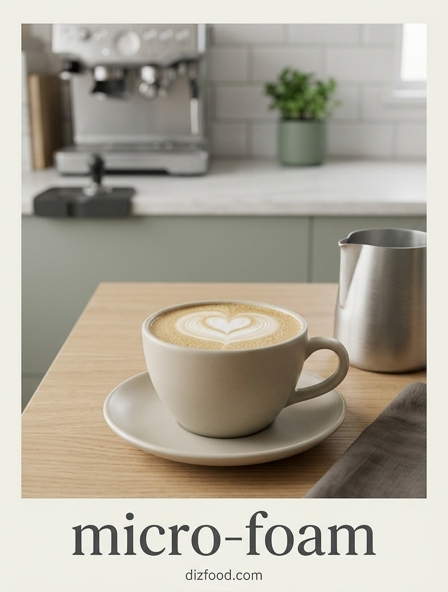
Science Behind Tea Microfoam Structure
The architecture of tea microfoam, particularly in matcha, relies on the presence of natural surfactants known as saponins. These amphiphilic molecules possess both hydrophilic and hydrophobic properties, allowing them to reduce the surface tension of water. When air is introduced through mechanical agitation, these saponins arrange themselves at the interface between the air and the liquid, trapping tiny gas pockets within a thin film of tea suspension. Unlike dairy-based foams that rely on complex protein structures, tea microfoam is a colloidal dispersion of air bubbles in a concentrated liquid phase.
The stability of this structure is heavily influenced by the particle size of the tea powder and the concentration of dissolved solids. Fine particles act as physical barriers that prevent the coalescence of smaller bubbles into larger ones. This process, known as Ostwald ripening, is the primary reason for foam collapse. To maintain a dense, velvet-like texture, the suspension must achieve a specific viscosity that slows down the drainage of liquid from the bubble walls, ensuring the microfoam remains stable for the duration of the consumption experience.
Essential Kitchen Tools for Whisking Success
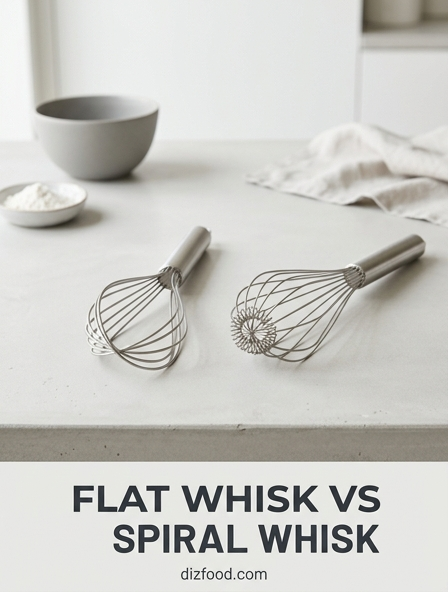
Achieving a professional-grade microfoam requires specialized equipment designed to maximize aeration and minimize bubble size. The primary tool is the Chasen, a traditional bamboo whisk carved from a single piece of wood. The effectiveness of a Chasen is determined by its tine count; higher counts generally produce finer foam. A standard whisk for thin tea usually features between 80 and 120 tines, which are delicate enough to slice through the liquid at high speeds without damaging the vessel.
- Chawan (Matcha Bowl): A deep, wide-bottomed ceramic bowl that provides enough space for vigorous whisking without spilling.
- Chashaku (Bamboo Scoop): Used for precise measurement of tea powder to ensure the correct powder-to-water ratio.
- Fine-Mesh Sifter: Essential for breaking up clumps of tea powder before water is added, preventing "lumpy" foam.
- Digital Thermometer: Necessary for monitoring water temperature to avoid scalding the tea and ruining the foam's integrity.
While modern electric frothers can be used for convenience, they often lack the surface area required to create the uniform, microscopic bubbles found in traditional hand-whisked preparations. The physical interaction between the bamboo tines and the ceramic surface creates a unique turbulence pattern essential for microfoam density.
Optimal Temperature for Stable Bubble Formation
Temperature is a critical variable in the creation of microfoam, as it dictates the viscosity of the tea and the solubility of the saponins. If the water is too cold, the surfactants cannot efficiently migrate to the air-liquid interface, resulting in a weak, watery lather. Conversely, boiling water can denature the compounds and cause the tea to become excessively bitter, while also causing the bubbles to expand and burst prematurely due to increased internal pressure.
| Temperature Range | Foam Characteristic | Best Use |
|---|---|---|
| 60°C - 70°C | Dense but slow to form | High-grade ceremonial matcha |
| 70°C - 80°C | Optimal stability and volume | Standard daily preparation |
| 80°C+ | Large bubbles, quick collapse | Culinary applications or lattes |
For most high-quality teas, the "sweet spot" lies between 75°C and 80°C. Within this range, the liquid is fluid enough to allow for rapid movement of the whisk, yet viscous enough to support the weight of the air bubbles. This thermal balance ensures that the foam remains "stiff" and holds its shape on the surface of the tea for several minutes.
Mastering the Zigzag Motion Whisking Technique
The physical motion used during whisking is the most influential factor in determining the final texture of the microfoam. Many beginners mistakenly use a circular stirring motion, which merely moves the liquid around the bowl without incorporating enough air. Instead, the "M" or "W" zigzag motion is required to create the necessary shear force to break down large air pockets into microscopic bubbles. This technique requires a relaxed but firm wrist, utilizing quick, sharp movements from the joint rather than the entire arm.
- Soak the bamboo whisk in warm water for two minutes to soften the tines and prevent breakage.
- Sift the tea powder into the bowl and add a small amount of hot water to create a smooth paste.
- Add the remaining water and position the whisk in the center of the bowl, just touching the bottom.
- Move the whisk in a rapid "W" pattern for approximately 20 to 40 seconds.
- Gradually lift the whisk toward the surface as the foam thickens to break any remaining large bubbles.
The goal is to transition from a liquid state to a creamy, frothy consistency. The final movement should be a gentle "S" shape or a slow circle on the surface to consolidate the foam and create a smooth, peaked finish.
Selecting Tea Grades for Superior Lather
Not all tea powders are capable of producing a rich microfoam. The ability to lather is directly tied to the processing and quality of the tea leaves. Ceremonial grade matcha is harvested from the youngest tea leaves, which are stone-ground into an extremely fine powder, often less than 10 microns in size. This fine particle size increases the surface area available for interaction with water and air, facilitating a more robust foam. Lower grades, such as culinary matcha, are often grittier and contain higher levels of tannins which can interfere with foam stability.
- Chlorophyll Content: Higher levels in premium grades contribute to a more vibrant green color and better suspension.
- L-Theanine Levels: Provides the "creamy" sweetness that complements the tactile sensation of the microfoam.
- Harvest Timing: First-flush teas contain more of the natural oils and surfactants needed for a long-lasting head.
- Milling Process: Stone-milled teas produce rounder particles that glide against each other, creating a silkier texture than jet-milled powders.
When selecting tea for microfoam, look for a vibrant, neon-green hue and a texture similar to talcum powder. If the powder feels grainy between the fingers, it will likely produce a thin, dissipating foam regardless of the whisking technique employed.
Role of Fats and Proteins in Foam Density
In the context of tea lattes or "dirty" tea drinks, the introduction of milk significantly alters the chemistry of the microfoam. While pure tea relies on saponins, milk-based microfoam relies on the denaturation of proteins (casein and whey) and the stabilization provided by fats. When steam or mechanical agitation is applied to milk, these proteins unfold and form a protective coating around air bubbles. The presence of fats provides a lubrication that gives the foam a glossy appearance, but excessive fat can actually weigh down the bubbles, leading to a shorter-lived foam.
| Component | Impact on Microfoam | Optimal Percentage |
|---|---|---|
| Proteins | Provides structural scaffold | 3.0% - 3.5% |
| Fats | Adds gloss and silkiness | 2.0% - 4.0% |
| Lactose | Contributes to sweetness | 4.5% - 5.0% |
When combining tea and milk, it is best to foam the milk separately and then incorporate it into the tea. The tea's natural acidity can sometimes cause milk proteins to clump if the temperature is not managed correctly. Using a "barista blend" of plant-based milks, which are often fortified with extra proteins and stabilizers, can help replicate the dense microfoam of dairy milk in vegan tea preparations.
Impact of Microfoam on Tea Mouthfeel
The sensory experience of tea is profoundly transformed by the presence of microfoam. Mouthfeel, or the tactile sensation of the liquid in the oral cavity, is shifted from "thin and aqueous" to "rich and velvety." This occurs because the tiny air bubbles increase the volume of the tea while simultaneously providing a physical cushion on the tongue. This aeration also aerates the volatile aromatic compounds, allowing them to reach the olfactory receptors more efficiently, which enhances the perceived flavor profile.
Furthermore, microfoam acts as a temperature insulator. The layer of bubbles traps heat within the liquid while protecting the lips and tongue from direct contact with the hot tea. This allows the drinker to perceive the subtle "umami" and sweet notes of the tea without the distraction of thermal intensity. The microfoam also helps to coat the palate evenly, reducing the astringency of the tannins. This smoothing effect is why a well-whisked bowl of tea is often described as "creamy," even when it contains no dairy or fat. The texture is a purely mechanical result of air-to-liquid ratio.
Troubleshooting Large Bubbles and Thin Texture
The most common issue in microfoam production is the presence of large, "soapy" bubbles that pop quickly, leaving a thin layer of liquid behind. This usually indicates a failure in the mechanical breakdown of air. If the whisking is too slow or lacks intensity, the air pockets remain large and buoyant, quickly rising to the surface and bursting. Another common cause is an incorrect powder-to-water ratio; if there is too much water, the concentration of saponins is too low to support a dense foam structure.
- Sifting Issues: Un-sifted tea forms clumps that sink to the bottom, depriving the surface of the solids needed for stability.
- Water Depth: Using a bowl that is too deep makes it difficult for the whisk to reach the bottom and create the necessary turbulence.
- Residue: Ensure the bowl and whisk are free of oils or soap residue, which act as anti-foaming agents and collapse bubbles instantly.
To fix large bubbles, finish the whisking process by lightly "drawing" over the surface with the tips of the whisk tines. This gentle agitation breaks the larger bubbles into smaller ones without introducing new, unrefined air into the mixture.
Professional Tips for Silky Foam Consistency
Consistency is the hallmark of a master tea preparer. To achieve a perfectly silky foam every time, one must focus on the preparation of the tools as much as the tea itself. Pre-heating the bowl (Chawan) is a vital step; a warm bowl prevents the tea temperature from dropping too rapidly during the whisking process, which would increase viscosity to an unmanageable level. Professional baristas also emphasize the "pre-wetting" stage, where a small amount of water is used to create a thick paste, ensuring no dry powder remains trapped in the foam.
- Use filtered or spring water with a neutral pH to ensure the tea compounds react optimally.
- Maintain a consistent whisking rhythm, aiming for approximately 2 to 3 strokes per second.
- Check the whisk tines regularly; any broken or bent tines will create uneven air distribution.
- Store tea powder in a cool, dark place to prevent the oxidation of the lipids and proteins that support foam.
Finally, the height at which you hold the whisk matters. Start deep to create volume, and finish near the surface to refine the texture. This "stratified whisking" ensures that the foam is integrated throughout the entire body of the drink, not just sitting as a thin layer on top.
Timing Your Whisk for Maximum Aeration
The window for achieving peak microfoam is surprisingly short, usually lasting between 15 and 60 seconds of active whisking. During the first 10 seconds, the goal is to fully disperse the tea powder into the water. The middle phase, from 10 to 30 seconds, is when the majority of the aeration occurs. This is the period of highest intensity, where the "W" motion should be at its most vigorous. After 45 seconds, the foam enters a refinement phase where the bubbles are standardized in size.
Over-whisking can be just as detrimental as under-whisking. If the agitation continues for too long, the mechanical energy can generate excess heat or cause the surfactants to become "fatigued," leading to a gradual collapse of the foam structure. Timing should be adjusted based on the quantity of tea being prepared; a smaller "usucha" (thin tea) portion requires less time than a larger latte base. Once the foam reaches a stiff, uniform consistency with no visible large bubbles, the whisking should stop immediately. The tea should be served and consumed as soon as possible, as microfoam is a dynamic system that begins to degrade the moment the mechanical input ceases.

Comments