
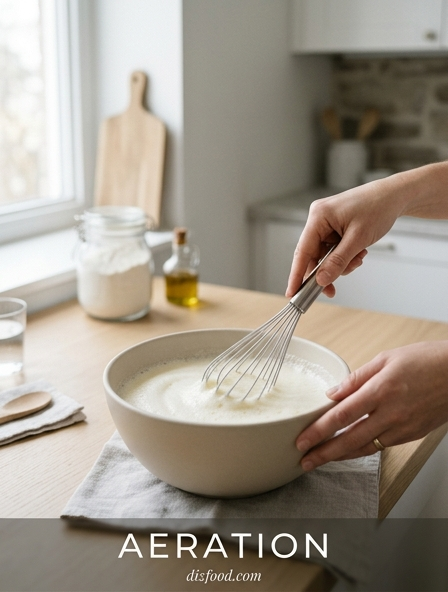
The Science of Mechanical Aeration
Mechanical aeration is the physical process of incorporating gas, usually atmospheric air, into a liquid or semi-solid matrix to create a foam or leavened structure. In the kitchen, this relies on the denaturation of proteins or the suspension of fat particles. When an ingredient like an egg white or heavy cream is agitated, the mechanical force breaks the surface tension and pulls air into the mixture. Surfactants within the food, such as proteins or phospholipids, migrate to the interface between the air and the liquid.
These molecules align themselves so that their hydrophobic tails face the air and their hydrophilic heads remain in the moisture. This creates a protective film that prevents air bubbles from coalescing and escaping. The effectiveness of this process depends on several factors:
- The viscosity of the base liquid, which provides resistance.
- The presence of stabilizers like sugar or acid.
- The intensity and duration of the mechanical force applied.
- The purity of the equipment used to prevent lipid interference.
Whisking Techniques for Maximum Volume
Achieving maximum volume during aeration requires more than just speed; it requires a specific movement pattern to maximize the shearing of air into the mixture. While many novice cooks use a circular stirring motion, professional results are often achieved through a side-to-side or figure-eight movement. This maximizes the surface area contact and forces more air into the protein matrix at once. The goal is to create the smallest possible bubbles, as a high density of small bubbles results in a more stable and voluminous foam than a few large bubbles.
The following steps are essential for mastering high-volume whisking:
- Start at a low speed to establish a uniform distribution of small bubbles.
- Transition to a vigorous side-to-side motion to shear the bubbles and increase volume.
- Maintain a consistent rhythm to prevent the mixture from settling between strokes.
- Finish at a moderate speed to "refine" the foam, ensuring all large bubbles are broken down into a tight, uniform structure.
Impact of Air on Crumb Structure
In baking, the air incorporated during the initial mixing stages serves as the foundation for the final crumb structure of the bread or cake. Contrary to popular belief, chemical leaveners like baking soda and yeast do not create new air bubbles; they only expand the existing bubbles that were trapped during the aeration phase. Therefore, the texture of the finished product is directly proportional to the quality of the mechanical aeration performed at the start. A well-aerated batter features a fine, tight crumb with an even distribution of air pockets.
If the aeration is insufficient, the gas produced during baking will have fewer "seeds" to occupy, leading to a dense, gummy texture or a few large, unsightly holes. The expansion of these air pockets in the heat of the oven, known as oven spring, provides the lift and lightness associated with professional-grade sponges. Mastering the balance of air allows a baker to control the density of everything from a heavy pound cake to a feather-light chiffon.
Role of Temperature in Effective Whisking
Temperature plays a critical role in how ingredients respond to mechanical aeration, as it influences the viscosity and state of fats and proteins. Different ingredients require specific thermal environments to reach their peak volume and stability. For example, animal fats behave differently than proteins when subjected to the friction of whisking. Maintaining the correct temperature ensures that the air pockets remain trapped rather than collapsing under their own weight or melting due to the heat of friction.
| Ingredient | Optimal Temperature | Functional Reason |
|---|---|---|
| Heavy Cream | Cold (4°C / 40°F) | Keeps fat globules solid to support air bubbles. |
| Egg Whites | Room Temp (21°C / 70°F) | Lowers surface tension for easier protein expansion. |
| Butter (Creaming) | Cool-Room Temp (18°C / 65°F) | Plasticity allows sugar to cut air pockets efficiently. |
Aerating Egg Whites for Perfect Meringues
Egg white aeration, or the creation of a meringue, is a cornerstone of pastry arts. It involves the unravelling of albumin proteins which then bond to form a network that supports air. The process is sensitive and can be easily compromised by the presence of even a trace amount of fat, which prevents the proteins from bonding. To achieve a perfect meringue, the aeration must be gradual. Adding sugar too early can inhibit the initial foaming, but adding it too late can result in a brittle structure that "weeps" or collapses.
Key indicators of successful egg white aeration include:
- Soft Peaks: The foam holds its shape but the tip curls over when the whisk is lifted.
- Stiff Peaks: The foam stands straight up, indicating a strong, fully developed protein network.
- Luster: A healthy meringue should look glossy, not dry or curdled.
- Stability: The mixture should not slide when the bowl is tilted.
Creaming Method and Sugar Crystal Friction
The creaming method is a form of aeration used primarily in cake and cookie batters. It involves beating softened butter with granulated sugar until the mixture is light and fluffy. This process is not about dissolving the sugar, but rather using the sharp, jagged edges of the sugar crystals to physically cut tiny air pockets into the fat. These microscopic pockets later act as reservoirs for the gases released by chemical leaveners during the baking process. Without this friction, the final baked good would be oily and flat.
Consistency is vital during creaming. If the butter is too cold, it will not trap air; if it is too warm, the fat will melt and the air pockets will collapse. The transformation is visual: the mixture should change from a dense yellow to a pale, ivory-white color and increase significantly in volume. This mechanical aeration provides the structural "lift" that defines the difference between a dense biscuit and a light, tender cake crumb.
Essential Tools for Kitchen Aeration
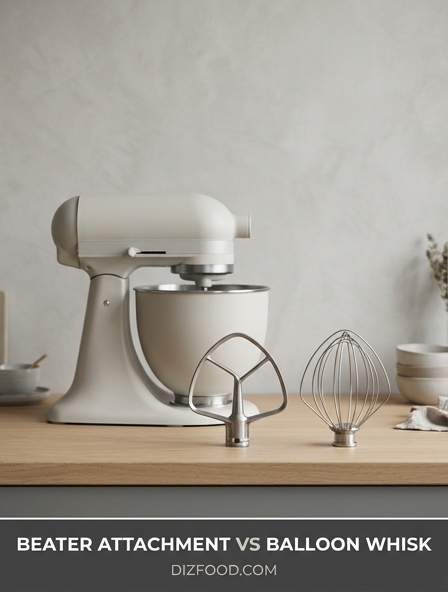
The choice of tool significantly impacts the efficiency and quality of aeration. While manual whisking provides the greatest level of control, mechanical tools offer consistency and speed for high-volume tasks. Each tool is designed to introduce air in a specific way, whether through the fine wires of a balloon whisk or the high-speed rotation of a planetary mixer. Selecting the right implement ensures that the specific density and texture requirements of a recipe are met without overworking the ingredients.
- Balloon Whisk: Large, rounded shape ideal for incorporating air into liquids like egg whites.
- Stand Mixer: Provides powerful, hands-free aeration for thick batters and large batches.
- Immersion Blender: Useful for aerating sauces and creating light "espumas" or froths.
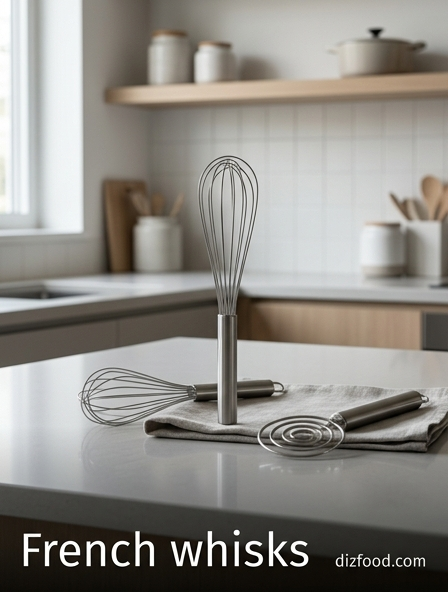
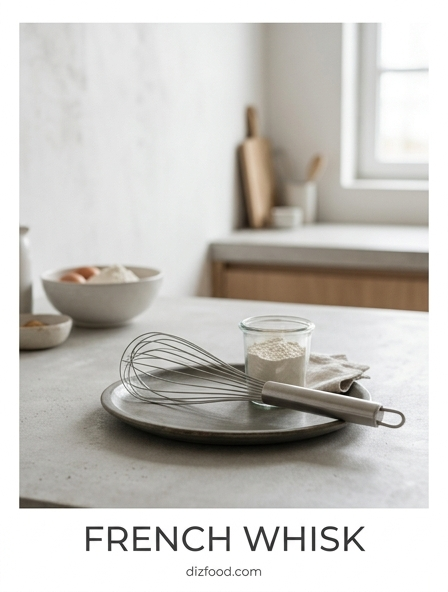
- French Whisk: Narrower and stiffer, best for denser emulsions and heavy creams.
- Sifter: Used for aerating dry ingredients to ensure no clumps interfere with wet aeration.
Stability and Structure in Whipped Foams
Aeration is only half the battle; maintaining the air once it is incorporated is the other half. Foams are inherently unstable systems because air bubbles naturally want to rise and escape, while the liquid between them tends to drain downward due to gravity. To ensure stability, chefs use various stabilizing agents. Sugar is the most common, as it increases the viscosity of the liquid film surrounding the air bubbles, making it harder for the air to move. Acids, like cream of tartar, help stabilize egg foams by encouraging protein cross-linking.
Over-aeration is the primary enemy of stability. When a foam is beaten too long, the protein or fat network becomes too tight and eventually breaks, causing the mixture to "break" or curdle. For example, over-whipped cream eventually turns into butter as the fat globules clump together and expel the air. Understanding the tipping point between a stable foam and a broken emulsion is the hallmark of a skilled cook. Proper folding techniques also preserve this structure when mixing aerated foams with heavier ingredients.
Common Aeration Mistakes to Avoid
Even small errors in the aeration process can lead to significant failures in the final dish. One of the most frequent mistakes is using a bowl that is too small, which restricts the movement of the whisk and limits the amount of air that can be incorporated. Another critical error is the presence of impurities. A single drop of egg yolk or a trace of grease on a whisk will prevent egg whites from ever reaching full volume. Speed management is also essential; starting at too high a speed creates large, unstable bubbles that collapse easily.
To avoid common pitfalls, consider the following:
- Ensure all equipment is "squeaky clean" and free of residual oils.
- Avoid over-whisking, which leads to graininess and water separation.
- Don't add heavy ingredients too quickly to an aerated base; this will deflate the air.
- Never skip sifting dry ingredients, as clumps can physically pop the air bubbles in a batter.
Consistency Secrets for Professional Results
Professional consistency in aeration comes from a deep understanding of timing and visual cues. Professionals do not rely solely on timers; they look for specific changes in texture and light reflection. For example, when aerating cream, the transition from a matte finish to a slight sheen indicates the foam is nearing its peak stability. Additionally, environmental factors like humidity must be considered. On high-humidity days, sugar in a meringue can absorb moisture from the air, making it difficult to achieve a crisp finish, necessitating a longer aeration time or a lower oven temperature.
The "fold" is the final secret to maintaining aeration. When combining an aerated foam with a heavier base, using a spatula to cut through the center and lift the bottom over the top ensures that the air pockets are preserved. This gentle movement maintains the mechanical work performed during the whisking stage. Consistently producing high-quality results requires patience, as rushing the aeration process often leads to a lack of structural integrity and a disappointing final texture.

Comments