
Defining Kitchen Throughput Dynamics
Kitchen throughput represents the maximum volume of orders a culinary team can produce within a specific timeframe, typically measured as hourly output. In high-pressure environments, understanding throughput is essential for maintaining service standards and ensuring profitability. It is not merely a measurement of how fast an individual cook can work, but rather a reflection of the entire system's efficiency, including equipment performance, layout logic, and communication protocols.
- Total ticket volume processed per hour during peak periods.
- Average preparation time per individual menu item.
- Relationship between labor hours and total unit production.
- Consistency of quality during periods of maximum utilization.
When throughput is optimized, the kitchen operates in a state of flow where ingredients move seamlessly from storage to the plate. Disruptions in this dynamic often result in cascading delays that affect every subsequent station. By defining these metrics clearly, management can pinpoint exactly where the operational velocity begins to degrade, allowing for targeted interventions that boost total hourly capacity without compromising the guest experience or increasing food waste.
Calculating Hourly Toaster Capacity
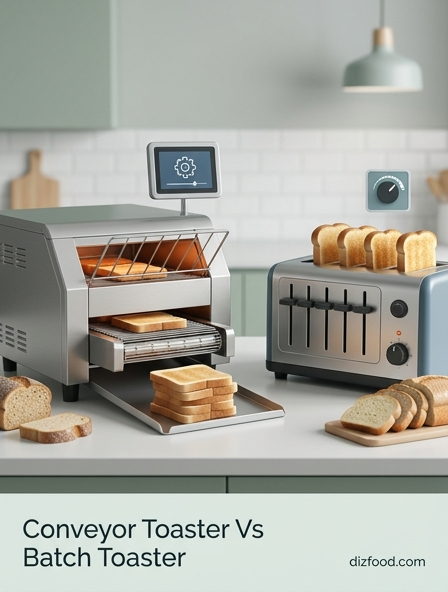
To accurately project kitchen output, management must calculate the theoretical and actual capacity of specialized equipment, such as commercial toasters. Theoretical capacity is the maximum number of slices the unit can process if kept constantly full, whereas actual capacity accounts for human interaction, loading delays, and heat recovery. These calculations are vital for menu planning and setting realistic expectations for ticket times during the morning rush.
| Equipment Type | Slices Per Cycle | Cycle Time (Sec) | Hourly Capacity |
|---|---|---|---|
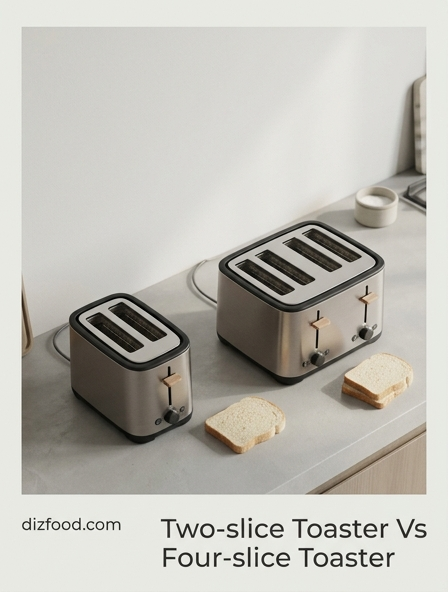
| 4-Slot Pop-up | 4 | 120 | 120 slices |
| Conveyor (Standard) | N/A | Continuous | 400 slices |
| High-Speed Conveyor | N/A | Continuous | 800+ slices |
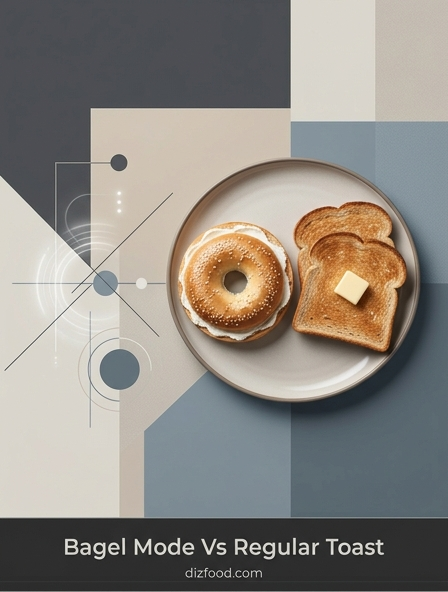
When calculating these figures, it is important to factor in the variety of bread products used. Denser items like bagels or sourdough require longer cycles, effectively reducing the hourly output compared to standard white bread. Understanding these variables allows for better staffing and equipment allocation to ensure the station never becomes a total service roadblock.
Identifying Toasting Station Bottlenecks
A bottleneck occurs when the demand for a specific station exceeds its maximum output, causing a backup that affects the entire production line. In a breakfast-heavy kitchen, the toasting station is frequently the primary point of failure. Identifying these bottlenecks requires a close observation of the workflow to see where "dead time" or "piling" occurs during peak hours. If the main cook is waiting on bread to finish toasting before they can plate a dish, the toaster has become a bottleneck.
- Insufficient physical space for unloading finished toast.
- Slow recovery times on older heating elements.
- Manual loading speeds that do not match conveyor velocity.
- Bread storage located too far from the toasting unit.
Addressing these issues often requires a mix of equipment upgrades and process adjustments. For example, moving bread storage closer to the toaster can save seconds per ticket, which translates into dozens of additional units per hour. Without identifying these specific pinch points, kitchens remain stuck at a lower throughput ceiling regardless of how many extra staff members are added to the line.
Maximizing Peak Service Flow
Achieving peak service flow requires a harmonious balance between human rhythm and mechanical speed. During the busiest hours, every movement must be intentional and every piece of equipment must be utilized to its highest potential. Maximizing flow is about reducing the "friction" that slows down production. This includes ensuring that the staff at the toasting station have pre-sorted bread types and that there is a clear, unobstructed path for the finished product to reach the plating area.
- Implement a "first-in, first-out" loading system for all bread types.
- Use dedicated trays for specific toast varieties to reduce sorting time.
- Maintain a consistent heat setting to avoid re-toasting or burnt waste.
- Synchronize toaster loading with protein cooking times.
When flow is maximized, the kitchen feels less chaotic even at high volumes. Staff members can anticipate the next move because the system is predictable and repeatable. This predictability is the foundation of high-volume success, allowing the kitchen to handle sudden surges in orders without a corresponding spike in error rates or ticket times.
Workflow Design for High Volume
The physical layout of the kitchen dictates the speed of the output. In a high-volume environment, workflow design must prioritize ergonomics and proximity. The toasting station should be positioned as a "bridge" between the prep area and the final pass. If a cook has to take more than two steps to reach the toaster or the bread supply, thousands of steps are wasted over the course of a week, leading to fatigue and decreased hourly output.
- Vertical storage for different bread varieties to save counter space.
- Heat lamps positioned directly over the toaster exit.
- Direct line-of-sight between the expeditor and the toaster operator.
- Scrap bins located immediately below the bread-prep surface.
By designing the station with a "cockpit" mentality-where everything is within arm's reach-the operator can focus entirely on the timing and quality of the output. This layout philosophy reduces the cognitive load on the staff, allowing them to maintain a higher pace for longer periods without the physical burnout associated with poorly designed, high-movement kitchen stations.
Balancing Load Across Kitchen Stations
High hourly output is only sustainable if the workload is distributed evenly across all stations. If the toasting station is overwhelmed while the grill station is idle, the kitchen is not operating at peak efficiency. Load balancing involves analyzing the menu to ensure that no single piece of equipment or person becomes a permanent bottleneck. This might involve cross-training staff or slightly adjusting the menu to shift some preparation work to less burdened stations.
- Redirecting certain bread prep to the oven if the toaster is full.
- Assigning a dedicated "prep runner" to restock the busiest stations.
- Adjusting ticket firing sequences to spread out toasting demands.
- Utilizing "dead zones" in the kitchen for overflow storage.
Effective management monitors station load in real-time. By recognizing when one area is approaching its limit, they can temporarily reassign a staff member to help with "pulling and plating," ensuring that the bottleneck is cleared before it stops the entire line. This fluid approach to labor management is key to maintaining a high average output throughout the entire service window.
Impact of Toasting Cycles on Speed
The specific duration of a toasting cycle is a critical variable in the kitchen's overall speed. A cycle that is ten seconds too long might seem insignificant for a single order, but when multiplied by hundreds of slices per hour, it represents a significant loss in potential throughput. Different moisture contents and sugar levels in bread affect how quickly they caramelize, meaning the kitchen must calibrate its equipment for the specific products it serves.
| Bread Type | Optimal Cycle (Sec) | Throughput Impact |
|---|---|---|
| White/Wheat | 90 | Baseline Speed |
| Artisan Sourdough | 150 | -40% Capacity |
| Frozen Bagels | 180 | -50% Capacity |
To mitigate these speed variances, kitchens often use multiple toasters with dedicated settings for specific items. This prevents a slow-cooking item from delaying faster items on a shared conveyor. Understanding these cycle impacts allows for more accurate kitchen "math" and helps in deciding whether to add a high-speed oven to the line to handle the denser, slower-toasting products.
Optimizing Equipment Recovery Time
Commercial toasters, particularly heavy-duty radiant models, require a certain amount of time to maintain or recover their optimal operating temperature during continuous use. If a toaster is loaded beyond its thermal capacity, the internal temperature drops, leading to longer cycle times and inconsistent results. This "recovery time" is often overlooked but is a major factor in the degradation of hourly output during long peak periods.
- Using high-wattage elements designed for continuous operation.
- Ensuring proper ventilation to prevent thermostat tripping.
- Staggering the loading of cold or frozen items.
- Regular cleaning of crumbs and grease to ensure efficient heat transfer.
Optimizing for recovery time means selecting equipment that matches the intended volume. A toaster rated for 200 slices an hour will struggle if pushed to 300, leading to "limp" bread that requires a second pass. By respecting the thermal limits of the equipment and maintaining it properly, the kitchen ensures that the last slice of toast during the rush is just as hot and crisp as the first one.
Staffing Strategies for Maximum Output
The human element is the most flexible component of kitchen throughput. Strategic staffing involves placing the right people in the right roles and defining those roles with precision. For high-volume toasting, the role of a "loader" and "plater" can be separated to increase speed. This specialization allows each worker to develop a high degree of muscle memory and rhythm, which is significantly more efficient than one person trying to handle the entire process alone.
- Assigning a dedicated person to the toaster during peak hours.
- Cross-training all line cooks on toaster maintenance and settings.
- Implementing "shadowing" for new hires to learn pacing.
- Establishing clear "calls" for when a station is falling behind.
Furthermore, incentive structures or performance metrics can motivate staff to maintain high output levels. When the team understands that their success is measured by their collective ability to move tickets through the system, they are more likely to support one another and communicate effectively. Proper staffing isn't just about headcounts; it is about the strategic synchronization of labor with equipment capacity.
Metrics for Measuring Service Success
To improve hourly output, a kitchen must measure it consistently. Metrics provide the data necessary to move from anecdotal observations to evidence-based management. Common Key Performance Indicators (KPIs) include average ticket time, the number of re-fires due to errors, and the total units produced per labor hour. By tracking these figures over time, management can see the direct impact of equipment upgrades or workflow changes.
- Total slices served vs. slices wasted (waste percentage).
- Peak hour ticket completion rate.
- Average time between order entry and toast completion.
- Customer feedback scores regarding food temperature and speed.
Success is not just about the highest possible number; it is about the highest number achievable without sacrificing quality. If throughput increases but the waste percentage also climbs, the efficiency gain is an illusion. A truly successful service is one where the metrics show high velocity, low waste, and high customer satisfaction, indicating that the kitchen has found its optimal operating "sweet spot" for hourly output.


Comments