
Let's face it: nobody enjoys the lingering scent of burnt toast or the gritty mess of debris cluttering their kitchen countertops. When it comes to maintaining small appliances like toasters and toaster ovens, the debate between a slide-out crumb tray and a fully removable base is central to your daily cleanup routine. While both features aim to simplify kitchen hygiene, they offer different levels of accessibility; a crumb tray provides a quick, "slide-and-dump" solution for daily upkeep, whereas a removable base allows for a more comprehensive deep clean of the internal chassis. Choosing the right design depends on whether you value the split-second convenience of a front-loading tray or the thorough, corner-to-corner sanitization that only a detachable bottom can provide.
| Feature | Slide-Out Crumb Tray | Removable Base |
|---|---|---|
| Cleanup Speed | Instant; 5-second slide and empty. | Moderate; requires unlatching or flipping. |
| Debris Reach | Captures 85-90% of central fallout. | 100% access to internal corners/edges. |
| Mess Potential | Low; keeps crumbs contained during removal. | Higher; crumbs can spill when opening. |
| Sanitation Depth | Surface level; tray-only wipe down. | Deep; allows internal wall scrubbing. |
| Mechanism | External slot (front or rear access). | Bottom hinges or detachable wingnuts. |
| Best For... | Daily users and busy households. | Occasional users and hygiene enthusiasts. |
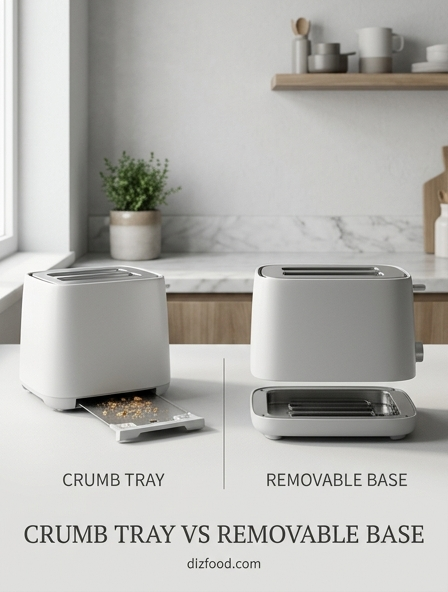
Understanding Crumb Tray vs Removable Base Features
In the modern kitchen, the terminology surrounding appliance components can often overlap, yet the functional distinctions between a crumb tray and a removable base are significant. A crumb tray is primarily a secondary component designed for debris management. Typically found in toasters, toaster ovens, and some indoor grills, this feature consists of a thin, slide-out metal or plastic sheet located at the very bottom of the unit. Its sole purpose is to catch falling particles, seeds, and oils that drop during the heating process, preventing them from accumulating on the heating elements or the internal floor of the machine.
Conversely, a removable base is often a structural or primary component of the cooking vessel itself. This feature is most common in bakeware, such as springform pans or tart tins, and certain small appliances like air fryers or multi-cookers. Unlike a crumb tray, which sits beneath the action, a removable base often supports the weight of the food being cooked. In an air fryer, the removable base or basket floor allows for the entire cooking surface to be extracted for thorough sanitization or to facilitate the transfer of food. Understanding these features requires recognizing whether the part is intended for simple waste collection or as an integral part of the food-holding mechanism.
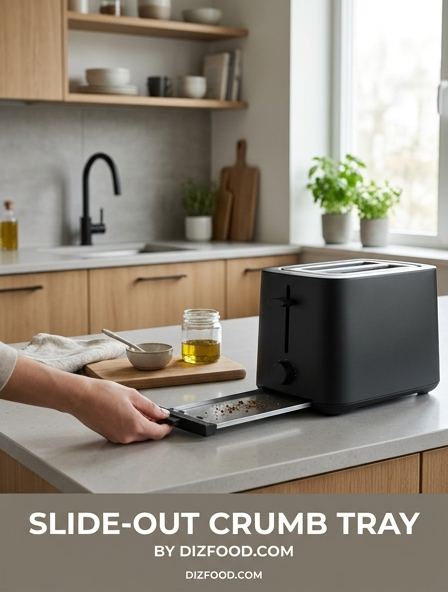
- Crumb Tray: Usually a slide-out drawer or external attachment for catching dry debris.
- Removable Base: A structural component that supports food or forms the bottom of a cooking chamber.
- Primary Function: Maintenance and cleanliness versus structural integrity and food extraction.
Key Differences Between Crumb Trays and Removable Bases
While both components aim to improve the user experience, their engineering reflects different priorities in the kitchen. A crumb tray is designed for accessibility without disturbing the cooking process. You can often remove a crumb tray while the appliance is idle to dump out burnt bits without needing to disassemble the entire unit. However, a removable base is generally more substantial, often featuring non-stick coatings or perforated designs to allow for specific culinary outcomes like crispier crusts or even steaming.
The following table outlines the technical and functional differences between these two common kitchen features:
| Feature | Crumb Tray | Removable Base |
|---|---|---|
| Main Material | Lightweight aluminum or galvanized steel. | Heavy-duty steel, ceramic, or BPA-free plastic. |
| Placement | Exterior slide-out or internal bottom slot. | Internal support structure or vessel bottom. |
| Load Bearing | None; catches falling debris only. | High; supports the weight of the ingredients. |
| Heat Resistance | Designed to withstand indirect heat exposure. | Direct contact with high heat and food. |
The difference is most apparent during the "tear-down" phase of cooking. A crumb tray is a "maintenance-lite" feature, whereas a removable base is a "deep-clean" feature. Selecting an appliance often depends on whether you prefer the quick convenience of sliding out a tray or the comprehensive cleaning access provided by a fully detachable base.
Cleaning Efficiency Comparison for Kitchen Appliances
Efficiency in the kitchen is often measured by how quickly one can transition from cooking to a clean workspace. Crumb trays offer an unparalleled advantage for dry-heat appliances. For instance, in a toaster, a crumb tray allows the user to clear out months of accumulated bread bits in seconds. Without this feature, the user would be forced to invert the entire appliance and shake it, which is both ineffective and potentially damaging to the delicate internal filaments.
However, when dealing with wet or greasy foods, the removable base becomes the superior option for hygiene. In an air fryer, a removable base allows the user to submerge the entire cooking surface in hot soapy water or place it in a dishwasher. Crumb trays are rarely designed to handle heavy grease loads; if grease escapes the main cooking area and hits a crumb tray, it can bake onto the thin metal, making it incredibly difficult to scrub without causing warping.
- Daily Maintenance: Crumb trays are faster for dry debris removal.
- Deep Sanitization: Removable bases allow for complete immersion and scrubbing.
- Dishwasher Safety: Removable bases are more likely to be dishwasher-safe due to thicker construction.
- Spill Management: Removable bases prevent liquids from leaking into the appliance's internal electronics.
Ultimately, the cleaning efficiency depends on the type of residue. For dry toast, the tray wins. For a roasted chicken or a sticky tart, the removable base is essential for maintaining a sanitary kitchen environment.
Design Benefits of Integrated Crumb Trays
The integration of a crumb tray into a kitchen appliance is a hallmark of thoughtful industrial design. The primary benefit is the containment of fire hazards. In appliances like toaster ovens, accumulated crumbs can ignite if they stay too close to the heating elements for extended periods. An integrated tray ensures that these particles are moved to a cooler zone at the bottom of the device, effectively isolating combustible material from the heat source.
From an aesthetic and spatial perspective, integrated crumb trays allow for a sleeker appliance profile. Because they are designed to slide into the base, they do not require extra storage space or bulky attachments. Modern designs often include a "hidden" tray that sits flush with the appliance body, maintaining a clean look on the countertop. Additionally, some high-end models now feature "drop-down" crumb trays that hinge at the bottom, allowing for quick wiping without fully removing the part. This design minimizes the risk of losing or bending the tray during cleaning cycles. For the minimalist cook, the crumb tray provides a "set it and forget it" solution to the mess that naturally occurs during high-volume cooking or daily breakfast routines.
How Removable Bases Enhance Cooking Versatility
Removable bases are transformative for bakers and specialized cooks. In the world of pastry, a tart pan with a removable base is the difference between a professional presentation and a crumbled mess. By allowing the outer ring to drop away, the cook can present a delicate crust without the need for prying tools. This versatility extends to savory appliances as well. Many modern pressure cookers and air fryers utilize a removable base system to transition between different cooking styles, such as switching from a perforated frying floor to a solid baking insert.
This design also facilitates better airflow and temperature control. In a convection-based system, a removable base often features specific venting patterns that can be swapped depending on whether the user is dehydrating fruit or roasting a steak. The ability to swap or remove the base means the appliance is no longer a "one-trick pony."
- Presentation: Enables easy removal of delicate cakes and tarts.
- Multitasking: Allows for different base types (solid vs. mesh) in the same unit.
- Post-Cook Handling: Easier to transfer hot food to a cooling rack by lifting the base.
- Texture Control: Better heat access to the bottom of the food for crisping.
Maintenance and Durability of Different Base Designs
Durability is a major factor when choosing between these two designs. Crumb trays, being thinner and lighter, are more prone to physical damage. They can easily warp if exposed to extreme temperature fluctuations or if they are stepped on or dropped during cleaning. Once a crumb tray is warped, it may no longer slide smoothly into the appliance, potentially leaving gaps where debris can fall into the internal wiring. Therefore, maintaining a crumb tray requires gentle handling and avoiding harsh abrasive scrubbers that might strip away the protective coating.
Removable bases, being structural, are typically built to last longer. They are made from thicker gauge metals or reinforced composites to withstand the weight of food and the rigors of frequent washing. However, they have their own maintenance challenges, particularly regarding seals and locking mechanisms. In springform pans, the latch that secures the removable base is a common point of failure. In air fryers, the rubber bumpers or silicone gaskets that hold the removable base in place can degrade over time due to high heat. Regular inspection of these small components is necessary to ensure the base remains secure and does not scratch the internal coating of the appliance. While the base itself is durable, the interface where it connects to the appliance requires consistent attention.
Impact on Heat Distribution and Airflow Performance
The presence of a removable base or a crumb tray significantly alters the thermodynamics inside a cooking chamber. A removable base in an air fryer or convection oven is often perforated. This design is intentional; it allows hot air to circulate 360 degrees around the food, ensuring the bottom is as crispy as the top. If a user replaces a perforated removable base with a solid one, the airflow is restricted, which can lead to soggy bottoms and uneven cooking. The engineering of the base is critical to the appliance's ability to maintain a consistent temperature gradient.
Crumb trays, meanwhile, act as a thermal buffer. Located at the very bottom, they reflect some heat back upward while protecting the counter surface from overheating. However, if a crumb tray is neglected and becomes covered in a thick layer of carbonized debris, it can actually absorb heat and create "hot spots" at the bottom of the toaster or oven. This can lead to the appliance exterior becoming dangerously hot to the touch. Furthermore, in some designs, the crumb tray is positioned in a way that it must be properly seated to allow for the correct draw of air through the intake vents. A misaligned tray can choke the appliance, leading to longer cooking times or even triggering a thermal cutoff safety switch.
Safety Features of Crumb Trays vs Removable Bottoms
Safety is the silent driver behind these design choices. The crumb tray's primary safety function is fire prevention. By providing a designated area for flammable particles, it keeps them away from the glowing heating coils. Many fires in small appliances are caused by the "flash ignition" of accumulated bread dust. A well-maintained crumb tray mitigates this risk almost entirely. Additionally, the tray serves as a heat shield for the surface the appliance sits on, preventing scorch marks on wooden or laminate countertops.
Removable bases focus more on physical safety and structural stability. A removable bottom in a heavy Dutch oven or a large air fryer basket must lock securely to prevent the accidental release of hot food onto the user. High-quality designs incorporate locking pins or click-in-place mechanisms that ensure the base won't budge even when the unit is shaken. There are also ergonomic considerations; a removable base allows a user to lift a heavy cake or roast without reaching deep into a hot oven, reducing the risk of forearm burns.
- Fire Safety: Crumb trays prevent the ignition of food debris.
- Surface Protection: Both designs help insulate the counter from direct heat.
- Mechanical Safety: Removable bases require secure locking to prevent spills.
- Burn Prevention: Removable bases facilitate safer food handling and extraction.
Choosing the Right Design for Your Cooking Style
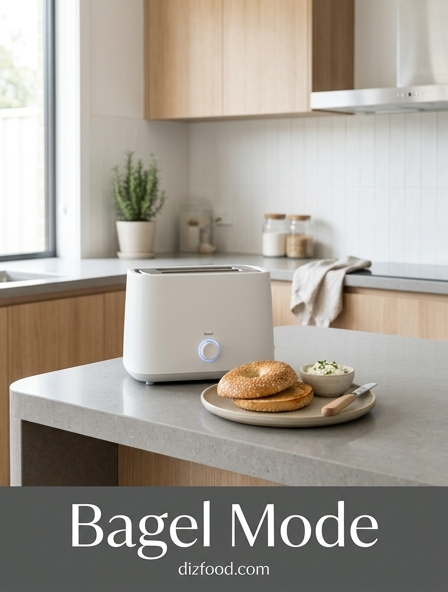
Selecting between an appliance with a crumb tray or a removable base depends largely on what you cook most frequently. If your kitchen routine revolves around toast, bagels, and reheating frozen pizzas, a high-quality, easy-to-slide crumb tray should be your priority. It keeps your daily chores minimal and your appliance running safely with very little effort. For these users, the tray is a convenience feature that prevents the "burnt smell" that plagues unmaintained toasters.
If you are an adventurous home chef who experiments with baking, air frying, or roasting, the removable base is the more critical feature. The ability to completely remove the floor of your cooking vessel offers flexibility that a simple tray cannot match. For example, if you frequently cook marinated meats, a removable base that can be scrubbed clean is non-negotiable. When shopping, consider the "cleanability" factor: look for bases with non-stick coatings and trays that are wide enough to catch all falling debris. If you find yourself frustrated by hard-to-reach corners in your current appliances, it may be time to prioritize a removable base design that allows for total access to the interior chamber.
Final Verdict on Crumb Tray vs Removable Base Convenience
In the final analysis, neither feature is objectively "better" than the other; rather, they serve distinct roles in the hierarchy of kitchen maintenance and culinary performance. The crumb tray is the hero of the "dry kitchen," providing a simple, effective way to manage the inevitable mess of crumbs and seeds. It is a specialized tool for a specialized problem. Its convenience lies in its speed and the fact that it requires no complex assembly or heavy lifting.
The removable base is the hero of the "active kitchen." It provides the structural versatility needed for complex recipes and the deep-cleaning capability required for greasy or wet ingredients. While it may require a few more seconds to seat correctly or more effort to wash, the payoff is a more hygienic and versatile cooking experience. For a truly efficient kitchen, most households will find they need both: crumb trays in their toasters for the morning rush, and removable bases in their air fryers and bakeware for evening meals. By recognizing the strengths of each, you can maintain your appliances more effectively and ensure that your cooking remains both safe and delicious for years to come.

Comments