
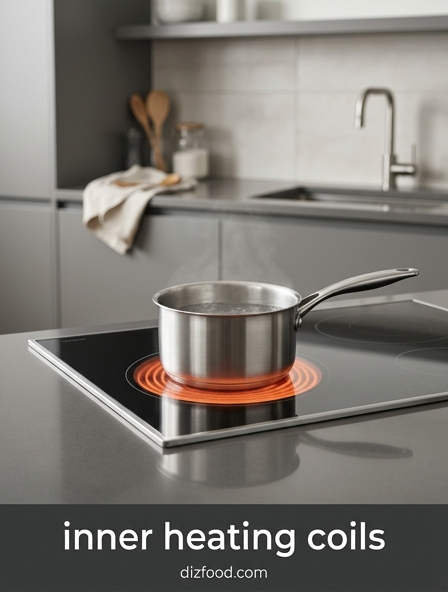
Understanding Inner Coil Thermal Dynamics
The thermal dynamics of inner heating coils in modern kitchen toasters rely on the principles of high-resistance electrical circuits. Typically composed of nichrome wire-a non-magnetic alloy of nickel and chromium-these coils convert electrical energy into intense infrared radiation. When current flows through the inner elements, the resistance generates temperatures reaching up to 1,100 degrees Fahrenheit. This concentrated heat is designed to project directly onto the exposed surface of the bread or bagel.
Unlike convection ovens that heat air, inner coils utilize radiant heat transfer, which travels in a direct line of sight. This ensures that the energy is absorbed primarily by the surface facing the element. The thermal equilibrium within the toaster housing is carefully managed to prevent the outer casing from overheating while maintaining a high-density heat field around the food item. Key factors influencing this dynamic include:
- Wire gauge and coil density.
- The reflectivity of the internal mica plates.
- The distance between the coil and the food surface.
- Wattage distribution across the circuit.
Achieving the Perfect Textural Contrast
The primary objective of utilizing inner heating coils is the creation of a distinct textural contrast that defines high-quality toasted goods. By focusing heat on only one side of a sliced item, such as a bagel or an English muffin, the appliance creates a sharp juxtaposition between a crunchy, caramelized surface and a soft, pillowy interior. This sensory experience is highly valued in culinary applications where a uniform crunch would be considered undesirable or overly dry.
To achieve this balance, the inner coils must operate at a specific intensity that triggers rapid surface dehydration without allowing the heat to penetrate through to the opposite side. This results in a gradient of textures. The following table illustrates the typical textural results based on coil activation:
| Setting | Inner Surface | Outer Surface |
|---|---|---|
| Standard | Crispy | Crispy |
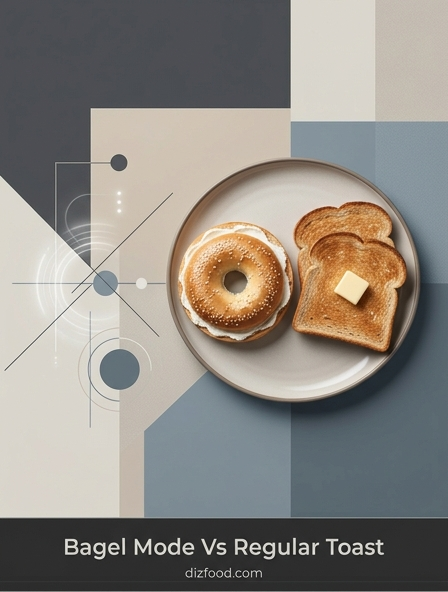
| Bagel Mode | Charred/Crunchy | Soft/Warm |
| Defrost | Lightly Toasted | Supple |
The Role of Radiant Heat in One Sided Browning
Radiant heat is the cornerstone of effective one-sided browning. Unlike conduction, which requires physical contact, or convection, which relies on air movement, radiant heat uses electromagnetic waves to transfer energy. In the context of inner coils, these waves strike the carbohydrates and proteins on the bread's surface, causing them to vibrate and heat up almost instantaneously. Because the outer coils remain inactive or at a lower power state, the "cool" side of the bread remains shielded from intense radiation.
The efficiency of this process is governed by the Inverse Square Law, meaning the proximity of the bread to the inner coil is critical. Small adjustments in the distance can lead to significant changes in browning levels. Professional-grade toasters often feature calibrated coil spacing to ensure that the radiant energy is distributed evenly across the vertical plane of the slice, preventing "hot spots" where one area might burn while the edges remain underdone. This focused energy application is what allows for the precision required in specialized toasting tasks.
Why Bagel Settings Outperform Standard Toasting
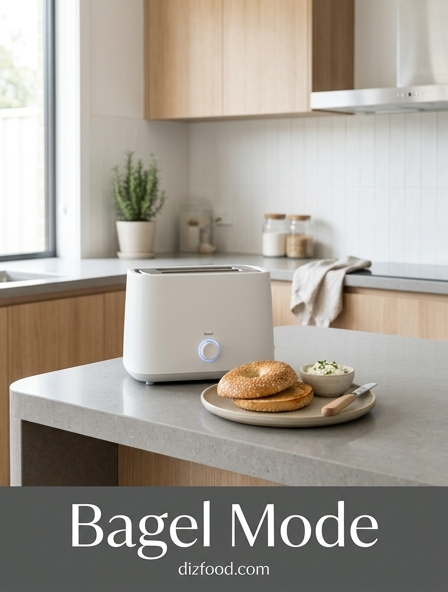
Standard toasting cycles activate all heating elements simultaneously, which is ideal for sliced sandwich bread but detrimental to artisanal rolls or bagels. The dedicated "bagel" setting reconfigures the internal circuitry to prioritize the inner coils. This specialized logic outperforms standard cycles by preventing the tough, outer crust of a bagel from becoming excessively hard or brittle. When the outer skin of a bagel is subjected to high heat, it often becomes difficult to chew, whereas the inner setting keeps it pliable.
- Circuit redirection: Power is cut to the exterior nichrome wires.
- Energy concentration: The inner wires receive a steady flow of current.
- Moisture retention: The unheated side acts as a barrier, keeping steam trapped within the crumb.
- Surface caramelization: The cut side receives the full force of the radiant field for optimal flavor development.
This intelligent power distribution ensures that the structural integrity of the bagel is preserved while delivering the necessary caloric energy to the face of the slice.
Preserving Interior Softness With Selective Heat
Selective heating via inner coils is a sophisticated method for managing the moisture content of bread products. When heat is applied to only one side, a thermal moisture gradient is established. As the cut surface heats up, moisture is driven away from the heat source and toward the center of the bread. Because the opposite side of the toaster is not emitting intense heat, this moisture remains trapped within the crumb structure rather than evaporating into the surrounding air.
This preservation of internal hydration is what keeps the bread "soft." If both sides were heated equally, the moisture would be squeezed out from both directions, resulting in a dry, russet-like consistency. By utilizing inner coils, the appliance acts more like a specialized grill than a traditional oven. This technique is particularly effective for thick-cut Texas toast or sourdough, where the contrast between the seared face and the chewy, moist interior is the hallmark of a properly prepared slice.
Science of the Maillard Reaction on Single Surfaces
The Maillard reaction is the chemical process responsible for the browning and complex flavor profile of toasted bread. It occurs when reducing sugars and amino acids react under high heat, typically beginning around 285 degrees Fahrenheit. By focusing the inner coils on a single surface, the toaster accelerates this reaction locally. The result is a concentrated layer of melanoidins-the brown pigments that provide the characteristic nutty and toasted aroma.
Applying this science to just one side allows for a higher concentration of these flavor compounds without the risk of over-cooking the entire piece of food. Because the reaction is endothermic, it requires a significant and steady input of energy. The inner coils provide this specific energy density.
- Increased aromatic complexity on the cut side.
- Prevention of bitter carbonization on the outer crust.
- Optimal sugar breakdown for enhanced sweetness.
- Visual uniformity across the bread's surface area.
Engineering Better Crunch With Focused Coils
From an engineering perspective, the crunch of a toasted surface is determined by the rate of dehydration in the uppermost layers of the bread. Focused inner coils are engineered to deliver a "thermal shock" to these layers. By using a tighter winding pattern in the nichrome wire, engineers can create a more uniform "curtain" of heat. This prevents the formation of soft patches, ensuring that every square millimeter of the surface reaches the critical temperature for starch gelatinization and subsequent drying.
The gauge of the wire used in these coils is also critical; thinner wires heat up faster and allow for more precise control over the toasting cycle. Advanced kitchen appliances may even use varying wattages across the inner coil to compensate for the fact that heat naturally rises. By slightly reducing the power at the top of the coil and increasing it at the bottom, engineers ensure that the crunch is consistent from the top to the bottom of the bagel, regardless of the convective air currents within the toaster slot.
Moisture Migration During Targeted Heating
When the inner heating coils are activated, they initiate a process known as moisture migration. As the water molecules on the surface of the bread are heated, they turn into steam. This steam seeks a path of least resistance, which is typically toward the cooler, more porous interior of the bread. This migration is essential for preventing the bread from becoming "rubbery." The targeted heat ensures that the surface becomes a dry, rigid lattice, while the interior becomes slightly more humid and tender.
If the heating were not targeted, the moisture would be driven out of both sides simultaneously, leading to a significant loss in total mass and a "stale" mouthfeel. The one-sided approach allows the bread to retain its structural elasticity.
| Heating Phase | Moisture Action | Result |
|---|---|---|
| Initial | Surface evaporation | Crust formation |
| Middle | Internal migration | Crumb softening |
| Final | Localized steam release | Aromatic peak |
Heat Intensity vs Surface Exposure
The relationship between heat intensity and surface exposure is the defining variable in one-sided toasting. Inner coils are designed to maximize the "flux density" of the infrared waves. Surface exposure refers to how much of the bread's face is directly visible to the glowing coils. Any obstruction, such as a bent wire guard, can create "shadows" that result in uneven browning. Therefore, the physical layout of the toaster's interior must be meticulously maintained for optimal performance.
High intensity for a short duration is generally preferred over low intensity for a long duration. This is because a quick, intense burst of heat from the inner coils sears the surface before the heat has time to conduct into the core. This "flash" toasting method preserves the integrity of the bread's cellular structure. Users can often adjust this balance via the browning knob, which controls the duration of the current flow through the nichrome, thereby modulating the total energy exposure without changing the peak intensity of the coils themselves.
Mastering the One Sided Toasting Technique
To master the one-sided toasting technique, one must understand the orientation of the food relative to the heating elements. In most appliances, the "inner" coils are those located toward the center divider of the toaster. When inserting a bagel or muffin, the cut sides must always face inward. This ensures they are positioned directly in the path of the most intense radiant heat. Proper alignment is the difference between a gourmet breakfast and a disappointing, unevenly heated snack.
Additionally, the freshness of the bread plays a role in how it interacts with the inner coils. Fresh bread has higher moisture content and can withstand higher intensity without burning, whereas older bread requires a lower setting.
- Always orient cut faces toward the center.
- Use the dedicated "Bagel" button to deactivate outer coils.
- Clean crumb trays regularly to prevent smoke interference.
- Allow a brief "rest" after toasting for moisture to redistribute.

Comments