
Understanding Dual Independent Heating Zones
In the modern kitchen, efficiency and personalization have become the primary drivers of appliance innovation. Dual independent heating zones represent a significant leap forward in toasting technology, particularly for multi-slot units. Unlike traditional toasters where a single heating element or control circuit regulates all slots simultaneously, independent zones allow the appliance to function as two separate entities housed within a single chassis. This separation is achieved through isolated electrical circuits and dedicated thermal sensors for each pair of slots, ensuring that the operation of one side does not influence the temperature or duration of the other.
The primary benefits of this architecture include:
- Simultaneous processing of different bread types with varying density.
- Individualized control over browning levels to suit specific tastes.
- Reduced mechanical wear by only activating the necessary components.
- Improved thermal management within the appliance housing.
By decoupling the heating elements, manufacturers provide users with the flexibility required in high-traffic kitchens. Whether you are preparing a quick snack for one or a large breakfast for a group, these zones ensure that every slice is treated with the specific thermal intensity it requires for the perfect finish.
Customized Settings for Individual Slices
The core appeal of dual independent heating zones lies in the ability to apply customized settings for individual slices or pairs. In a standard household, breakfast preferences rarely align perfectly. One person may prefer a light, golden crisp on a thin slice of white bread, while another might desire a dark, crunchy finish on a thick piece of artisanal rye. With independent zones, these two distinct outcomes can be achieved in a single cycle without any manual intervention between rounds.
This level of customization extends beyond just the browning level. Most high-end units equipped with independent zones allow users to toggle specific functions-such as "Defrost" or "Bagel" mode-on one side while the other side remains in a standard toasting mode. This means a frozen waffle can be revived on the left while a fresh sourdough slice is toasted on the right. This granularity of control eliminates the guesswork often associated with sharing a toaster, as the dual selectors provide a visual and physical confirmation of the distinct parameters set for each zone, ensuring that neither slice is over-cooked or under-done.
The Science of Independent Heat Control
The engineering behind independent heating zones involves sophisticated thermal regulation and electrical isolation. Within the toaster, the heating elements-usually made of nichrome wire-are divided into separate banks. Each bank is connected to its own variable resistor or digital controller, which translates the user's browning selection into a specific duration or intensity of heat. Advanced models utilize thermistors to monitor the internal ambient temperature of each zone, adjusting the power output in real-time to compensate for residual heat from previous cycles.
| Component | Function in Independent Zones |
|---|---|
| Isolated Circuits | Prevents power draw from one zone affecting the other. |
| Dedicated Sensors | Monitors heat levels to prevent over-browning. |
| Independent Solenoids | Allows each carriage to pop up at different times. |
This scientific approach ensures that the heat distribution is localized. Heat shields and air gaps are strategically placed between the zones to prevent "thermal bleed," where the heat from one side spills over and affects the toast on the other side. This precision allows for highly repeatable results, regardless of how the adjacent zone is being utilized.
Versatility for Diverse Bread Types
Not all breads are created equal, and their chemical compositions require different heating profiles. For instance, breads with high sugar content, like brioche, caramelize much faster than dense, whole-grain breads. Dual independent heating zones provide the versatility needed to manage these differences simultaneously. By allowing for two distinct environments, the appliance accommodates the unique moisture content and thickness of various baked goods.
- Artisanal Sourdough: Requires higher heat for a longer duration to penetrate the thick crust.
- Gluten-Free Bread: Often contains higher moisture and benefits from a dedicated defrost/toast cycle.
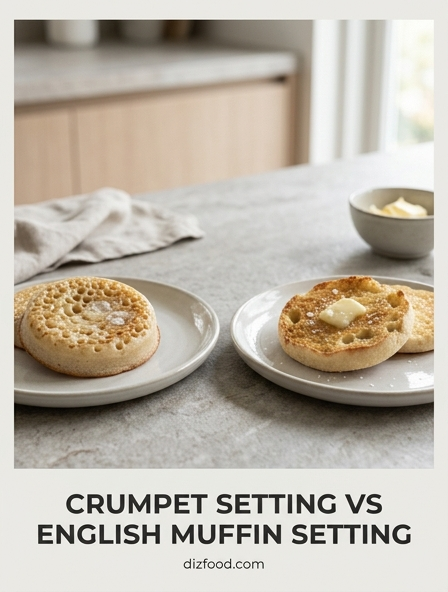
- English Muffins: Their nooks and crannies require intense surface heat without burning the base.
- Pastries: Delicate heating avoids melting fillings while crisping the exterior.
Using a single-zone toaster for diverse bread types often results in a "least common denominator" approach, where one item is burnt so the other can be cooked. Independent zones solve this by treating each item as a unique culinary task. This versatility makes the toaster a more capable tool for diverse diets and gourmet preferences within a single household.
Energy Efficiency in Single Zone Use
While the focus of dual zones is often on simultaneous cooking, a major secondary benefit is energy efficiency during periods of lower demand. In a traditional four-slot toaster with a single heating circuit, the appliance may draw full power and heat all internal elements even if only a single slice of bread is being toasted. This results in significant energy waste as heat is generated and dissipated into empty slots. Independent heating zones solve this by allowing the user to energize only the specific section being used.
When only one zone is activated, the appliance limits its electrical consumption to that specific circuit. This not only reduces the overall carbon footprint of the kitchen but also lowers the ambient heat released into the room-a small but noticeable benefit during summer months. Furthermore, by not heating the unused elements, the lifespan of those components is preserved. This "on-demand" approach to heating ensures that the kitchen operates with modern efficiency standards, where power is utilized only where it is strictly necessary, making it a smarter choice for environmentally conscious consumers.
Ending Breakfast Compromises for Families
The morning rush is often a source of stress, particularly when multiple family members have conflicting breakfast requirements. Dual independent heating zones serve as a mechanical mediator, ending the need for compromises. In the past, family members would have to take turns, leading to the first person's toast getting cold while the second person's toast was being prepared. Alternatively, one person would settle for their toast being too dark or too light to accommodate a shared setting.
- Step 1: Identify the specific toast preference for each person.
- Step 2: Load the respective zones with the chosen bread types.
- Step 3: Set independent browning levels for both sides.
- Step 4: Start both cycles simultaneously for a synchronized meal.
By allowing for two different browning levels to run at once, the appliance ensures that everyone sits down to eat at the same time with their food exactly how they like it. This functionality transforms the toaster from a bottleneck into a streamlined part of the morning workflow, fostering a more harmonious breakfast environment for households with diverse tastes and schedules.
Precision Browning with Dual Selectors
The interface of a toaster with dual independent heating zones is designed for intuitive precision. Most models feature two distinct control knobs or digital sliders, each clearly mapped to a specific pair of slots. These selectors are calibrated to provide a range of browning intensities, often spanning from a very light "one" to a dark, crispy "six" or "seven." Because the zones are independent, these selectors act as the primary interface for the internal logic boards, dictating exactly how much thermal energy should be applied to each zone.
Precision is further enhanced by the tactile feedback of these selectors. In digital models, LED displays might show the remaining countdown for each zone, providing the user with real-time data on their toast's progress. This dual-interface approach removes the ambiguity of "shared" settings. The user can see at a glance that the left side is set for a bagel and the right side is set for thin-sliced white bread. This visual confirmation, paired with the internal independent circuitry, ensures that the resulting browning is exactly what was requested, providing a professional level of accuracy in a home appliance.
Catering to Unique Household Preferences
Every household has its own set of unique dietary habits and flavor preferences that a standard toaster may fail to accommodate. Dual independent heating zones are particularly beneficial in homes where dietary restrictions are present. For example, in a household where one person requires gluten-free bread and another eats standard wheat bread, the dual zones allow for complete separation of the cooking process. This reduces the risk of cross-contamination and ensures that the different toasting requirements of gluten-free flour are met.
- Sweet vs. Savory: Toasting cinnamon-raisin bread in one zone and garlic bread in another.
- Texture Variations: One zone for "soft and warm" and one for "hard and crunchy."
- Batch Processing: Using both zones for a large group to maximize output speed.
This catering to individuality extends to the time of day as well. A user might want a lightly toasted bagel for breakfast but a very dark, sturdy piece of toast for a lunchtime sandwich. The ability to switch between these profiles without resetting the entire machine makes the appliance an adaptable partner for all culinary needs throughout the day.
Advanced Thermal Distribution Technology
To make independent zones truly effective, advanced thermal distribution technology is required to maintain isolation. High-quality toasters use reflective interior walls made of materials like aluminized steel or stainless steel to bounce infrared heat back toward the bread. This ensures that the heat generated in Zone A stays within Zone A, rather than migrating toward Zone B. This localized concentration of energy is what allows for the precision browning that independent zones promise.
| Feature | Technological Benefit |
|---|---|
| Reflective Plating | Focuses infrared energy on the bread surface. |
| Convection Gaps | Uses airflow to prevent heat transfer between zones. |
| Mica Sheet Insulators | Provides stable support for heating elements. |
Furthermore, the spacing of the heating filaments is often optimized differently in dual-zone units to ensure that edges and centers are toasted evenly regardless of the adjacent zone's activity. This engineering focus on "containment and concentration" is what separates a premium dual-zone toaster from a standard model, ensuring that the independence of the zones is not just a marketing claim but a functional reality based on thermal physics.
Consistent Results for Every Toasting Cycle
The ultimate goal of any kitchen appliance is consistency, and dual independent heating zones are a major contributor to this metric. In single-zone toasters, the "carryover heat" from a previous cycle often causes the second round of toast to be significantly darker than the first, even if the setting remains unchanged. This is because the internal sensors and elements are already hot when the second cycle begins. However, independent zones often feature more sophisticated electronics designed to mitigate this "stacking" effect.
By utilizing dedicated timers and temperature sensors for each zone, the toaster can adjust its performance based on the specific starting temperature of that zone. If Zone A has just finished a cycle but Zone B has been idle, the controller for Zone B will know to apply the full programmed heat duration, while Zone A's controller might shorten the next cycle slightly to compensate for the residual heat. This ensures that the first slice of the morning is just as perfectly toasted as the tenth, providing a reliable and predictable user experience that is essential for a stress-free kitchen environment.

Comments