
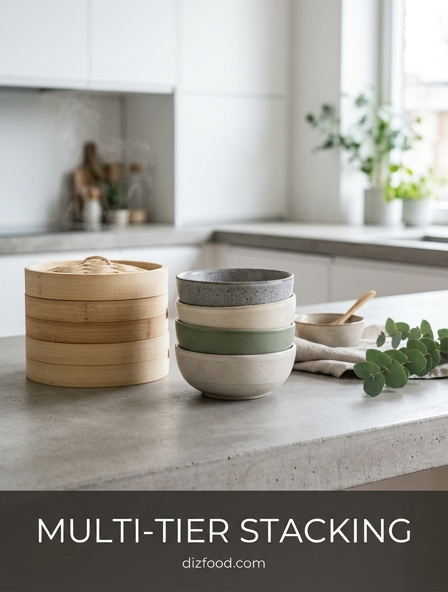
Mastering the Multi Tier Steam Stack
Vertical cooking is an ancient culinary art reimagined for the modern, fast-paced kitchen. By utilizing a multi-tier steam stack, you harness the power of rising heat to cook multiple components of a meal simultaneously. This method relies on the physics of steam, which moves upward from a boiling liquid source, permeating each layer with consistent, moist heat. Mastering this technique requires an understanding of how steam behaves as it travels through different levels, losing a fraction of its intensity as it reaches the top.
To achieve professional-grade results, one must consider the following foundational principles of stacking:
- Steam density is highest at the base, making it the most intense heat zone.
- Perforations in each tier must remain partially unobstructed to allow airflow.
- Lid seals must be tight to maintain internal pressure and temperature.
- Uniformity in food size ensures that every item in a single tier finishes at the same time.
By shifting from horizontal pan cooking to vertical stacking, you reclaim counter space and reduce energy consumption significantly. It is not merely about stacking baskets; it is about orchestrating a symphony of temperatures and textures within a compact vertical column.
Essential Gear for Vertical Cooking
The success of your multi-tier endeavors depends heavily on the quality and material of your equipment. Different materials offer varying degrees of heat retention and moisture control. For instance, traditional bamboo is prized for its ability to absorb excess moisture, preventing condensation from dripping back onto the food, whereas stainless steel is favored for its durability and ease of sanitization. Choosing the right gear involves matching the material to your most frequent cooking style.
| Material | Primary Benefit | Best For |
|---|---|---|
| Bamboo | Moisture Absorption | Dim Sum, Dumplings, Buns |
| Stainless Steel | Heat Retention | Root Vegetables, Grains |
| BPA-Free Silicone | Flexibility/Non-stick | Delicate Fish, Eggs |
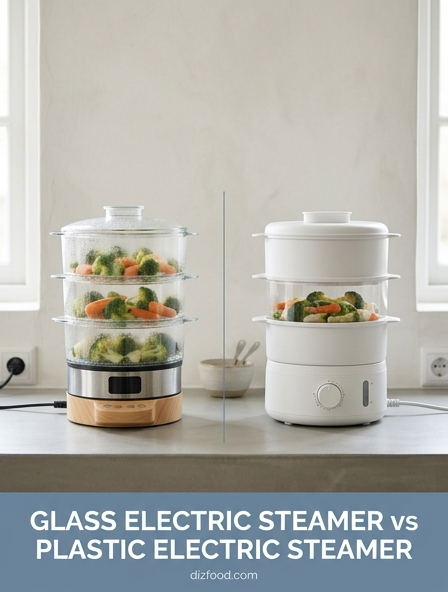
| Electric Steamers | Automated Timers | Complete Meal Prepping |
When selecting a stack, ensure the tiers fit snugly without wobbling. An airtight seal between layers is critical; otherwise, steam escapes, leading to unevenly cooked food and extended preparation times. Investing in tiered inserts that fit your existing stockpot can also be a space-saving alternative for smaller kitchens.
Strategic Layering for Perfect Results
The logic of the stack dictates that the densest, most heat-resistant ingredients stay closest to the water source. This zone receives the most aggressive heat, which is necessary for breaking down tough fibers or cooking raw proteins. As the steam ascends, it cools slightly, creating a gentler environment in the upper chambers. This gradient is the key to preventing overcooked mush at the bottom and raw centers at the top.
- Bottom Tier: Hard root vegetables like potatoes, carrots, or beets that require high, direct heat.
- Middle Tier: Dense proteins such as chicken breasts, thick fish fillets, or marinated tofu blocks.
- Top Tier: Delicate leafy greens, snap peas, or pre-cooked grains that only need a light warming.
- Final Step: Place the heavy lid firmly on the top tier to ensure the steam cycles back down.
By following this hierarchy, you ensure that every element of your meal reaches its peak texture simultaneously. Ignoring this order often results in the bottom layer turning to puree while the top layer remains cold and unappetizing.
Time Saving Batch Prep Secrets
Multi-tier stacking is the ultimate tool for those who value efficiency during a busy work week. Instead of cooking individual meals daily, you can use a high-capacity stack to prepare large quantities of base ingredients in one twenty-minute session. The secret lies in the preparation phase. By chopping vegetables and portioning proteins into uniform sizes before they hit the steamer, you eliminate the guesswork associated with varying cook times.
- Prep all "hard" vegetables into 1-inch cubes for consistent softening.
- Use parchment paper liners to prevent different food types from sticking to the tiers.
- Batch-steam grains like quinoa or couscous in a heat-proof bowl on the bottom rack.
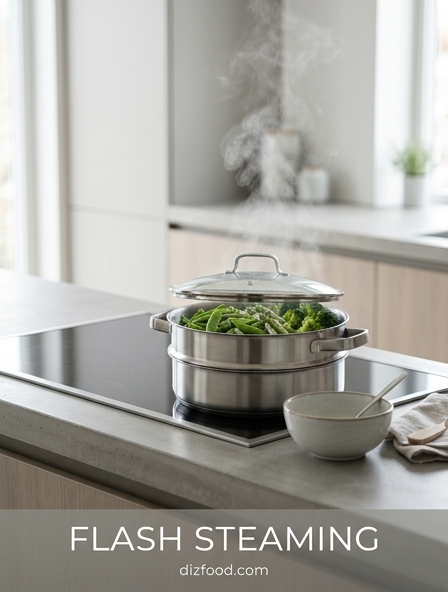
- Flash-steam greens for only three minutes, then immediately shock them in ice water.
This approach allows you to mix and match pre-cooked components throughout the week. A single steaming session can provide the foundation for salads, stir-fries, and grain bowls, effectively cutting your total kitchen time by more than half while maintaining the freshness of the ingredients.
One Burner Full Week Nutrition
In many modern living situations, kitchen space and appliance availability are limited. The multi-tier stack transforms a single burner into a full-scale kitchen. This "one-burner" philosophy emphasizes nutritional density and variety without the need for multiple pots and pans. You can effectively steam a week's worth of complex carbohydrates, lean proteins, and fibrous vegetables using just one heat source and a vertical stack of baskets.
- Start with a base liquid that adds flavor, such as chicken stock or water infused with ginger.
- Load the bottom basket with enough sweet potatoes or brown rice for five days.
- Middle layers should hold bulk chicken or legumes that serve as your protein foundation.
- Top layers are reserved for rotating seasonal vegetables to ensure micronutrient variety.
This method not only saves on the utility bill but also simplifies the mental load of meal planning. When you know everything can be cooked in one stack, the barrier to eating healthy, home-cooked meals is significantly lowered. It is an ideal strategy for students, apartment dwellers, or anyone looking to streamline their nutritional intake.
Flavor Isolation in Stacked Tiers
One common concern with vertical cooking is the potential for "flavor bleed," where the juices or aromas of one ingredient drip down and alter the taste of another. While sometimes this synergy is desired, often you want to keep your lemon-herb fish from making your chocolate-infused dessert pears taste like seafood. Managing flavor isolation is an essential skill for those using three or more tiers at once.
- Use solid liners, such as silicone mats or parchment paper, to block liquid transfer between tiers.
- Arrange the most aromatic ingredients, like garlic or onions, in the uppermost tier.
- Utilize cabbage leaves or banana leaves as natural, biodegradable barriers that add subtle fragrance.
- Place items that benefit from "flavor dripping," like vegetables, below proteins to catch seasoned juices.
By strategically placing barriers and considering the "drip path," you can cook a diverse range of flavors simultaneously. This allows for a complete meal-including side dishes with vastly different flavor profiles-to be prepared in a single stack without compromising the integrity of each individual dish.
Optimal Timing for Varied Ingredients
The biggest challenge in multi-tier stacking is the timing offset. Not every food item requires the same duration under steam. To master this, you must adopt a "staggered entry" or "staggered exit" approach. This involves adding tiers to the stack at different intervals or removing them as their contents reach perfection. Understanding the density and water content of your food is vital for calculating these windows accurately.
| Ingredient Type | Steam Time | Tier Position |
|---|---|---|
| Root Vegetables | 20-25 mins | Bottom |
| Chicken/Fish | 10-15 mins | Middle | 5-7 mins | Top |
| Leafy Greens | 2-3 mins | Top |
For a seamless experience, start the bottom tier first. Set a timer, and when the remaining time matches the requirement for the next layer, simply lift the lid, add the new tier, and replace the lid. This cumulative process ensures that when the final timer goes off, every single level is perfectly cooked and ready to serve hot.
Protein and Vegetable Synergy
When cooking vertically, you have the unique opportunity to use the natural fats and juices of proteins to season the vegetables below. This synergy enhances the flavor profile of the entire meal without adding extra oils or salt. If you place a seasoned piece of salmon or marinated chicken in a middle tier, its rendered juices will gently baste the vegetables in the bottom tier as they cook. This creates a cohesive flavor bridge across the different layers.
- Identify a protein with a complementary marinade, such as soy-ginger or lemon-garlic.
- Place a porous vegetable, like bok choy or sliced zucchini, in the tier directly below the protein.
- Ensure the protein is not wrapped in foil, allowing the juices to pass through the basket perforations.
- Collect the flavored water at the very bottom to use as a light "jus" or soup base.
This technique turns the steamer into a self-basting system. It maximizes the utility of every ingredient and ensures that even the simplest steamed vegetables have a rich, savory depth that is often missing in traditional boiling or microwave steaming methods.
Efficient Cleanup for Busy Kitchens
The beauty of multi-tier stacking extends beyond the cooking process into the cleanup phase. Because steaming is a moist-heat method, it rarely results in the "burnt-on" messes common with roasting or frying. However, starch from rice or proteins from fish can still stick to the mesh or bamboo. Efficient cleanup starts during the cooking process by using smart barriers to protect your gear.
- Always use a liner (parchment, silicone, or leaves) for sticky items like dumplings or fish.
- Rinse the tiers with hot water immediately after removing the food to prevent residue from drying.
- Avoid using harsh detergents on bamboo; a simple brush and hot water preserve the material's life.
- Stack the clean tiers vertically to air dry, saving precious counter space during the drying phase.
By keeping the tiers clean and dry, you prevent the growth of mold in bamboo and maintain the luster of stainless steel. Since you only used one pot for the water and a few stackable baskets, the total number of dishes to wash is significantly lower than a traditional multi-course meal prepared on a stovetop.
Maximizing Nutrient Retention Every Meal
Steaming is widely regarded by nutritionists as one of the healthiest cooking methods available. Unlike boiling, where water-soluble vitamins (like B and C) leach into the cooking water and are often discarded, steaming keeps the food separate from the liquid. The gentle heat of the steam breaks down cellular structures to make nutrients more bioavailable without destroying the delicate enzymes and antioxidants that are sensitive to high temperatures.
- Vitamin Retention: Steaming preserves up to 90% of the antioxidants found in fresh vegetables.
- Color and Texture: The rapid heat locks in chlorophyll, keeping green vegetables vibrant and crisp.
- Low Fat: No supplemental oils or butter are required to prevent sticking or add moisture.
- Flavor Purity: The natural sugars and salts of the food are concentrated rather than diluted.
When you use a multi-tier stack, you are essentially creating a nutrient-controlled environment. By avoiding the oxidation that occurs with high-heat frying and the leaching that occurs with boiling, you ensure that every meal served from your stack is as nutritionally dense as possible. This makes vertical cooking not just a matter of convenience, but a pillar of a health-conscious lifestyle.

Comments