
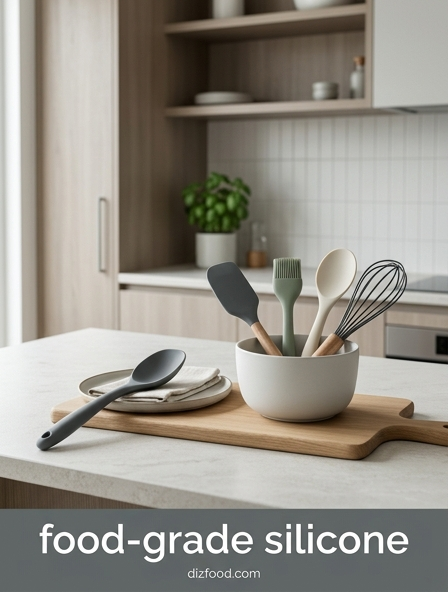
Understanding Food Grade Silicone Safety
Food grade silicone is a non-toxic polymer primarily derived from silica, or common sand. Unlike traditional plastics that may contain harmful fillers, high-quality silicone is rigorously tested to ensure it meets FDA and LFGB standards for food contact. Its chemical inertness means it does not react with acidic or oily foods, preventing any metallic or plastic aftertaste. This stability is crucial for maintaining the purity of ingredients during various cooking processes.
- Non-reactive to acidic and alkaline ingredients.
- Free from lead, latex, and phthalates.
- Does not support the growth of mold or bacteria.
- Hypoallergenic surface for sensitive users.
The molecular structure of food grade silicone allows it to remain flexible without compromising its structural integrity. Because it is non-porous, it does not absorb odors or colors from pungent foods like garlic or turmeric. This makes it an ideal material for professional chefs and home cooks who prioritize hygiene and safety in their daily culinary routines.
Microwave Heat Resistance Standards
Silicone is uniquely engineered to withstand extreme temperature fluctuations, making it a premier choice for microwave cooking. While many plastics warp or release chemicals when heated, silicone remains thermally stable across a wide range of temperatures. It can transition seamlessly from a cold freezer to a high-heat microwave without cracking or melting, providing a versatile solution for modern meal preparation.
| Feature | Temperature Range |
|---|---|
| Minimum Temperature | -40°C (-40°F) |
| Maximum Temperature | 230°C (446°F) |
| Thermal Conductivity | Low/Insulating |
This heat resistance is a result of the strong silicon-oxygen backbone within the material. Unlike glass, which can suffer from thermal shock, silicone absorbs heat evenly, reducing "hot spots" that can overcook parts of your meal. Users should always check for the microwave-safe symbol, but high-quality food-grade silicone is inherently designed to thrive in high-energy environments without degrading over time.
Benefits of BPA Free Materials
Bisphenol A (BPA) is a synthetic compound found in many traditional polycarbonate plastics that has been linked to various health concerns. Food grade silicone is naturally BPA-free, offering a safer alternative for food storage and heating. By choosing silicone, consumers eliminate the risk of endocrine disruptors leaching into their meals, which is particularly important when heating liquids or fatty foods that tend to absorb chemical additives more readily.
- Reduces exposure to hormone-mimicking chemicals.
- Ensures safety for infant and child nutrition.
- Prevents chemical migration during high-temperature heating.
- Complies with global health and safety regulations.
The shift toward BPA-free kitchenware is a significant step in proactive health management. Beyond BPA, silicone is also free from BPS and other plasticizers, ensuring that the material remains stable even after hundreds of uses. This peace of mind allows families to focus on the nutritional value of their food rather than the potential toxicity of their cooking vessels.
Steam Cooking Nutrient Retention
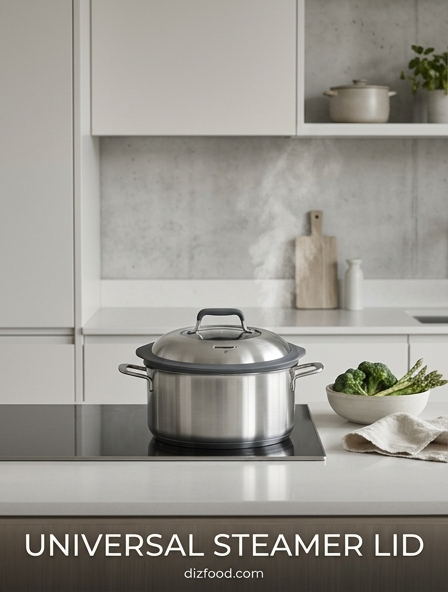
Steam cooking is widely recognized as one of the healthiest preparation methods, and silicone cookware is specifically designed to maximize this benefit. Because silicone can create a tight, flexible seal, it traps steam effectively, allowing food to cook in its own juices. This process preserves essential vitamins and minerals that are often lost when boiling or frying food in high-heat oils.
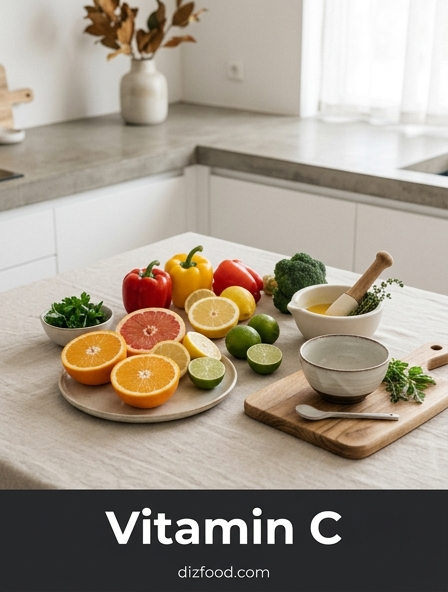
- Retains water-soluble vitamins like Vitamin C and B-complex.
- Maintains the natural color and texture of vegetables.
- Reduces the need for added fats or oils.
- Ensures even heat distribution for consistent results.
In a microwave environment, silicone steamers work by vibrating water molecules within the food while the silicone walls contain the resulting vapor. This "enclosed steam" effect speeds up cooking times while ensuring the food remains moist and tender. For those looking to maintain a nutrient-dense diet, silicone steaming tools offer an efficient way to prepare fish, poultry, and vegetables without sacrificing nutritional integrity.
Non Stick Surface Advantages
One of the most celebrated features of silicone kitchenware is its natural non-stick property. Unlike metal pans that require heavy greasing or Teflon coatings that can flake off over time, silicone provides a smooth, low-friction surface that releases food effortlessly. This is particularly advantageous for delicate tasks like poaching eggs, baking muffins, or preparing sticky rice dishes in the microwave. The absence of traditional non-stick chemicals also makes it a healthier choice for long-term use.
The non-stick nature of silicone significantly reduces the caloric intake of meals because it minimizes the necessity for butter, shortening, or cooking sprays. Even without these lubricants, foods slide out of the container with minimal residue. This feature not only improves the presentation of the final dish but also makes the cooking process far less frustrating for beginners and experienced cooks alike. By maintaining its slick surface throughout its lifespan, silicone ensures that every meal is as easy to serve as it was to prepare.
Durability for Daily Microwave Use
While glass can chip and plastic can become brittle after repeated microwave cycles, food-grade silicone is remarkably resilient. It is a highly flexible material that can be dropped, twisted, or folded without losing its original shape. This durability makes it an excellent investment for busy households where kitchenware is used daily and subjected to frequent washing and high-heat environments.
- Resistance to mechanical impact and shattering.
- Does not warp or "yellow" like traditional plastics.
- Retains flexibility even after years of use.
- Withstands repeated expansion and contraction from heat.
The longevity of silicone is one of its most compelling economic benefits. A single silicone microwave bowl can replace dozens of disposable or low-quality plastic containers over several years. It maintains its structural integrity and safety standards throughout its lifecycle, ensuring that the performance you experience on day one is the same performance you receive years later, regardless of how often it is exposed to microwave radiation.
Eco Friendly Reusable Kitchenware
Transitioning to silicone kitchenware is a major step toward a zero-waste lifestyle. As a reusable alternative to single-use plastics, plastic wrap, and aluminum foil, silicone helps significantly reduce the amount of waste sent to landfills. Its long lifespan ensures that fewer resources are consumed in the manufacturing of replacement products, making it a sustainable choice for environmentally conscious consumers.
- Reduces reliance on single-use plastic storage bags.
- Lower carbon footprint over the product's total lifecycle.
- Recyclable at specialized facilities.
- Decreases the demand for petroleum-based plastic products.
Environmental sustainability is not just about the material itself, but also about the energy required to maintain it. Silicone's ability to be cleaned easily and its resistance to degradation mean it stays in the kitchen and out of the trash. By investing in high-quality silicone pieces, users contribute to a circular economy where durability and reusability are prioritized over convenience-driven disposability.
Efficient Moisture Control Features
Modern silicone microwave cookware often features innovative venting systems designed to manage steam and moisture. These features prevent the build-up of excess pressure while ensuring that food does not become dry or rubbery. Proper moisture control is the key to reheating leftovers so they taste as fresh as the moment they were first cooked, a feat that is often difficult to achieve with standard ceramic plates or plastic lids.
| Component | Function |
|---|---|
| Steam Vents | Releases excess pressure safely. |
| Sealing Lids | Locks in moisture for tender meat. |
| Raised Bases | Prevents food from sitting in excess liquid. |
The flexibility of silicone allows for the creation of unique lids that can expand or contract based on the steam pressure inside. This dynamic moisture management ensures that delicate items like dumplings or fish are steamed perfectly, while sturdier items like grains remain fluffy and hydrated. By controlling the evaporation process, silicone helps maintain the ideal texture and flavor profile of various ingredients.
Easy Cleaning and Maintenance
Cleaning silicone is remarkably straightforward due to its hydrophobic and non-stick properties. Most silicone items are completely dishwasher safe, meaning they can be placed on any rack without fear of melting or warping. For those who prefer hand-washing, a simple combination of warm water and mild soap is usually sufficient to remove even the most stubborn food residues or grease films.
- Dishwasher safe for effortless sanitation.
- Stain-resistant material keeps items looking new.
- Odor-resistant properties prevent flavor transfer.
- Can be boiled for deep sterilization.
Unlike metal bakeware, silicone does not rust or corrode, and unlike wood, it does not crack or absorb water. This low-maintenance profile is a significant advantage for those with busy lifestyles. If a white "calcium film" appears due to hard water, it can be easily removed with a quick vinegar soak. Overall, the ease of maintenance ensures that silicone tools remain hygienic and ready for use with minimal effort.
Optimized Kitchen Space Solutions
Space efficiency is a critical consideration in modern kitchen design, especially in urban environments. Silicone's unique physical properties allow for innovative designs like collapsible bowls, stackable lids, and flexible mats that take up a fraction of the space required by rigid glass or metal alternatives. These space-saving features do not compromise the functionality of the tools, making them ideal for small kitchens, RVs, and camping kits.
- Collapsible designs reduce storage height by up to 70%.
- Lightweight material is easy to handle and store high up.
- Flexible edges allow containers to fit into tight cupboards.
- Multi-functional tools reduce the total number of items needed.
Because silicone is so versatile, one item can often serve multiple purposes-acting as a microwave steamer, a storage container, and a serving bowl. This multifunctionality further declutters the kitchen by reducing the need for specialized equipment. When not in use, silicone items can be nested or folded, ensuring that your kitchen remains organized and efficient without sacrificing your ability to cook high-quality, healthy meals.

Comments