
Understanding Dry-Boil Damage Risks
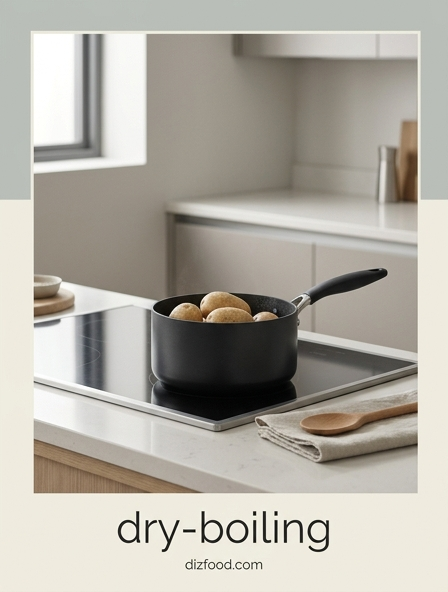
Dry-boiling occurs when a kitchen vessel, such as a kettle, pot, or steamer, is heated until all liquid evaporates, leaving the container exposed to direct heat sources without a cooling medium. This phenomenon represents one of the primary causes of kitchen appliance failure and potential fire hazards. When water is present, it absorbs thermal energy and maintains a consistent temperature; however, once the water vanishes, the temperature of the vessel can skyrocket within seconds.
The structural risks associated with dry-boiling are significant and often irreversible. For metal cookware, extreme thermal stress can lead to the following outcomes:
- Warping of the base, preventing the vessel from sitting flat on induction or glass cooktops.
- Degradation of non-stick coatings, which may release toxic fumes when overheated.
- Melting of plastic handles, knobs, or internal gaskets not designed for dry heat.
- Weakening of solder joints in copper or multi-clad stainless steel pans.
Beyond the physical damage to the tool, dry-boiling creates an immediate risk of fire. If left unattended, the radiant heat can ignite nearby combustible materials or cause the heating element to burn out, potentially sparking an electrical fault.
Monitoring Reservoir Water Levels
Effective kitchen management requires constant vigilance over water reservoirs, particularly when using appliances designed for long-duration steaming or boiling. Many modern kitchen tools, like electric food steamers and kettles, feature external water gauges or transparent windows. These visual aids are essential for preventing the transition from a safe simmering state to a dangerous dry-boiling scenario. Users should develop the habit of checking these levels every fifteen to twenty minutes during extended cooking cycles.
It is important to remember that evaporation rates vary significantly based on the intensity of the heat source and the altitude of the kitchen. A high-wattage burner will deplete a shallow reservoir much faster than a low-energy simmer. In professional environments, chefs often use "look-and-fill" cycles to ensure that the water never drops below a minimum safety line. For manual stovetop boiling, utilizing a heavy, well-fitting lid can help recycle steam, returning moisture to the pot and slowing the rate of depletion. Always ensure that the water level covers the base of the vessel by at least two inches to provide a sufficient thermal buffer against rapid evaporation.
Benefits of Automatic Shut-Off
The integration of automatic shut-off technology in kitchen appliances has revolutionized safety, specifically addressing the hazards of dry-boiling. This feature typically relies on a bimetallic strip or a specialized thermistor that detects when the internal temperature exceeds the boiling point of water. Once the liquid has evaporated, the temperature rises sharply, triggering the mechanism to disconnect power immediately. This intervention prevents the heating element from reaching temperatures that could melt the casing or start a fire.
- Enhanced Fire Safety: By cutting power at the first sign of overheating, the device eliminates the primary ignition source.
- Energy Conservation: Automatic shut-off prevents the waste of electricity or gas once the intended task is finished.
- Peace of Mind: Users are protected against occasional forgetfulness, which is a common cause of household kitchen accidents.
- Protection of Investment: This feature ensures that the appliance is not destroyed by a single instance of negligence.
While this technology is highly effective, it should be viewed as a secondary safety measure rather than a replacement for active supervision. Regular testing of the shut-off function ensures the sensors remain responsive over years of use.
Optimal Filling Techniques
To avoid the perils of dry-boiling, one must master the art of filling kitchen vessels correctly. Overfilling can lead to boil-overs that extinguish gas flames or short-circuit electric coils, while underfilling leads directly to dry-boil damage. The ideal filling technique respects the manufacturer's specified minimum and maximum markings, which are calculated to balance steam pressure and thermal safety. The type of water used also impacts how the vessel handles high temperatures over time.
| Water Type | Boiling Performance | Dry-Boil Risk Factor |
|---|---|---|
| Tap Water | Standard boiling point; creates mineral scale. | High; scale can insulate sensors. |
| Distilled Water | Pure; no mineral buildup. | Low; ensures accurate sensor readings. |
| Filtered Water | Reduced minerals and impurities. | Moderate; still requires regular descaling. |
Always fill the reservoir while the appliance is cool and disconnected from power. If refilling a hot vessel that has run dry, add warm water gradually to prevent thermal shock, which can crack ceramic linings or shatter glass carafes.
Impact on Equipment Longevity
The longevity of kitchen equipment is directly tied to how often it is subjected to thermal extremes. Dry-boiling is a "catastrophic event" for most small appliances. Even if a kettle survives a dry-boil incident without catching fire, the internal damage to the heating element is cumulative. Each time the metal is stressed beyond its design parameters, it undergoes microscopic changes in its crystalline structure. This leads to metal fatigue, making the element more prone to snapping or shorting out in the future.
Furthermore, the seals and gaskets used in steamers and pressure cookers are often made of silicone or rubber. These materials have a high heat resistance but are not designed for the intense, dry heat of a parched pot. Repeated exposure to dry-boiling causes these seals to become brittle, lose their elasticity, and eventually fail, leading to leaks and loss of pressure. By maintaining proper water levels, you preserve the chemical integrity of these components. Investing in high-quality cookware and following strict hydration protocols ensures that your kitchen tools remain functional for decades rather than months, ultimately saving money and reducing waste.
Preventing Fabric Heat Damage
A frequently overlooked consequence of dry-boiling is the potential damage to kitchen textiles. When a pot runs dry, it stops emitting steam and starts radiating intense infrared heat. Nearby fabrics such as cotton dish towels, synthetic aprons, or decorative curtains can easily absorb this heat. If the vessel is sitting on a stovetop near a hanging towel, the radiant energy can reach the "auto-ignition" temperature of the fabric without any direct flame contact.
To prevent fabric heat damage, maintain a "clear zone" around all boiling appliances:
- Keep dish towels at least twelve inches away from the stove or electric kettle base.
- Ensure that oven mitts are stored in a drawer or on a hook far from the heat source.
- Avoid wearing loose-sleeved garments while managing steamers that might run dry.
- Never place a boiling vessel directly on a wooden surface or a cloth tablecloth.
Dry heat is much more aggressive than moist heat; while steam might dampen a fabric, the dry heat from an empty pot will parch and scorch it. Monitoring water levels is as much about protecting your home's textiles as it is about protecting the cookware itself.
Essential Descaling and Maintenance
Maintenance plays a critical role in preventing dry-boil incidents. Mineral deposits, commonly known as scale, accumulate on the bottom of kettles and around heating elements. This layer of calcium and magnesium acts as an insulator, preventing the water from cooling the element efficiently and confusing the sensors that detect boiling. In some cases, heavy scale can fool an automatic shut-off sensor into thinking there is still water present when the vessel is actually dry, or vice versa.
- Assess the build-up every month, especially in hard-water areas.
- Use a solution of equal parts white vinegar and water to dissolve minerals.
- Boil the solution once, let it sit for thirty minutes, and rinse thoroughly.
- Wipe down external sensors and water-level windows to ensure visibility and accuracy.
A clean appliance operates at its intended thermal efficiency. When the heating element is free of scale, heat transfer is instantaneous, and the risk of localized "hot spots" is minimized. Consistent descaling ensures that safety features like dry-boil protection remain calibrated and ready to act in an emergency, extending the life of the kitchen tool significantly.
Smart Sensors and Alarms
The latest generation of "smart" kitchen appliances incorporates sophisticated sensors designed to detect the specific ultrasonic vibrations of a boiling liquid or the rapid temperature spikes associated with evaporation. Unlike traditional bimetallic switches, these electronic sensors can provide an audible alarm long before the water completely disappears. Some high-end induction cooktops feature "boil-dry" detection integrated directly into the glass surface, which can automatically throttle the power of the burner if it detects the pot is becoming dangerously hot without the presence of liquid.
Additionally, some smart kettles and steamers now connect to mobile applications via Bluetooth or Wi-Fi. These apps can send a notification to your smartphone if the water level is low, allowing you to intervene even if you have stepped into another room. These technologies provide a robust safety net for busy cooks who may be multitasking. However, electronics can fail due to moisture or heat exposure, so these smart features should always be considered a backup to human observation. Utilizing tools with clear, loud acoustic alarms ensures that even if you are distracted, the appliance can call for your attention before damage occurs.
Safe Operating Procedures
Safety in the kitchen begins with disciplined operating procedures. Every time you use a boiling or steaming appliance, you should follow a mental checklist to mitigate the risk of dry-boiling. This starts with proper placement: always ensure the appliance is on a flat, heat-resistant surface away from the edge of the counter. When using stovetop pots, match the size of the burner to the diameter of the pot to avoid heating the handles and causing unnecessary evaporation from the sides.
- Never leave a boiling pot or electric kettle completely unattended for more than a few minutes.
- Use a kitchen timer as a secondary reminder to check water levels.
- Always turn off the heat source before removing the vessel from the stove or base.
- If an appliance does run dry, do not move it immediately; let it cool in place to avoid burns.
By treating the act of boiling water as a process that requires active management, you reduce the likelihood of accidents. Establishing a routine where you verify the water level before every use-even if you think it was filled previously-is the best defense against equipment failure and kitchen fires.
Choosing Quality Steaming Tools
When shopping for kitchen tools that involve boiling or steaming, quality should be the primary consideration over price. High-quality tools are built with thicker materials that can withstand occasional heat stress better than thinner, cheaper alternatives. For instance, a heavy-bottomed stainless steel pot will distribute heat more evenly and resist warping far better than a thin aluminum one. Look for products that specifically advertise "Dry-Boil Protection" or "Boil-Dry Cut-out" as a standard feature, as this indicates the manufacturer has prioritized safety.
Examine the construction of the water reservoir. Is it easy to see? Are the markings etched into the metal or just printed on? Etched markings are preferable because they will not fade over time with cleaning. Furthermore, consider the material of the internal components. Stainless steel internal bases are generally more durable and easier to descale than plastic ones. Investing in reputable brands with certified safety ratings (such as UL or CE) ensures that the sensors and switches inside the unit have been tested under rigorous conditions. A quality steaming tool is an investment in both culinary success and household safety, providing reliable performance while minimizing the risks of dry-heat damage.



Comments