
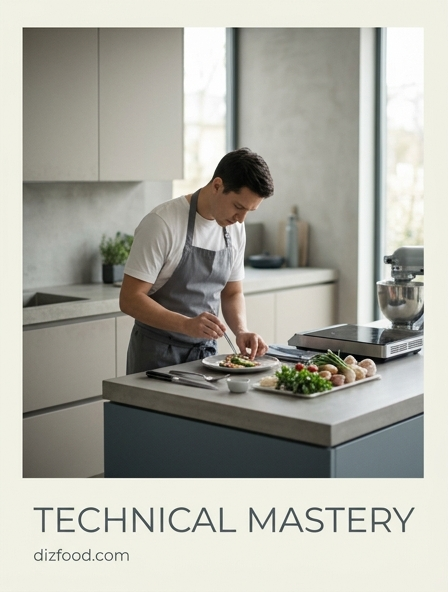
Mastering Mise en Place for Social Success
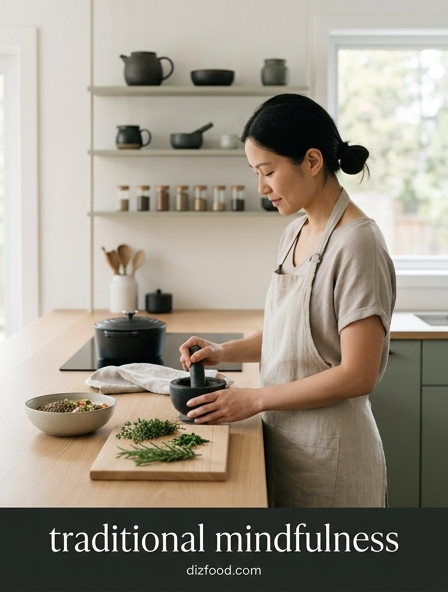
Technical mastery in the kitchen begins with the rigorous discipline of mise en place. This French culinary phrase, meaning "everything in its place," is the foundational pillar that separates chaotic cooking from professional execution. By preparing every ingredient-washing, chopping, measuring, and arranging-before the heat is ever applied, a cook gains psychological clarity. This mental space is vital during social gatherings, where the host must balance complex cooking tasks with the needs of their guests.
A well-executed mise en place strategy includes several key components:
- Consolidation of similar tasks to maximize knife efficiency.
- Use of uniform containers to organize ingredients by order of use.
- Pre-cleaning of the workspace to prevent cross-contamination and clutter.
- Verification of all equipment functionality before service begins.
When the physical environment is controlled, the host can pivot from the role of a stressed laborer to a confident conductor. This transition ensures that the technical quality of the food remains high while the social atmosphere remains relaxed and inviting, as the heavy lifting was completed well before the first guest arrived.
Professional Workflow Integration in Home Kitchens
To achieve professional-grade results at home, one must adopt the structural workflow utilized in high-output commercial kitchens. This involves more than just speed; it requires an understanding of the "work triangle" and the elimination of redundant movements. By organizing the kitchen into specific zones-prep, cook, and clean-the home cook can minimize physical fatigue and reduce the time spent searching for tools. Efficiency is not about rushing; it is about the rhythmic execution of tasks within a logical sequence.
- Identify the primary work zones and group related tools within reach.
- Adopt a "clean as you go" policy to maintain a sterile and spacious environment.
- Utilize staging areas for finished components to avoid overcrowding the stove.
- Standardize the placement of essential items to build muscle memory.
Integrating these professional habits allows for a seamless transition between different stages of a recipe. As muscle memory develops, the cook can handle multiple pans and complex techniques with ease. This systemic approach reduces the margin for error, ensuring that every dish served meets a high standard of technical excellence consistently.
Strategic Planning for Stress Free Hosting
The hallmark of a master host is the ability to deliver a multi-course meal without appearing overwhelmed. This level of technical mastery is achieved through strategic backward mapping. Starting from the desired serving time, the cook must calculate the exact duration of every preparation, cooking, and resting phase. This roadmap prevents the common pitfall of having components ready at different times, which often leads to cold plates or overcooked proteins.
| Time Relative to Service | Task Category | Focus Area |
|---|---|---|
| T minus 48 Hours | Sourcing & Processing | Marinades, stocks, and dry-aging. |
| T minus 24 Hours | Advance Prep | Vegetable prep and sauce bases. |
| T minus 2 Hours | Final Mise en Place | Room temperature proteins and garnishes. |
| T minus 0 Hours | Service Execution | Plating, finishing salts, and garnishing. |
This structured timeline serves as a central nervous system for the evening. By externalizing the schedule, the host offloads the cognitive burden of timing, allowing them to engage meaningfully with guests while the kitchen operates like a well-oiled machine.
Culinary Precision and the Guest Experience
Culinary precision is the subtle difference between a good meal and a transformative dining experience. In the realm of technical mastery, precision refers to the exactness of temperatures, the uniformity of cuts, and the balance of acidity and salt. For a guest, this precision translates into a sense of being cared for. When a steak is served at the perfect internal temperature or a julienne is perfectly even, it signals a high level of respect for both the ingredients and the diner.
Technical skill also influences the sensory perception of the food. A perfectly emulsified vinaigrette coats the palate differently than a broken one, and a sauce reduced to the correct nappé consistency provides a luxurious mouthfeel that elevates the entire dish. Mastery of these fine details ensures that every bite is intentional. By focusing on the minutiae of technique, the cook creates a narrative of quality. Guests may not be able to identify the specific scientific reasons why the food is superior, but they will certainly feel the impact of the precision behind it.
Applying Commercial Kitchen Efficiency at Home
Commercial kitchens thrive on the principle of maximum output with minimum waste. Bringing this efficiency into the home kitchen requires a shift in mindset regarding how ingredients and energy are managed. For instance, using a single high-quality chef's knife for 90% of tasks is more efficient than constantly switching between specialty blades. Similarly, understanding heat retention in different cookware materials allows for better energy management and more consistent searing.
- Invest in heavy-bottomed pans that maintain consistent thermal mass.
- Use "trash bowls" on the counter to avoid frequent trips to the bin.
- Master the "claw grip" and "rocking motion" to increase chopping speed safely.
- Organize the refrigerator by temperature requirements to ensure food safety and longevity.
Efficiency also extends to the cleanup process. By using fewer dishes and washing as you go, the post-dinner burden is significantly reduced. This commercial-style discipline ensures that the kitchen remains a productive workshop rather than a site of post-party disaster, preserving the joy of the culinary process for the host.
The Role of Timing in Social Dining
Timing is perhaps the most difficult technical skill to master because it is dynamic and influenced by external factors. In a social setting, the rhythm of conversation dictates the pace of the meal. A professional host must be able to accelerate or decelerate the cooking process without compromising the quality of the food. This requires a deep understanding of "holding" techniques and the science of carry-over cooking.
- Utilize low-temperature ovens to hold side dishes without drying them out.
- Account for resting times for meats to ensure juices redistribute effectively.
- Blanch and shock vegetables in advance to finish them in seconds before serving.
- Prepare cold components ahead of time to offset the labor of hot dishes.
By mastering these timing strategies, the cook can remain flexible. If a guest arrives late or a toast runs long, the food remains at its peak. Technical mastery over time provides the host with the confidence to handle the unpredictability of social interactions while maintaining the integrity of the culinary presentation.
Elevating Flavor with Professional Technique
Beyond basic recipes lies the world of professional techniques that unlock deeper layers of flavor. Technical mastery involves understanding the Maillard reaction, the importance of deglazing, and the transformative power of reduction. These are not merely steps in a recipe; they are chemical processes that require intuition and observation. A master cook knows exactly when a fond has reached its peak color before adding liquid to capture those concentrated flavors for a pan sauce.
Seasoning is another area where professional technique shines. It is not just about adding salt; it is about knowing when to add it. Salting meat early draws out moisture and seasons deeply, while finishing salts provide a textural crunch. Balancing flavors with "brighteners" like citrus or vinegar at the very end can lift a heavy dish and make it vibrant. Mastery of these techniques allows the cook to manipulate flavor profiles with precision, turning simple ingredients into a sophisticated palate of tastes that linger long after the meal has concluded.
Designing a Kitchen for Collaborative Cooking
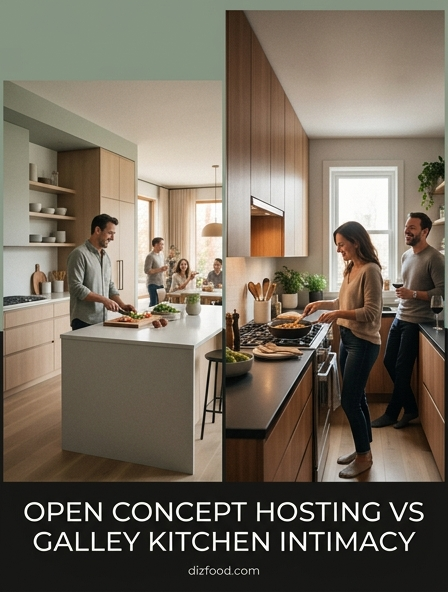
A kitchen optimized for technical mastery should also be designed for collaboration, especially in a social context. The layout should allow for multiple people to work simultaneously without obstructing each other's paths. This is achieved through clear demarcation of tasks and accessible storage. When guests want to help, a master host can delegate specific, low-risk tasks that keep the helpers engaged without disrupting the professional flow of the main preparation.
- Designate a "guest zone" with a dedicated cutting board and knife for simple prep.
- Ensure that frequently used spices and oils are accessible from multiple angles.
- Keep walkways clear of low-hanging obstacles or protruding drawers.
- Provide clear instructions and professional tools to empower guest contributors.
Collaborative cooking turns the preparation phase into a social event. By applying technical logic to the physical space, the host creates an environment where communal effort leads to a superior final product. This design philosophy reinforces the idea that the kitchen is the heart of the home, where technical skill and social connection intersect seamlessly.
Advanced Preparation for Meaningful Connection
The paradox of high-level hosting is that the more technical work you do in advance, the more "natural" and effortless the event appears. Advanced preparation techniques like sous-vide, long-term marination, and the preparation of complex stocks allow the cook to front-load the most demanding tasks. This strategic displacement of labor is what allows for meaningful connection during the actual event. When the most difficult technical hurdles are cleared 24 hours in advance, the host is free to focus on the nuances of the evening.
| Technique | Benefit for Social Hosting | Pre-Event Lead Time |
|---|---|---|
| Sous-Vide | Perfect doneness with a wide service window. | 2-24 Hours |
| Confit | Tenderness and rich flavor; easy to reheat. | 1-3 Days |
| Reduction | Intense sauce bases that only need finishing. | 1 Day |
| Infusion | Unique oils and syrups for cocktails or garnishes. | 3-7 Days |
By utilizing these advanced methods, the host ensures that the "technical" portion of the evening is largely automated. This allows for a presence of mind that is impossible when one is struggling with basic cooking tasks under the pressure of an audience.
From Home Cook to Professional Host
The journey from a home cook to a professional-level host is defined by the transition from following recipes to understanding principles. Technical mastery means knowing why a certain temperature is required or how a specific acid will affect a protein. This knowledge grants the cook the freedom to innovate and the confidence to troubleshoot in real-time. A professional host does not just feed people; they curate an environment where the food serves as the foundation for memory-making.
Ultimately, technical mastery in the kitchen serves the guest. When the host is in complete control of the culinary variables, the anxiety of the "unknown" disappears. This allows for a genuine hospitality that feels effortless and warm. The host can sit down, share a glass of wine, and engage in the conversation, knowing that the oven is timed perfectly and the flavors are balanced. This is the pinnacle of kitchen mastery: the ability to use technical excellence to create a space where human connection can flourish without distraction.

Comments