
Unlocking the full potential of a fine vintage requires an appreciation for the sensory evolution that occurs once the liquid meets the air. As wine breathes, its aromatic profile undergoes a transformative journey, shedding initial restraint to reveal hidden layers of complex fruit, earth, and spice. This maturation is essential for a refined tasting experience, allowing tannins to soften and the bouquet to blossom into its most expressive state. Engaging with these subtle shifts turns a simple pour into a mindful exploration of flavor and craftsmanship. To see how these elegant rituals compare to modern gatherings, explore our insights on Craft Cocktail Mixology vs Wine Decanting Socials.
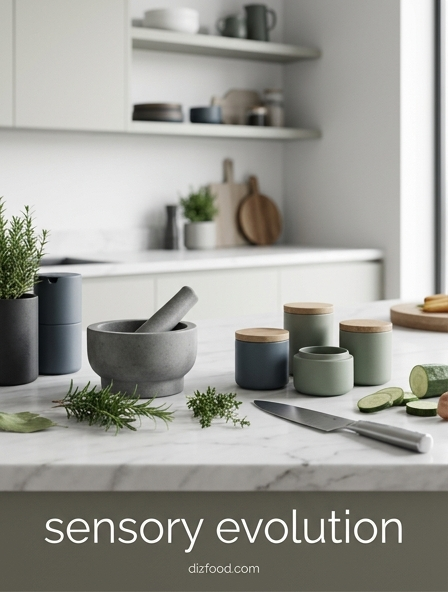
The Intersection of Kitchen Design and Wine Culture
The contemporary kitchen has transitioned from a purely utilitarian workspace into a sophisticated social hub where culinary art and viticulture converge. Modern design now prioritizes the integration of specialized wine storage, acknowledging that a bottle is not merely a beverage but a living element of the home environment. Sleek cabinetry often conceals dual-zone climate controls, ensuring that the visual aesthetic remains uninterrupted while maintaining the structural integrity of a collection. This architectural shift reflects a broader cultural movement toward "edutainment," where the act of preparing a meal is inseparable from the curated experience of selecting and serving a vintage.
As the boundaries between living spaces blur, the kitchen island has emerged as a central altar for wine appreciation. The choice of materials-such as non-porous quartz or reclaimed wood-is often influenced by the need for a stable, neutral surface for tasting. This physical evolution facilitates a deeper connection between the host and the guest, allowing for an interactive sensory journey that begins long before the first course is served. By treating wine as a central design pillar, the modern kitchen honors the heritage of the vineyard while embracing the precision of 21st-century technology.
The Science Behind Evolving Wine Aromas
The aromatic profile of a wine is a volatile tapestry that shifts the moment the cork is removed. This evolution is driven by complex chemical interactions between the wine's organic compounds and the surrounding oxygen. As a wine breathes, esters and thiols-the molecules responsible for fruity and floral scents-undergo a transformative process. In younger wines, this might mean the softening of aggressive primary notes, while in older vintages, it allows the subtle, tertiary aromas of earth, tobacco, and leather to rise to the surface.
- Primary Aromas: Derived directly from the grape variety (e.g., citrus, berry, or stone fruit).
- Secondary Aromas: Produced during the fermentation process (e.g., brioche, butter, or cream).
- Tertiary Aromas: Developed through oxidation and aging in oak or bottle (e.g., forest floor, nuts, or spice).
Understanding this chemical choreography is essential for any enthusiast looking to maximize their sensory experience. The kitchen environment, with its varied ambient temperatures and humidity levels, acts as a laboratory where these reactions take place. By managing the rate of aeration, one can effectively "tune" the wine to reveal its most harmonious olfactory state.
Why Aeration Redefines the Social Tasting
Aeration is more than just a preparation step; it is a theatrical and functional transition that redefines the social dynamics of a tasting. When wine is swirled in a glass or poured into a decanter, the sudden influx of oxygen acts as a catalyst, breaking down high-tannin barriers and releasing trapped aromatic vapors. This process physically alters the wine's texture, making it feel more expansive and velvety on the palate. In a social setting, the act of decanting creates a natural pause, a moment of anticipation that focuses the attention of the group on the sensory evolution about to occur.
The conversation naturally follows the wine's opening. Guests might notice how a tight, acidic red becomes increasingly expressive over the course of thirty minutes. This shared observation builds a collective narrative around the bottle. Furthermore, aeration helps to dissipate unwanted odors, such as sulfur dioxide or reductive "funky" smells, ensuring that the true character of the terroir is presented clearly. By facilitating this chemical release, the host provides a dynamic experience where the liquid in the glass is never static, but rather a constantly shifting participant in the evening's dialogue.
Temperature Dynamics in the Modern Kitchen
Precision in temperature management is the cornerstone of preserving a wine's delicate equilibrium. The kitchen, often the warmest room in the house, poses unique challenges for wine service. Heat is the primary enemy of viticulture, as it accelerates chemical aging and can lead to cooked, flat flavors. Conversely, serving a wine too cold can mask its complexity, numbing the taste buds and suppressing the aromatic compounds that give a vintage its personality. Modern kitchen technology addresses this through precise thermal zones.
| Wine Type | Ideal Serving Temp (°C) | Sensory Impact |
|---|---|---|
| Light Whites | 7°C - 10°C | Preserves acidity and crispness |
| Full-Bodied Reds | 15°C - 18°C | Softens tannins and releases bouquet |
| Sparkling | 5°C - 8°C | Maintains carbonation and freshness |
Integrating these thermal standards into the kitchen workflow ensures that every bottle is enjoyed as the winemaker intended. Whether utilizing a dedicated wine fridge or a rapid-chilling sleeve, the mastery of temperature dynamics allows the host to showcase the full spectrum of a wine's evolution, from the first refreshing sip to the final, lingering finish.
Aromatics as a Bridge for Social Connection
Scent is the most powerful trigger for memory and emotion, making the aromatics of wine a potent tool for social bonding. In the kitchen, where the smells of simmering herbs and searing proteins mingle, the bouquet of a well-chosen wine adds a layer of olfactory depth to the gathering. When guests share their interpretations of a wine's scent-detecting notes of flint, lavender, or dark chocolate-they are not just discussing a drink; they are sharing their personal histories and sensory vocabularies. This exchange fosters a unique form of intimacy and intellectual engagement.
The evolution of these aromas over time provides a continuous thread for conversation. As the wine opens up, the "aromatic bridge" expands, potentially connecting the glass to the food on the table or even to the shared environment of the kitchen itself. This multisensory experience transforms a simple dinner into a memorable event. By focusing on the scent, hosts can encourage a slower, more mindful pace of consumption, allowing the group to appreciate the nuances of the transition and the subtle shifts in the atmosphere that occur as the evening progresses.
The Role of Aging in Refined Flavor Profiles
The journey from a vibrant, fruit-forward young wine to a complex, aged vintage is one of the most celebrated aspects of wine culture. Aging is a patient dance of chemistry where tannins-the structural polyphenols found in skins and seeds-slowly polymerize. This process causes them to precipitate out as sediment, resulting in a smoother, rounder mouthfeel. Simultaneously, the primary fruit flavors begin to fade, making room for the development of "tertiary" characteristics that can only be achieved through time and controlled oxidation within the bottle.
- Chemical Softening: Harsh acids and tannins mellow, creating a balanced structure.
- Aromatic Evolution: Fresh fruit notes transform into dried fruit, spices, and savory undertones.
- Color Shift: Reds move from purple to brick-orange; whites deepen into gold and amber.
For the modern kitchen, storing aged wines requires stability and vibration control. The reward for this patience is a sensory profile that offers unparalleled depth and historical context. An aged wine tells a story of a specific season and place, refined by years of quiet maturation, providing a sophisticated centerpiece for any culinary occasion.
Glassware Selection for Sensory Development
The geometry of a wine glass is not a matter of mere aesthetics; it is a critical tool for directing flow and aroma. The evolution of a wine's sensory profile is heavily influenced by the shape and volume of the vessel in which it is served. A wide bowl, for instance, increases the surface area of the liquid, facilitating the aeration of bold reds and allowing heavy aromas to collect in the "chimney" of the glass. Conversely, a narrower rim for white wines helps to concentrate delicate floral notes and preserves a cooler temperature by limiting exposure to the air.
Choosing the right glassware in a kitchen setting enhances the hosting experience by demonstrating a commitment to the craft. Crystal glassware, with its microscopic roughness, creates more turbulence when the wine is swirled, further aiding in the release of volatile compounds. This technical precision ensures that the palate receives the wine at the optimal point of its evolution. By matching the glass to the varietal, the host provides a lens through which the guest can more clearly perceive the intricate balance of acidity, tannin, and fruit that defines a high-quality vintage.
How Wine Evolution Enhances Culinary Pairings
The dynamic nature of wine means that its relationship with food is also in a state of constant flux. A wine that is freshly opened might pair differently with a dish than it does an hour later. This evolution is vital for multi-course meals where flavors build in intensity. For example, the high acidity of a newly poured Riesling might perfectly cut through the fat of an appetizer, while the same wine, as it warms and breathes, may develop the honeyed weight needed to complement a spicy main course or a savory cheese plate.
Successful pairing relies on understanding how the wine's components-tannin, acid, and alcohol-interact with food. As tannins soften through aeration, a wine that initially felt too "big" for a delicate protein like duck may become a perfect match. The kitchen serves as the staging ground for these experiments, where the cook and the sommelier (often the same person) can adjust seasonings or serving times to catch the wine at its peak. This synergy between the evolving glass and the evolving plate creates a harmonious dining experience that delights the senses and elevates the ingredients of both.
Creating a Multi-Sensory Hosting Environment
A truly immersive hosting experience in the modern kitchen goes beyond the palate, engaging all five senses to create a cohesive atmosphere. The visual appeal of a well-organized wine rack, the tactile feel of polished stemware, and the rhythmic sound of a cork being pulled all contribute to the "sensory evolution" of the evening. Lighting plays a crucial role as well; soft, warm tones can enhance the deep hues of a red wine, while brighter, cooler light can highlight the clarity and brilliance of a chilled white or sparkling vintage.
- Visual: Clarity of the wine and the design of the kitchen space.
- Auditory: The sound of pouring and the ambient music that sets the pace.
- Tactile: The weight of the glass and the texture of the linens.
- Olfactory: The combined scents of the wine bouquet and the culinary preparation.
By consciously curating these elements, the kitchen becomes a stage for sensory discovery. This holistic approach ensures that the wine is not an isolated component but part of a larger, choreographed environment that encourages relaxation, conversation, and a deeper appreciation for the nuances of the moment.
The Journey from First Pour to Final Note
The lifecycle of a wine in a single evening is a microcosm of its entire aging process. From the moment the "first pour" hits the glass, a race against time begins. Initially, the wine may be "closed," offering only a glimpse of its potential. As the minutes pass, the liquid interacts with the kitchen's microclimate, expanding and revealing layers that were previously hidden. This temporal journey is the essence of wine culture; it requires the taster to be present and attentive to the subtle shifts in flavor and aroma that occur from the beginning of the meal to the final note.
This progression often mirrors the arc of a social gathering. The bright, energetic acidity of the start gives way to the deeper, more contemplative flavors of the finish, much like a conversation that moves from light pleasantries to profound shared insights. Recognizing and celebrating this journey allows for a more meaningful connection to the craft of winemaking. In the end, the evolution of the wine in the kitchen is a reminder of the beauty of change and the importance of savoring each phase of the experience before the glass is finally empty.


Comments