
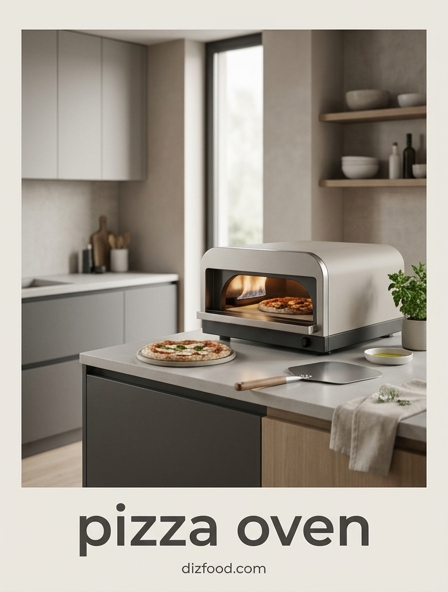
Choosing the Best High-Heat Pizza Oven for Socializing
When selecting a pizza oven specifically for social gatherings, the primary considerations are heat recovery time and fuel source. For many hosts, a gas-powered oven provides the most convenience, allowing for consistent temperatures without the need to manage logs while entertaining guests. However, wood-fired models offer an undeniable aesthetic and flavor profile that serves as a focal point for the evening. Portability is another factor; many modern high-heat ovens are designed to sit on countertops, making them ideal for balcony or patio parties.
| Oven Type | Heat-Up Time | Best For |
|---|---|---|
| Wood-Fired | 45-60 mins | Traditional flavor and ambiance |
| Gas-Powered | 15-20 mins | Ease of use and temperature control |
| Multi-Fuel | Varies | Versatility and experimentation |
Insulation is the silent hero of a social oven. Models with thick ceramic fiber insulation retain heat better between pizzas. This ensures that the second and third pizzas cook just as quickly as the first, preventing long waits that can stall the momentum of your party. Consider the internal cooking surface size as well; a 16-inch opening offers more maneuverability than a 12-inch model, which is helpful when you are multitasking.
Preparing Your Interactive Pizza Dough Station
Setting up a dedicated dough station is the key to a successful interactive pizza night. This area should be separate from the topping bar to avoid "traffic jams" in the kitchen. Using high-quality "00" flour is essential for high-heat ovens, as it withstands 800°F+ temperatures without burning. Provide guests with pre-portioned dough balls that have cold-fermented for at least 24 to 48 hours. This improves flavor and makes the dough easier to stretch by hand.
- Dusting Flour: Use semolina or a 50/50 mix of flour and semolina to prevent sticking on the peel.
- Surface Choice: Marble or stainless steel stays cool, which prevents the dough from becoming too sticky.
- Proofing Containers: Individual round containers help the dough maintain its shape for easier stretching.
To ensure a smooth flow, demonstrate the "slap and stretch" technique to your guests. Encourage them to keep the dough thin in the center while leaving a slightly thicker rim for the crust. Avoid rolling pins if possible, as they deflate the carbon dioxide bubbles created during fermentation, resulting in a denser, less airy crust. Having a few backup dough balls is always a wise strategy for when mistakes inevitably happen.
Essential High-Heat Tools for Your Outdoor Kitchen
Operating an oven that reaches nearly 1,000 degrees Fahrenheit requires specialized tools for both safety and precision. The most critical tool is an infrared thermometer. Without it, you are merely guessing the floor temperature, which can lead to raw dough or charred bottoms. Aim for a stone temperature of approximately 750°F to 850°F before launching your first pizza. A high-quality perforated aluminum peel is also vital; the holes allow excess flour to fall away, preventing a bitter, burnt taste on the crust.
- Launching Peel: Used to slide the raw pizza into the oven.
- Turning Peel: A smaller, circular tool used to rotate the pizza while it remains in the heat.
- Wire Brush: Used to clear ash or debris from the stone between bakes.
- Heat-Resistant Gloves: Necessary when adjusting fuel or moving hot components.
Don't overlook the importance of a dedicated cooling rack. Placing a hot pizza directly onto a wooden board or a metal tray can cause the bottom to steam and become soggy. A wire rack allows air to circulate, maintaining that sought-after crunch. Finally, a heavy-duty pizza rocker or a sharp wheel cutter ensures clean slices without dragging the toppings across the surface of the pie.
Curating a Crowd-Pleasing Pizza Topping Bar
The secret to a successful topping bar lies in the preparation and moisture control. High-heat ovens cook pizzas in under 90 seconds, meaning there is no time for raw toppings to cook or for excess moisture to evaporate. Fresh mozzarella should be sliced and drained on paper towels for at least an hour to prevent a "soup" from forming in the center of the pizza. Similarly, vegetables like mushrooms or peppers should be sautéed or thinly shaved to ensure they are palatable in a short timeframe.
Organize your bar logically, starting with sauces, moving to cheeses, and ending with proteins and finishes. Small bowls with individual spoons prevent cross-contamination and keep the station tidy. Consider offering a mix of classic and "post-bake" toppings. Fresh arugula, prosciutto, hot honey, or high-quality balsamic glaze should only be added after the pizza leaves the oven to preserve their delicate flavors and textures. This adds a layer of sophistication to the meal and allows guests to customize their creations even after the cooking process is complete. Always provide a variety of flavor profiles, including salty, sweet, and spicy, to cater to different palates.
Mastering Rapid Cooking Times for Hungry Guests
In a high-heat environment, the difference between a perfect crust and a charred ruin is a matter of seconds. Once the pizza is launched, you must stay focused. For most outdoor pizza ovens, the "flame side" is significantly hotter than the rest of the oven. To achieve an even bake, you must master the 90-second rotation cycle. Waiting too long to turn the pizza will result in one side burning while the other remains undercooked.
- The Launch: Check the stone temp, then slide the pizza into the center.
- The First Turn: After 20-30 seconds, once the edges have set, rotate 180 degrees.
- The Finishing Turns: Every 15 seconds, give the pizza a quarter turn to even out the browning.
- The Dome: If the bottom is done but the top needs more color, lift the pizza toward the ceiling with the peel.
Efficiency is paramount when cooking for a crowd. While one pizza is in the oven, the next should be in the final stages of topping. However, never "build" a pizza on a peel too far in advance, as the dough will stick to the metal. Keeping a rhythm ensures that guests receive hot slices continuously, rather than waiting in long intervals for the next round of food.
Creating a Seamless Flow Between Kitchen and Oven
The physical layout of your cooking space dictates the energy of the party. If you are constantly running between an indoor kitchen and an outdoor oven, you miss out on the social aspect. Ideally, the preparation area and the oven should be within a few steps of each other. If your oven is outdoors, set up a folding table or a portable kitchen island nearby to serve as your "staging ground." This area should house your dough, toppings, and tools.
Designate specific zones for different activities: a "dirty" zone for stretching dough and flouring peels, a "clean" zone for topping and slicing, and a "landing" zone for the finished product. Having a clear exit strategy for hot pizzas is essential to avoid bottlenecks. Use heat-safe surfaces for the landing zone and have your cutting tools ready. If you are the primary chef, try to face your guests while you work. This allows you to engage in conversation and explain the process, turning the cooking into a performance rather than a chore. Good lighting is also crucial, especially for evening events, so you can monitor the crust's color accurately.
Safety Tips for High-Temperature Party Hosting
Hosting a party around a 900°F oven requires strict safety protocols to prevent accidents. The oven's exterior can become incredibly hot, and the intense heat radiating from the mouth of the oven can cause burns if guests stand too close. Establish a "no-go zone" around the oven, particularly if children or pets are present. It is helpful to use physical markers or the arrangement of furniture to naturally guide guests away from the immediate heat source.
- Clearance: Ensure the oven is at least three feet away from combustible materials like wooden fences or low-hanging branches.
- Alcohol Safety: The "pizzaiolo" should remain focused and limit alcohol consumption until the heavy cooking is finished.
- Fire Management: Keep a fire extinguisher nearby that is rated for grease or wood fires.
- Peel Handling: Always keep peels dry; a wet peel will cause the dough to stick, leading to a dangerous "launch" mishap.
Dispose of hot ashes (for wood-fired ovens) in a metal bucket with a lid, never in a plastic trash can. Also, remind guests that the stones and peels remain hot for a long time after the flame is extinguished. By maintaining a clean, organized workspace and setting clear boundaries, you can ensure the evening remains enjoyable and incident-free.
Creative Pizza Recipes for Interactive Entertaining
While the Margherita is a classic, offering creative recipes encourages guests to experiment and talk about their creations. Think beyond traditional red sauce; pestos, white creams, and even infused oils can serve as excellent bases. Interactive entertaining works best when guests can choose from curated "flavor profiles" that you have pre-tested. This prevents "topping overload," which can lead to soggy pizzas that are difficult to launch into the high-heat environment.
| Style | Base Sauce | Key Toppings |
|---|---|---|
| Hot Honey & Fig | Olive Oil | Goat cheese, dried figs, prosciutto, hot honey |
| Pistachio Mortadella | Pesto | Buffalo mozzarella, mortadella, crushed pistachios |
| The Spicy Bee | San Marzano | Soppressata, chili flakes, honey, basil |
Encourage guests to try "white" pizzas, which often showcase the char of the dough better than red-sauce versions. A simple blend of ricotta, garlic, and lemon zest topped with fresh arugula after baking is often a crowd favorite. For a dessert option, try a "Nutella and Strawberry" pizza, though you should wait for the oven to cool down slightly or cook it very briefly to avoid burning the chocolate.
Beverage Pairings for Wood-Fired and Gas Pizza
The intense flavors and charred crust of high-heat pizzas pair beautifully with a variety of drinks. When serving traditional Neapolitan-style pies, acidity is your friend, as it cuts through the richness of the cheese and the sweetness of the tomatoes. For red-sauce pizzas, look for Italian red wines with moderate tannins. For white pizzas or those with salty meats, crisp white wines or even sparkling options work best.
- Red Wines: Chianti, Barbera, or Grignolino offer the bright acidity needed for tomato bases.
- White/Sparkling: Vermentino, Prosecco, or a dry Lambrusco (red sparkling) provide a refreshing contrast.
- Beer: Light lagers, Pilsners, or slightly bitter IPAs cleanse the palate between rich bites.
- Non-Alcoholic: San Pellegrino fruit sodas or an herbal iced tea with lemon.
Don't forget the importance of water; the high salt content in dough and toppings like olives and cured meats will make guests thirsty. Having a large dispenser of cucumber or lemon-infused water nearby is a thoughtful touch. For a more festive vibe, consider a "make-your-own" Spritz bar with Aperol, Campari, and various garnishes, which complements the Italian theme of a pizza night perfectly.
Maintaining the Party Vibe During the Bake
The biggest challenge for the host is staying part of the party while managing the oven. To maintain the vibe, change your perspective from "sole cook" to "orchestrator." Invite guests to watch the bake; the sight of the crust "leoparding" (developing dark spots) under high heat is a form of entertainment in itself. Play upbeat, background music that is loud enough to be heard but doesn't drown out the sound of the crackling fire or the "hiss" of the gas burner.
Pace the pizzas rather than trying to serve everyone at once. Serving one or two pizzas at a time, sliced into small wedges, creates a continuous "grazing" experience. This keeps guests moving and interacting rather than sitting down for a formal, static meal. If you have a lull in the cooking, use that time to refresh drinks or replenish the topping bar. If the oven is too hot or needs a break to recover its temperature, use that 10-minute window to join the conversation. The goal is to make the pizza-making process a shared event where the journey of creating the food is just as much fun as the eating itself.


Comments