
Selecting the Right Board
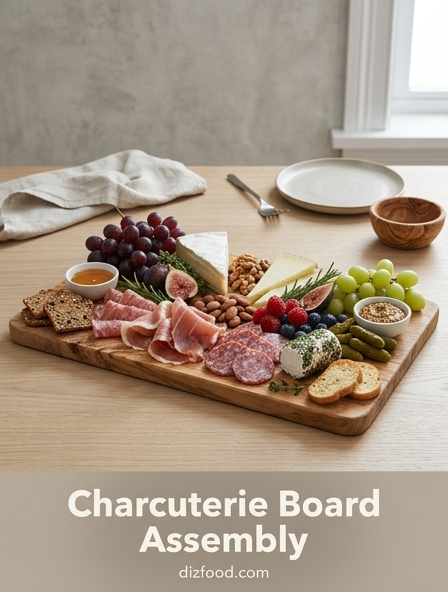
The foundation of any exceptional charcuterie display begins with the board itself. The material you choose dictates the aesthetic tone and functionality of the presentation. Hardwoods like walnut, maple, and acacia are industry favorites due to their durability and natural antibacterial properties. These woods provide a rustic, warm backdrop that complements the organic colors of cured meats and artisanal cheeses. For a more modern or elegant affair, marble or slate boards offer a sophisticated, cool surface that helps maintain the temperature of chilled items.
Size and shape are equally important considerations based on your guest count and table dimensions. A large rectangular board is ideal for grand gatherings, while circular boards create a more intimate, centralized focal point. When choosing your vessel, consider the following attributes:
- Porosity: Ensure the wood is food-grade and well-oiled to prevent juice absorption.
- Weight: Heavier boards provide stability during cutting but may be difficult to transport.
- Surface Texture: Slate allows for chalk labeling, whereas smooth marble is easier to sanitize.
- Lip or Edge: A subtle raised edge can prevent round items like grapes or nuts from rolling off.
Essential Cheese Selection Tips
A well-curated charcuterie board relies on a diverse selection of cheeses to provide a range of profiles and mouthfeels. The goal is to provide a sensory journey that moves from mild and creamy to sharp and pungent. Aim for a mix of milk sources, including cow, goat, and sheep, to ensure variety. To make the selection process easier, many experts recommend choosing one cheese from each major category to ensure a balanced palate for your guests.
| Category | Texture | Examples |
|---|---|---|
| Soft/Bloomy | Creamy, Spreadable | Brie, Camembert, Chevre |
| Semi-Hard | Sliceable, Elastic | Manchego, Gouda, Havarti |
| Hard/Aged | Crystalline, Crumbly | Parmesan, Sharp Cheddar |
| Blue | Veined, Pungent | Roquefort, Gorgonzola |
For the best flavor experience, always remove cheeses from the refrigerator at least thirty minutes to an hour before serving. This allows the fats to soften, unlocking the full aromatic potential of each variety.
Curating Quality Cured Meats
The "charcuterie" in a charcuterie board literally refers to cold cooked meats, making this section the heart of your assembly. To create an engaging platter, vary the preparation styles and spice levels of your meat selections. Incorporate both whole-muscle cuts and encased sausages to provide different visual elements and eating experiences. High-quality meats should be sliced paper-thin to allow them to melt on the tongue, while firmer salamis can be cut into thicker coins or batons for a satisfying chew.
When arranging the meats, think about how the guest will pick them up. Use these common preparation techniques to add height and interest:
- The Ribbon: Fold thin slices of prosciutto or lox into loose, undulating ribbons.
- The Salami Rose: Layer slices around the rim of a wine glass to create a floral shape.
- The Fan: Overlap slices of hard salami in a gentle arc to lead the eye across the board.
- The Cigar: Roll larger, round slices into tight cylinders for easy grabbing with tongs.
Aim for about two to three ounces of meat per person if the board is an appetizer, or double that for a main course.
Artisanal Breads and Crackers
Bread and crackers serve as the vital "vessels" for your meats, cheeses, and spreads. Without a sturdy and flavorful base, the rich components of the board can become overwhelming. Variety is key here; you want to offer different levels of crunch, saltiness, and neutrality. A fresh baguette is a classic choice, providing a soft interior and a crusty exterior that pairs beautifully with soft-ripened cheeses like Brie. Conversely, a sourdough crisp offers a tangy note that stands up well to fatty meats.
- Grain Crackers: Multi-grain or seeded varieties add an earthy flavor and excellent snap.
- Water Crackers: These are thin and neutral, designed to let the flavor of the cheese shine without interference.
- Breadsticks (Grissini): These add essential verticality to your layout and a fun, crunchy texture.
- Fruit & Nut Crisps: Crackers containing dried cranberries or rosemary offer a built-in flavor pairing.
Always provide a gluten-free option in a separate area or corner to accommodate dietary needs. Ensure that bread is sliced into bite-sized portions so guests do not have to struggle with large pieces while socializing.
Fresh Seasonal Fruit Additions
Fruit acts as the "palate cleanser" of the charcuterie board, offering a burst of acidity or sweetness that cuts through the richness of the fats. Seasonal selection is paramount; fruit at its peak ripeness provides the best color and flavor. In the spring and summer, focus on stone fruits like peaches, nectarines, and a variety of berries. During the autumn and winter months, turn toward sliced pears, crisp apples, and pomegranate seeds. Grapes are a perennial favorite because they are durable and stay fresh for hours.
Consider the color palette of your fruit to enhance the visual appeal of the board. The deep purples of blackberries, the bright greens of kiwi, and the vibrant reds of strawberries can make the board look like a work of art. Use the following tips for fruit preparation:
- Prevent Browning: Toss apple and pear slices in a bit of lemon juice to keep them bright.
- Cluster Grapes: Cut large bunches into small, three-to-four grape clusters for easy serving.
- Dried Fruits: Apricots, figs, and dates provide a chewy texture and concentrated sweetness year-round.
Gourmet Spreads and Garnishes
The small details often differentiate a standard platter from a gourmet charcuterie board. Spreads like honey, fig jam, and spicy mustard act as flavor bridges between the salty meats and creamy cheeses. Honey is particularly effective when drizzled over blue cheese or salty Parmigiano-Reggiano. Savory additions such as cornichons, marinated olives, and pickled red onions provide the necessary brine and acidity to balance the palate. These items should be placed in small ramekins or bowls to keep their liquids from seeping into the crackers.
Garnishes provide the finishing touches that fill the "dead space" on a board and add aromatic depth. Consider these options for a professional finish:
- Fresh Herbs: Sprigs of rosemary, thyme, or sage add a garden-fresh scent and vibrant green color.
- Nuts: Marcona almonds, candied walnuts, or pistachios add a necessary crunch and healthy fats.
- Edible Flowers: Pansies or nasturtiums can be used for high-end, colorful accents.
- Honeycomb: A piece of actual honeycomb adds a stunning visual and textural luxury.
Mastering the Visual Layout
Assembling the board is an exercise in food styling. A professional-looking board should appear abundant and overflowing, with no visible "holes" or bare board showing. Start by placing your largest items first-typically the cheeses and any small bowls for jams or olives. These act as the anchors for your design. Once the anchors are set, you can begin to build around them using the following systematic approach:
- Place Anchors: Set bowls and cheese blocks in a triangular formation to lead the eye.
- Meats: Drape or fold meats around the bowls and cheeses, creating "rivers" of texture.
- Breads and Crackers: Fan these out in the larger remaining gaps, following the curves of the meats.
- Fruit and Large Items: Tuck clusters of grapes or sliced fruit into the secondary spaces.
- Final Fillers: Use nuts, berries, and herbs to fill every tiny remaining gap until the board looks lush.
Remember to vary the colors and shapes next to each other. Avoid placing two white cheeses or two brown crackers directly side-by-side to maintain high visual contrast.
Balancing Textures and Flavors
The secret to a memorable charcuterie experience lies in the contrast of flavors and textures. Every bite should offer a different sensation. If you have a soft, fatty meat like lardo, it needs a crisp, acidic counterpart like a pickled onion. If you are serving a dense, crystalline cheese, a soft, honey-drizzled fruit provides the perfect counterpoint. Achieving this balance requires a thoughtful mix of four primary profiles: salty, sweet, sour, and spicy.
| Flavor Profile | Function | Key Ingredients |
|---|---|---|
| Salty | The Foundation | Prosciutto, Salami, Aged Cheese |
| Sweet | The Contrast | Honey, Dried Figs, Fresh Berries |
| Sour/Acidic | The Cleanser | Olives, Cornichons, Balsamic Glaze |
| Crunchy | The Texture | Almonds, Baguette, Crisp Apples |
Think about the mouthfeel as well. A combination of "creamy," "crunchy," "chewy," and "brittle" ensures that the board remains exciting from the first bite to the last. This diversity prevents the palate from becoming fatigued by too much richness.
Perfect Wine Pairing Ideas
Wine and charcuterie are natural companions, as the tannins and acidity in wine interact beautifully with the fats and salts on the board. The general rule is to match the intensity of the wine with the intensity of the food. A light, crisp white wine like Sauvignon Blanc or a dry Rosé is excellent for cutting through the creaminess of goat cheese and soft Brie. For the heavier, spicy cured meats like Peppered Salami or Chorizo, a bolder red wine with moderate tannins, such as a Malbec or Syrah, is more appropriate.
- Sparkling Wine: Prosecco or Champagne is the "universal" pairing, as the bubbles cleanse the palate after fatty meats.
- Light Red: Pinot Noir pairs exceptionally well with earthy cheeses and milder ham.
- Fortified Wine: A glass of Port is a traditional and delicious match for pungent blue cheeses.
- Crisp White: Pinot Grigio or Albariño works wonders with fresh fruits and salty marcona almonds.
If you are serving a diverse board, having both a sparkling option and a medium-bodied red will generally satisfy all the flavor profiles present.
Social Serving and Etiquette
The way a charcuterie board is served can significantly impact the guest experience. To ensure hygiene and ease of use, provide separate serving utensils for each cheese and spread. Small tongs, honey dippers, and cheese knives are essential tools. It is also helpful to label your items, especially if guests have dietary restrictions or if you are serving unique, artisanal varieties that people may not recognize. This encourages conversation and helps guests navigate the flavors.
Follow these etiquette and serving guidelines for a seamless event:
- Knife Management: Use one knife for pungent blues and a different one for mild bries to avoid cross-contamination of flavors.
- Pre-Cutting: Pre-slice at least a few pieces of hard cheese to signal to guests that it is okay to start.
- Refilling: Keep extra crackers and meats in the kitchen to replenish the board as it thins out.
- Temperature Check: If the board has been out for more than two hours, check the temperature of the meats and soft cheeses for safety.
Finally, provide small individual plates and napkins so guests can assemble their own perfect bites without hovering over the main display.


Comments