
The Sensory Connection to Perfect Dough
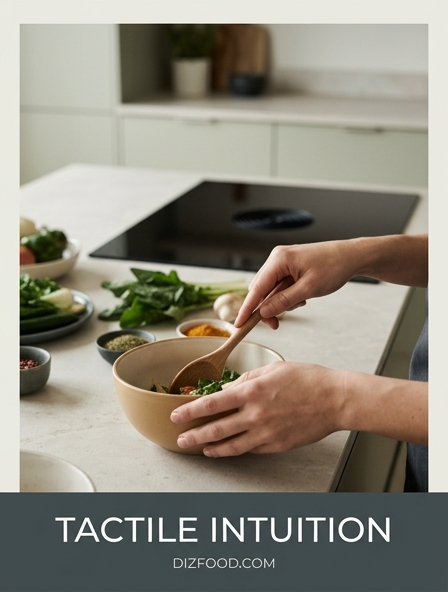
The journey to a perfect loaf or pastry begins not with a scale, but through the fingertips. Tactile intuition is the primary tool for any baker, allowing for a real-time dialogue between the cook and the ingredients. As flour meets water, the initial shaggy mass feels abrasive and disconnected. However, through rhythmic movement, the baker senses the transformation into a cohesive, living entity. This sensory connection allows one to identify the exact moment when the starch granules have absorbed sufficient moisture, transitioning from a gritty texture to a supple, responsive surface. It is a language of resistance and yield that machines cannot replicate.
- Initial Contact: Rough, cool, and particulate.
- Hydration Phase: Tacky, heavy, and clinging to the skin.
- Development: Smooth, warm, and increasingly elastic.
- Final State: Silky, springy, and capable of holding its own shape.
By prioritizing touch over rigid timing, the baker adjusts for environmental variables like kitchen humidity or the specific protein content of a new flour batch. This intuitive feedback loop ensures that the dough reaches its peak potential, resulting in a crumb that is both airy and resilient.
The Science of Flour and Tactile Feedback
Understanding the science of flour requires a physical appreciation of gluten development. When we knead, we are mechanically aligning proteins-gliadin and glutenin-to create a structural web. The hands act as high-precision sensors, detecting the microscopic shifts in this network. A high-protein bread flour offers a distinct muscularity under the palm, demanding more force to stretch, whereas a delicate cake flour feels powdery and collapses easily. This tactile feedback tells the baker when the gluten has been overworked or when it requires more rest to relax the bonds.
| Flour Type | Hand Feel Characteristics | Tactile Goal |
|---|---|---|
| Bread Flour | Strong, resilient, slightly coarse | High elasticity and spring |
| All-Purpose | Balanced, soft, versatile | Moderate pliability |
| Pastry Flour | Fine, velvet-like, weak | Short, tender crumb |
By focusing on the "push-back" of the dough, one learns to identify the threshold of optimal strength. This scientific understanding, filtered through the skin, allows for precise adjustments that ensure the structural integrity of the final baked good remains intact.
Developing a Professional Feel for Hydration
Hydration is perhaps the most volatile element in dough preparation, as it is heavily influenced by the ambient environment. A professional baker develops a "feel" for hydration that transcends the measurements printed in a recipe. This intuition is developed by observing how dough releases from the side of a bowl or how it clings to the webbing of the fingers. A high-hydration sourdough should feel like a soft, heavy cloud-difficult to manage but full of potential energy. Conversely, a bagel dough should feel dense and lean, offering significant resistance to the thumb.
- Assess the initial clumpiness of the flour-water mixture.
- Observe how quickly the dough "heals" after a finger poke.
- Determine the "tack" versus "stick"-tack should stay on the dough, stick stays on you.
- Adjust with micro-additions of water until the desired silkiness is achieved.
Learning this balance prevents the common mistake of adding too much flour to a sticky dough. Instead of dampening the hydration, the intuitive cook uses technique-such as the slap-and-fold-to manage the moisture, preserving the airy internal structure that defines high-quality artisanal bread.
Kneading as a Collaborative Kitchen Activity
Kneading is rarely a solitary endeavor in traditional kitchens; it is a rhythmic, collaborative dance that builds both bread and community. When multiple sets of hands work the dough, a collective intuition emerges. One person might start the heavy task of breaking down the initial shaggy mass, while another takes over to refine the texture as the dough warms and stretches. This shared labor allows for a constant exchange of sensory information. "Does it feel tight to you?" or "Is it ready for the bench?" become the guiding questions of the session.
- Shared Rhythm: Coordinating the push and pull to maintain a steady pace.
- Temperature Control: The collective warmth of many hands accelerating fermentation.
- Energy Distribution: Rotating the labor to prevent fatigue and ensure thoroughness.
This collaborative approach turns a physical chore into a social ritual. The dough becomes a medium through which knowledge is passed down, as experienced hands guide novice ones to recognize the subtle shift from a lumpy paste to a smooth, bouncing ball of dough. The kitchen fills with the sound of rhythmic thumping, a heartbeat for the home.
Mastering Pasta Consistency Without a Recipe
Authentic pasta making is an exercise in tactile mastery, often performed without a single measuring cup in sight. The "volcano" method-piling flour and cracking eggs into the center-relies entirely on the cook's ability to incorporate flour until the texture is exactly right. The goal is a dough that feels as soft as an earlobe yet possesses enough structural integrity to be rolled into translucent sheets. This consistency varies depending on the humidity of the room and the size of the eggs used, making a rigid recipe almost useless.
The cook looks for specific tactile markers during the process:
- The dough should no longer stick to the wooden work surface.
- The surface should have a matte finish, not a shiny or wet one.
- When pressed, the dough should slowly but surely regain its shape.
Once the dough feels "alive," it requires a period of rest. Feeling the dough after this rest period reveals a complete transformation; the proteins have relaxed, and what was once stiff is now incredibly pliable. This intuitive grasp of pasta physics ensures a "to-the-tooth" texture that absorbs sauce perfectly.
The Art of the Dumpling Social Hour
The dumpling social hour is a masterclass in repetitive tactile precision. As a group gathers around a table laden with fillings and wrappers, the focus shifts to the delicate balance of the pinch and the fold. Each participant develops a personal touch-some prefer intricate pleats, while others opt for a simple, sturdy seal. The intuition here lies in knowing exactly how much filling a skin can hold without tearing. It is a feeling of tension; the dough must be stretched just enough to encase the savory center but not so thin that it fails during the boil or steam.
The atmosphere of a dumpling session is characterized by:
- The tactile contrast between cold, moist filling and dry, soft skins.
- The repetitive, meditative motion of the "pinch and tuck."
- The visual and physical satisfaction of a growing tray of uniform morsels.
This communal activity emphasizes the "many hands" philosophy, where the collective output far exceeds what an individual could produce. The shared labor creates a bond, and the tactile nature of the work allows for easy conversation, making the kitchen a hub of both productivity and emotional connection.
Trusting Your Hands for Elastic Texture
Elasticity is the hallmark of well-developed dough, and trusting your hands to measure it is a vital skill. This "spring-back" is the physical manifestation of a successful gluten network. To test for this, one must engage in the windowpane test-gently stretching a small piece of dough to see if it becomes translucent without breaking. If it snaps back aggressively or tears immediately, the hands sense that the dough needs more hydration or more rest. This interaction is a direct feedback loop that informs the baker's next move.
Key indicators of proper elasticity include:
- The Bounce: A thumbprint should vanish within seconds.
- The Stretch: The dough should elongate significantly before showing signs of stress.
- The Weight: Developed dough feels lighter and more "inflated" due to trapped gases.
By relying on these physical cues, the cook moves away from anxiety-driven over-kneading. The hands provide a sense of certainty that a timer cannot offer, ensuring the final product has the desired chew and volume. Trusting the hands means respecting the biological pace of the dough.
From Flour Mounds to Shared Memories
The image of a flour mound on a scarred wooden table is a universal symbol of culinary tradition. This visual and tactile starting point evokes memories of grandmothers and parents teaching the craft. The process of creating a well in the center of the flour-a "volcano"-is a foundational skill that requires a gentle touch to prevent the liquid walls from breaching. This stage of the process is as much about nostalgia as it is about nourishment. The tactile sensation of dry flour slipping through fingers is often the first sensory memory many have of the kitchen.
| Action | Sensory Memory | Emotional Resonance |
|---|---|---|
| Sifting Flour | Soft, cool dust on the skin | Peace and anticipation |
| Breaking the Well | Warm liquid meeting cold flour | Excitement and focus |
| First Incorporation | Sticky, messy fingers | Connection and playfulness |
These shared memories are anchored in the physical world. The smell of yeast, the sight of a floured apron, and the feeling of a heavy dough are passed down through generations. The kitchen becomes a space where history is literally kneaded into the food we eat, creating a bridge between the past and the present through the simple act of touch.
Intuitive Techniques for Delicate Dumpling Skins
Creating dumpling skins from scratch requires a nuanced understanding of dough thinness and resilience. Unlike bread dough, which thrives on volume, dumpling dough must be rolled to a precise, parchment-like delicacy. The intuition here is found in the resistance of the rolling pin. A seasoned cook feels the thickness of the dough through the wood of the pin, knowing instinctively when to apply pressure and when to let the dough glide. The edges must be thinner than the center to accommodate the pleating, a feat achieved through a rhythmic, circular rolling motion.
The markers of a perfect dumpling skin include:
- Translucency: Being able to see the shadow of your hand through the dough.
- Sealability: A edge that sticks to itself with only a hint of moisture.
- Durability: The ability to expand during cooking without bursting.
Mastering this technique allows for a variety of dumpling styles, from the robust potsticker to the ethereal soup dumpling. It is a delicate balance of strength and finesse, where the hands must be both firm enough to roll and gentle enough to pleat without puncturing the fragile skin.
The Joy of Communal Dough Crafting
There is a profound joy found in the communal crafting of dough, a process that culminates in a shared feast. When a group works together to produce hundreds of dumplings or several loaves of bread, the physical exhaustion is tempered by a sense of collective achievement. The messy table-covered in flour dust, stray bits of filling, and discarded dough scraps-is a testament to a successful afternoon. This environment fosters a unique form of communication where the focus is on the work, yet the conversation flows effortlessly. The tactile nature of the task grounds everyone in the present moment.
- Setting the stage with bowls of ingredients and clean surfaces.
- Dividing tasks based on each person's tactile strengths.
- The rhythmic cycle of filling, folding, and placing.
- The final reward of eating the fruits of the collective labor.
This communal joy is the ultimate expression of kitchen intuition. It is the realization that food tastes better when it is made with the hands of many. The shared tactile experience transforms a simple recipe into an event, leaving the participants with full stomachs and a deepened sense of connection to one another and the craft.



Comments