
Making the most of your family quality time often begins with intentional dining choices that transform a simple meal into a meaningful connection. By shifting the focus from just eating to creating a shared experience, you foster a space where conversation flows naturally and lasting memories are built. Whether it's a slow weekend morning or a festive celebration, the atmosphere you cultivate through your food presentation and style directly influences how your loved ones interact. Choosing the right setting can make all the difference in nurturing these vital relationships and fostering joy. To help you plan your next gathering, consider the unique social dynamics of a Brunch Buffet Setup vs Pancake Breakfast Bonding.

Designing a Social Centric Kitchen
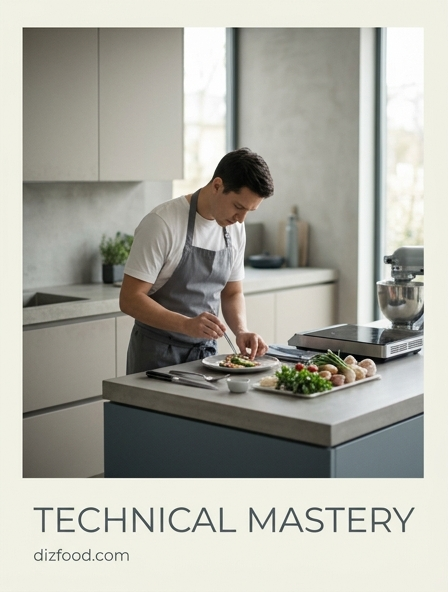
The layout of a kitchen fundamentally dictates how people interact within the home. A social-centric kitchen moves away from the traditional "work triangle" isolation and toward an inclusive environment where the cook is never separated from the guests. Central to this design is the kitchen island, which serves as a multipurpose hub for preparation, casual dining, and conversation. By incorporating comfortable seating at the counter, the kitchen becomes a theater where culinary tasks are shared experiences rather than solitary chores.
- Open floor plans that connect the kitchen to the living area.
- Wide walkways to allow multiple people to move freely.
- Layered lighting to transition from task-oriented to ambient moods.
- Integrated appliances that minimize noise disruptions during talk.
When the physical space encourages proximity, quality time happens organically. Strategic placement of a coffee station or a wine fridge can also draw people into the zone, making the kitchen the primary heartbeat of the household where stories are swapped while the water boils.
The Art of Device Free Dining
In an era of constant connectivity, the dining table remains one of the last sanctuaries for undistracted human interaction. Establishing a device-free zone during meals is essential for fostering deep connections and ensuring that every person at the table feels seen and heard. When smartphones are tucked away, the focus shifts from digital notifications to the nuances of facial expressions and the rhythm of natural conversation. This intentional silence from the digital world allows for a richer sensory experience of the food itself.
The transition to a device-free environment requires a collective commitment from all participants. It is not merely about banning technology but about prioritizing the presence of those sitting across from us. Without the temptation to scroll, family members are more likely to engage in "thick" communication-discussing feelings, dreams, and complex ideas-rather than "thin" communication, which often dominates our fast-paced lives. By reclaiming the table as a tech-free sanctuary, we protect the quality of our most important relationships.
Building Bonds Through Collaborative Cooking
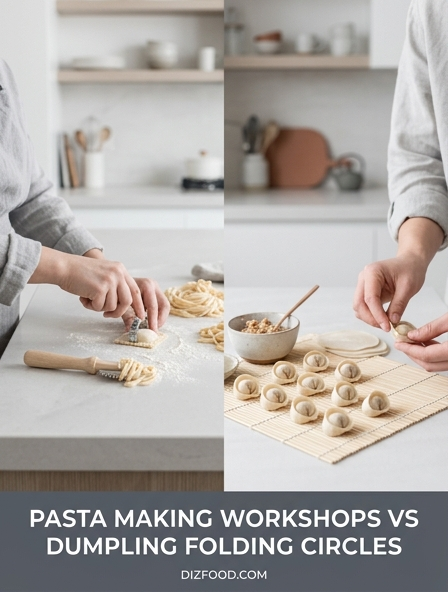
Cooking is often viewed as a means to an end, but when approached collaboratively, it becomes a powerful vehicle for bonding. Assigning specific roles to different family members transforms a routine task into a synchronized team effort. This process requires communication, patience, and a shared vision of the final result. Whether it is a partner chopping vegetables while another sears the protein, or children helping to stir the sauce, the act of creation fosters a sense of mutual achievement.
- Assign tasks based on skill level to ensure everyone feels capable.
- Rotate responsibilities weekly to keep the experience fresh.
- Use the time to listen to music or share updates about the day.
- Embrace mistakes as learning opportunities rather than stressors.
The kitchen serves as a low-pressure environment for teaching life skills and values. As the team works toward a common goal, the hierarchies of daily life often fade, allowing for genuine laughter and the development of shared shorthand. These moments of "shoulder-to-shoulder" interaction are often more effective for bonding than direct "face-to-face" confrontation.
Intentional Menus for Meaningful Conversations
The food we choose to serve can act as a catalyst for dialogue. An intentional menu considers not just nutrition and flavor, but how the format of the meal facilitates interaction. For instance, "interactive" foods like tacos, fondue, or stone-grilling require participation and naturally lead to a slower, more engaged dining pace. When diners are busy assembling their own plates or sharing from common platters, the atmosphere becomes more relaxed and informal.
| Menu Type | Social Benefit |
|---|---|
| Family Style Platters | Encourages sharing and physical interaction. |
| DIY Stations | Promotes individual expression and lightheartedness. |
| Heritage Recipes | Sparks storytelling and ancestral connection. |
| Tasting Flights | Focuses attention on sensory analysis and debate. |
By selecting dishes that take longer to consume or require collective assembly, you naturally extend the duration of the meal. This extra time is where the most meaningful conversations occur, moving past superficial small talk into the realm of shared memories and future aspirations.
Creating a Welcoming Dining Atmosphere
Aesthetics and ambiance play a vital role in how long guests wish to linger at the table. A welcoming environment signals that the meal is an event worth savoring, rather than a task to be rushed. Soft, warm lighting is perhaps the most critical element; it reduces stress and makes people feel more comfortable and attractive. Adding natural elements, such as fresh flowers or herbs, connects the indoor space to the outside world, creating a serene backdrop for connection.
The tactile experience also matters. Using real cloth napkins, heavy silverware, and ceramic plates conveys a sense of importance and care. When we put effort into the presentation of the table, we communicate to our companions that they are valued. Background music should be curated to enhance, not overpower, conversation. Soft jazz, acoustic instrumentals, or low-fi beats can fill the lulls in talk without requiring guests to raise their voices. Ultimately, a well-curated atmosphere lowers social barriers and invites everyone to relax, stay for dessert, and enjoy the company of one another in a truly beautiful setting.
The Science of Shared Family Meals
Research consistently shows that frequent shared meals have a profound impact on the psychological and physical well-being of both children and adults. Beyond the obvious nutritional benefits of home-cooked food, the ritual of gathering provides a predictable structure that lowers cortisol levels and builds emotional resilience. For children, the kitchen table is a primary classroom where language skills are honed and social norms are internalized through observation and participation.
- Higher academic performance linked to regular family dinners.
- Lower rates of substance abuse and behavioral problems in teens.
- Improved self-esteem through consistent emotional validation.
- Greater consumption of fruits and vegetables across all age groups.
The "science" of the meal lies in the consistency of the ritual. The brain thrives on routine, and knowing that there is a set time for connection provides a sense of security. It is not about the complexity of the recipe, but the reliability of the presence. Even a simple meal of soup and bread can provide these developmental benefits if the environment is supportive and the focus remains on the interpersonal exchange.
Establishing Lasting Culinary Traditions
Traditions provide the "social glue" that holds families together over generations. In the kitchen, these traditions often take the form of specific recipes served on certain days or unique ways of preparing a meal. Whether it is "Pizza Friday," a secret Sunday sauce, or a specific holiday baking marathon, these rituals create a shared history. They offer something to look forward to and provide a sense of identity and belonging that persists even as family members grow and move away.
Building these traditions does not require a grand gesture; it starts with repetition and intention. Passing down a grandmother's recipe involves more than just sharing ingredients; it involves sharing her story, her techniques, and her spirit. As children grow into adults, they carry these culinary anchors with them, often replicating them in their own homes. These lasting traditions serve as a bridge between the past and the future, ensuring that the legacy of quality time in the kitchen continues to nourish the family tree for years to come.
Mindful Eating for Stronger Connections
Mindful eating is the practice of being fully present during the consumption of food, but its benefits extend far beyond digestion. When applied to a group setting, mindfulness encourages participants to listen more deeply and respond more thoughtfully. It involves slowing down the pace of the meal to truly appreciate the textures, aromas, and flavors, which naturally leads to a more relaxed and observant state of mind. This presence makes it easier to notice when a companion is struggling or when they have something important to share.
- Begin with a moment of gratitude or a brief pause before eating.
- Chew slowly and put utensils down between bites to encourage talk.
- Focus on the sensory details of the meal to anchor everyone in the now.
- Listen without formulating a response while others are speaking.
By practicing mindfulness at the table, we reduce the urge to rush through life. This slower tempo creates a safe space for vulnerability. When we are not preoccupied with what comes next, we can fully invest in the person sitting right in front of us, leading to much stronger emotional connections.
Transforming Daily Routines Into Quality Time
Quality time does not always have to be a choreographed three-course dinner; it can be found in the small, mundane pockets of the day. Transforming daily routines-like the morning coffee ritual or the evening cleanup-into moments of connection can significantly improve the quality of a relationship. Instead of rushing through breakfast in silence, using those fifteen minutes to discuss intentions for the day can set a positive tone for everyone. Even the act of washing dishes together can become a time for lighthearted banter and cooperation.
The key is to recognize these chores not as obstacles to be overcome, but as opportunities to be together. When we shift our perspective, the "work" of the kitchen becomes the "play" of the relationship. Preparing school lunches, organizing the pantry, or even grocery shopping together can be repurposed as bonding time if we remain engaged and present. By weaving quality time into the fabric of our daily obligations, we ensure that connection is a constant presence rather than a rare luxury, making the home feel more harmonious and supportive.
Nurturing Relationships One Dish at a Time
At its core, the kitchen is a place of service and nurturing. Every dish prepared for another person is a tangible expression of care and affection. Whether you are cooking for a partner, a child, or a friend, the effort put into the meal reflects the value you place on that relationship. Food has the unique ability to cross boundaries and mend rifts; a well-timed favorite meal can communicate comfort and apology far more effectively than words alone. It is a form of non-verbal communication that speaks directly to the heart.
As we nurture others through food, we also nurture the bonds that sustain us. The kitchen becomes a sanctuary where stress is diffused and love is thickened, much like a reduction on the stove. By prioritizing quality time in this space, we invest in the emotional health of our household. Each meal served is an opportunity to reinforce the foundation of our relationships, proving that the most important thing we make in the kitchen isn't the food itself, but the memories and the closeness that result from sharing it with those we love.




Comments