
Deciding between the lavish spread of a brunch buffet and the cozy chaos of pancake bonding at home is more than a culinary choice; it's about defining your family's quality time. While a professional buffet offers an effortless, high-end experience with endless variety, it often lacks the intimate, hands-on connection found in a flour-dusted home kitchen. "Pancake bonding" prioritizes shared activity over service, allowing families to collaborate, laugh over "fail" flips, and linger in their pajamas without a reservation window looming. Whether you crave the luxury of being served or the meaningful memories built over a sizzling griddle, understanding the trade-offs in cost, engagement, and atmosphere will help you choose the experience that truly knits your inner circle closer together.
| Feature | Brunch Buffet (Restaurant) | Pancake Bonding (At Home) |
|---|---|---|
| Average Cost | $30-$70 per person | <$5 per person |
| Engagement | Passive (Waiting & Dining) | Active (Collaborative Cooking) |
| Menu Variety | High (Global cuisines, carving stations) | Specific (Customizable toppings/sides) |
| Environment | Public, noisy, formal-casual | Private, intimate, relaxed/PJs |
| Cleanup | Professional (Zero effort) | DIY (Moderate to high effort) |
| Time Flexibility | Limited (90-120 min reservations) | Unlimited (Slow, flexible pace) |
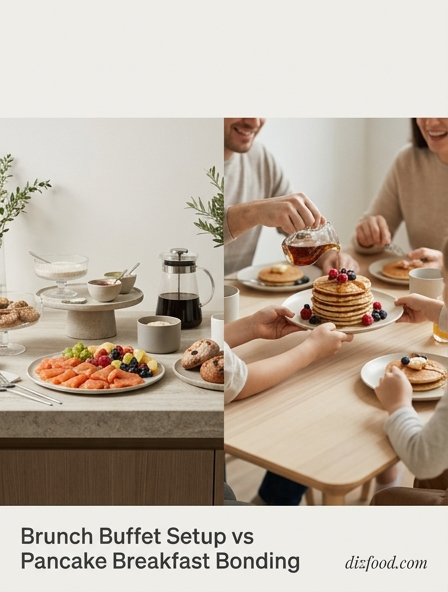
Brunch Buffet Efficiency vs Pancake Breakfast Intimacy
The culinary landscape of a weekend morning often oscillates between two distinct philosophies: the high-capacity efficiency of a brunch buffet and the quiet, focused intimacy of a pancake breakfast. A buffet is a marvel of logistical planning, designed to cater to diverse palates and large groups without requiring the host to remain tethered to the stove. It prioritizes variety, offering a curated selection of cold and hot dishes that guests can explore at their own pace. This setup is ideal for celebrations where the goal is to provide a sense of abundance and luxury, allowing for a seamless flow of movement throughout the kitchen and dining areas.
Conversely, the pancake breakfast is rooted in the "short-order" tradition, emphasizing the relationship between the cook and the diner. This approach trades variety for depth of experience. There is an inherent warmth in watching batter hit a hot griddle and seeing the steam rise as a fresh stack is plated. While the buffet excels in volume, the pancake breakfast excels in connection. To help choose the right path, consider these core differences:
- Flow: Buffets allow guests to serve themselves, while pancake breakfasts center around the host's output.
- Atmosphere: Buffets feel like an event; pancake mornings feel like a ritual.
- Customization: Buffets offer choice through quantity, whereas pancakes offer choice through personalized toppings.
- Engagement: Buffets encourage mingling; pancake breakfasts encourage sitting and sharing.
Choosing Between Lavish Spreads and Simple Mornings
Determining whether to host a lavish buffet or a simple pancake morning often comes down to the guest list and the desired energy of the gathering. A lavish spread is the quintessential choice for holiday gatherings, bridal showers, or birthdays where the menu itself serves as a primary form of entertainment. In these scenarios, the visual impact of tiered platters, colorful fruit bowls, and various savory quiches creates an environment of indulgence. It signals to guests that the occasion is special and that their every preference has been considered in advance. The preparation is front-loaded, meaning once the doors open, the host is free to mingle.
On the other hand, simple mornings focused on a single hero dish-like golden buttermilk pancakes-are perfect for foster-bonding with close friends or immediate family. This format removes the "performance" aspect of hosting and replaces it with authenticity. It is less about the presentation and more about the comfort of the familiar. When the guest count is low, usually under six people, the effort required to maintain a full buffet can feel disproportionate. In these smaller circles, the simplicity of a single hot griddle and a pot of fresh coffee provides a grounding experience that a multi-course buffet simply cannot replicate. The choice hinges on whether you want to impress with variety or comfort with consistency.
How Brunch Buffets Redefine Modern Weekend Hosting
Modern weekend hosting has evolved significantly, moving away from formal seated meals toward a more fluid, interactive experience. The brunch buffet is at the forefront of this shift, redefining how we use our kitchen spaces. No longer just a place for food preparation, the kitchen becomes a stage where the buffet serves as the central set piece. This "grazing" culture allows for a more relaxed timeline, where guests can arrive at different intervals and still enjoy a fresh meal. It accommodates the modern reality of busy schedules and varying dietary needs, providing a solution that is both inclusive and sophisticated.
The redefinition of hosting through buffets also involves a tactical approach to menu engineering. By offering a range of items, hosts can ensure that every guest-regardless of their nutritional requirements-finds something satisfying. This versatility is achieved through several key elements:
- The Savory Station: Including egg-based dishes like frittatas that hold heat well.
- The Continental Corner: Featuring pastries, artisanal breads, and high-quality butters.
- The Refreshment Bar: A dedicated area for mimosas, coffee, and infused waters.
- The Protein Platter: Smoked salmon, charcuterie, or crispy bacon to anchor the meal.
By compartmentalizing the meal into these zones, the host creates a professional atmosphere that encourages exploration and conversation, making the event feel modern and effortless.
The Emotional Connection of Flipping Family Pancakes
There is a unique psychological comfort associated with the sound of a whisk hitting a ceramic bowl and the rhythmic flipping of pancakes on a weekend morning. This culinary practice is deeply rooted in nostalgia, often serving as a bridge to childhood memories and family traditions. Unlike the professional distance maintained during a buffet, flipping pancakes is an act of service that requires the host to be physically present and engaged with the process. The sensory details-the smell of vanilla extract, the sight of bubbling batter, and the tactile warmth of the kitchen-create an environment where guests feel cared for on a personal level.
This emotional connection is bolstered by the shared anticipation of the "first flip." It is a low-pressure environment where mistakes, like a slightly scorched edge or a misshapen circle, become part of the charm rather than a hosting failure. In a world that is increasingly digital and fast-paced, the slow, manual nature of making pancakes offers a necessary reprieve. It forces a pause. When a family gathers around the kitchen island to watch the griddle, they are not just waiting for food; they are participating in a communal ritual. This shared focus fosters a sense of unity and belonging that is difficult to achieve when guests are distracted by the endless choices of a large buffet spread.
Planning the Ultimate Self-Serve Brunch Buffet Station
Creating a successful self-serve brunch buffet requires a strategic layout to prevent bottlenecks and ensure food safety. The goal is to create a logical flow that guides guests from plates to cutlery without confusion. Start by designating a clear "entry point" for the buffet, usually beginning with the plates. The items should be arranged in a sequence that mimics a meal's progression, starting with lighter fare like fruit and salads, moving toward heavier proteins and starches, and ending with condiments and silverware. Keeping the silverware at the end ensures guests don't have to juggle utensils while trying to serve themselves.
Temperature management is another critical factor in a high-end buffet setup. Using chafing dishes, warming trays, or even slow cookers can keep savory items at the optimal temperature. For cold items, nesting bowls in larger containers filled with ice maintains freshness. Consider these essential components for a professional layout:
- Vertical Displays: Use cake stands and crates to create different heights, making everything accessible and visually appealing.
- Clear Labeling: Use small cards to identify dishes, especially noting allergens like nuts, gluten, or dairy.
- Self-Service Beverage Zone: Separate the drinks from the food to keep the traffic moving.
- Garnish Stations: Provide bowls of fresh herbs, zests, or sauces near the main dishes to allow for customization.
Why Pancake Breakfasts Foster Better Guest Conversations
The architecture of a pancake breakfast inherently promotes deeper dialogue and sustained eye contact compared to the movement-heavy buffet. When guests are seated around a table or gathered at a kitchen counter while the host prepares pancakes, the physical proximity creates a "hearth" effect. Because the meal is served in smaller, sequential portions rather than all at once, the pace of eating slows down. This slower tempo naturally leads to more meaningful conversations, as guests are not constantly getting up to refill their plates or navigate a line of people.
Furthermore, the simplicity of the menu removes the "decision fatigue" that can sometimes occur at a buffet. Instead of debating which of the twenty available items to try next, guests can focus on the person sitting across from them. The host, while busy at the stove, is still part of the social circle, often participating in the banter while working. This creates a casual, "come-as-you-are" vibe that lowers social barriers. In this setting, the kitchen becomes a safe space for storytelling and laughter. The shared experience of waiting for the next batch of pancakes creates a communal rhythm, synchronizing the group in a way that a self-serve station rarely can.
Comparing Menu Variety and Prep Time Requirements
When deciding between these two hosting styles, it is essential to weigh the time investment against the variety offered. A buffet demands significant "pre-game" preparation. Most items must be chopped, cooked, and plated before the first guest arrives. This can mean a very early start in the kitchen or even several days of advance prep. However, once the event begins, the host's labor is mostly finished. Conversely, a pancake breakfast requires very little advance preparation-usually just mixing a batter and setting out a few toppings-but the labor is "live," meaning the host is working while the guests are present.
The following table illustrates the typical trade-offs between the two styles regarding preparation and variety:
| Feature | Brunch Buffet | Pancake Breakfast |
|---|---|---|
| Prep Intensity | High (Pre-event) | Low (Pre-event) |
| Cooking Style | Batch/Oven-based | Live/Griddle-based |
| Variety | Extensive (10+ items) | Focused (1-3 items) |
| Host Flexibility | High during the meal | Low during the meal |
| Cleanup | Significant (Many dishes) | Minimal (Few pans/bowls) |
Creating Memorable Moments at Your Next Brunch
To make a brunch truly memorable, focus on the "sensory signatures" of the morning. For a buffet, this might be the visual impact of a beautifully arranged table. Use linen napkins, fresh flowers, and perhaps a cohesive color palette to elevate the experience from a simple meal to a curated event. Music plays a vital role here; a curated playlist of upbeat jazz or acoustic covers can set a sophisticated tone that complements the clinking of glasses and the hum of conversation. The memory for the guest is often tied to the feeling of being in a space that was intentionally designed for their enjoyment.
For a pancake-focused morning, the "memorable moment" is often tied to a signature touch or a unique ingredient. Perhaps it is a family recipe for spiced maple syrup, or the addition of fresh lemon zest and ricotta to the batter. The memory is formed through the specific flavors and the warmth of the hospitality. Small gestures, like warming the plates before serving or offering a variety of high-quality teas, show a level of care that resonates with guests. Ultimately, whether through the grandeur of a buffet or the simplicity of a pancake stack, the goal is to create an environment where guests feel relaxed and valued. The most memorable brunches are those where the food is excellent, but the atmosphere of welcome is even better.
The Art of Designing a High-End Buffet
Designing a high-end buffet is an exercise in aesthetics as much as it is in culinary skill. The most successful buffets use "layering" to create a sense of abundance. Instead of placing everything flat on the table, use risers or sturdy boxes hidden under a tablecloth to create different elevations. This not only makes the food easier to reach but also creates a more dynamic visual experience. Color coordination is also key; balance the neutral tones of breads and proteins with the vibrant greens of herbs, the deep reds of berries, and the bright yellows of citrus. A garnish is never just an afterthought in a high-end setup; it is a tool for visual cohesion.
Beyond the food, the "infrastructure" of the buffet must be impeccable. This includes providing high-quality serving utensils for every dish and ensuring there is enough space for guests to set their drinks down while serving themselves. Consider the following tips for a premium presentation:
- Uniformity: Use matching serving dishes or a consistent material like all-white ceramic or all-copper accents.
- Negative Space: Do not overcrowd the table; leave room for the eye to rest between different food groups.
- Fragrance: Avoid heavily scented candles near the food; let the aroma of the coffee and fresh pastries be the primary scent.
- Detailing: Use small chalkboards or printed cards to describe the origin of ingredients, such as "local wildflower honey."
Bonding Over Griddles and Golden Maple Syrup
In the final analysis, the choice between a buffet and a pancake breakfast is a choice between two different types of joy. The buffet offers the joy of discovery, where guests can find their own favorite combinations and indulge in a wide array of flavors. It is a celebration of abundance. However, bonding over a griddle offers the joy of participation. There is something fundamentally human about gathering around a source of heat and sharing a freshly cooked meal. The golden maple syrup, the melting butter, and the fluffy texture of a well-made pancake serve as the catalyst for a shared experience that is both simple and profound.
Whether you are managing a complex buffet station or flipping a single pancake, the kitchen remains the heart of the home. These weekend rituals are the threads that weave together the fabric of our social lives. They provide a space to reconnect after a busy week and to nourish both the body and the spirit. By understanding the strengths of each format, you can tailor your hosting to the needs of your guests, ensuring that every weekend morning spent in your kitchen is one of warmth, flavor, and genuine connection. Ultimately, it is not just about the food on the plate, but the people gathered around it that makes the morning truly special.

Comments