
Deciding between the convenience of a kitchen windowsill and the communal bounty of a local plot can fundamentally change your culinary workflow. While indoor herb gardening offers instant, year-round access to fragrant sprigs just inches from your cutting board, community allotment sharing provides a diverse, high-volume harvest and a shared sense of environmental stewardship. Choosing the right source for your kitchen depends on whether you prioritize the immediate gratification of hyper-local garnishes or the seasonal, cost-effective abundance of a shared urban farm. Both paths offer a significant upgrade from store-bought plastic clamshells, ensuring your meals are elevated by the unparalleled punch of truly fresh, nutrient-dense greens.
| Feature | Indoor Herb Gardening | Community Allotment Sharing |
|---|---|---|
| Accessibility | Instant; zero travel time from kitchen. | Requires travel; dependent on plot location. |
| Yield Volume | Small scale; ideal for garnishes & oils. | High volume; supports bulk cooking & storage. |
| Growing Season | 365 days; controlled indoor climate. | Seasonal; dictated by local weather cycles. |
| Space Req. | Minimal; utilizes vertical or window space. | Substantial; typically 50-250 sq. meters. |
| Maintenance | Daily light monitoring; low physical labor. | Weekly intensive labor; weeding & tilling. |
| Community | Solitary; focused on individual utility. | High; knowledge sharing & seed swapping. |
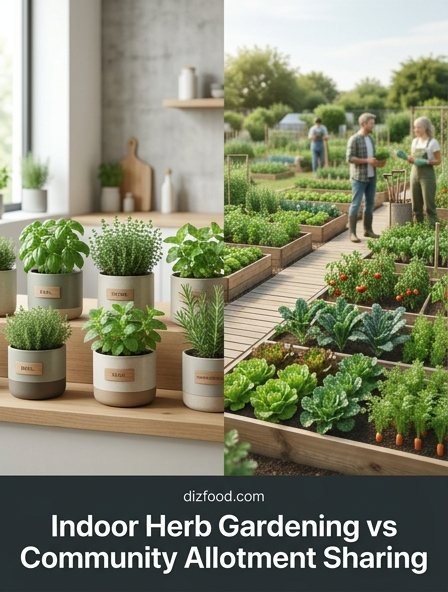
Kitchen Windowsill vs Shared Plot Comparison
The choice between maintaining a kitchen windowsill herb garden and participating in a community allotment sharing program represents a fundamental decision between convenience and scale. Kitchen gardening is an intimate practice, focusing on the immediate needs of the cook. It requires minimal space, usually limited to the surface area of a sunny ledge, and offers the gratification of seeing greenery while preparing meals. Because the space is small, the gardener must be selective, prioritizing high-rotation herbs like basil, mint, or chives that provide immediate flavor to daily dishes.
In contrast, a shared community allotment offers a vastly different scope of production. These plots provide deep soil and significant square footage, allowing for the cultivation of larger crops such as root vegetables, brassicas, and sprawling vines that could never survive in a pot. While the windowsill garden is an extension of the pantry, the allotment is a true agricultural endeavor. The comparison often comes down to the gardener's goals: those seeking a decorative and functional culinary aid tend toward the windowsill, whereas those desiring a substantial harvest and a connection to the land opt for the shared plot.
| Feature | Kitchen Windowsill | Shared Allotment |
|---|---|---|
| Space Required | Minimal (1-3 sq. ft.) | Substantial (50+ sq. ft.) |
| Crop Variety | Small herbs/microgreens | Full range of vegetables |
| Maintenance | Daily, low-effort | Weekly, high-effort |
Year Round Herbs vs Seasonal Community Harvests
One of the most significant advantages of indoor herb gardening is the ability to bypass the natural calendar. Because the kitchen environment is climate-controlled, many herbs can thrive throughout the winter months, provided they receive enough supplemental light. This year-round access ensures that a sprig of fresh rosemary or thyme is always available, even when the ground outside is frozen. It eliminates the reliance on grocery store plastic clamshells, which are often expensive and quickly wilt once opened. Indoor gardening creates a steady, predictable supply of flavor essentials that remain unaffected by frost or excessive heat.
Community allotments, however, are governed by the rhythm of the seasons. This brings a different kind of reward: the seasonal harvest. While you cannot grow tomatoes in a February snowstorm on an outdoor plot, the yield during peak summer and autumn is often overwhelming in its abundance. This seasonality teaches the gardener to eat with the cycles of nature, preserving the excess through canning, drying, or pickling. The allotment experience provides a diversity of produce that changes every month, offering a gastronomic variety that an indoor herb pot simply cannot match. The trade-off is between the constant, reliable availability of a few herbs and the massive, varied, but time-limited bounty of the open field.
- Indoor: Consistent temperature and humidity.
- Indoor: Protection from seasonal pests and blight.
- Outdoor: High yields during peak growing windows.
- Outdoor: Opportunities for fermentation and preservation.
Social Benefits of Shared Garden Spaces
While indoor gardening is largely a solitary and meditative task, community allotment sharing is inherently social. These spaces serve as local hubs where people from diverse backgrounds converge over a shared interest in horticulture. The social fabric of an allotment is woven through the exchange of knowledge, seeds, and surplus produce. A beginner gardener can learn more in an afternoon by chatting with a neighbor two plots over than they might from weeks of reading books. This informal mentorship creates a sense of belonging and reduces the isolation often felt in urban environments.
Beyond simple advice, shared garden spaces often foster a collective responsibility. Many allotments operate on a system where communal areas, tool sheds, and water sources are managed together. This collaborative environment encourages conflict resolution and teamwork. The joy of a shared harvest festival or a communal workday builds lasting friendships and a stronger neighborhood identity. For many, the physical produce is secondary to the mental health benefits of social interaction and the feeling of being part of a productive community. The garden becomes more than just a place to grow food; it becomes a sanctuary for human connection and shared purpose.
Convenience of Home Herb Garden Access
The primary appeal of the kitchen herb garden is the concept of "arm's reach" availability. In the middle of sautéing garlic or finishing a sauce, a cook can simply reach over and snip the exact amount of parsley or cilantro needed. There is no need to put on shoes, travel to a distant plot, or deal with the elements. This proximity encourages culinary experimentation, as the barrier to adding fresh flavors is virtually non-existent. For the busy professional or the home cook with small children, this level of convenience is often the deciding factor in maintaining a garden at all.
Furthermore, the home herb garden requires very little "setup" time before each session. There are no tools to transport or heavy bags of mulch to lug around. Maintenance can be integrated into the daily kitchen routine, such as watering the pots while waiting for the kettle to boil or checking for pests while the oven preheats. This integration makes gardening feel like a natural part of living rather than a separate chore. The immediate feedback loop-from plant to plate in seconds-is a powerful motivator that keeps home gardeners engaged with their plants throughout the year.
Startup Costs for Indoor vs Outdoor Growing
Financial considerations play a major role in choosing a gardening method. Indoor herb gardening generally has a lower barrier to entry, but costs can climb if high-tech solutions are used. Basic supplies like terracotta pots, potting mix, and seeds are inexpensive. However, if the kitchen lacks natural light, the gardener may need to invest in LED grow lights or automated hydroponic kits. These systems provide excellent results but require an upfront investment and a small ongoing electricity cost. Despite this, for a few staple herbs, the startup cost is usually negligible compared to the long-term savings on grocery bills.
Allotment gardening involves a different set of expenses. Most community plots require an annual rental fee or a membership subscription. Additionally, because the scale is larger, the cost of tools-shovels, hoes, wheelbarrows, and gloves-adds up quickly. Soil amendments like compost and manure must be purchased in bulk, and there may be costs associated with fencing or water access. However, when calculated per pound of produce harvested, the allotment is often more cost-effective for growing calorie-dense vegetables. The initial investment is higher, but the potential "return on investment" in terms of total food weight is significantly greater than that of a windowsill setup.
| Expense Category | Indoor Herb Garden | Community Allotment |
|---|---|---|
| Equipment | Pots, small trowel | Large tools, wheelbarrow |
| Fixed Costs | None / Grow light electricity | Annual plot rental fees |
| Consumables | Potting soil, seeds | Bulk compost, mulch, seeds |
Optimizing Small Spaces with Kitchen Herbs
Maximizing productivity in a confined kitchen requires a strategic approach to space management. Verticality is the key to success when square footage is limited. Tiered shelving units, wall-mounted planters, and hanging baskets can transform a single window into a lush green wall. By utilizing vertical space, a gardener can grow a dozen different herbs in the footprint of just one or two pots. Choosing dwarf or "compact" varieties of basil and peppers also ensures that the plants do not outgrow their surroundings and become unmanageable in a small indoor environment.
Another method for optimization is the use of hydroponics or aeroponics. Many modern kitchen systems use nutrient-rich water instead of soil, which allows plants to grow closer together and at a faster rate. These systems are often designed to be aesthetically pleasing, fitting seamlessly into modern kitchen decor. For those who prefer traditional soil, intercropping within the same pot-such as planting low-growing thyme at the base of a taller rosemary bush-can also maximize efficiency. With the right techniques, even the smallest studio apartment can become a productive mini-farm that provides a constant supply of fresh ingredients.
- Use magnetic planters on the side of the refrigerator.
- Install a tension rod across the window for hanging pots.
- Select "cut-and-come-again" varieties for continuous harvest.
- Utilize self-watering reservoirs to reduce maintenance footprint.
Physical Health Benefits of Community Gardening
While windowsill gardening provides mental relaxation, community allotment sharing offers a full-body workout. The physical demands of outdoor gardening-digging, weeding, mulching, and hauling water-provide a functional form of exercise that improves cardiovascular health, flexibility, and strength. Unlike a gym, the garden offers a purposeful movement that results in a tangible product. Spending hours outdoors also increases exposure to Vitamin D, which is essential for bone health and immune function. The rigorous nature of tending a plot can be an excellent way for individuals to stay active and maintain mobility as they age.
Beyond the exercise, the health benefits extend to the quality of the diet. Those who garden in community plots are statistically more likely to consume a higher variety of fresh vegetables. There is a psychological connection between the effort of growing food and the desire to eat it, leading to less food waste and better nutritional choices. The soil itself also plays a role; exposure to beneficial soil microbes has been linked to improved gut health and a stronger immune system. For those looking to improve their physical well-being, the allotment provides a comprehensive outdoor "health club" that nourishes both the body and the plate.
Controlled Environments vs Natural Weather Challenges
Growing herbs inside a kitchen offers the ultimate control over the environment. The gardener decides when it "rains," how much "sun" the plants receive, and what the temperature will be. This stability eliminates the risks associated with unpredictable weather patterns, such as hailstorms, droughts, or unexpected late frosts. Pests are also easier to manage indoors; while fungus gnats or aphids can occasionally appear, they are far more contained than the deer, rabbits, and wide array of insects found in an open field. This predictability makes indoor gardening an attractive option for those who want a low-risk hobby.
Outdoor gardening, conversely, is a constant negotiation with nature. A community allotment gardener must be resilient and adaptable. One week might bring a heatwave that requires daily watering, while the next might bring heavy rains that cause root rot. However, these challenges are often what make outdoor gardening so rewarding. The natural UV rays from the sun and the complex minerals in the ground soil often produce herbs and vegetables with deeper flavors and higher nutrient profiles than those grown under artificial lights in sterilized potting mix. The struggle against the elements is part of the process, grounding the gardener in the reality of the natural world and the resilience of life.
Sustainable Living Through Shared Land Use
Community allotments are a cornerstone of sustainable urban living. By sharing land, a large group of people can produce a significant amount of food on a relatively small footprint, reducing the carbon footprint associated with commercial agriculture and long-distance transportation. These shared spaces often act as "green lungs" for cities, providing essential habitats for pollinators like bees and butterflies. They also help manage stormwater runoff and reduce the urban heat island effect. When a community gardens together, they often implement sustainable practices such as collective composting, which turns local organic waste into nutrient-rich soil for the next season.
Indoor gardening also contributes to sustainability, albeit on a smaller scale. It reduces the demand for single-use plastic packaging found in the herb aisle of supermarkets. However, the energy consumption of grow lights and the use of peat-based potting soils can offset some of these benefits. To be truly sustainable, an indoor gardener should opt for peat-free compost and energy-efficient LED lighting. Whether indoor or outdoor, the act of growing one's own food fosters a deeper appreciation for the resources required to produce a meal, leading to more conscious consumption habits and a more eco-friendly lifestyle overall.
Deciding Between Home Gardening and Allotment Sharing
The final decision between these two gardening styles should be based on an honest assessment of one's lifestyle, time, and culinary needs. If your primary goal is to have fresh basil for your pasta and mint for your tea without leaving your apartment, then the kitchen windowsill is the clear winner. It fits into a busy schedule and provides aesthetic beauty to your living space. It is ideal for renters, people with limited mobility, or those who view gardening as a light, stress-relieving hobby rather than a major commitment. The indoor garden is about supplement and style.
If, however, you crave a deeper connection to the earth, desire to grow a large portion of your own produce, and enjoy being part of a social group, the community allotment is the better choice. It requires a significant time commitment-often several hours a week-but the rewards are proportionally larger. It is suited for those who don't mind getting their hands dirty and who see gardening as a form of both exercise and community service. Ultimately, many gardeners find that they don't have to choose; they keep a few essential herbs on the kitchen windowsill for daily use while maintaining a larger plot for the heavy lifting of vegetable production.
- Choose Indoor if: You have less than 1 hour of gardening time per week.
- Choose Indoor if: You want to grow delicate herbs in the winter.
- Choose Allotment if: You want to grow enough food to store or share.
- Choose Allotment if: You are looking for a social outlet and outdoor exercise.

Comments