
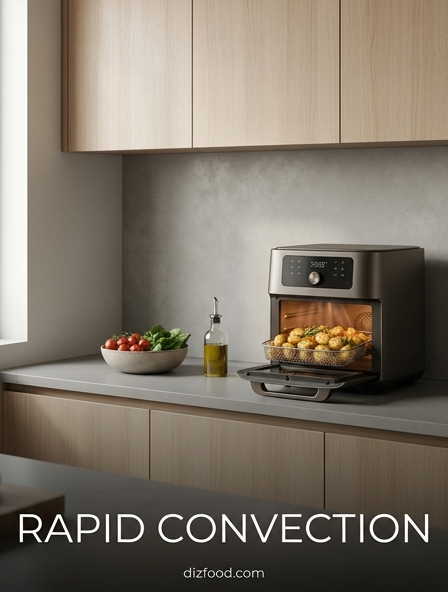
The Science of Hot Air Popping
At the heart of every popcorn kernel lies a tiny droplet of water stored inside a circle of soft starch. As rapid convection heat is applied, this water expands into steam, creating intense internal pressure against the hard outer hull. Unlike traditional methods that rely on oil as a conductive medium, hot air popping utilizes high-velocity thermal energy to penetrate the pericarp uniformly. When the internal temperature reaches approximately 355 degrees Fahrenheit, the pressure becomes too great for the hull to contain, resulting in a sudden, explosive expansion.
- Internal moisture levels typically range between 13.5% and 14% for optimal popping.
- The starch inside the kernel turns into a gelatinous goop before the final rupture.
- Rapid cooling immediately following the pop solidifies the starch into a white, crispy foam.
The convection process ensures that the heat is not just intense but also constant. This thermodynamic efficiency allows the kernel to reach its failure point faster than sitting in a still oven, preventing the starch from becoming tough or chewy. By mastering the balance of temperature and airflow, rapid convection transforms a dense seed into a light, airy snack through pure physical transformation.
Maximizing Expansion with Rapid Airflow
The volume of a popped kernel is directly influenced by the speed at which heat is transferred to the seed. Rapid airflow creates a high-velocity environment that prevents the kernel from resting on a hot surface, which could lead to localized scorching. Instead, the kernels are suspended in a vortex of moving air, ensuring that every millimeter of the hull is subjected to the same caloric energy. This kinetic interaction maximizes the "puff" factor, leading to larger, more symmetrical flakes.
- The constant motion prevents the kernel from losing moisture too slowly, which would cause a "leaky" pop.
- High-velocity air strips away the boundary layer of cooler air surrounding the kernel.
- The agitation helps separated popped kernels from unpopped ones, moving them toward the exit chute.
When airflow is optimized, the expansion ratio can reach up to 40 times the original size of the kernel. This is significantly higher than traditional stovetop methods where uneven heating often results in smaller, denser pieces. The rapid convection mechanism ensures that the transition from a solid state to a foam state is nearly instantaneous, capturing the starch at its peak expansion point before it has a chance to shrink.
Benefits of Oil Free Convection Snacking
Eliminating oil from the popping process offers significant health and maintenance advantages. Traditional oil-popped corn often introduces unnecessary saturated fats and high caloric density, which can negate the natural benefits of the whole grain. Rapid convection relies entirely on the movement of hot air, meaning the final product contains only what was inside the kernel. This method also eliminates the messy cleanup associated with grease and burnt oil residue in the kitchen.
| Attribute | Oil-Popped | Rapid Convection |
|---|---|---|
| Calories per Cup | ~55-65 | ~30 |
| Fat Content | Moderate to High | Negligible |
| Cleanup Time | High (Greasy) | Low (Dust only) |
| Flavor Profile | Masked by Oil | Pure Grain Taste |
Beyond nutrition, oil-free convection prevents the "soggy" texture that can occur when popcorn sits in residual fats. The dry environment of the convection chamber ensures that the snack remains crisp for longer periods. For those who enjoy seasonings, the absence of oil allows for a cleaner application of dry spices, making it a versatile base for various culinary experiments without the heavy feel of fried snacks.
Engineering the Ultimate Crunch Texture
The texture of popcorn is a result of starch morphology. When a kernel pops, the starch granules expand and then rapidly dehydrate. Rapid convection is the ideal tool for this because it continues to strip moisture away from the popped flake even in the milliseconds after the explosion. This secondary drying phase is what creates the "shatter" effect when you bite into a piece. Without sufficient airflow, the steam released during the pop can be reabsorbed by the flake, leading to a rubbery or stale texture.
Engineering the crunch involves balancing the dwell time of the kernel within the heat stream. If the air moves too slowly, the flake remains in a humid environment. If it moves too quickly, the kernel may be ejected before it reaches full expansion. Modern kitchen convection systems are calibrated to provide just enough turbulence to keep the corn moving while maintaining a dry, high-heat atmosphere. This results in a cellular structure within the popcorn that is thin-walled and brittle, providing the sensory satisfaction of a deep-fried snack without the oil. This precision engineering ensures that every batch maintains a professional-grade crispness that is difficult to replicate with traditional conduction heating.
Uniform Heat Distribution Secrets
The secret to a perfect batch of popcorn lies in the elimination of "hot spots" and "cold spots." In a standard pot, the kernels at the bottom receive direct heat while the ones on top remain cool, leading to uneven popping times and frequent burning. Rapid convection solves this by using a forced-air system that creates a uniform thermal field. This means that every kernel, regardless of its position in the chamber, is exposed to the exact same temperature at the exact same time.
- Aerodynamic chambers create a cyclonic effect that tumbles the kernels.
- Sensors in high-end units monitor air temperature to maintain a steady 180-190°C range.
- The constant rotation of the kernels ensures no single side of the hull is weakened prematurely.
By achieving uniform heat distribution, the "old maid" count-the number of unpopped kernels-is drastically reduced. Because the heat is delivered via air molecules rather than a solid metal surface, the risk of charring is minimized. This consistency is why convection technology has become the gold standard for both industrial snack production and high-performance home kitchen appliances, providing a reliable result batch after batch.
Why Rapid Convection Beats Microwave Bags
While microwave popcorn is convenient, it suffers from several mechanical and chemical drawbacks that rapid convection avoids. Microwaves heat the water molecules inside the kernels directly, but they also heat the air and the bag itself, often creating a humid environment that steams the popcorn rather than crisping it. This frequently results in a "chewy" texture. Furthermore, the bags used in microwave popping are often lined with perfluorinated compounds and saturated fats that can produce off-flavors and health concerns.
- Convection uses pure air, eliminating the need for chemical-laden packaging.
- Microwaves often leave a high percentage of unpopped kernels due to uneven radiation patterns.
- The dry heat of convection produces a significantly crispier product than the moist heat of a microwave.
Additionally, rapid convection allows the user to see the process, preventing the common problem of "burning the middle" of the bag. With convection, the popped corn is usually blown away from the heat source immediately, whereas in a microwave, the popped flakes stay in the bag and continue to be bombarded by energy, leading to scorched flavors. For the purist, the flavor and texture of air-popped corn are vastly superior.
Nutritional Advantages of Air Popped Corn
Air-popped popcorn is one of the most nutrient-dense snacks available when prepared using rapid convection. Because it is a whole grain, it retains all parts of the seed-the germ, the endosperm, and the bran. This provides a high level of dietary fiber, which is essential for digestive health and maintaining satiety. When popped with air rather than oil, it remains a low-calorie, high-volume food that is perfect for weight management and healthy snacking.
- Popcorn contains high levels of polyphenols, which are antioxidants that fight cellular damage.
- It has a low glycemic index compared to processed snacks like potato chips or crackers.
- The high fiber-to-calorie ratio makes it an excellent choice for heart health.
The convection process preserves these nutrients by avoiding the high temperatures that can degrade certain antioxidants found in the hull. Since no fats are added during the cooking process, the nutritional profile remains "clean," allowing consumers to control exactly what goes onto their food. Whether eaten plain or with a light mist of sea salt, air-popped corn stands out as a functional food that supports a balanced diet while satisfying the urge for a crunchy, savory snack.
The Role of High Velocity Heat
Velocity is the "hidden" variable in the convection equation. While temperature is responsible for the phase change of the water inside the kernel, the velocity of the air is responsible for the efficiency of heat transfer. In physics, this is known as the convection heat transfer coefficient. Higher air speeds break down the stagnant air layer that clings to the surface of the kernel, allowing the heat to jump from the air to the hull much more effectively.
| Factor | Low Velocity | High Velocity (Rapid Convection) |
|---|---|---|
| Heat Transfer | Slow / Inefficient | Fast / Optimized |
| Kernel Agitation | Minimal | Constant / Vigorous |
| Popping Time | 3-5 Minutes | 90-120 Seconds |
| Texture | Varies / Soft | Consistently Crisp |
High velocity heat also plays a mechanical role. It provides the force necessary to lift the popped kernels out of the heating zone. This prevents overcooking and ensures that the energy is always focused on the unpopped kernels at the bottom of the chamber. This dynamic flow creates a continuous-cycle feeling in the kitchen, where the snack is produced rapidly and efficiently without the need for manual stirring or shaking.
Achieving Consistent Fluffiness Every Time
Consistency is the hallmark of a high-quality rapid convection popper. To achieve the perfect "butterfly" or "mushroom" shape every time, the environment must be tightly controlled. This begins with the quality of the kernels, but is finalized by the precision of the airflow. To ensure your batches are always fluffy, follow a standardized approach to the convection process. The stability of the air temperature ensures that the starch expands to its maximum potential without collapsing.
- Preheat the convection unit for 30 seconds before adding kernels to ensure an immediate heat strike.
- Use fresh kernels stored in an airtight container to maintain the critical 14% moisture level.
- Ensure the exit chute is clear to allow popped corn to escape the heat immediately.
When these conditions are met, the resulting popcorn features a light, expansive structure with a large surface area. This fluffiness is not just aesthetically pleasing; it also changes the way the popcorn carries flavor. The "wings" of a butterfly-style pop are perfect for catching fine-grained salt or nutritional yeast. By utilizing the predictable nature of rapid convection, you can eliminate the guesswork and enjoy a cinema-quality snack in the comfort of your own kitchen.
The Future of Healthy Kitchen Snacking
As kitchen technology evolves, rapid convection is moving beyond the simple air popper and into integrated smart appliances. The future of snacking lies in precision-where sensors can detect the exact moment a batch is finished based on the sound frequency of the pops or the change in air pressure within the chamber. These advancements will make healthy, oil-free snacking even more accessible, reducing energy consumption while increasing the quality of the output. We are seeing a shift toward "smart convection" that can adjust airflow based on the specific variety of corn being used.
Furthermore, the sustainability of this method is driving its popularity. With no need for disposable bags or excessive oils, rapid convection represents a zero-waste approach to snacking. As consumers become more health-conscious and environmentally aware, the kitchen will increasingly feature high-velocity air tech as a staple. The versatility of these systems also suggests a future where other grains, such as quinoa or sorghum, are puffed using the same rapid airflow principles. The convergence of health, speed, and technology ensures that convection popping will remain at the forefront of modern culinary habits for years to come.


Comments