
Reusable silicone snack bags are a game-changer for anyone looking to simplify their kitchen while staying eco-friendly. Unlike flimsy single-use plastics that leak air and contribute to landfill waste, these bags feature a heavy-duty airtight seal that keeps your snacks fresh and crunchy for much longer. They are incredibly versatile, handling everything from freezer storage to dishwasher cleaning without leaching harmful chemicals into your food. By switching to these durable alternatives, you significantly reduce your carbon footprint and save money over time. When deciding on the best eco-friendly storage solution, it is helpful to compare Reusable Silicone Snack Bags Vs Beeswax Wraps to see which fits your lifestyle.
Benefits of Airtight Silicone Seals
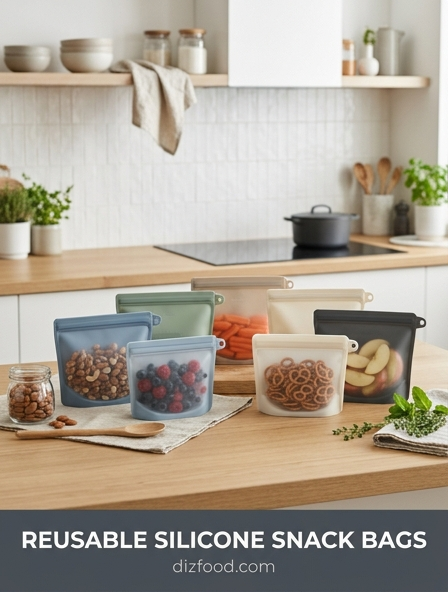
The primary advantage of high-quality silicone snack bags lies in their sophisticated airtight sealing mechanisms. Unlike traditional zip-top plastic bags that often fail at the corners or lose their grip over time, silicone variants utilize pinch-lock technology or sliding bars to create a vacuum-like environment. This seal is crucial for preventing the oxidation of food, which is the leading cause of spoilage and stale textures in dry goods. When air is effectively locked out, the internal environment remains stable, protecting delicate snacks from ambient humidity and moisture.
Furthermore, these seals are engineered to be leak-proof, making them ideal for storing liquids or marinated items without the risk of kitchen messes. The integrity of the seal remains consistent even after hundreds of uses, ensuring that the contents stay contained during transport or storage. This reliability provides peace of mind for users who want to avoid spills in refrigerators or lunch bags. Below are common items that benefit most from an airtight seal:
- Sliced avocados and cut produce prone to browning
- Crispy crackers, pretzels, and cereal-based snacks
- Liquid-heavy snacks like yogurt, hummus, or fruit purees
- Marinated meats or seasoned vegetables for meal prep
Reducing Plastic Waste in the Kitchen
Transitioning to reusable silicone snack bags is one of the most effective ways to minimize a household's environmental footprint. Single-use plastic bags contribute significantly to landfill waste and marine pollution, as they take hundreds of years to decompose. By contrast, a single silicone bag can replace thousands of disposable plastic alternatives over its lifespan. This shift significantly reduces the demand for petroleum-based plastics and decreases the volume of waste generated during daily meal preparation and snack packing.
The environmental impact of switching to reusable options is quantifiable when looking at annual consumption patterns. Households that prioritize sustainability can drastically lower their ecological "trash" footprint by investing in high-quality, durable goods that do not require frequent replacement. Consider the following comparison between disposal habits and sustainable alternatives:
| Feature | Single-Use Plastic Bags | Reusable Silicone Bags |
|---|---|---|
| Lifespan | One use (minutes to hours) | Years (thousands of uses) |
| Recyclability | Rarely accepted in curbside bins | Specialized silicone recycling available |
| Material Source | Crude oil and natural gas | Silica (sand-derived) |
Non Toxic Materials for Safe Snacking
Safety is a paramount concern in the kitchen, and silicone snack bags offer a superior alternative to plastics that may contain harmful chemicals. Most conventional plastic bags are made from polyethylene, which can leach phthalates or Bisphenol A (BPA) into food, especially when exposed to heat or fatty substances. High-grade food silicone is an inert material, meaning it does not react with food or liquids and does not release toxic fumes or chemicals during use. This makes it a preferred choice for parents packing school lunches or individuals focused on long-term health.
The structural integrity of food-grade silicone ensures that it remains hypoallergenic and resistant to the growth of bacteria or mold. Because the material is non-porous, it does not harbor odors or stains from previous meals, ensuring that every snack tastes exactly as intended. Using these bags provides a chemical-free storage solution that protects the purity of your ingredients. Key safety certifications to look for include FDA approval and LFGB standards, which guarantee the material has undergone rigorous testing for food contact safety.
Maximizing Food Freshness and Flavor
Maintaining the organoleptic properties of food-its taste, smell, and texture-is the ultimate goal of any storage solution. Silicone snack bags excel in this area by providing a thick, protective barrier against the external environment. Unlike thin plastic films that can allow odors from the refrigerator to penetrate and alter the flavor of your snacks, silicone is dense enough to act as a true flavor shield. This ensures that your sliced strawberries don't end up tasting like the onions stored on the shelf below them.
The thermal stability of silicone also aids in freshness. It can transition from cold to room temperature without sweating or causing excessive condensation inside the bag, which often leads to mushy produce. By maintaining a consistent internal atmosphere, these bags extend the shelf life of perishables, helping to reduce food waste and save money. The following list outlines how different food groups maintain their quality in silicone storage:
- Berries: Remain firm and dry due to moisture control.
- Nuts: Retain their natural oils and crunch without becoming rancid.
- Cheese: Stays hydrated without the "plastic" taste of wraps.
- Sandwiches: Bread remains soft while fillings stay contained and fresh.
Eco Friendly Snack Storage Solutions
Adopting eco-friendly habits in the kitchen involves more than just recycling; it requires a move toward a circular economy where products are designed for longevity. Silicone snack bags represent this philosophy perfectly. Derived from silica, a resource found abundantly in sand, silicone is more environmentally friendly than traditional plastics throughout its manufacturing process. These bags are designed to withstand extreme temperatures and physical stress, ensuring they stay in your kitchen drawers rather than in the bin.
Furthermore, many companies producing these bags are committed to sustainable business practices, such as carbon-neutral shipping and plastic-free packaging. When a silicone bag eventually reaches the end of its functional life, it can often be sent to specialized recycling facilities that grind the material down for use in playground surfaces or industrial applications. This lifecycle approach minimizes the "take-make-waste" model that has dominated kitchen storage for decades. By choosing silicone, consumers support a system that prioritizes the health of the planet while enjoying a high-performance product that makes daily life easier and more sustainable.
Durability and Long Term Savings
While the initial purchase price of silicone snack bags is higher than a box of disposable plastic bags, the long-term financial benefits are substantial. A high-quality silicone bag can be used thousands of times without tearing, stretching, or losing its sealing ability. When consumers calculate the cumulative cost of buying monthly boxes of single-use plastics, the "break-even" point for silicone bags is usually reached within the first year of use. From that point forward, the storage solution is essentially free, providing years of additional service.
The durability of silicone is unmatched by other flexible materials. It is resistant to punctures from sharp snacks like pretzels or crackers and won't warp or melt in the dishwasher. This resilience ensures that the bags remain functional and aesthetically pleasing over time, even with daily use by children or frequent travelers. To understand the value proposition, consider the typical expenditure over a three-year period:
- Year 1: Purchase a set of 5-10 reusable bags (Initial investment).
- Year 2: Zero spending on snack bags (Savings begin).
- Year 3: Continued use with zero additional waste or cost.
- Total Savings: Hundreds of dollars and thousands of pieces of plastic kept out of landfills.
Versatile Uses from Freezer to Microwave
One of the most impressive features of silicone snack bags is their extreme temperature resistance. Unlike plastic, which can leach chemicals when heated or become brittle and crack when frozen, silicone remains stable between -40°F and over 400°F. This versatility allows a single bag to serve multiple roles in the kitchen. You can use it to freeze a portion of fruit, then move that same bag directly into a bowl of warm water to defrost, or even pop it into the microwave to steam vegetables.
This "multitasking" capability simplifies meal preparation and cleanup. For example, you can marinate a piece of salmon in the bag, cook it using the sous-vide method directly in that same bag, and then store the leftovers in the refrigerator. The material does not degrade under these stresses, maintaining its shape and seal integrity. This adaptability makes silicone bags an essential tool for modern kitchens where efficiency and convenience are highly valued. Whether you are flash-freezing herbs or reheating a midday snack, these containers provide a seamless transition between various kitchen appliances and temperature zones.
Simplified Cleaning and Maintenance
A common concern with reusable items is the effort required to keep them clean. Silicone snack bags are designed with ease of maintenance in mind. Most are top-rack dishwasher safe, allowing for effortless sanitization alongside your plates and cutlery. For the best results, the bags should be placed over the tines of the dishwasher rack to ensure the interior is thoroughly rinsed. Because silicone is naturally non-stick, food particles generally slide off easily, making hand-washing a quick and simple alternative when the dishwasher is full.
To maintain the bags in peak condition, it is important to ensure they are completely dry before being stored away. Many users find success by propping the bags open over a drying rack or using a clean kitchen towel to wipe the interior. To keep your silicone bags looking and performing their best, follow these simple steps:
- Turn the bag partially inside out to scrub corners during hand washing.
- Use a mixture of baking soda and water to remove stubborn stains or smells from pungent foods.
- Avoid using sharp knives directly inside the bag to prevent punctures.
- Ensure the seal track is clear of debris to maintain an airtight closure.
Organizing Your Pantry Sustainably
Beyond the refrigerator and lunchbox, silicone snack bags are excellent tools for pantry organization. Their flexible nature allows them to fit into tight spaces where rigid plastic containers might not, helping to maximize shelf real estate. Because they are often transparent or semi-translucent, it is easy to identify contents at a glance, reducing the time spent searching for specific ingredients. This visual clarity encourages a "first-in, first-out" inventory system, which helps prevent food from expiring unnoticed at the back of the pantry.
Uniformity in storage also creates a more aesthetically pleasing and calming kitchen environment. Many silicone bags can be labeled with dry-erase markers directly on the surface, allowing you to note expiration dates or contents without the need for sticky adhesive labels that leave residue. This sustainable approach to organization reduces clutter and promotes a more intentional way of managing household supplies. By utilizing different sizes-from small pocket-sized bags for spices to large gallon-sized bags for flour or grains-you can create a cohesive and highly functional pantry system that is both eco-friendly and stylish.
Portability for On the Go Lifestyles
For individuals with active lifestyles, the portability of silicone snack bags is a significant advantage. Their lightweight and flexible design makes them easy to slide into backpacks, gym bags, or laptop cases without adding unnecessary bulk. Unlike glass containers, which are heavy and prone to breaking, or rigid plastic boxes that take up the same amount of space whether they are full or empty, silicone bags collapse as the contents are consumed. This space-saving feature is particularly useful for travelers and commuters who want to minimize the footprint of their gear.
The secure seal ensures that snacks like trail mix, sliced fruit, or even energy balls remain fresh and contained during movement. Whether you are hiking, flying, or simply heading to the office, these bags provide a reliable way to carry nutrition without the worry of accidental spills. Their rugged construction means they can survive being dropped or squeezed, making them the ultimate companion for "on-the-go" eating. By choosing reusable bags for your daily adventures, you maintain your commitment to sustainability even when you are far from home, ensuring that convenience does not come at the cost of the environment.



Comments