
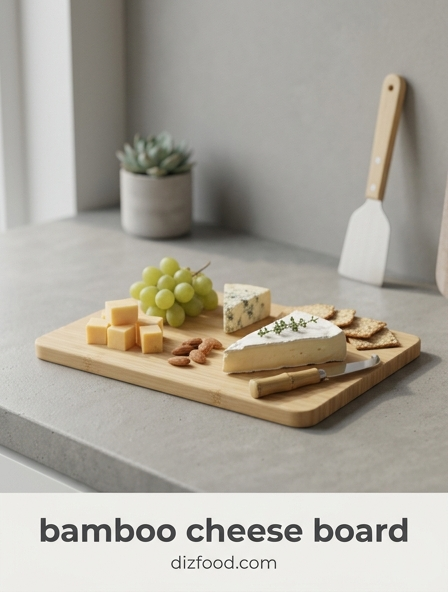
The Environmental Benefits of Bamboo
Bamboo is widely recognized as one of the most eco-friendly materials available for modern kitchenware. Unlike traditional hardwoods that take decades to mature, bamboo is a fast-growing grass that reaches harvestable size in just three to five years. This rapid growth cycle ensures a steady supply without the devastating effects of deforestation. Furthermore, bamboo systems play a crucial role in soil protection, as their extensive root networks prevent erosion and maintain the structural integrity of the land.
Choosing a bamboo cheese board also contributes to a chemical-free home environment. Cultivating bamboo requires significantly fewer pesticides and fertilizers compared to conventional crops, ensuring that the material remains pure from the field to your table. Some key environmental advantages include:
- High oxygen production, releasing 35% more oxygen than equivalent stands of trees.
- Significant carbon sequestration capabilities, helping to mitigate greenhouse gases.
- Natural biodegradability, ensuring the product does not contribute to long-term landfill waste.
- Water efficiency, as bamboo typically thrives on natural rainfall without heavy irrigation.
Durability Meets Natural Elegance
When it comes to kitchen accessories, durability is just as important as aesthetic appeal. Bamboo cheese boards offer a unique combination of strength and beauty that rivals even the most expensive exotic woods. Despite its lightweight feel, bamboo is incredibly dense and possesses a higher tensile strength than many steel alloys. This makes it highly resistant to warping, cracking, or deep scarring from cheese knives, ensuring your board remains a centerpiece for years of entertaining.
The natural elegance of bamboo lies in its distinctive grain patterns and warm, neutral tones. Every board features a unique arrangement of nodes and stalks, providing a sophisticated backdrop for any culinary presentation. Whether you are hosting a formal wine tasting or a casual family gathering, the organic texture of bamboo adds a touch of modern minimalism to the kitchen. Its ability to withstand frequent use while maintaining a smooth, polished finish makes it a superior choice for those who value both longevity and visual grace in their serving essentials.
Why Bamboo Outperforms Traditional Hardwoods
Selecting the right material for a serving platter involves comparing performance metrics such as hardness and moisture resistance. Bamboo consistently outperforms common hardwoods like oak, maple, and walnut in several critical categories. Because bamboo is technically a grass, its fibers are more flexible and less prone to the brittle snapping often seen in aged wood. Additionally, its natural density means it absorbs less liquid, preventing the board from swelling or harboring unpleasant odors over time.
| Feature | Bamboo | Traditional Hardwood |
|---|---|---|
| Hardness (Janka Scale) | Often 1300-1400 lbf | Varies (Oak: 1290 lbf) |
| Moisture Absorption | Low (Highly Resistant) | Moderate to High |
| Regrowth Rate | 3-5 Years | 30-50 Years |
| Weight | Lightweight | Heavy |
This table illustrates why culinary professionals often prefer bamboo. The combination of a high hardness rating and low moisture absorption ensures that the board remains hygienic and structurally sound, even when exposed to soft cheeses and acidic fruits.
Antibacterial Properties for Safer Snacking
Food safety is a primary concern in any kitchen, and bamboo cheese boards provide a natural layer of protection. Bamboo contains a unique bio-agent known as "bamboo kun," which serves as a natural defense against pests and bacteria. This inherent quality persists even after the bamboo has been processed into kitchenware, helping to inhibit the growth of bacteria on the board's surface. For hosts serving a variety of raw cheeses and cured meats, this antimicrobial characteristic offers peace of mind.
Beyond its chemical makeup, the physical structure of bamboo contributes to its hygienic profile. Because it is less porous than traditional wood, it does not trap food particles or moisture deep within its fibers. This prevents the "cross-contamination" risks often associated with deeper knife grooves in softer wooden boards. When you prepare a spread on a bamboo surface, you are utilizing a material that is naturally geared toward cleanliness. Regular washing with mild soap is usually sufficient to maintain a sterile environment, making bamboo an ideal choice for health-conscious entertainers who prioritize a sanitary serving experience.
A Stylish Foundation for Artisanal Cheeses
A bamboo cheese board serves as more than just a cutting surface; it is a canvas for culinary artistry. To create a professional-grade presentation, one must consider the balance of colors, textures, and flavors. The neutral, straw-colored hues of bamboo highlight the rich yellows of aged cheddar, the stark whites of goat cheese, and the vibrant rinds of washed-rind varieties. Its smooth surface allows for the easy arrangement of accompaniments without cluttering the visual field.
- Start by placing three to five distinct cheeses at different points on the board.
- Fill the gaps with vibrant fruits like grapes, figs, or dried apricots for color contrast.
- Add a variety of textures using almonds, walnuts, or crisp artisan crackers.
- Include small ramekins of honey or preserves to add height and interactive elements.
- Garnish with fresh herbs like rosemary or thyme to enhance the organic aesthetic.
Following these steps ensures a balanced spread that is as pleasing to the eye as it is to the palate, all supported by the sturdy and stylish foundation of bamboo.
Reducing Your Carbon Footprint in the Kitchen
Sustainable living starts with small, conscious choices in the heart of the home. By integrating a bamboo cheese board into your kitchen inventory, you are actively reducing your carbon footprint. The manufacturing process for bamboo products generally requires less energy than the production of plastic or metal serving trays. Furthermore, because bamboo grows so rapidly and requires no replanting, it serves as a highly efficient carbon sink, pulling more CO2 from the atmosphere than most other plants used in manufacturing.
Choosing bamboo also reduces the demand for slow-growing hardwoods, which are often harvested through clear-cutting practices that destroy diverse ecosystems. When you opt for a rapidly renewable resource, you support an industry that promotes ecological balance. The lightweight nature of bamboo also means lower carbon emissions during transport compared to heavy stone or dense mahogany boards. Ultimately, every bamboo item in your kitchen represents a commitment to a circular economy where resources are used responsibly and replenished quickly, ensuring that your entertaining habits align with a greener, more sustainable future for the planet.
Low Maintenance Care for Busy Hosts
One of the most appealing aspects of bamboo cheese boards is their ease of maintenance. For busy hosts who want to spend more time with guests and less time scrubbing, bamboo is the perfect solution. Unlike slate or marble, which can be heavy and prone to staining, bamboo is incredibly resilient and easy to clean. Following a few simple maintenance steps will keep your board looking brand new for years to come without requiring professional tools or expensive cleaning agents.
- Hand wash only with warm, soapy water immediately after use.
- Never soak the board or put it in the dishwasher, as extreme heat and moisture can damage the fibers.
- Pat the board dry with a clean towel and let it air dry vertically to ensure even evaporation.
- Apply a food-grade mineral oil once a month to maintain the board's hydration and natural luster.
- Remove odors by rubbing the surface with a slice of lemon and a sprinkle of sea salt.
These simple habits ensure that your bamboo board remains a reliable and beautiful part of your hosting toolkit with minimal effort.
The Rapidly Renewable Resource Advantage
The term "rapidly renewable" is more than just a buzzword; it is a fundamental characteristic that sets bamboo apart from nearly every other material in the kitchen. Traditional oak or maple trees can take over half a century to reach maturity, meaning a single harvest removes a resource that took a lifetime to grow. In contrast, bamboo is a grass that regenerates from its own root system. When a stalk is harvested, the plant does not die; instead, it continues to grow, allowing for a continuous harvest every few years without the need for replanting.
This biological efficiency makes bamboo one of the most sustainable crops on earth. It can thrive in degraded soil where other plants would fail, helping to reclaim land and improve local biodiversity. For the consumer, this means that bamboo products are often more affordable and consistently available than their hardwood counterparts. By utilizing a resource that matures so quickly, manufacturers can meet global demand without stripping the earth of its old-growth forests. This advantage makes bamboo the gold standard for anyone looking to balance modern convenience with environmental stewardship.
Elevating Your Eco Friendly Entertaining Style
Entertaining is an expression of personal style, and incorporating eco-friendly elements like bamboo cheese boards reflects a sophisticated, conscious lifestyle. Modern guests often appreciate the story behind the products they interact with, and a bamboo board serves as a great conversation starter regarding sustainability. Its minimalist design fits perfectly into various interior styles, from rustic farmhouse to sleek contemporary, making it a versatile tool for any home decorator. Elevating your style doesn't have to come at the expense of the planet; it's about choosing items that are both functional and ethical.
Pairing your bamboo board with other sustainable materials, such as linen napkins, recycled glass carafes, and stainless steel cheese knives, creates a cohesive and thoughtful aesthetic. This holistic approach to entertaining shows a commitment to quality and craftsmanship. The tactile warmth of bamboo provides a welcoming atmosphere, encouraging guests to gather around and enjoy the spread. By choosing materials that are beautiful, durable, and kind to the Earth, you set a standard for luxury that is rooted in responsibility and timeless design.
Versatile Design for Modern Appetizer Spreads
A bamboo cheese board is a multifaceted tool designed for more than just Brie and Cheddar. Its versatile nature allows it to transition seamlessly between different types of appetizers and meal services. Many modern designs include integrated features such as hidden drawers for cutlery, carved grooves to hold crackers in place, or recessed wells for olives and nuts. This functionality makes the board a comprehensive station for all your hors d'oeuvre needs, reducing the number of dishes required for a party.
Consider these creative ways to use your bamboo board beyond the traditional cheese course:
- Charcuterie Display: Arrange prosciutto, salami, and pâté with cornichons.
- Dessert Board: Feature dark chocolate squares, fresh berries, and shortbread cookies.
- Breakfast Spread: Serve a variety of bagels, smoked salmon, capers, and cream cheese.
- Flatbread Base: Use it as a rustic serving platter for warm, sliced flatbreads or pizzas.
The lightweight and sturdy design of bamboo makes it easy to pass the board around the room, ensuring that every guest has easy access to the delicious offerings you have prepared.


Comments