
Preparing your favorite healthy snacks shouldn't lead to a trip to the emergency room, yet "avocado hand" has become a surprisingly common kitchen injury. This painful accident typically occurs when a sharp blade slips during the pitting process, causing serious lacerations to the palm or fingers. To safeguard your culinary adventures, mastering proper grip techniques and maintaining a stable cutting surface are vital first steps in kitchen accident prevention. By prioritizing safety over speed, you can enjoy your meals without the risk of deep cuts or nerve damage. When it comes to efficiency and protection, it is worth comparing the pros and cons of using an Avocado Slicer Tool Vs Kitchen Knife Methods to find your safest prep routine.
Understanding the Mechanics of Avocado Hand
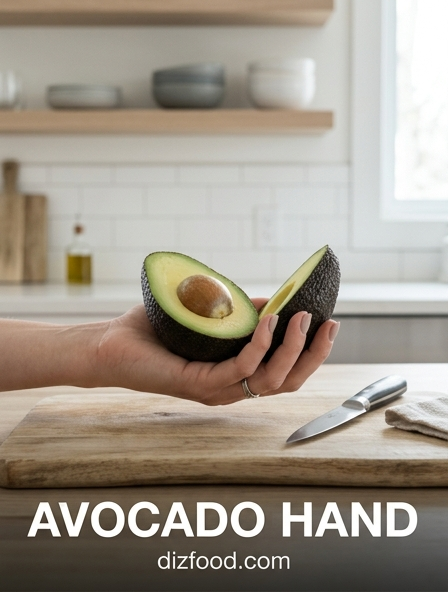
The term "avocado hand" refers to a specific type of kitchen injury that occurs when a knife slips while a person is attempting to pit or slice an avocado. The unique anatomy of the fruit-a soft, buttery flesh surrounding a hard, slippery pit-creates a deceptive surface for even experienced cooks. When users hold the avocado in the palm of their hand and apply downward pressure with a blade, the knife can easily slide off the pit and pierce the skin between the thumb and index finger. This often results in deep lacerations or nerve damage due to the force required to penetrate the thick avocado skin.
Many factors contribute to these accidents, including the ripeness of the fruit and the specific tool used. An overripe avocado is particularly dangerous because the flesh offers almost no resistance, allowing the blade to travel through it at high velocity. Understanding that the palm provides no protection against a sharp blade is the first step toward prevention. Biomechanical studies of these injuries suggest that the circular shape of the fruit promotes a rotational slip, which is why stability during the cutting process is paramount for safety.
Safe Techniques for Pitting and Slicing
To avoid injuries, you must change your physical approach to preparing avocados. The primary rule is to never hold the fruit in your hand while cutting it. Instead, place the avocado flat on a stable cutting board. This ensures that if the knife slips, it hits the board rather than your flesh. By treating the avocado like any other vegetable or fruit that requires stability, you significantly reduce the risk of an emergency room visit.
Follow these specific steps to ensure a safe preparation process:
- Slice the avocado lengthwise by rotating the fruit against a stationary knife on the board.
- Twist the two halves apart to expose the pit.
- Remove the pit by gently thwacking it with the heel of the knife and twisting, or use a spoon to scoop it out.
- Slice the flesh while it is still inside the skin, keeping fingers well away from the path of the blade.
- Use a spoon to scoop the slices or mash out of the skin.
The spoon method is widely considered the safest alternative for those who are uncomfortable using a knife to remove the central seed.
Mastering Fundamental Knife Handling Skills
Professional knife skills are the most effective defense against common kitchen accidents. When preparing slippery items like avocados, your grip on the knife determines the level of control you have over the blade. Most chefs recommend the "pinch grip," where the thumb and index finger grasp the bolster of the knife, providing superior leverage and preventing the hand from sliding down onto the edge. This grip allows for precise movements that can accommodate the varying textures of the avocado.
Proper hand positioning on the food itself is equally important. Using the "claw grip" on the cutting board ensures that your fingertips are tucked away, and your knuckles act as a guide for the blade. This creates a physical barrier between the sharp edge and your sensitive skin. Consistent practice of these movements builds muscle memory, which helps maintain safety even when you are working quickly. By focusing on the mechanics of the wrist and elbow, you can ensure that the force applied is directed away from your body and into the work surface.
The Importance of Sharp Blade Maintenance
It is a common misconception that a dull knife is safer than a sharp one. In reality, a dull blade is far more likely to cause "avocado hand" because it requires more force to cut through the skin. When extra pressure is applied, the knife is more prone to slipping unexpectedly. A sharp knife, by contrast, bites into the skin of the avocado immediately, requiring minimal effort and offering the user maximum control over the trajectory of the cut.
Regular maintenance of your cutlery is essential for a safe kitchen environment. Honing your blade before every use helps keep the edge aligned, while periodic sharpening on a whetstone or by a professional restores the actual cutting edge. Beyond safety, a well-maintained knife preserves the texture of the avocado, preventing it from being mashed or bruised during slicing. When a blade is truly sharp, it glides through the fruit with a predictable resistance, allowing the cook to feel exactly when they have reached the pit without having to use dangerous amounts of downward pressure.
Choosing the Right Tools for Snacking
While a chef's knife is the standard for most kitchen tasks, specific tools exist that are designed specifically to minimize the risks associated with avocados. For those who frequently prepare this fruit for snacks or meals, investing in specialized equipment can provide an extra layer of protection. These tools often combine a plastic blade, a pit remover, and a slicer into one unit, significantly reducing the reliance on sharp stainless steel for the most dangerous parts of the process.
| Tool Type | Primary Benefit | Safety Level |
|---|---|---|
| Chef's Knife | High precision and versatility | Moderate (skill-dependent) |
| 3-in-1 Avocado Slicer | Plastic blades prevent deep cuts | High |
| Large Spoon | Safest way to remove pit/flesh | Highest |
| Paring Knife | Good for small details | Low (easy to slip) |
Using a spoon to remove the pit is often recommended for beginners because it eliminates the need to "strike" the pit with a blade. Regardless of the tool chosen, ensuring it is appropriately sized for the fruit is key to maintaining a steady grip.
Managing Wet and Oily Surfaces
Avocados are naturally high in fats and oils, which can make the fruit, your hands, and your cutting board incredibly slick. This lack of friction is a major contributor to accidental slips. Before you begin slicing, it is vital to ensure that both the avocado skin and your hands are as dry as possible. Any moisture or residual oil from a previous task can cause your grip to fail at a critical moment. Using a clean kitchen towel to pat down the fruit before placing it on the board is a simple but effective safety measure.
The work surface itself must also be stabilized. If a cutting board slides during a cut, the momentum of the knife can be redirected toward the user's hand. To prevent this, many cooks place a damp paper towel or a non-slip silicone mat under the board. Keeping a dry towel nearby allows you to wipe your hands between stages of preparation, such as after removing the pit when the inner oils are most likely to coat your fingers. Managing the environment is just as important as the technique used on the fruit itself.
Protective Gear for Kitchen Safety
For home cooks who are prone to accidents or those who want absolute peace of mind, protective gear offers a physical barrier against lacerations. Cut-resistant gloves have become increasingly popular in residential kitchens, particularly for tasks involving slippery items or mandoline slicers. These gloves are typically made from high-performance materials like polyethylene or stainless steel mesh, designed to stop a blade from reaching the skin even if a significant slip occurs.
Consider the following items to enhance your safety during food preparation:
- Level 5 Cut-Resistant Gloves: Provides the highest level of protection against sharp edges.
- Finger Guards: Small stainless steel shields that fit over the fingertips.
- Silicone Grips: Helps maintain a firm hold on slippery fruit skins.
- Nylon Aprons: Can prevent minor nicks to the torso if a knife falls.
While gear should never replace proper technique, it serves as a valuable secondary defense. Using a cut-resistant glove on the hand holding the fruit (if you insist on not using a board) can prevent the severe tendon and nerve damage characteristic of avocado hand injuries.
Quick First Aid for Minor Lacerations
Despite best efforts, accidents can still happen. Knowing how to react immediately can prevent a minor cut from becoming a serious medical issue. If a slip occurs, the first priority is to assess the depth and location of the wound. Cuts to the palm are particularly concerning because of the proximity to tendons and nerves. If the wound is bleeding profusely or shows signs of deep tissue damage, seeking professional medical attention at an urgent care facility or emergency room is necessary.
For minor nicks, follow these steps:
- Apply firm pressure with a clean cloth to stop the bleeding.
- Rinse the wound under cool running water to remove any debris or avocado oil.
- Clean the area with mild soap, avoiding harsh chemicals inside the cut.
- Apply an antibiotic ointment to keep the wound moist and prevent infection.
- Cover with a sterile bandage, ensuring it is tight enough to protect the area but not cut off circulation.
Monitor the site for signs of infection, such as redness, swelling, or heat, in the days following the injury.
Organizing Your Counter for Accident Prevention
A cluttered workspace is a dangerous workspace. When preparing food, "mise en place"-having everything in its place-can significantly reduce the risk of injury. If you are reaching over discarded peels, pits, or other utensils, you are more likely to lose focus on the task at hand. Clear a dedicated space on your counter specifically for avocado preparation. This area should be free of distractions and provide enough room for your cutting board to sit flat and secure.
Proper lighting is another often-overlooked aspect of kitchen organization. If your work area is poorly lit, you may struggle to see the exact entry point of the knife into the fruit, leading to inaccurate cuts. Position your board directly under a light source to eliminate shadows. Additionally, ensure that your trash receptacle or compost bin is nearby so you can immediately dispose of the pit and skin. By maintaining a clean and orderly environment, you minimize the physical obstacles that contribute to slips and allow yourself to focus entirely on the safe handling of your tools.
Developing Safe Habits for Healthy Snacking
Safety in the kitchen is ultimately a result of consistent habits and a mindful approach to food preparation. It is easy to become complacent when performing a routine task like slicing an avocado for a quick snack. However, most injuries occur when a person is rushed or distracted. Making a conscious decision to slow down and follow safety protocols every single time-regardless of how hungry you are-is the most effective way to eliminate the risk of avocado hand.
Encourage a culture of safety in your household by teaching these techniques to others. If children are involved in food prep, ensure they are using age-appropriate tools and are supervised during the process. Remind yourself that the thirty seconds saved by "hand-pitting" an avocado is not worth the weeks of recovery required for a hand injury. By prioritizing technique over speed, you can continue to enjoy the health benefits of avocados without the risk of physical harm. Consistency in using a cutting board and maintaining sharp knives will eventually make safe habits second nature, ensuring your kitchen remains a productive and injury-free space.




Comments