
Ever wonder what is really hidden inside those shiny snack wrappers? It's time to ditch high-fructose corn syrup and reclaim your kitchen by crafting natural and nutritious fruit treats that your body will actually love. Making your own snacks allows you to skip the preservatives and artificial colors, focusing instead on the vibrant, sun-ripened flavors of real, whole fruit. These wholesome bites are packed with essential vitamins and fiber, providing a guilt-free energy boost for both kids and adults. Plus, the DIY process is incredibly simple, rewarding, and keeps you in control of every ingredient. To see how your homemade creations stack up against the processed competition, explore the major differences between Dehydrated Fruit Leather Vs Store Bought Fruit Rolls.
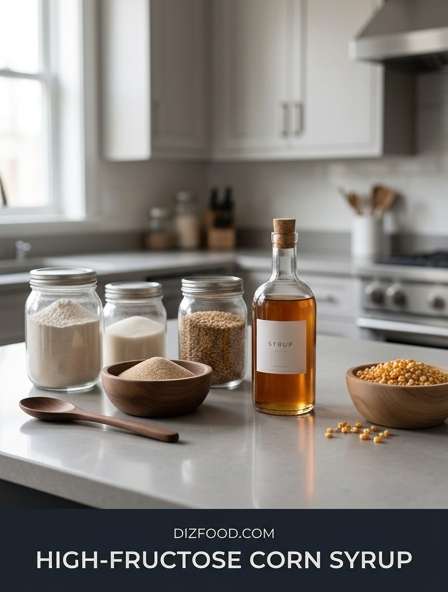
The Hidden Dangers of High-Fructose Corn Syrup
High-fructose corn syrup (HFCS) has become a ubiquitous staple in modern kitchens, often hiding in plain sight within processed breads, condiments, and salad dressings. Unlike glucose, which is metabolized by every cell in the body, fructose is processed almost exclusively by the liver. When consumed in the concentrated, liquid form found in HFCS, it can lead to significant metabolic strain, contributing to fatty liver disease and insulin resistance. The rapid absorption of these industrial sugars causes sharp spikes in blood glucose levels, followed by inevitable crashes that trigger further cravings.
Beyond the metabolic impact, HFCS is often a marker for highly processed foods that lack essential micronutrients. Identifying its presence requires a vigilant eye on ingredient labels, as it may be listed under various pseudonyms. Reducing its intake is not just about weight management; it is about restoring the body's natural hunger cues and protecting long-term cardiovascular health. Common kitchen items frequently containing hidden HFCS include:
- Ketchup and barbecue sauces
- Commercial pasta sauces
- Breakfast cereals and granola bars
- Yogurt with fruit flavoring
- Store-bought sandwich breads
Benefits of Natural Fruit-Based Snacking
Transitioning from processed sweets to natural fruit-based snacks offers a transformative experience for both the palate and the digestive system. Whole fruits provide a complex matrix of fiber, vitamins, and antioxidants that are stripped away during the production of high-fructose corn syrup. The fiber content in whole fruit is particularly crucial, as it slows the absorption of natural sugars, ensuring a steady release of energy rather than a frantic spike and crash. This stabilization of blood sugar helps maintain focus and mood throughout the day.
Furthermore, fruit-based snacking introduces a variety of phytochemicals that support the immune system and reduce inflammation. Unlike the empty calories found in refined sugars, the natural sugars in fruit come packaged with hydration and essential minerals like potassium and magnesium. This makes them an ideal choice for active individuals and children alike. The table below highlights the distinct differences between HFCS-laden snacks and whole fruit options:
| Feature | HFCS-Processed Snacks | Natural Whole Fruit |
|---|---|---|
| Fiber Content | Negligible or Zero | High (Pectin and Cellulose) |
| Metabolic Rate | Rapid Absorption | Slow, Sustained Release |
| Nutrient Density | Empty Calories | Vitamins and Antioxidants |
Essential Kitchen Tools for DIY Fruit Treats
Creating healthy, fruit-based alternatives to processed snacks requires a few specialized tools that help preserve the integrity of the ingredients while enhancing their texture. Investing in the right equipment allows home cooks to mimic the convenience of store-bought treats without the chemical additives. A high-speed blender is perhaps the most versatile tool, capable of turning frozen fruit into smooth "nice cream" or pureeing fresh berries for homemade fruit leathers. For those interested in texture, a mandoline slicer is essential for achieving the paper-thin consistency needed for crisp fruit chips.
Uniformity is the key to successful dehydration and freezing. Without consistent thickness, some pieces may remain soggy while others burn. Additionally, high-quality silicone mats are invaluable for baking or drying fruit purees, as they provide a non-stick surface that eliminates the need for added oils or parchment paper. Consider adding these items to your kitchen arsenal to simplify the transition to whole-food snacking:
- Mandoline slicer with adjustable thickness settings
- High-speed blender or food processor
- Dehydrator or an oven with a low-temperature convection setting
- Silicone baking mats (BPA-free)
- Air-tight glass storage containers for freshness
Homemade Fruit Leather Without Added Sugars
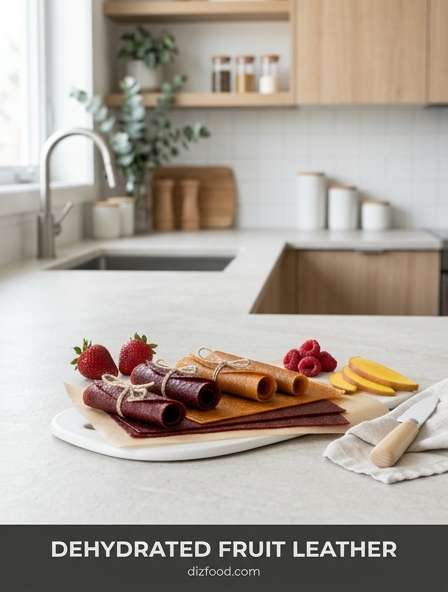
Homemade fruit leather is a nostalgic treat that, when made at home, serves as a nutrient-dense alternative to commercial "fruit snacks" that are primarily composed of high-fructose corn syrup and food dyes. By using ripe, seasonal fruit, you can leverage natural sweetness without the need for supplemental sweeteners. The process involves pureeing the fruit until it is completely smooth, then spreading it thinly and evenly across a prepared surface. This method concentrates the flavors and creates a chewy, satisfying texture that kids and adults enjoy.
To achieve the perfect leather, low and slow is the golden rule. High heat will make the leather brittle, while too much moisture will lead to mold during storage. Incorporating a small amount of lemon juice can help preserve the vibrant color of fruits like apples or peaches, which tend to oxidize. Follow these steps for successful fruit leather production:
- Wash and pit your choice of fruit, such as strawberries, mangoes, or apricots.
- Puree the fruit in a blender until no lumps remain.
- Spread the puree to a thickness of 1/8 inch on a silicone mat.
- Dehydrate at 135°F (57°C) for 6 to 8 hours until no longer tacky.
- Peel, roll in parchment, and store in an airtight container.
Refreshing Frozen Fruit Snacks for Summer
When temperatures rise, the temptation to reach for sugary popsicles or ice cream loaded with corn syrup is high. However, frozen fruit snacks offer a cooling alternative that is both hydrating and nutritionally superior. Simple techniques can transform ordinary fruit into gourmet frozen delights. For instance, freezing individual grapes creates tiny, sorbet-like morsels that are naturally sweet and refreshing. Similarly, blending frozen bananas results in a creamy, dairy-free soft serve that requires no additional sugar to satisfy a dessert craving.
The versatility of frozen treats allows for creative experimentation with herbs and spices. Watermelon infused with lime and mint can be pureed and frozen into molds for a sophisticated popsicle experience. These treats are particularly beneficial for children, as they provide the sensory satisfaction of a cold snack while delivering essential hydration. Some popular combinations for the freezer include:
- Frozen mango chunks tossed in chili-lime seasoning
- Greek yogurt-dipped blueberries
- Smashed raspberries frozen into "bark" with dark chocolate
- Pineapple spears dusted with shredded coconut
- Honeydew melon skewers
Nutrient-Dense Alternatives to Processed Candy
The candy aisle is a minefield of high-fructose corn syrup, artificial flavorings, and synthetic colors. For those looking to satisfy a sweet tooth while maintaining a health-conscious kitchen, nature provides several "candy-like" alternatives that are rich in vitamins. Dried fruits, such as Medjool dates and figs, offer a caramel-like richness and a dense chewiness that rivals any gummy or taffy. Unlike processed candy, these fruits contain significant amounts of potassium and fiber, which helps regulate the body's insulin response.
When selecting these alternatives, it is important to choose sun-dried or unsweetened varieties to avoid the very additives you are trying to replace. These natural sweets are energy-dense, making them perfect for pre-workout snacks or an afternoon pick-me-up. Comparing the nutritional profile of common candies versus whole fruit alternatives reveals a stark contrast in quality. The following table illustrates why natural options are superior for long-term health:
| Snack Type | Primary Sweetener | Key Nutrients |
|---|---|---|
| Gummy Bears | HFCS & Glucose | None |
| Medjool Dates | Natural Fructose | Fiber, Potassium, Copper |
| Dried Mango | Natural Fructose | Vitamin A, Vitamin C |
Simple Dehydration Techniques for Fresh Fruit
Dehydration is an ancient preservation method that remains one of the most effective ways to enjoy fruit year-round without the need for the corn syrup preservatives found in canned goods. By removing water, the flavors and natural sugars of the fruit are concentrated, resulting in a shelf-stable snack that is easy to transport. While dedicated food dehydrators are the most efficient, a standard kitchen oven can achieve similar results if it can be set to a low enough temperature. The goal is to evaporate moisture without actually "cooking" the fruit, which preserves the heat-sensitive vitamins.
Pre-treatment is often the secret to professional-looking dried fruit. A quick soak in acidified water (water mixed with lemon juice) prevents browning in light-colored fruits like pears and bananas. Ensuring the fruit is dry before entering the dehydrator will also speed up the process significantly. To master the art of home dehydration, follow this basic protocol:
- Slice fruit into uniform thickness to ensure even drying.
- Dip oxidative fruits in a lemon water bath for five minutes.
- Arrange in a single layer, ensuring no pieces are touching.
- Set temperature between 125°F and 135°F.
- Check for "doneness" by cooling a piece; it should be leathery or crisp, not sticky.
Incorporating Whole Fruits into Daily Snacks
Replacing high-fructose corn syrup in your diet is most successful when you seamlessly integrate whole fruits into your existing daily routine. Rather than viewing fruit as a separate food group, it should be treated as a versatile ingredient that can enhance both sweet and savory dishes. Adding sliced berries to morning oatmeal or incorporating diced apples into a kale salad provides a natural sweetness that eliminates the need for sugary dressings or syrups. This approach not only reduces HFCS consumption but also increases the overall volume and satiety of your meals.
Preparation is the key to consistency. Having washed and ready-to-eat fruit at eye level in the refrigerator makes it the path of least resistance when hunger strikes between meals. Furthermore, using fruit as a base for dips, such as apple slices with almond butter, creates a balanced snack containing healthy fats, protein, and fiber. Consider these easy ways to boost your daily fruit intake:
- Swap sugary jelly for mashed raspberries on whole-grain toast.
- Add sliced peaches or nectarines to cottage cheese.
- Mix dried cranberries into homemade trail mix.
- Freeze grapes to use as "ice cubes" in sparkling water.
- Top plain yogurt with fresh pomegranate seeds.
The Science of Natural Sweetness in Fruit
The fundamental difference between the sweetness found in whole fruit and that of high-fructose corn syrup lies in the biological delivery system. In the kitchen, we often treat all "sugar" as equal, but the body distinguishes between them based on the presence of accompanying nutrients. Whole fruit contains fructose, but it is bound within a structural framework of insoluble and soluble fibers. This "scaffolding" requires the digestive system to work harder to break it down, resulting in a slow, controlled release of fructose into the bloodstream and subsequently the liver.
In contrast, HFCS is a "free" sugar, meaning it is not bound to fiber and is instantly available for absorption. This flood of sugar overwhelms the liver's metabolic capacity, leading to the production of triglycerides and uric acid. Additionally, whole fruits contain polyphenols that can actually inhibit some of the sugar absorption in the gut. By choosing the natural sweetness of fruit, you are engaging with a complex biological package designed to be processed efficiently by the human body, whereas refined syrups bypass these natural safeguards, leading to systemic inflammation and metabolic dysfunction.
Transitioning Your Pantry to Whole Food Treats
Reorganizing your kitchen to eliminate high-fructose corn syrup requires a systematic approach to auditing your current pantry and replacing processed items with whole-food alternatives. The first step is a thorough label-reading session, identifying any products that list corn syrup, maize syrup, or glucose-fructose syrup as a primary ingredient. Once these items are removed, the goal is to restock with "single-ingredient" snacks that provide natural energy. This transition is not about deprivation but about upgrading the quality of the fuel you provide for your household.
A well-stocked whole-food pantry focuses on shelf-stable fruits and raw nuts, which can be combined to create satisfying snacks. Over time, your taste buds will recalibrate, finding natural fruits increasingly sweet while processed snacks become cloying. To successfully transition your kitchen environment, follow these organizational steps:
- Conduct a pantry audit and discard or donate items containing HFCS.
- Establish a "fruit bowl" in a high-traffic area to encourage visible snacking.
- Prep a "snack drawer" in the fridge with pre-cut melons, berries, and citrus.
- Store bulk dried fruits and nuts in clear glass jars for easy access.
- Keep a list of quick, fruit-based recipes on the fridge for inspiration.



Comments