
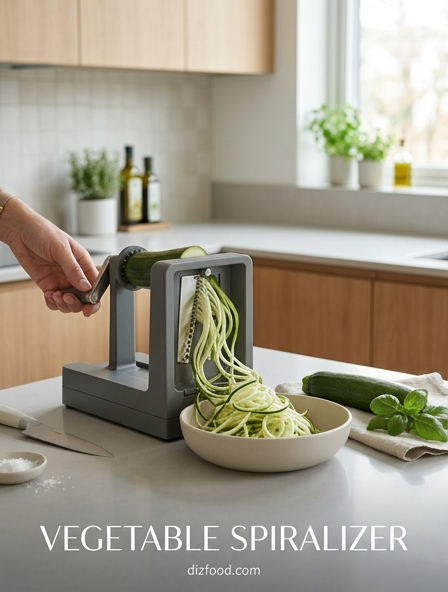
Professional Grade Spiralizer Selection
Selecting the right vegetable spiralizer for a professional kitchen requires a focus on durability, stability, and blade variety. Industrial-grade models are typically constructed from reinforced BPA-free plastics or high-quality stainless steel to withstand the rigors of daily high-volume use. When evaluating potential tools, chefs must prioritize units with powerful suction bases or clamp mechanisms to prevent slippage during the processing of tougher produce like butternut squash or large carrots.
| Feature | Professional Requirement |
|---|---|
| Material | Stainless steel or high-impact resin |
| Stability | Industrial suction or counter-bolt mounts |
| Blade System | Interchangeable 430-grade stainless steel plates |
| Drive Mechanism | Ergonomic horizontal or vertical crank with high torque |
The versatility of a professional tool is measured by its ability to produce consistent results across diverse textures. A well-chosen spiralizer reduces manual labor costs while ensuring that every vegetable noodle or ribbon meets precise plating specifications for gourmet service.
Effortless High Volume Prep Techniques
Achieving efficiency in high-volume environments depends on standardized prep techniques that minimize waste and maximize speed. Before engaging the spiralizer, vegetables must be trimmed to create flat, parallel ends, which ensures the core remains centered on the drive spike. This alignment prevents lopsided cutting and reduces the likelihood of the machine jamming during rapid operation.
- Trim both ends of the vegetable to create a flat surface for maximum suction.
- Select produce with a diameter of at least 1.5 inches to ensure full blade contact.
- Apply consistent, firm pressure to the handle to maintain a continuous strand length.
- Group vegetables by density to avoid frequent blade adjustments during a shift.
By organizing the prep station with a dedicated input bin and a sanitized receiving container, chefs can maintain a fluid motion that significantly increases output. Utilizing the natural gravity of vertical spiralizers can also assist in reducing operator fatigue when processing crates of zucchini or cucumbers for large-scale banquet service.
Essential Blades for Diverse Textures
The functionality of a spiralizer is defined by its blade attachments, which dictate the final aesthetic and mouthfeel of the vegetable dish. Most professional sets include a variety of apertures designed for specific culinary applications. Understanding the geometry of these blades allows chefs to transition seamlessly between delicate garnishes and hearty pasta substitutes.
- Ribbon Blade: Creates wide, flat curls ideal for cucumber salads or potato chips.
- Fine Shredding Blade: Produces 2mm angel hair strands, perfect for raw slaws and quick-cooking garnishes.
- Medium Chipping Blade: Generates 4mm curly fries or classic zucchini noodles with a robust texture.
- Coarse Blade: Yields thick, wide strands suitable for hearty vegetable ragouts and roasting.
Maintaining a sharp edge on these blades is critical for clean cuts. Dull blades tend to tear the vegetable fibers, leading to excess moisture release and a mushy final product. Each blade should be treated as a precision instrument, stored in dedicated protective cases to prevent dulling or accidental injury during kitchen transit.
Nutrient Dense Vegetable Snack Ideas
Vegetable spiralizers transform ordinary produce into visually stunning, nutrient-dense snacks that appeal to health-conscious consumers. By altering the physical form of raw vegetables, chefs can create satisfying textures that mimic traditional processed snacks without the caloric density. These snacks serve as excellent gluten-free alternatives in both casual and fine dining settings.
- Crispy Beet Curls: Thinly spiralized beets lightly tossed in sea salt and dehydrated until crunchy.
- Zucchini Ribbon Roll-ups: Wide ribbons filled with herbed goat cheese and microgreens for an elegant bite.
- Sweet Potato Spirals: Oven-baked seasoned swirls served with a spicy avocado dipping sauce.
- Daikon Radish Nests: Pickled fine-shred strands used as a refreshing palate cleanser between courses.
The high surface area of spiralized vegetables allows for better seasoning adhesion, meaning less salt and oil are required to achieve bold flavors. This makes spiralized snacks an ideal addition to wellness-focused menus or as unique bar snacks that differentiate a venue from competitors.
Streamlining Commercial Kitchen Workflow
Integrating spiralizing tasks into a commercial workflow requires strategic placement of equipment and personnel. Because spiralizing produces a significant amount of volume quickly, the "mise en place" must be exceptionally organized. A dedicated spiralizing station should be positioned near the produce wash area to minimize transit time and maintain strict hygiene standards during the transformation of raw ingredients.
- Stage washed and trimmed produce in perforated bins to drain excess water.
- Position the spiralizer at a comfortable waist-height to prevent repetitive strain.
- Use oversized catch basins to prevent noodles from falling onto the floor or workspace.
- Immediately label and date processed containers for FIFO inventory management.
By batch-processing vegetables during low-traffic periods, the kitchen staff can ensure that ready-to-use strands are available for the line during peak service. This proactive approach prevents bottlenecks at the prep table and ensures that vegetable-based entrees are delivered to the customer with minimal wait times.
Spiralizing Root Vegetables in Bulk
Root vegetables present a unique challenge due to their high density and irregular shapes. When processing items like parsnips, rutabagas, or carrots in bulk, the choice of equipment and the application of force are paramount. These denser vegetables require a spiralizer with a reinforced handle and high-torque gears to prevent mechanical failure during the cutting process.
| Vegetable | Prep Difficulty | Best Blade Choice |
|---|---|---|
| Butternut Squash | High | Thick Chipping Blade |
| Sweet Potato | Medium | Medium Shredder |
| Large Carrots | Low | Fine Angel Hair |
| Parsnips | Medium | Ribbon Blade |
To optimize bulk production, it is often helpful to peel the skin from thicker-skinned roots to ensure a smooth, uniform noodle. Additionally, steaming the hardest roots for just two minutes before spiralizing can soften the exterior enough to allow the blades to pass through more easily, reducing the physical strain on the kitchen staff.
Preserving Freshness After Large Scale Prep
The primary challenge with pre-spiralized vegetables is maintaining their structural integrity and moisture content. Once the cellular walls are cut, many vegetables begin to release water and oxidize rapidly. Proper storage techniques are essential to ensure that the noodles remain crisp and vibrant until they reach the plate, especially when preparing ingredients 24 to 48 hours in advance.
- Line storage containers with clean paper towels to absorb excess weeping moisture.
- Store "zoodles" in airtight containers but avoid over-packing, which can crush the delicate strands.
- Submerge denser roots like carrots and potatoes in cold water to prevent browning.
- Keep temperatures between 34°F and 38°F to slow enzymatic degradation.
For high-moisture vegetables like cucumbers, it is best to spiralize them as close to service as possible. However, heartier vegetables like beets and squash can be prepped in advance and stored successfully if kept dry and cold. Proper rotation and regular inspection of prepped stock prevent waste and ensure consistent quality.
Creative Garnishes for Gourmet Snacking
In gourmet snacking, the visual presentation is just as important as the flavor profile. A spiralizer allows for the creation of intricate, structural garnishes that add height and complexity to a dish. By utilizing the long, continuous strands produced by the machine, chefs can weave, nest, or fry vegetables into artistic elements that elevate a simple snack into a premium culinary experience.
- Flash-Fried Leeks: Fine spiralized leeks fried until golden to add crunch to savory appetizers.
- Chilled Radish Tangles: Bright red-rimmed radish curls served in ice water for maximum crispness.
- Potato Birds' Nests: Fine potato strands formed into cups and deep-fried to hold tartare or mousses.
- Apple Lace: Sweet apple spirals used to garnish artisanal cheese boards or fruit-based desserts.
These garnishes provide a modern alternative to traditional chopped herbs or simple slices. Because the spiralizer creates such uniform shapes, the garnishes cook evenly when fried or dehydrated, ensuring a consistent texture that enhances the overall mouthfeel of the snack without overwhelming the primary ingredients.
Maintenance Tips for Industrial Tools
The longevity of an industrial spiralizer depends on a strict maintenance and sanitation schedule. Because the tool comes into contact with high-moisture produce and acidic juices, it is susceptible to corrosion and bacterial buildup if not cleaned thoroughly. A professional kitchen must implement a standard operating procedure for the teardown and cleaning of these units after every shift.
- Disassemble all removable parts, including the blade plates and the crank handle.
- Use a soft-bristled brush to remove vegetable fibers from the sharp blade crevices.
- Sanitize all components with a food-safe solution to prevent cross-contamination.
- Apply a food-grade mineral oil to moving metal parts to ensure smooth operation.
Regular inspection of the blade edges is necessary; any signs of nicking or dullness should result in immediate blade replacement. Furthermore, the suction feet or mounting brackets should be checked for wear to ensure the unit remains safely secured during use. Proper care not only extends the life of the tool but also ensures the safety of the culinary team.
Scaling Recipes with Vegetable Noodles
When transitioning from traditional pasta to vegetable-based noodles in high-volume recipes, chefs must adjust their cooking methods and liquid ratios. Vegetable noodles release significant amounts of water when heated, which can dilute sauces and alter the final consistency of a dish. Scaling up a recipe requires a nuanced understanding of how different vegetables react to heat and salt over time.
- Reduce the liquid in sauces by 15-20% to compensate for vegetable moisture release.
- Avoid boiling vegetable noodles; instead, flash-sauté or steam for 2-3 minutes.
- Salt the noodles immediately before serving rather than during the cooking process.
- Measure portions by weight rather than volume to ensure consistent serving sizes.
In a commercial setting, it is often more effective to keep the noodles raw and toss them with hot sauce just before plating. This "carry-over" heat is usually sufficient to soften the strands to an al dente texture without making them soggy. Careful monitoring of cook times is the secret to scaling vegetable noodle dishes successfully for large groups.



Comments