
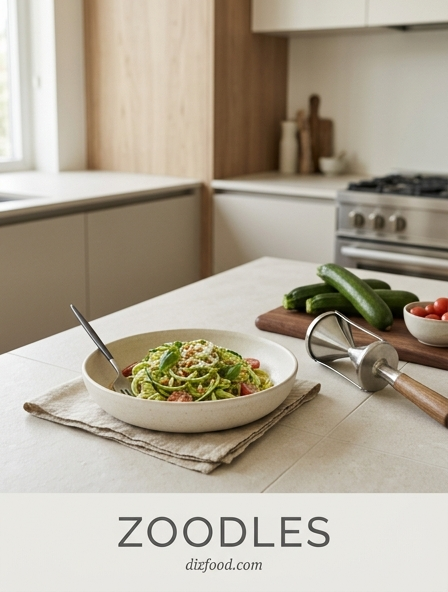
Best Zucchini Varieties for Low Carb Cooking
Selecting the right zucchini is the foundational step for creating perfect low-carb noodles. While most grocery stores stock the standard dark green variety, subtle differences in moisture content and seed density can significantly impact your final dish. For the best zoodle experience, look for medium-sized zucchini, approximately six to eight inches in length. Larger specimens tend to be more watery and have larger seeds, which can cause the noodles to break or become mushy during the cooking process.
- Black Beauty: The most common variety, known for its firm flesh and dark green skin that holds up well under heat.
- Dunja: An organic favorite that produces straight, uniform fruits, making it exceptionally easy to feed through a spiralizer.
- Romanesco: Recognizable by its ribbed texture and lighter green hue, this Italian heirloom offers a slightly nutty flavor and a crunchier bite.
- Yellow Squash: While technically a summer squash, it can be used alongside zucchini to add vibrant color and a milder, sweeter profile to your plate.
Regardless of the variety chosen, always ensure the skin is glossy and free of soft spots. The skin provides essential structural integrity to the noodle, so avoid peeling your zucchini before spiralizing.
Must Have Tools for Effortless Zoodle Preparation
Transforming a solid vegetable into delicate, pasta-like strands requires the right equipment. Depending on your kitchen space and how often you plan to serve zoodles, different tools offer varying levels of efficiency and noodle shapes. A high-quality tool not only saves time but also ensures a consistent texture that mimics traditional wheat pasta.
| Tool Type | Best For | Key Advantage |
|---|---|---|
| Countertop Spiralizer | Large batches | Multiple blade shapes and stability. |
| Handheld Spiralizer | Single servings | Compact and easy to store in drawers. |
| Julienne Peeler | Beginners | Very affordable and requires no setup. |
| Electric Spiralizer | Speed | Minimal physical effort required for prep. |
For those who are just starting their low-carb journey, a julienne peeler is a fantastic entry-point. However, if zoodles become a weekly staple, investing in a crank-style countertop model will provide the most versatility, allowing you to create everything from thin angel hair strands to wide, flat ribbons for vegetable lasagna.
Step by Step Guide to Spiralizing Fresh Zucchini
Preparing zucchini noodles is a straightforward process, but following a specific sequence ensures safety and minimizes waste. Beginners often struggle with "half-moon" shapes or broken strands, but these issues are easily corrected with proper technique and alignment. Follow these steps for long, continuous noodles every time:
- Wash and Dry: Thoroughly clean the zucchini under cold water and pat it completely dry. Any surface moisture can make the vegetable slippery and difficult to handle.
- Trim the Ends: Slice off both the stem and the blossom end to create flat, perpendicular surfaces. This allows the vegetable to sit flush against the blade and the gripping handle.
- Center the Vegetable: Align the center of the zucchini with the small circular blade on the spiralizer. This ensures the "core" is separated correctly from the strands.
- Apply Steady Pressure: Using a consistent, moderate force, turn the handle or push the vegetable through the blades. Too much pressure can cause thick, uneven cuts.
- Trim the Length: Once you have a long pile of noodles, use kitchen shears to cut them into manageable 10-inch lengths so they are easier to eat.
Professional Secrets for Non Soggy Zucchini Noodles
The most common complaint regarding zucchini noodles is their tendency to release water, turning a beautiful sauce into a watery soup. Because zucchini is approximately 95% water, managing moisture is the secret to a professional-grade dish. To achieve a "dente" texture that stands up to heavy sauces, you must proactively treat the noodles before they ever touch a hot pan.
- The Salt and Drain Method: Place your raw zoodles in a colander and sprinkle them generously with salt. Let them sit for 20 minutes to draw out excess moisture, then rinse and pat dry.
- The Paper Towel Roll: After spiralizing, wrap the noodles in several layers of paper towels and squeeze gently. You will be surprised by how much liquid is absorbed.
- Skip the Lid: Never cover your pan while cooking. Trapping steam will quickly turn your noodles into a soft, mushy mess.
- Under-cooking: If you are serving with a hot sauce, consider not cooking the zoodles at all. Simply pour the hot sauce over the raw strands; the residual heat will soften them perfectly without over-hydrating the dish.
Nutritious Zoodle Snack Recipes for Busy Afternoons
While often served as a main course, zucchini noodles make an excellent base for light, refreshing snacks that provide a mid-day energy boost without the carb crash. Because they are naturally low in calories, you can afford to be creative with healthy fats and proteins. These snack ideas are perfect for those who want something crunchy and satisfying between lunch and dinner.
- Zoodle Salad Jars: Layer Greek dressing, cherry tomatoes, cucumbers, and zoodles in a mason jar. Shake it up when you are ready for a hydrating, fiber-rich snack.
- Cold Peanut Zoodles: Toss raw strands with a teaspoon of peanut butter, lime juice, and a dash of sriracha. The healthy fats from the peanuts keep you full longer.
- Zucchini Fritter Bites: Mix finely chopped zoodles with one egg and a tablespoon of almond flour. Pan-fry small dollops until golden for a warm, savory treat.
- Pesto Zoodle Twirls: Keep a container of pre-spiralized noodles and a jar of walnut pesto. A quick toss provides an antioxidant-rich snack in under two minutes.
These snacks are particularly effective for weight management because they provide high volume with very low caloric density, allowing you to satisfy the urge to graze while staying on track with your goals.
Sauteing versus Blanching Best Methods for Texture
The method you choose to heat your zucchini noodles will drastically alter the final mouthfeel of your meal. Most home cooks default to boiling, as they would with traditional pasta, but this is often the least effective way to handle delicate summer squash. Understanding the pros and cons of different thermal applications is key to mastering the art of the zoodle.
| Method | Cooking Time | Resulting Texture |
|---|---|---|
| Sauteing | 2-3 Minutes | Crispy, slightly caramelized, and dry. |
| Blanching | 1 Minute | Soft, flexible, and similar to rice noodles. |
| Microwaving | 1 Minute | Convenient but often leads to uneven softening. |
| Raw | 0 Minutes | Crunchy and very firm; best for cold salads. |
For most hot dishes, sauteing in a wide skillet with a touch of olive oil over high heat is the gold standard. High heat evaporates surface moisture quickly, preventing the noodles from stewing in their own juices. Blanching should be reserved for those who prefer a very soft noodle, but it requires immediate shocking in ice water to stop the cooking process.
Flavorful Herb and Spice Pairings for Zoodles
Because zucchini has a very neutral, slightly sweet flavor profile, it acts as a blank canvas for various culinary traditions. Enhancing your zoodles with the right combination of herbs and spices can transform a simple vegetable dish into a gourmet experience. To prevent the spices from clumping, it is often best to infuse them into your cooking oil before adding the noodles to the pan.
- The Classic Italian: Combine fresh basil, minced garlic, and oregano with a sprinkle of red pepper flakes for a traditional heat.
- Zesty Mediterranean: Use dried dill, lemon zest, and a pinch of sumac to highlight the zucchini's natural brightness.
- Warm Umami: A dash of toasted sesame oil, ginger powder, and garlic salt creates a base that mimics Asian stir-fry noodles.
- Smoky Garden: Smoked paprika and cumin provide a deep, earthy flavor that pairs excellently with grilled proteins.
Always finish your dish with a garnish of fresh herbs rather than just dried ones. Fresh parsley or chives added right before serving provide a burst of color and a fresh aroma that elevates the entire dining experience.
Health Benefits of Swapping Pasta for Zucchini
Making the switch from grain-based pasta to zucchini noodles is one of the most effective dietary changes for improving overall wellness. This simple substitution drastically reduces caloric intake while simultaneously increasing the density of essential micronutrients in your diet. For those managing blood sugar levels or following a ketogenic lifestyle, zoodles are an indispensable tool.
- Caloric Deficit: One cup of traditional pasta contains roughly 200 calories, while one cup of zoodles contains only about 20 calories.
- Glycemic Control: Zucchini has a very low glycemic index, preventing the insulin spikes associated with refined wheat flour.
- Digestive Health: The high fiber and water content in zucchini promotes healthy digestion and regular bowel movements.
- Vitamin Powerhouse: Zucchini is rich in Vitamin A, which supports vision and the immune system, and Vitamin C, a potent antioxidant.
Beyond the nutritional data, zoodles allow for larger portion sizes, which can help with psychological satiety. You can eat a massive bowl of zucchini noodles for a fraction of the caloric cost of a small plate of spaghetti, making it easier to stick to a healthy eating plan without feeling deprived.
Make Ahead Tips for Storing Zoodles Safely
Meal prepping zucchini noodles can save significant time during busy weeknights, but it requires a specific storage strategy to prevent the noodles from becoming a soggy mess in the refrigerator. Unlike traditional pasta, which can be stored in sauce, zoodles must be kept as dry as possible until the moment they are served. If stored correctly, pre-spiralized zoodles can stay fresh for up to four or five days.
- Use Paper Towels: Line your airtight storage container with a dry paper towel. This will catch any moisture that the zucchini naturally releases while sitting.
- Don't Wash Until Later: If you are spiralizing in advance, do not wash the zucchini until just before you process it, as residual water accelerates spoilage.
- Avoid Freezing: Zucchini noodles do not freeze well. The freezing process breaks down the cell walls, resulting in a mushy, unappealing texture once thawed.
- Glass Over Plastic: Glass containers tend to keep zoodles crisper for longer periods compared to plastic bags or bins.
By spending twenty minutes on Sunday spiralizing a few pounds of zucchini, you can have a base for quick lunches and dinners ready to go throughout the week.
Creative Low Carb Sauce Ideas for Healthy Meals
A great sauce is what truly defines a zoodle dish. Since zucchini noodles release more moisture than wheat pasta, your sauces should generally be thicker and more concentrated to account for slight dilution. Moving beyond standard marinara can open up a world of flavorful possibilities that remain strictly low-carb and nutrient-dense.
- Creamy Avocado Pesto: Blend ripe avocados with basil, pine nuts, and lemon juice. The healthy fats provide a rich, velvety coating that clings perfectly to the strands.
- Roasted Red Pepper Coulis: Puree roasted peppers with garlic and a touch of heavy cream or coconut milk for a vibrant, smoky sauce.
- Spicy Cashew Butter Sauce: Mix creamy cashew butter with soy sauce (or aminos), lime, and chili paste for a Thai-inspired noodle bowl.
- Brown Butter and Sage: Melt butter until it browns and smells nutty, then toss in fresh sage leaves. It is a simple, elegant way to dress zoodles without adding heavy liquids.
When applying these sauces, always wait until the very last second. Tossing the noodles in sauce over heat for too long will draw out water and thin your sauce, so aim for a quick toss just before the plate reaches the table.

Comments