
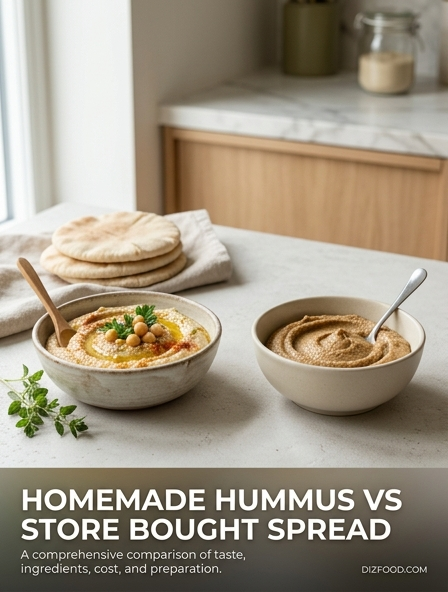
When it comes to the ultimate Mediterranean dip, the debate between whipping up a batch of homemade hummus versus grabbing a convenient tub from the grocery aisle is about more than just prep time-it's about the soul of your snack. Store-bought options certainly lead in convenience, offering a reliable, silky texture and a variety of pre-mixed flavors, yet they often rely on preservatives and cheaper seed oils to maintain shelf stability. In contrast, crafting your own hummus allows you to prioritize premium ingredients like cold-pressed extra virgin olive oil and fresh-squeezed lemon, resulting in a vibrant, additive-free flavor profile that retail brands rarely match. Whether you are looking for a quick lunchbox addition or a gourmet centerpiece for your next mezze platter, understanding the trade-offs in ingredient quality and customization will help you choose the best spread for your palate.
| Feature | Homemade Hummus | Store-Bought Spread |
|---|---|---|
| Flavor & Freshness | Vibrant; customizable garlic and zest levels. | Consistent; often muted by pasteurization. |
| Oil Quality | Pure Extra Virgin Olive Oil (EVOO). | Often Canola, Sunflower, or Vegetable oils. |
| Additives | 100% natural; zero preservatives. | Potassium sorbate or excess citric acid. |
| Texture | Range from rustic-chunky to whipped. | Uniformly smooth and emulsified. |
| Shelf Life | 3-5 days (refrigerated). | 2-4 weeks (sealed). |
| Average Cost | Low (~$1.50 per 16oz batch). | Moderate ($4.00-$6.00 per 10oz tub). |
Fresh Ingredients vs Industrial Preservatives
When crafting hummus at home, the primary advantage lies in the quality and freshness of the raw materials. A homemade recipe typically relies on four to five core ingredients: dried or canned chickpeas, tahini, fresh lemon juice, garlic, and sea salt. Each of these components contributes a distinct, vibrant profile that hasn't been muted by long-term storage. For instance, the use of freshly squeezed lemon juice provides a bright acidity and vitamin C boost that a bottled concentrate or a chemical acidifier simply cannot replicate. Fresh garlic, when crushed, releases allicin, offering pungent flavor and medicinal properties that dissipate shortly after processing.
In contrast, store-bought varieties are designed for a long journey from the factory to the supermarket shelf. To maintain a consistent look and prevent spoilage, manufacturers often turn to industrial preservatives. While these additives are deemed safe for consumption, they fundamentally change the nature of the food. Industrial hummus lacks the "live" taste of a kitchen-made batch because it has been stabilized to withstand temperature fluctuations and extended durations in a refrigerated aisle. The difference in ingredient quality is often visible; homemade hummus has a natural, earthy hue, whereas commercial brands may use color stabilizers to maintain a uniform, pale appearance.
- Fresh Garlic: Contains active allicin and sharp flavor.
- Organic Tahini: Provides rich, toasted sesame fats without fillers.
- Real Lemons: Offers natural enzymes and bright citrus notes.
- Dried Chickpeas: Allows for better texture control and nutrient retention.
Cost Comparison of DIY Hummus
Analyzing the financial aspect of the kitchen reveals a significant disparity between the price of convenience and the economy of DIY preparation. When you purchase a prepackaged tub of hummus, a large portion of the price tag covers the branding, plastic packaging, transportation, and retail markup. For many households, these small 8-ounce containers disappear in a single sitting, making them a relatively expensive snack option. By purchasing ingredients in bulk, the cost per serving drops dramatically, often by more than 70% compared to premium store brands.
The most cost-effective method involves starting with dried chickpeas. A single bag of dried beans can produce several liters of hummus for the price of one small commercial tub. Even when using high-quality extra virgin olive oil and premium tahini, the cumulative cost remains lower because these staples are used in small increments over many batches. The following table illustrates a rough cost breakdown based on average grocery prices, highlighting the long-term savings of moving production into your own kitchen.
| Component | Store-Bought (8oz) | Homemade (8oz Equivalent) |
|---|---|---|
| Base Chickpeas | $1.50 | $0.25 |
| Flavorings/Oil | $1.00 | $0.40 |
| Packaging/Labor | $2.00 | $0.00 |
| Total Cost | $4.50 | $0.65 |
Hidden Additives in Prepackaged Brands
While the front label of a commercial hummus tub might boast "All Natural," the fine print on the back often tells a more complex story. Industrial food production requires stabilizers to keep the oil from separating and the texture from becoming grainy over weeks of storage. Common additives include potassium sorbate, which acts as a preservative to inhibit mold and yeast growth, and sodium benzoate. While these chemicals extend shelf life, they are absent from the traditional Mediterranean diet and the home kitchen environment.
Furthermore, many brands utilize thickeners like guar gum or xanthan gum to achieve a creamy consistency without using expensive tahini or olive oil. These gums can sometimes cause digestive sensitivity in certain individuals. "Natural flavors" is another catch-all term frequently found in store-bought spreads, which can mask the lack of fresh herbs and spices. By making hummus yourself, you eliminate these "hidden" elements, ensuring that every spoonful is composed only of whole foods. The absence of these chemicals not only makes the product cleaner but also allows the true flavor of the sesame and chickpeas to shine through without a chemical aftertaste.
- Potassium Sorbate: Used to prevent spoilage but can alter flavor.
- Guar Gum: A thickening agent that replaces natural emulsification.
- Citric Acid: Often used as a cheap substitute for fresh lemon juice.
- Canola Oil: Frequently substituted for more expensive olive oil.
Authentic Taste and Flavor Differences
The flavor profile of homemade hummus is arguably its most compelling feature. When you blend your own dip, the intensity of the garlic, the nuttiness of the tahini, and the zing of the lemon are all adjustable to your personal preference. Commercial brands tend to aim for a "middle-of-the-road" flavor profile to appeal to the widest possible audience. This often results in a bland, overly acidic, or excessively salty product that lacks the nuance of a traditional recipe. The freshness of the ingredients in a DIY batch creates a multi-dimensional taste: the sweetness of the chickpeas balances the bitterness of the tahini, while the garlic provides a lingering warmth.
Temperature also plays a role in flavor perception. Store-bought hummus is almost always consumed cold, straight from the refrigerator, which can dull the flavors. Homemade hummus can be served slightly warm, which is the traditional way to enjoy it in many Middle Eastern cultures. Serving it warm allows the fats in the tahini to emulsify more effectively, resulting in a more luxurious mouthfeel. Additionally, you can incorporate fresh garnishes like sumac, parsley, or pine nuts right before serving, adding layers of texture and aromatics that are lost in a vacuum-sealed plastic container.
Nutritional Value of Fresh Chickpeas
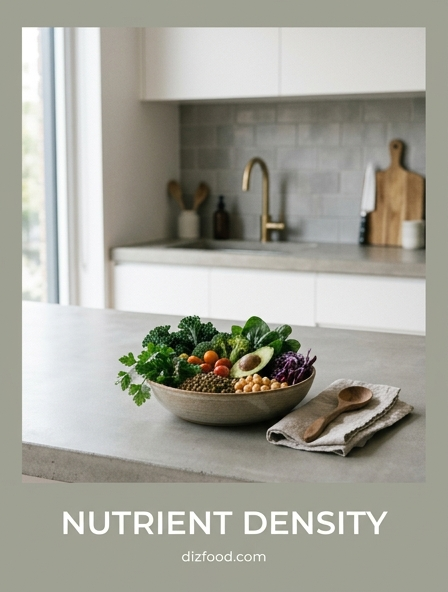
Nutritionally, chickpeas are a powerhouse of plant-based protein, dietary fiber, and essential minerals like iron and folate. However, the nutritional integrity of these legumes can vary based on processing methods. Homemade hummus allows for the use of dried chickpeas that are soaked and boiled at home. This process helps to reduce antinutrients like phytic acid, which can interfere with mineral absorption. When you control the cooking process, you can ensure the beans are cooked to a point where they are easily digestible while retaining their dense nutritional profile.
In the commercial sector, chickpeas are often processed at extremely high temperatures to ensure sterility, which can degrade some heat-sensitive vitamins. Furthermore, the ratio of ingredients in store-bought brands is often skewed toward cheaper fillers. To lower costs, many brands reduce the amount of tahini-a source of healthy calcium and healthy fats-and replace it with water and processed vegetable oils. By making it yourself, you can use a high-ratio of tahini to chickpeas, significantly increasing the healthy fat content and the overall protein density of the snack. This makes the homemade version a more satiating and nutrient-dense option for those looking to improve their diet.
Preparation Time vs Grab and Go
The primary argument in favor of store-bought hummus is convenience. In a fast-paced world, the ability to grab a pre-made container during a grocery run is undeniably attractive. For many, the idea of soaking beans overnight and cleaning a food processor seems like an unnecessary chore when a decent alternative is readily available. This convenience factor is the main reason why the commercial hummus market has exploded in recent years. If you are in the middle of a busy work week, the ten seconds it takes to peel back a plastic lid wins over the thirty minutes of kitchen labor.
However, the "time" argument is often exaggerated. Using a can of high-quality organic chickpeas, a food processor can whip up a fresh batch of hummus in less than five minutes. When you consider the time spent driving to the store, navigating the aisles, and standing in the checkout line, the time difference becomes negligible. Furthermore, a large homemade batch can be portioned out for the entire week, providing the same "grab and go" convenience for weekday lunches without the nutritional compromises. The choice between DIY and store-bought often boils down to a trade-off between a few minutes of active kitchen work and the desire for instant gratification.
- Step 1: Rinse canned chickpeas or drain boiled beans.
- Step 2: Combine tahini and lemon juice in the processor first to aerate.
- Step 3: Add chickpeas, garlic, and salt; blend until smooth.
- Step 4: Drizzle in olive oil or ice water for texture.
Managing Sodium and Oil Levels
Control is the ultimate luxury in the kitchen, especially regarding heart health and caloric intake. Commercial hummus is notoriously high in sodium, used both as a flavor enhancer and a preservative. A single serving of store-bought dip can contain a significant percentage of the daily recommended salt intake, which is a concern for individuals managing hypertension. By making hummus at home, you have total authority over the salt shaker. You can use high-quality sea salt or even salt substitutes to achieve a flavor that is savory without being dehydrating.
Oil quality is another critical factor. Many industrial brands use "vegetable oil blends," which often consist of highly processed soybean or canola oils. These oils are high in omega-6 fatty acids, which can be pro-inflammatory when consumed in excess. In your own kitchen, you can choose to use premium Extra Virgin Olive Oil, which is rich in monounsaturated fats and antioxidants. Alternatively, for those looking to reduce calories, you can make oil-free hummus by substituting the oil with aquafaba (the liquid from the chickpea can) or a bit of extra tahini. This level of customization is impossible with a standardized retail product.
Customizing Texture for Perfect Consistency
The texture of hummus is a deeply personal preference. Some people enjoy a rustic, chunky mash that feels artisanal and hearty, while others prefer a silky, whipped consistency that rivals professional Mediterranean restaurants. Achieving that perfect "restaurant-style" smoothness is a technique that can be mastered at home but is rarely found in a plastic tub. Commercial hummus often has a slightly "pasty" or overly dense texture because it is pumped through industrial machinery and then refrigerated, which causes the starches to firm up.
In the kitchen, you can manipulate texture using various professional tricks. For example, blending the tahini and lemon juice together first creates a light, aerated foam that acts as a base for a fluffier dip. Adding a few ice cubes or a splash of ice-cold water during the final blending stage helps to whiten the hummus and creates a light, creamy mouthfeel that is impossible to maintain in a shelf-stable product. You can also choose to peel the skins off the chickpeas for an ultra-smooth finish, a labor-intensive step that no commercial manufacturer would ever undertake. This level of craft allows you to create a culinary experience tailored exactly to your palate.
Shelf Life and Preservative Facts
The trade-off for a clean, preservative-free product is a shorter shelf life. Store-bought hummus is designed to last anywhere from 30 to 60 days in a sealed container, and usually about 7 to 10 days once opened. This longevity is achieved through a combination of pasteurization, acidic pH levels, and chemical preservatives. While this is convenient for stocking up, it raises questions about the "freshness" of a product that can sit in a warehouse for a month without spoiling. The microbes that naturally break down food are kept at bay by substances that don't necessarily contribute to our own biological well-being.
Homemade hummus, being a "live" food, typically lasts about 3 to 5 days in the refrigerator. Because it lacks stabilizers, you may notice some natural oil separation or a slight deepening of color after a few days, which is perfectly normal. This shorter window encourages smaller, fresher batches and ensures that you are consuming the food when its nutrient density is at its peak. If you find you cannot finish a batch in time, homemade hummus actually freezes surprisingly well, allowing you to preserve it without the need for chemical additives. Understanding these facts helps set realistic expectations for the DIY cook.
Ultimate Verdict on Health and Value
When weighing homemade hummus against store-bought spreads, the homemade version emerges as the clear winner in terms of health, flavor, and financial value. While the convenience of a prepackaged tub is a powerful draw for busy individuals, it comes at the cost of ingredient transparency, nutritional density, and superior taste. The ability to avoid industrial gums, excessive sodium, and low-quality oils makes the DIY approach a cornerstone of a health-conscious kitchen. Furthermore, the significant cost savings over time make it a smart economic choice for families who consume hummus as a dietary staple.
Ultimately, the kitchen is a place of choice. For those rare occasions when time is of the absolute essence, a carefully selected, high-end store brand can suffice. However, for daily consumption, the five to ten minutes spent at the food processor yields a product that is vastly superior in every measurable category. By choosing to make your own, you are not just making a dip; you are taking control of your nutrition, exploring authentic culinary techniques, and enjoying a fresher, more vibrant version of a classic dish. The transition from store-bought to homemade is a small change that offers substantial long-term rewards for both the body and the wallet.

Comments