
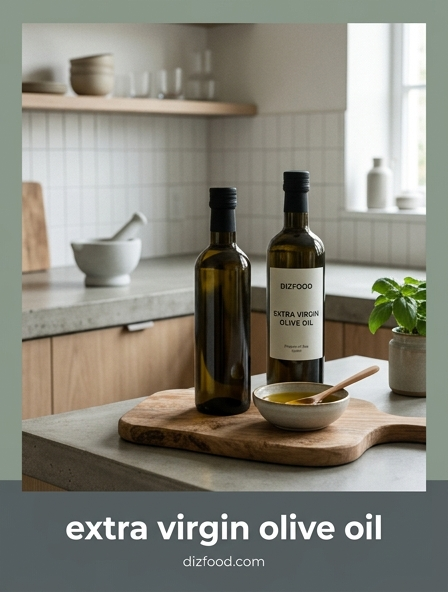
The Foundation of Mediterranean Flavor
Extra virgin olive oil serves as the cornerstone of Mediterranean culinary traditions, acting as more than just a cooking medium. It is a fundamental ingredient that defines the region's gastronomic identity, providing a bridge between various agricultural products. From the rocky coasts of Greece to the rolling hills of Tuscany, this "liquid gold" is praised for its ability to harmonize diverse ingredients like garlic, tomatoes, and wild herbs. Its complex profile-ranging from buttery and mild to robust and herbaceous-allows it to anchor heavy stews or brighten delicate seafood dishes.
- Enhances the bioavailability of fat-soluble vitamins in vegetables.
- Provides a stable base for long-simmered sauces and marinades.
- Acts as a natural preservative for jarred antipasti and cheeses.
- Contributes a distinctive terroir that reflects the specific soil and climate.
When used as a foundation, the oil does not simply disappear into the background. Instead, it creates a luxurious mouthfeel and a depth of flavor that cannot be replicated by refined oils or animal fats. By selecting a high-quality extra virgin variety, cooks ensure that every layer of their dish is infused with the authentic spirit of the Mediterranean diet.
Elevating Texture in Traditional Hummus
In the realm of Middle Eastern dips, the difference between a standard hummus and a truly exceptional one often lies in the quality and application of extra virgin olive oil. While chickpeas provide the body and tahini offers a nutty depth, olive oil is the secret to achieving that coveted, velvety texture. When integrated during the blending process, the oil creates a stable emulsion that transforms fibrous legumes into a silk-like spread. This mechanical interaction prevents the hummus from feeling grainy on the palate, ensuring each bite is consistently smooth and rich.
Beyond the initial blend, a generous well of oil on the surface serves a functional purpose. It protects the hummus from oxidation and drying out when exposed to air, maintaining its vibrant appearance during service. The fat also carries the flavors of lemon juice and garlic more effectively across the tongue, allowing the bright acidity to linger without being overpowering. For the best results, one should look for a medium-bodied oil that complements the earthiness of the chickpeas without masking their natural sweetness, resulting in a balanced and sophisticated appetizer.
Antioxidants and Heart Healthy Snacking
Integrating extra virgin olive oil into daily snacking routines is a strategic way to boost nutritional intake while enjoying gourmet flavors. Unlike highly processed snack foods, snacks prepared with premium oil are rich in monounsaturated fats and vital antioxidants. These compounds, particularly Vitamin E and various phenolic substances, play a significant role in reducing oxidative stress within the body. Choosing the right fats for snacks can help maintain healthy cholesterol levels and support overall cardiovascular function, making the kitchen a hub for preventative wellness.
| Nutrient Component | Primary Health Benefit |
|---|---|
| Oleic Acid | Supports heart health and reduces inflammation. |
| Vitamin E | Protects cells from oxidative damage. |
| Polyphenols | Improves blood vessel function and longevity. |
| Phytosterols | Helps manage and lower LDL cholesterol levels. |
Whether drizzled over air-popped popcorn or used as a dip for raw crudité, the presence of these nutrients ensures that even a quick bite contributes to a heart-healthy lifestyle. The density of these beneficial compounds is highest in extra virgin grades, making it the superior choice for those mindful of their long-term dietary goals.
The Peppery Finish of Premium Oil
A hallmark of high-quality extra virgin olive oil is the distinctive peppery sensation felt at the back of the throat upon tasting. This "kick" or pungency is not a sign of acidity or spoilage, but rather an indicator of freshness and a high concentration of oleocanthal. Oleocanthal is a natural phenolic compound known for its anti-inflammatory properties, and its presence is most notable in oils pressed from early-harvest olives. This peppery finish adds a dynamic dimension to dishes, providing a natural spice that cuts through rich ingredients like red meat or aged cheeses.
In the kitchen, this finish can be used strategically to balance flavor profiles. For instance, a robust, peppery oil can brighten a thick lentil soup or add complexity to a simple bowl of pasta aglio e olio. It acts as a finishing touch that wakes up the taste buds, much like a sprinkle of fresh black pepper but with a more nuanced, vegetal undertone. Understanding the intensity of an oil's finish allows a cook to pair it effectively with ingredients, ensuring the oil acts as a seasoning rather than just a lubricant.
Achieving the Perfect Dip Consistency
Creating the ideal consistency for bread dips and vegetable spreads requires a nuanced understanding of how extra virgin olive oil interacts with other liquids and solids. The goal is to achieve a mixture that is thick enough to cling to a piece of crusty bread but fluid enough to flow smoothly. This balance is often dictated by the temperature of the ingredients and the speed of incorporation. When making a classic herb dip, the oil acts as a carrier, suspending spices and vinegar in a semi-stable state that provides a multi-sensory experience.
- Start with room temperature oil to ensure maximum fluidity and flavor release.
- Whisk in acidic components like balsamic vinegar slowly to create a temporary emulsion.
- Incorporate finely minced herbs or citrus zest to provide structural points for the oil to cling to.
- Allow the dip to sit for ten minutes, allowing the oil to absorb the fat-soluble aromatics.
By following these steps, the dip maintains a luxurious viscosity that feels substantial. The oil prevents the ingredients from separating immediately, ensuring that every dip yields a perfect ratio of fat, acid, and seasoning. This attention to consistency elevates a simple appetizer into a professional-grade culinary offering.
The Role of Polyphenols in Flavor Profiles
Polyphenols are the organic compounds responsible for the intricate flavor characteristics and health-promoting properties of extra virgin olive oil. These micronutrients contribute to the bitterness, fruitiness, and pungency that connoisseurs look for during a tasting. From a culinary perspective, polyphenols act as a natural defense system for the oil, protecting it from heat and light degradation. An oil high in polyphenols typically has a longer shelf life and a more robust flavor profile, making it ideal for dishes that require a bold, assertive presence.
The concentration of these compounds depends heavily on the olive variety, the ripeness at the time of harvest, and the meticulousness of the milling process. In the kitchen, high-polyphenol oils are best used as finishing agents where their complex notes can shine. They can transform a simple salad of bitter greens or a piece of grilled sourdough into a gourmet experience by introducing layers of green apple, tomato leaf, or artichoke. By selecting oils based on their polyphenol content, chefs can fine-tune the bitterness of a dish, using it to contrast sweet or salty elements for a perfectly balanced palate.
Enhancing Aroma for Better Appetizers
The olfactory experience of a dish is just as important as its taste, and extra virgin olive oil is a powerful tool for enhancing the aroma of appetizers. High-quality oils contain volatile compounds that are released when the oil is slightly warmed or spread across a surface. These aromas can range from freshly cut grass and herbs to floral or nutty notes, providing an immediate sensory cue that a meal is of high quality. When a guest smells the bright, clean scent of premium oil, it primes their digestive system and heightens their anticipation for the flavors to follow.
- Drizzle over warm bruschetta to release herbaceous vapors.
- Use as a base for carpaccio to heighten the scent of fresh beef or fish.
- Finish roasted nuts with a light coat of oil to amplify their toasted aroma.
- Swirl into warm soups just before serving to create an aromatic steam.
By focusing on the aromatic potential of extra virgin olive oil, a cook can create a more immersive dining experience. The oil acts as a scent carrier, lifting the subtle smells of citrus, garlic, and fresh herbs, ensuring that the appetizer appeals to the nose as much as it does to the tongue.
Why Cold Pressed Quality Matters
The term "cold pressed" is a crucial indicator of quality that directly impacts the flavor and nutritional value of extra virgin olive oil. This traditional method involves extracting the oil from the olives through mechanical means without the use of heat or chemical solvents. By maintaining a temperature below 27 degrees Celsius (80.6 degrees Fahrenheit) during the extraction process, the delicate chemical structure of the oil remains intact. Heat is the enemy of quality oil, as it can strip away volatile aromas, destroy antioxidants, and lead to early oxidation, resulting in a flat or even rancid product.
When you choose cold-pressed oil, you are ensuring that the essence of the fruit is preserved in its purest form. This results in a superior culinary tool that retains its full spectrum of vitamins and polyphenols. In the kitchen, the difference is evident in the clarity of flavor and the vibrancy of the oil's color. Cold-pressed oils provide a clean, crisp finish that enhances the natural flavors of ingredients rather than masking them with the heavy, greasy aftertaste often associated with lower-grade, heat-refined oils. It is the gold standard for anyone seeking authentic taste and maximum health benefits.
Liquid Gold for Authentic Baba Ganoush
Baba ganoush, the smoky and savory eggplant dip of the Levant, relies heavily on the quality of extra virgin olive oil for its authentic character. The charred, creamy flesh of the eggplant has a deep, smoky undertone that requires a rich, fruity oil to provide balance. In this preparation, the oil is not just a garnish but an integral part of the structure. As the eggplant is mashed with tahini and lemon, the oil is slowly incorporated to create a lush, airy consistency that contrasts beautifully with the rustic, smoky notes of the roasted vegetable.
Using a premium extra virgin variety ensures that the dip has a bright finish, preventing the smokiness from becoming overly heavy or acrid. The oil rounds out the sharpness of the raw garlic and the tartness of the lemon juice, bringing all the disparate elements into a singular, harmonious profile. For a truly traditional presentation, the dip is spread onto a shallow plate and finished with a generous pool of oil in the center. This allows diners to adjust the richness of each bite, ensuring the "liquid gold" is present in every mouthful, enhancing both the flavor and the cultural authenticity of the dish.
Transforming Simple Snacks into Gourmet Bites
Extra virgin olive oil has the remarkable ability to elevate everyday snacks into sophisticated gourmet treats with minimal effort. It provides a quick way to add luxury to basic pantry staples, proving that high-end flavors do not always require hours of preparation. By replacing butter or vegetable oils with a high-quality extra virgin option, you introduce a layer of complexity and a healthier fat profile to your favorite quick bites. The key is to use the oil as a finishing element, allowing its raw, vibrant characteristics to stand out.
- Drizzle oil over sea-salted popcorn for a Mediterranean twist on a classic snack.
- Brush toasted baguette slices with oil and rub with a halved garlic clove.
- Pour a small amount over a bowl of Greek yogurt topped with honey and walnuts.
- Mist over thinly sliced apples or pears for a surprising sweet and savory combination.
These simple applications demonstrate the versatility of the oil beyond traditional cooking. Whether it is adding a silky texture to fruit or a peppery bite to grain-based snacks, extra virgin olive oil acts as an instant flavor enhancer. It encourages a more mindful approach to snacking, where the quality of the ingredients takes center stage, turning a mundane moment into a culinary highlight.


Comments