
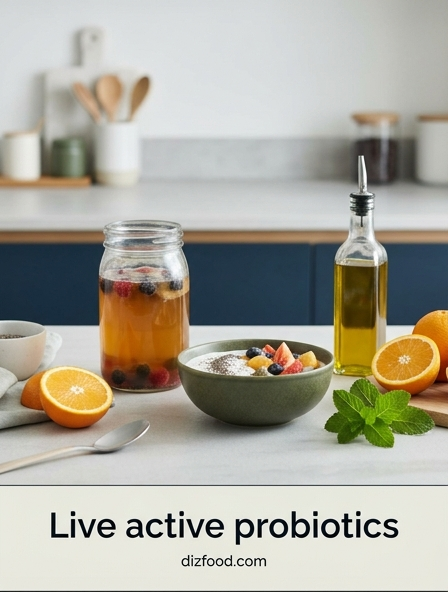
Understanding Probiotics in Snacking
Probiotics are living microorganisms, primarily bacteria and yeasts, that provide significant health benefits when consumed in adequate amounts. While traditionally associated with breakfast items like yogurt, these "friendly" bacteria are increasingly finding a place in the snacking world. Integrating live active cultures into snacks transforms a simple mid-day bite into a functional food moment that supports the body's internal ecosystem. The key to successful probiotic snacking is ensuring that the microbes remain alive until the point of consumption.
In the kitchen, this means focusing on cold or room-temperature preparations, as high heat can easily destroy delicate cultures. Snacking on probiotic-rich foods helps maintain a balanced microbiome, which is essential for overall wellness. Common probiotic snacks include:
- Cultured dairy products like kefir and specific cheeses.
- Fermented vegetables such as pickles or kimchi.
- Plant-based alternatives like cashew-based probiotic dips.
- Fermented soy products, including chilled tempeh strips or miso-based spreads.
By choosing snacks with live cultures, you are effectively introducing beneficial strains like Lactobacillus and Bifidobacterium directly into your digestive tract regularly throughout the day.
Best Live Culture Dip Bases
Selecting the right base is the most critical step in creating a probiotic-rich dip. Not all creamy bases are created equal; some undergo pasteurization after fermentation, which kills the beneficial bacteria. To ensure your kitchen creations are truly probiotic, you must select bases that explicitly state they contain "live and active cultures."
| Base Material | Probiotic Content | Flavor Profile |
|---|---|---|
| Greek Yogurt | High (Lactobacillus) | Tangy and thick |
| Kefir (Strained) | Very High (Multiple strains) | Sharp and effervescent |
| Cultured Sour Cream | Moderate | Rich and mellow |
| Probiotic Cottage Cheese | High (Bifidobacterium) | Mild and chunky |
Greek yogurt remains the most popular choice due to its high protein content and thick consistency, which holds up well when mixed with herbs and spices. For those avoiding dairy, cashew or almond milks fermented with vegan cultures offer a similar texture and probiotic payoff. Regardless of the choice, these bases provide the foundation for snacks that aid digestion while satisfying cravings for creamy textures.
Gut Health Benefits Explained
The human gut is home to trillions of microbes that influence everything from digestion to mental clarity. When we consume kitchen-prepared snacks containing live active cultures, we are replenishing these populations. Probiotics work by competing with harmful bacteria for resources, effectively "crowding out" pathogens and maintaining a healthy pH balance within the intestines. This biological competition is vital for preventing digestive discomfort and bloating.
Regular consumption of probiotic snacks offers several specific advantages for gut health:
- Enhanced Digestion: They help break down complex carbohydrates and fibers that the body cannot process alone.
- Regularity: Probiotics can improve transit time, reducing the occurrence of constipation or diarrhea.
- Integrity: They strengthen the intestinal barrier, preventing unwanted particles from entering the bloodstream.
- Enzyme Production: Certain strains produce lactase, making it easier for some individuals to digest lactose.
By making probiotic dips a staple in your kitchen, you provide a consistent influx of these workers, ensuring the gut lining remains robust and the microbiome remains diverse and resilient against environmental stressors.
Probiotic Greek Yogurt Dip Ideas
Greek yogurt is a versatile canvas for live active cultures, allowing for both savory and sweet snacking options. Because it is naturally high in protein and thick in texture, it serves as an ideal substitute for mayonnaise or heavy cream in traditional dip recipes. To maintain the integrity of the live cultures, always fold in your ingredients gently and avoid heating the yogurt during the mixing process.
- Herbed Garlic Dip: Whisk together cold Greek yogurt, minced fresh garlic, dried dill, and a squeeze of lemon juice.
- Spicy Sriracha Yogurt: Combine yogurt with a dash of hot sauce and lime zest for a probiotic kick that pairs perfectly with cooling cucumber slices.
- Cucumber Tzatziki: Grate cucumber and squeeze out the excess water before folding it into yogurt with olive oil and fresh mint.
- Everything Bagel Dip: Mix "everything" seasoning into yogurt for a high-protein snack that tastes like a deli classic.
These preparations are not only delicious but ensure that every bite delivers millions of beneficial microbes to your system. They are best served immediately or kept chilled until the moment of consumption.
Fermented Hummus for Better Digestion
Traditional hummus is a staple kitchen snack, but it can sometimes be difficult for certain people to digest due to the complex sugars in chickpeas. By incorporating live active cultures into your hummus, you can improve its digestibility and increase its nutritional profile. This is achieved by either using fermented chickpeas or adding a probiotic-rich agent during the blending process. The fermentation process pre-digests some of the starches, reducing gas and bloating.
To create a fermented hummus, consider the following additions:
- Miso Paste: Adding a tablespoon of unpasteurized miso provides a savory depth and a dose of live bacteria.
- Sauerkraut Brine: Use the liquid from a jar of live sauerkraut instead of plain water to thin your hummus.
- Probiotic Starter: Mix in a small amount of liquid kefir or yogurt for a creamier, tangier texture.
- Fermented Garlic: Use cloves that have been preserved in brine for an extra probiotic punch.
These modifications transform a standard fiber-rich snack into a synbiotic powerhouse, combining the prebiotic fibers of the chickpeas with the live cultures of the fermented additions.
Pairing Prebiotic Veggies with Probiotic Dips
To maximize the effectiveness of live active cultures, they should be paired with prebiotics. Prebiotics are non-digestible fibers that act as "fuel" for the probiotics. When you consume them together, the combination is known as a synbiotic. In the kitchen, this is easily achieved by using specific raw vegetables as dippers for your probiotic-rich spreads. This ensures that the beneficial bacteria have the energy they need to thrive once they reach your gut.
| Prebiotic Vegetable | Key Fiber Type | Best Probiotic Pairing |
|---|---|---|
| Raw Garlic | Inulin | Greek Yogurt Dip |
| Asparagus Spears | Inulin | Fermented Hummus |
| Jicama Sticks | Oligofructose | Spicy Kefir Dip |
| Carrot Sticks | Pectin/Cellulose | Cultured Sour Cream |
Vegetables like chicory root, Jerusalem artichokes, and even slightly under-ripe bananas also serve as excellent prebiotic sources. By intentionally selecting these vegetables for your snack platter, you are creating a functional meal that supports the long-term colonization of beneficial bacteria in your digestive system.
Keeping Live Cultures Active in the Kitchen
Probiotics are living organisms, which makes them extremely sensitive to their environment. To reap the benefits of live active cultures in your snacks, you must follow specific handling rules in the kitchen. The primary enemy of probiotics is heat. Most beneficial bacteria begin to die off at temperatures above 115°F (46°C). Therefore, you should never boil or microwave dips that contain live cultures if your goal is gut health.
Follow these steps to maintain culture viability:
- Store at Proper Temperatures: Keep all cultured products in the back of the refrigerator where the temperature is most consistent.
- Avoid Metal Contamination: Some suggest that prolonged contact with reactive metals can affect certain strains; use glass or wood when possible.
- Watch the Expiration: Probiotic counts naturally decline over time, so consume cultured snacks well before their "best by" date.
- Minimize Light Exposure: Many fermented products are sensitive to UV light, which can degrade the quality of the bacteria.
By respecting these biological limits, you ensure that the "live" claim on your food labels remains true by the time the food reaches your plate.
Enhancing Immunity with Fermented Snacks
A significant portion of the human immune system-approximately 70% to 80%-is located in the gut. This makes the consumption of live active cultures a direct way to support your body's natural defenses. Probiotics interact with immune cells in the intestinal lining, training them to distinguish between friendly microbes and dangerous pathogens. This constant "education" of the immune system can lead to a more balanced inflammatory response and improved resistance to common infections.
Fermented snacks contribute to immunity through several mechanisms:
- Cytokine Production: Certain strains stimulate the production of these signaling proteins that regulate immunity.
- Antibody Enhancement: Probiotics can increase the production of natural antibodies like IgG and IgA.
- Pathogen Exclusion: By taking up space on the intestinal wall, they prevent viruses and bad bacteria from taking hold.
Regularly eating snacks like kimchi, probiotic yogurt, and fermented pickles provides a steady stream of these immune-modulating compounds. In a busy kitchen, having these items ready for quick consumption is an easy way to prioritize long-term health during cold and flu seasons.
Reading Labels for Live Active Cultures
Not every jar of pickles or tub of yogurt in the grocery store contains probiotics. Many commercial products are heat-treated or shelf-stable, which kills the beneficial bacteria. To bring the right ingredients into your kitchen, you must become a savvy label reader. The presence of the "Live and Active Cultures" seal is a good start, but deeper investigation is often required to ensure high-quality snacks.
When reviewing packaging, look for the following indicators:
- Specific Strain Names: Look for detailed names like Lactobacillus rhamnosus rather than just "lactic acid bacteria."
- CFU Count: This stands for Colony Forming Units. A higher number (usually in the billions) indicates a more potent product.
- Refrigeration: True probiotic foods are almost always found in the refrigerated section, not on the dry shelves.
- Minimal Additives: Avoid products with excessive added sugars or thickeners, as these can sometimes counteract the benefits of the probiotics.
Understanding these label nuances ensures that the money you spend on functional foods actually results in the live microbial benefits you expect for your digestive health.
Simple Homemade Probiotic Dip Recipes
Creating your own probiotic snacks in the kitchen is often more cost-effective and healthier than buying pre-made versions. By controlling the ingredients, you can maximize the probiotic count while avoiding preservatives. The following recipes use standard kitchen staples and require no specialized equipment, making it easy to incorporate live cultures into your daily routine.
- Cultured Ranch: Mix one cup of probiotic-rich sour cream with dried chives, parsley, onion powder, and a splash of apple cider vinegar (with the "mother").
- Kefir Blue Cheese: Whisk strained kefir with crumbled blue cheese and black pepper for a pungent, culture-heavy dip.
- Miso Tahini Spread: Blend unpasteurized white miso with tahini, lemon juice, and a little water for a probiotic-rich vegan dip.
- Lacto-Fermented Salsa: Mix fresh salsa with a tablespoon of whey from a yogurt tub and let it sit at room temperature for 24 hours before refrigerating.
These recipes offer a variety of flavors and textures, ensuring that snacking never becomes boring. Because they are homemade, you can adjust the seasoning to your preference while knowing exactly how many live cultures are being served.

Comments