
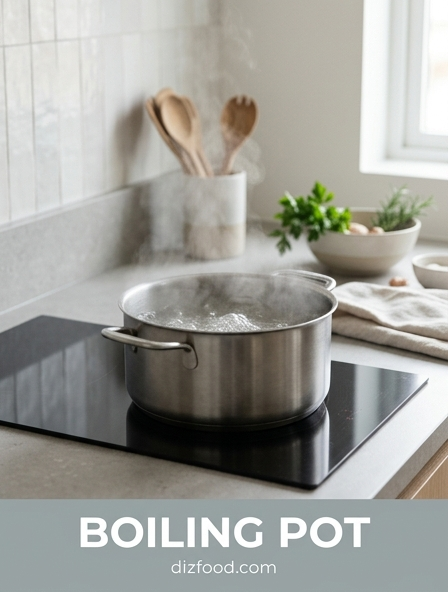
High Capacity Stock Pot Essentials
Selecting the right high-capacity stock pot is the foundation of any productive kitchen. These vessels are typically defined by their deep, narrow profile, which limits evaporation and forces liquids to bubble up through the ingredients, extracting maximum flavor. Material choice is paramount; heavy-gauge stainless steel is preferred for its non-reactive properties, ensuring that acidic ingredients like tomatoes or wine do not pick up a metallic taste. Many professional-grade pots feature a bonded aluminum or copper base to eliminate hotspots, providing a steady rise in temperature across the wide surface area of the bottom. When evaluating options, consider the following key features:
- Reinforced riveted handles for secure lifting of heavy loads.
- A tight-fitting lid to retain moisture and speed up the initial boil.
- Etched interior volume markings for precise liquid measurements.
- Compatibility with induction, gas, and electric heat sources.
The height-to-width ratio is specifically designed to keep ingredients submerged while minimizing the footprint on the stovetop. This allows for multiple large pots to be used simultaneously during intense prep sessions, making it an indispensable tool for high-volume culinary operations.
Scaling Traditional Stewing Techniques
Scaling up a stew from a domestic portion to a large-scale batch requires more than just multiplying ingredients. The physics of heat transfer changes significantly as the volume of the boiling pot increases. In a massive vessel, the thermal mass of the liquid provides a very stable environment, but it also takes much longer to adjust the internal temperature once it has been reached. Achieving the perfect "low and slow" simmer is essential for breaking down tough connective tissues in meats like chuck or brisket without drying them out. Because the weight of the ingredients can cause items at the bottom to compress and potentially scorch, frequent but gentle agitation with a long-handled paddle is necessary.
The depth of the pot also affects how aromatics behave; woody herbs like rosemary and thyme should be bundled or placed in a sachet to prevent them from becoming lost in the large volume. Furthermore, the reduction of liquids happens more slowly in a tall pot compared to a shallow braiser. To compensate, chefs often start with slightly less liquid than a direct scaling would suggest, relying on the moisture released from vegetables to maintain the desired consistency over several hours of cooking.
Efficient Bulk Pasta Boiling
Boiling pasta in bulk demands a rigorous focus on water-to-pasta ratios and recovery time. To ensure the pasta does not become gummy or stick together, a high-capacity pot must contain at least four to six quarts of water for every pound of dry product. When a large quantity of cold pasta is dropped into the water, the temperature drops instantly; a high-BTU burner and a thick-bottomed pot are necessary to bring the water back to a rolling boil as quickly as possible. This minimizes the time the starch spends in lukewarm water, which is the primary cause of poor texture. To maintain efficiency, follow this standard operational sequence:
- Fill the pot to 75% capacity to allow for displacement and foam.
- Add salt only after the water reaches a boil to prevent pitting of the steel.
- Maintain a vigorous boil to keep the pasta in constant motion.
- Use a large spider strainer for rapid removal to prevent overcooking in the residual heat.
By monitoring the starch concentration in the water, chefs can decide when to refresh the pot, ensuring every batch remains al dente and clean.
Mastering Large Batch Blanching
Blanching is a critical technique for preserving the color, texture, and nutritional value of vegetables before freezing or further cooking. In a large boiling pot, the goal is to deactivate enzymes while keeping the vegetable crisp. The process requires a massive volume of water relative to the produce to ensure the temperature does not dip below the boiling point for more than a few seconds. This rapid heat treatment sets the chlorophyll in green vegetables, resulting in a vibrant presentation. The timing is precise and varies significantly by the density of the ingredient. Refer to the table below for standard large-batch blanching times:
| Vegetable Type | Boiling Time (Mins) | Texture Goal |
|---|---|---|
| Leafy Greens | 1.0 - 1.5 | Wilted but bright |
| Green Beans | 3.0 - 4.0 | Crisp-tender |
| Carrot Slices | 2.0 - 3.0 | Slightly softened |
| Broccoli Florets | 3.0 - 5.0 | Vibrant green |
Immediately following the boil, items must be plunged into an ice-water bath of equal volume to stop the cooking process instantly, a step known as shocking.
Uniform Heat Distribution Methods
The primary challenge with large-scale boiling is ensuring that heat is distributed uniformly across the entire base of the pot. Without proper distribution, a pot may develop "hot spots" where food particles settle and burn, imparting a bitter, scorched flavor to the entire batch. Modern high-capacity pots solve this through multi-clad construction, where layers of highly conductive metals like aluminum are sandwiched between durable stainless steel. This ensures that even if the flame of a gas range is centered, the heat spreads outward to the edges of the pot. For electric or induction cooktops, the flatness of the pot bottom is crucial for maintaining contact and maximizing energy transfer.
In addition to equipment design, physical intervention is a necessary component of heat management. Using a heavy-duty whisk or a flat-edged wooden spoon to scrape the bottom corners of the pot ensures that the denser solids do not remain stationary. For very large pots, some kitchens utilize steam-jacketed kettles, which circulate steam through a double wall to provide even heat from all sides, but for standard stovetop boiling, the quality of the pot's base remains the most critical factor in achieving a consistent result.
Rapid Simmering for Snack Production
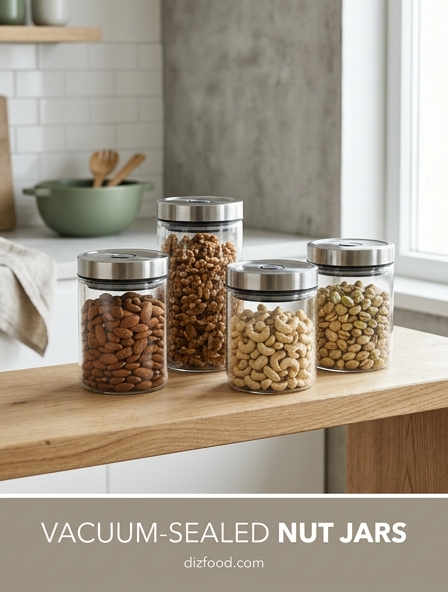
The boiling pot is an essential tool for the rapid production of high-protein snacks such as hard-boiled eggs or large quantities of legumes. When preparing snacks for bulk consumption, the focus shifts to timing and ease of peeling or processing. For instance, when boiling hundreds of eggs, starting with boiling water rather than cold water helps shock the membrane, making the shells easier to remove later. Similarly, for snacks like boiled peanuts or chickpeas, the pot must be large enough to allow for significant expansion as the legumes hydrate. Utilizing a pot with a perforated insert or a pasta basket can greatly increase efficiency. Key considerations include:
- Consistent water levels to ensure even cooking of submerged items.
- Controlled simmer to prevent delicate items from cracking.
- Accurate timing to avoid sulfurous odors in eggs.
- Rapid cooling protocols for food safety and shelf-life.
This method allows for the preparation of healthy, shelf-stable snacks in a single cycle, maximizing the utility of the kitchen's heating elements and labor hours during prep shifts.
Traditional Brining and Boiling
The boiling pot serves a dual purpose in the traditional preparation of cured meats like corned beef or pastrami. It first acts as the vessel for the cold brine, where the meat is submerged in a solution of salt, sugar, and nitrates for several days. The pot must be made of non-reactive stainless steel to prevent the salt from corroding the surface. Once the curing process is complete, the same pot-after being thoroughly cleaned-is used for the long, slow boil that renders the meat tender. This boiling phase is not just about heat; it is about osmosis. The fresh water in the pot helps to draw out excess salt from the cured meat while the meat absorbs the flavors of the aromatics in the simmering liquid.
Maintaining a gentle "lazy" bubble is vital here; a hard boil can cause the muscle fibers to toughen and seize. Because these meats are often large and buoyant, they may require a weighted plate to stay fully submerged. This traditional approach ensures that the heat penetrates to the core of the dense protein, resulting in a product that is seasoned deeply and uniform in texture from the edge to the center.
High Volume Soup Base Fundamentals
Creating a foundational soup base in a large boiling pot is an exercise in layering flavors. The process begins with the extraction of gelatin and minerals from bones or the deep caramelization of mirepoix. Because of the volume involved, the order of operations is critical to ensure that the base remains clear and not cloudy. A large-capacity pot allows for a high ratio of water to solids, which is necessary for a clean, filtered broth. To master the fundamentals of a high-volume base, follow these steps:
- Blanch bones in boiling water and discard the first liquid to remove impurities.
- Refill with cold water and aromatics to start the long extraction process.
- Bring to a simmer, never a hard boil, to prevent fats from emulsifying into the liquid.
- Regularly skim the "scum" or proteins that rise to the surface.
- Strain through a fine-mesh chinois to achieve a translucent finish.
This methodical approach produces a versatile stock that serves as the backbone for hundreds of different dishes, from light consommés to hearty chowders, ensuring consistency across a large menu.
Flexible Large Scale Sauce Prep
Large-scale sauce preparation, particularly for tomato-based or cream sauces, requires a boiling pot that can handle high viscosity. As a sauce reduces, it becomes thicker and more prone to sticking to the bottom of the pot. A tall stock pot is advantageous here because it provides a smaller surface area for evaporation compared to a wide pan, allowing the chef to control the reduction more precisely. This is especially useful for marinara or demi-glace, where a slow concentration of flavors is desired. To manage these thick liquids effectively, kitchens often rely on specific tools and techniques:
- Long-reach immersion blenders to emulsify ingredients directly in the pot.
- Heat diffusers placed under the pot to soften the intensity of a gas flame.
- Silicon spatulas for frequent "sweeping" of the bottom surface.
- Partial covering with a lid to balance steam release and heat retention.
The flexibility of the boiling pot allows it to transition from a vessel for thin broths to one for heavy, slow-simmering sauces, provided the heat is managed with constant vigilance to prevent the sugars in the sauce from burning.
Optimized Liquid Volume Management
Managing the sheer weight and volume of liquid in a large boiling pot is a matter of both precision and safety. A 40-quart pot filled with water weighs approximately 80 pounds, which presents significant ergonomic challenges for kitchen staff. To optimize this process, many modern kitchens are equipped with "pot filler" faucets located directly over the range, eliminating the need to carry heavy pots from the sink. Precision in volume management is also essential for recipe scaling; if the starting volume is off by even a small percentage, the final salinity and flavor concentration will be inconsistent.
When dealing with high volumes, evaporation rates must be factored into the cooking time. A pot with a wide diameter will lose moisture much faster than a narrow one, even at the same temperature. Furthermore, safety protocols must be strictly followed when moving or draining these vessels. Using a rolling dolly for transport or employing a siphon system for draining can prevent workplace injuries. Effective management of liquid volume ensures that the kitchen remains a safe environment while maintaining the high standards of accuracy required for large-scale culinary production.



Comments