
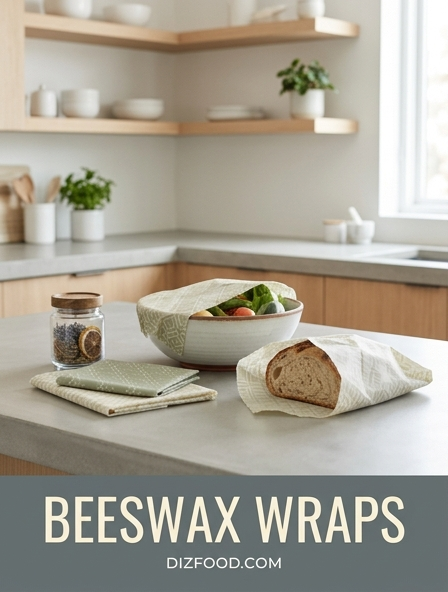
Tired of seeing your favorite sourdough go stale or your premium cheddar get sweaty in cling film? Switching to breathable beeswax wraps is a game-changer for maintaining kitchen freshness. Unlike airtight plastic that traps excess moisture and accelerates mold, these natural, cotton-infused wraps allow your food to "breathe," striking the perfect humidity balance. This unique property makes them the ideal solution for keeping artisan bread soft and specialty cheeses flavorful for significantly longer. They are eco-friendly, washable, and effortlessly mold to any shape with the warmth of your hands. To see how these natural covers compare to other modern storage solutions, explore our guide on reusable silicone snack bags vs beeswax wraps.
Natural Bread Preservation Techniques
Keeping bread fresh without the use of synthetic preservatives requires a focus on moisture management and temperature control. Traditional methods often involve using natural materials that allow the loaf to "breathe" while shielding it from excessive air exposure. When artisanal bread is left on the counter, it quickly loses its internal hydration, leading to a stale and hard texture. Conversely, sealing it in airtight plastic often traps too much moisture, which softens the crust and encourages the rapid growth of mold.
To achieve the perfect balance, home bakers are increasingly turning to natural fabric solutions. Using beeswax wraps or linen bags provides a semi-permeable barrier that mimics the natural properties of the grain itself. Consider these primary factors for natural preservation:
- Control of ambient humidity to prevent the crumb from drying out.
- Prevention of condensation that leads to surface yeast and mold growth.
- Shielding the bread from direct sunlight and fluctuating kitchen temperatures.
- Maintaining the structural integrity of the crust through limited airflow.
By utilizing these organic methods, you can extend the life of your baked goods by several days, ensuring that every slice retains its intended flavor and soft interior.
Benefits of Breathable Beeswax Wraps
Beeswax wraps have revolutionized the way we approach food storage by providing a functional, breathable alternative to conventional methods. Unlike non-porous materials, these wraps are composed of organic cotton infused with beeswax, tree resin, and jojoba oil. This unique combination creates a material that is naturally antibacterial and antifungal, providing a protective layer that actively works to keep food safer for longer periods. The breathability factor is perhaps the most significant advantage, as it allows for the natural exchange of gases and moisture.
| Feature | Benefit |
|---|---|
| Antimicrobial | Inhibits bacterial growth on food surfaces. |
| Semi-Permeable | Prevents moisture buildup and sweating. |
| Pliable | Molds to any shape using the warmth of hands. |
| Sustainable | Completely compostable at the end of its life. |
Because the wraps are not airtight, they prevent the "sweating" phenomenon often seen with plastic covers. This makes them particularly effective for produce and fermented goods that continue to release gases after being harvested or prepared. The result is a kitchen environment that prioritizes food quality and environmental health simultaneously.
Optimal Cheese Storage Solutions
Cheese is a living product that requires specific environmental conditions to maintain its complex flavor profile and texture. Storing cheese in plastic wrap is often the quickest way to ruin its quality, as the oils and fats in the cheese can absorb chemicals from the plastic, and the lack of air causes the cheese to suffocate. This leads to an unpleasant ammonia smell and a slimy surface. To optimize cheese storage, one must balance protection with airflow, ensuring the rind stays healthy while the interior remains moist.
- Select a wrap size that allows for a double fold around the block.
- Ensure the wrap is pressed firmly against the cut faces of the cheese.
- Store the wrapped cheese in the vegetable crisper drawer for consistent humidity.
- Avoid over-tightening, allowing the cheese to release natural gases.
Hard cheeses like Parmesan benefit from the firm seal of a beeswax wrap, which prevents them from becoming excessively brittle. Soft cheeses, such as Camembert or Brie, thrive when they can "exhale," preventing the development of bitter off-flavors. By adopting these natural storage solutions, you respect the craft of cheesemaking and ensure your gourmet selections remain delicious until the last bite.
Preventing Mold Naturally
Mold growth is the primary enemy of food longevity in the kitchen, often triggered by a combination of trapped moisture and lack of antimicrobial barriers. Natural preservation relies on the inherent properties of specific organic compounds to inhibit fungal spores. Beeswax, for instance, contains long-chain fatty acids and esters that possess natural water-repellent and germicidal qualities. When combined with jojoba oil and pine resin, the resulting barrier becomes a formidable defense against common household molds that typically plague bread, cheese, and produce.
The semi-permeable nature of these materials ensures that excess moisture-which acts as a catalyst for mold-is allowed to evaporate rather than pooling on the food's surface. This is especially critical for items with high water content, such as berries or leafy greens. By creating an environment that is slightly acidic and hostile to spores yet gentle on the food, natural wraps provide a biological advantage over inert plastics. This approach not only keeps your food looking and smelling fresh but also reduces the hidden waste caused by premature spoilage. Embracing these natural barriers is a proactive step toward a cleaner, healthier, and more efficient kitchen pantry.
Eco Friendly Kitchen Storage
Transitioning to eco-friendly kitchen storage is a fundamental step in reducing the environmental footprint of a modern household. The traditional reliance on single-use plastics has led to significant waste and chemical leaching into the food supply. By contrast, sustainable storage focuses on reusable, biodegradable, and non-toxic materials that harmonize with the kitchen ecosystem. This shift involves choosing products that are durable enough for repeated use yet return to the earth without leaving behind harmful microplastics.
- Reusable beeswax wraps to replace cling film and aluminum foil.
- Glass jars and stainless steel containers for bulk dry goods.
- Silicone lids for temporary bowl covers and heat-resistant storage.
- Compostable produce bags made from natural fibers or starches.
The beauty of eco-friendly storage lies in its multifunctionality. A single large beeswax wrap can cover a rising bowl of dough, wrap a head of cabbage, or bundle a loaf of sourdough. These solutions encourage a more mindful approach to consumption, where the longevity of the storage tool matches the quality of the ingredients it protects. Ultimately, an eco-conscious kitchen is more organized, aesthetically pleasing, and significantly more sustainable for the planet.
Extending Sourdough Shelf Life
Sourdough bread is a unique culinary creation, defined by its fermented nature and robust, crunchy crust. Unlike commercial breads, sourdough lacks chemical stabilizers, making it more sensitive to its storage environment. To extend its shelf life, one must preserve the delicate balance between the hydrated crumb and the crisp exterior. If stored in an environment that is too dry, the bread turns into a rock; if too wet, it becomes rubbery and susceptible to mold. Natural wraps are the ideal solution for this specific challenge.
The natural oils and waxes in the wrap create a micro-climate that slows down the retrogradation of starches, the process responsible for staling. Because the wrap is breathable, it allows the sourdough to "breathe" out the moisture that would otherwise soften the crust. For best results, allow the loaf to cool completely before wrapping. This prevents steam from being trapped within the wrap, which could lead to sogginess. By using these specialized storage techniques, a high-quality sourdough loaf can remain palatable and toastable for up to a week, ensuring that the labor-intensive fermentation process is honored through careful preservation.
Sustainable Alternatives to Plastic
The search for sustainable alternatives to plastic in the kitchen has moved from a niche concern to a mainstream necessity. Plastic wraps and bags, while convenient, are derived from petroleum and contribute to the global crisis of plastic pollution. Furthermore, many plastics contain phthalates and BPA, which can migrate into food, especially when in contact with fatty substances like cheese or oils. Sustainable alternatives offer a safer, more robust way to protect food while protecting the consumer's health.
| Material | Kitchen Application | Environmental Impact |
|---|---|---|
| Beeswax Wrap | Produce, bread, cheese | 100% Biodegradable |
| Borosilicate Glass | Leftovers, meal prep | Infinitely Recyclable |
| Organic Linen | Dry bread storage | Renewable Resource |
| Stainless Steel | Lunch boxes, liquids | Highly Durable |
Switching to these materials often results in long-term cost savings. While the initial investment might be higher than a roll of plastic film, a set of high-quality beeswax wraps can last for over a year with proper care. This shift not only cleans up the environment but also brings a tactile, artisanal quality back to the kitchen, making the act of storing food as intentional as the act of cooking it.
Why Breathability Matters for Food
Many people assume that food preservation requires an airtight seal, but for many fresh ingredients, breathability is actually the key to longevity. Living foods, such as fruits and vegetables, continue to respire even after they are harvested. During this process, they release ethylene gas and water vapor. If these are trapped in an airtight plastic bag, the ethylene accelerates the ripening process, leading to rapid rot, while the moisture creates a breeding ground for bacteria. Breathable storage allows these gases to escape, effectively slowing down the aging process.
Breathability also plays a crucial role in maintaining the texture of fermented and baked goods. For example, cheese requires oxygen to maintain its cultures, and bread needs a slight air exchange to keep its crust from becoming soggy. By using materials that facilitate this gas exchange, you are essentially mimicking the natural skins and rinds of the food itself. This scientific approach to storage ensures that flavors remain bright and textures stay consistent. Understanding the physics of breathability allows home cooks to move beyond simple containment toward true food preservation that respects the biological needs of the ingredients.
Maintaining Perfect Crust Texture
The hallmark of a great loaf of bread is the contrast between a soft, airy crumb and a crisp, well-developed crust. Maintaining this texture at home can be difficult, as the kitchen environment often works against the baker. The primary goal is to prevent the moisture from the interior of the bread from migrating to the crust and making it leathery. Traditional storage in paper bags can be too drying, while plastic is far too moisture-retentive. Achieving the perfect middle ground is essential for any bread enthusiast.
- Wait until the bread is entirely room temperature before wrapping.
- Use a large beeswax wrap to fully enclose the loaf, pinching the edges.
- Keep the wrapped bread in a cool, dry area away from the stove.
- If the crust softens, a quick five-minute refresh in a hot oven can restore it.
The wax coating on natural wraps provides enough of a barrier to keep the crumb from drying out, yet the fabric weave allows just enough moisture to escape so the crust stays firm. This delicate balance ensures that your baguette or boule remains as satisfying to eat on the second day as it was on the first, preserving the artisan quality of the bake.
Reusable Wraps for Fresh Snacks
Snacking on the go often generates a disproportionate amount of plastic waste, from small sandwich bags to individual plastic containers. Reusable wraps offer a versatile and portable solution for packing everything from apple slices and cheese sticks to homemade granola bars. Their ability to be folded into custom shapes makes them perfect for various snack sizes, ensuring that the food remains secure and fresh throughout the day. Because the wraps are activated by the warmth of your hands, they create a reliable seal that stays in place in a bag or lunchbox.
- Fold into a pocket for holding nuts, seeds, or trail mix.
- Wrap around cut fruit like melons or avocados to prevent browning.
- Cover small bowls of yogurt or dip for easy transport.
- Bundle crackers and hard cheese for a mess-free afternoon snack.
Cleaning these wraps is a simple process involving cool water and mild soap, making them ready for the next day's adventures. By replacing disposable snack packaging with these sustainable alternatives, you not only reduce your daily waste but also ensure that your snacks aren't absorbing the chemical odors or tastes often associated with plastic storage. It is a practical, beautiful, and eco-friendly way to enjoy fresh food anywhere.

Comments