
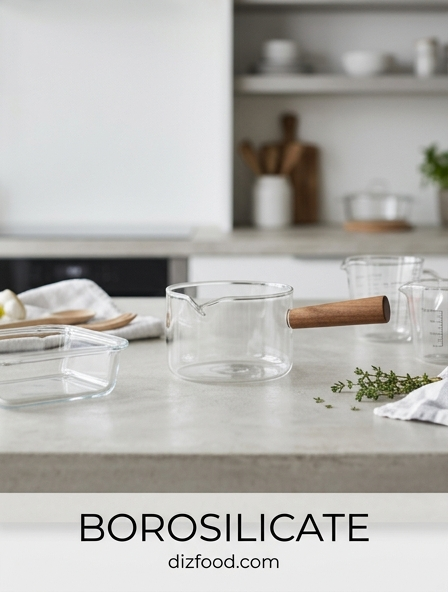
The Science of Pure Flavor in Borosilicate Glass
Borosilicate glass is renowned in both laboratory and culinary worlds for its exceptional purity and chemical stability. Unlike standard soda-lime glass, which contains higher levels of alkaline components, borosilicate is composed primarily of silica and boron trioxide. This specific chemical makeup creates a material that is almost entirely inert, meaning it does not interact with the food or liquids placed inside it. When preparing delicate snacks like popcorn, this molecular stability is crucial because it ensures that no metallic or chemical undertones interfere with the natural profile of the grain.
The science of flavor preservation relies on maintaining the integrity of volatile aromatic compounds. Borosilicate glass supports this by providing a neutral environment that resists chemical erosion even under intense heat. This leads to a superior sensory experience where the user tastes only the intended ingredients. The following attributes contribute to its flavor-neutral performance:
- High boron content reduces chemical reactivity significantly.
- Molecular density prevents the absorption of external environmental odors.
- Resistance to acid and alkali corrosion preserves the glass surface over time.
- Structural integrity ensures no microscopic particles shed into food during heating.
Eliminating Chemical Leaching and Plastic Aftertaste
One of the primary concerns with modern kitchenware, particularly items designed for microwave use, is the migration of synthetic chemicals into food. Many plastic containers and silicone lids can release bisphenol A (BPA), phthalates, or other endocrine disruptors when exposed to high temperatures. These substances not only pose potential health risks but also impart a distinct "plastic" aftertaste that can ruin the flavor of light snacks. Borosilicate glass serves as a definitive solution to this problem by being naturally free of these industrial additives.
Because borosilicate is a glass-ceramic hybrid in terms of its thermal properties, it remains stable at temperatures far exceeding those reached in a domestic microwave. This prevents the breakdown of the material's surface, ensuring that the moisture and oils released during the cooking process do not carry unwanted chemical solutes back into the food. By choosing borosilicate, consumers eliminate the risk of leaching, resulting in a cleaner, crisper taste that is impossible to achieve with polymer-based alternatives. This transition to toxin-free materials is a fundamental step for health-conscious individuals who prioritize both safety and culinary excellence.
Thermal Shock Resistance for Consistent Heating
Borosilicate glass is distinguished by its very low coefficient of thermal expansion, approximately 3.3 x 10^-6 K^-1. This technical property allows the glass to withstand rapid temperature fluctuations without cracking or shattering, a phenomenon known as thermal shock resistance. In the kitchen, this means a borosilicate vessel can move from a cold countertop into a high-heat microwave or oven with minimal risk. This stability ensures that the vessel distributes heat evenly across its surface, which is vital for tasks that require precise temperature control, such as popping corn kernels without scorching.
Consistent heating is the secret to achieving a high "pop rate" and uniform texture. When a container maintains a steady thermal environment, the moisture inside each kernel turns to steam at a predictable rate. Standard glass often develops hot spots or can fail under sudden heat, but borosilicate remains resilient. The following table illustrates the comparison between material types regarding thermal stress:
| Material Type | Thermal Expansion | Thermal Shock Resistance |
|---|---|---|
| Soda-Lime Glass | High | Low (approx. 40°C change) |
| Borosilicate Glass | Very Low | High (approx. 170°C change) |
| Typical Ceramic | Moderate | Medium |
Non-Porous Surface Benefits for Flavor Integrity
The microscopic landscape of kitchen materials plays a silent but significant role in how food tastes over time. Materials like plastic, wood, and even some low-quality ceramics are porous, meaning they contain tiny voids that can trap food particles, fats, and oils. Over multiple uses, these trapped residues can go rancid or carry flavors from previous meals into new batches of food. Borosilicate glass features a non-porous, ultra-smooth surface that prevents the absorption of organic matter. This ensures that a batch of savory popcorn prepared today will not taste like the cinnamon-sugar mix made the day before.
This lack of porosity also makes the glass naturally antimicrobial. Bacteria and molds require a foothold to grow, and the glass-like finish of borosilicate offers no such refuge. Consequently, the flavor integrity of the snack is protected from biological spoilage and oxidative rancidity. For the gourmet enthusiast, this means every culinary creation begins with a truly "blank canvas," allowing the subtle nuances of premium salts, infused oils, and heirloom corn varieties to shine through without interference from lingering residues or microscopic contaminants.
Why Borosilicate Glass Outperforms Silicone and Plastic
When evaluating materials for high-heat kitchen applications, borosilicate glass consistently outperforms silicone and plastic in durability, safety, and performance. While silicone is often marketed as a flexible alternative, it can become "sticky" over time as it absorbs oils, and some low-grade silicones may off-gas when heated. Plastic, even when labeled microwave-safe, eventually degrades, leading to warping, staining, and the aforementioned chemical leaching. Borosilicate glass maintains its crystal-clear clarity and structural rigidity regardless of how many times it is used or washed.
Furthermore, the ecological impact of glass is significantly lower than that of disposable or short-lived plastic wares. Borosilicate is a long-term investment that does not need frequent replacement. In terms of heat distribution, glass provides a more radiant heat environment which is beneficial for achieving a light, airy texture in popped snacks. Compared to the insulating properties of thick plastic, glass allows for a more efficient transfer of energy to the food. The choice is clear for those seeking a balance of longevity and high-performance cooking results in a modern, sustainable kitchen environment.
Preserving the Natural Aroma of Gourmet Corn
The experience of eating popcorn is as much about aroma as it is about taste. Gourmet corn varieties contain specific volatile oils that release a complex bouquet when the husk ruptures. Borosilicate glass is the ideal medium for capturing and preserving these scents. Because the glass does not have a scent of its own and does not react with the steam produced during popping, the steam acts as a pure carrier for the corn's natural fragrance. In contrast, paper bags or plastic tubs can introduce "cardboard" or "chemical" notes into the steam, which then settle back onto the popcorn.
Using borosilicate glass allows the user to experience the authentic nutty, toasted, or buttery aromas associated with high-quality kernels. To maximize this aromatic preservation, the following steps are typically observed when using glass poppers:
- Preheat the glass to ensure immediate moisture evaporation.
- Use minimal oil to allow the natural corn oils to dominate.
- Allow the steam to vent properly through the glass lid to prevent sogginess.
- Serve immediately to capture the peak of the aromatic release.
Healthy Snacking with Toxin-Free Microwaveware
Health-conscious snacking involves more than just selecting low-calorie ingredients; it also requires choosing safe preparation methods. Microwave cooking is highly efficient, but it subjects containers to intense energy that can cause molecular agitation. In toxin-free microwaveware made from borosilicate, this energy interacts solely with the water molecules in the food rather than the container itself. This ensures that the snack remains free from heavy metals, lead, and cadmium, which are sometimes found in the glazes of ceramic bowls or the dyes of plastic containers.
By utilizing borosilicate glass, you create a controlled environment where the only variables are your ingredients. This is particularly important for families with children, as developing systems are more sensitive to the trace chemicals found in conventional cookware. Switching to glass-based microwave tools supports a holistic approach to nutrition by ensuring that "healthy" popcorn stays healthy throughout the entire cooking process. The transparency of the glass also allows for visual monitoring, reducing the need for artificial flavorings or excess fats often used to mask the results of uneven or poor-quality cooking in opaque, reactive materials.
Comparing Glass Poppers to Conventional Paper Bags
Conventional microwave popcorn often comes in disposable paper bags lined with a coating to prevent oil from leaking. Historically, these linings have contained perfluorinated compounds (PFAS), which are known "forever chemicals" that accumulate in the body and the environment. While some manufacturers have moved away from specific PFAS, the chemical alternatives used in paper linings are still a subject of scrutiny. Borosilicate glass poppers offer a reusable, completely inert alternative that eliminates the need for these questionable coatings entirely.
Beyond health concerns, glass poppers provide superior economic and environmental value. A single borosilicate popper can replace hundreds of disposable bags, significantly reducing household waste. Additionally, glass allows for the use of bulk kernels, which are more cost-effective and higher in quality than the pre-packaged, processed corn found in bags. The following points summarize the advantages of glass over paper:
- Zero chemical coatings or synthetic liners.
- Reduced environmental footprint through reusability.
- Ability to control salt, oil, and seasoning levels.
- Enhanced visibility to prevent burning and wasted kernels.
Maintaining Long-Term Freshness and Odor Prevention
Freshness in snacks is often a battle against moisture and oxidation. Borosilicate glass is an excellent material for maintaining the crispness of food because its surface does not hold onto moisture or harbor the bacteria that cause odors. When used as a storage vessel, borosilicate creates a hygienic barrier against the ambient kitchen environment. While many containers begin to smell like "old food" after months of use, borosilicate remains as fresh as the day it was purchased, provided it is cleaned correctly. This odor prevention is vital for maintaining the subtle flavors of different corn seasonings.
The hydrolytic resistance of borosilicate glass-its ability to resist the leaching of water-soluble minerals from the glass surface-means that even with frequent washing and long-term storage, the interior remains smooth and unreactive. This prevents the "clouding" often seen in cheaper glass or the "pitting" seen in plastic. By maintaining a pristine surface, the glass ensures that every new batch of snacks is stored in an environment that actively preserves its crunch and flavor profile for as long as possible, without any cross-contamination of scents.
Easy Maintenance for Consistent Snack Quality
The longevity and performance of borosilicate kitchenware are supported by its ease of maintenance. Unlike cast iron which requires seasoning, or certain plastics that must be hand-washed to avoid warping, borosilicate glass is generally dishwasher safe and highly resistant to scratching. This durability means that the smooth surface remains intact over years of use, preventing the buildup of burnt-on oils or food particles that could eventually degrade the flavor of your snacks. Consistent snack quality is directly linked to the cleanliness of the cooking vessel.
To maintain the highest quality, users should follow a simple care routine to ensure the glass remains clear and functional. Because the material is so robust, it can handle high-temperature sanitization cycles in a dishwasher without losing its structural integrity. For those who prefer hand-washing, the non-stick nature of the glass means that even stubborn residues can usually be removed with light soaking. Maintaining borosilicate involves:
- Using non-abrasive sponges to preserve the polished finish.
- Standard dish detergents are sufficient due to low surface adhesion.
- Occasional vinegar rinses to remove hard water mineral deposits.
- Air-drying to ensure a spot-free, ready-to-use surface.

Comments