
Essential Tools for Precision Slicing
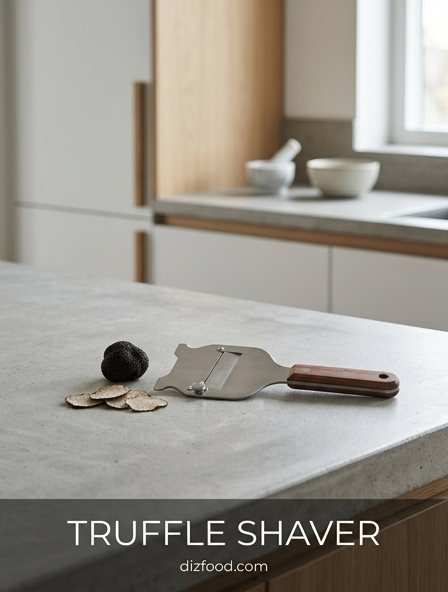
The truffle shaver stands as the pinnacle of precision in the culinary world, specifically designed to handle the delicate density of rare fungi. Unlike standard kitchen graters, a high-quality shaver features a razor-sharp, adjustable blade capable of producing slices measured in microns. Most professional-grade models are constructed from stainless steel or rosewood, offering a balanced weight that facilitates smooth, continuous motion across the ingredient. The primary function of this tool is to maximize the surface area of the truffle, which in turn releases the volatile aromatic compounds essential for the gourmet experience.
- Adjustable thumb screw for thickness control
- Fixed or removable razor-sharp blades
- Ergonomic handles for steady grip
- Stainless steel construction for hygiene
When selecting a shaver, the mechanism of the adjustment screw is paramount. It must remain rigid during use to ensure that every flake remains uniform. A slight deviation in thickness can drastically alter the texture of a dish, making the reliability of this tool vital for any chef working with high-value ingredients. Whether used for white alba or black perigord truffles, the shaver provides a level of control that manual knife work rarely achieves.
Mastering the Mandolin for Paper Thin Slices
While the truffle shaver is specialized, the culinary mandolin offers a broader range of applications while utilizing similar principles of blade adjustment and pressure. Mastering this tool requires a deep understanding of the resistance offered by different foodstuffs. When preparing garnishes that mimic the translucency of shaved truffles, such as radishes or garlic cloves, the mandolin serves as a heavy-duty counterpart. The key to success lies in the angle of entry and the consistency of the downward force applied throughout the stroke.
| Feature | Mandolin Use | Truffle Shaver Use |
|---|---|---|
| Blade Angle | Fixed or V-shaped | Slightly offset straight edge |
| Material Yield | High volume produce | Single, high-value items |
| Portability | Stationary countertop | Handheld and table-side |
To achieve paper-thin results, one must calibrate the blade height with extreme care. Professionals often perform a "test shave" on a sacrificial piece of produce to ensure the setting is correct. The synergy between the hand's movement and the blade's edge determines the final aesthetic, ensuring that the ingredients drape elegantly over the plated components without breaking or appearing overly thick.
Knife Skills for Consistent Uniformity
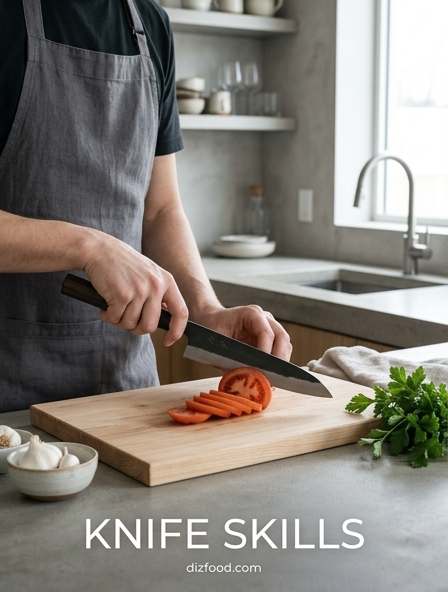
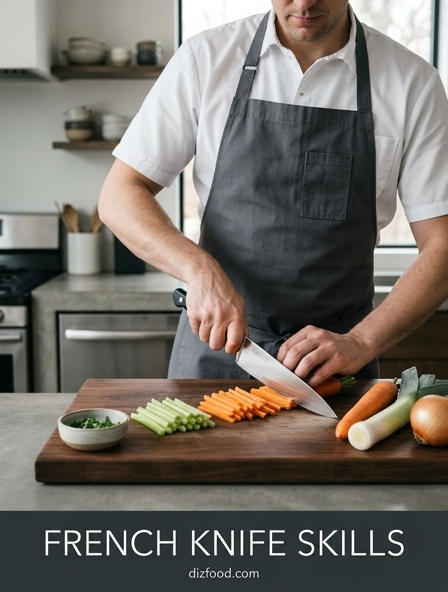
No matter how many specialized tools like the truffle shaver a kitchen possesses, fundamental knife skills remain the bedrock of consistent uniformity. A sharp chef's knife or a Japanese mandolin-style blade can occasionally substitute for a shaver if handled with extreme dexterity. The technique involves a "draw cut" rather than a vertical chop, pulling the blade through the ingredient to minimize cellular damage. This preservation of cell structure is crucial for maintaining the crispness and moisture content of the sliced item.
- Stabilize the ingredient on a non-slip surface.
- Maintain a "claw grip" on the product to protect fingertips.
- Use the full length of the blade for a singular, smooth motion.
- Check thickness every three slices to maintain rhythm.
Achieving the same thinness as a truffle shaver with a knife requires years of practice and a perfectly honed edge. The goal is to reach a level where the light passes through the slice, a benchmark often referred to as "windowpane" transparency. While a shaver simplifies this process for small items, the principles of knife geometry and edge alignment remain applicable across all precision slicing tasks in the kitchen environment.
Techniques for Elegant Vegetable Ribbons
The utility of a truffle shaver extends far beyond fungi, proving to be an exceptional tool for creating elegant vegetable ribbons and curls. Ingredients such as asparagus, heirloom carrots, and fennel can be transformed into delicate garnishes that add height and sophisticated texture to a dish. By applying the shaver along the longitudinal axis of a vegetable, a chef can produce long, translucent strips that would be nearly impossible to achieve with a standard peeler or knife.
To create these ribbons effectively, the vegetable should be firm and well-chilled. This ensures the blade bites cleanly into the surface without tearing the fibers. Once shaved, these ribbons are often shocked in ice water, which causes them to curl and provides a refreshing crunch. This technique is particularly popular in modern Mediterranean and plant-forward cuisines where visual layering is key. The adjustable nature of the shaver allows the chef to toggle between a thin ribbon for salads and a slightly sturdier shave for quick pickling or sautéing. Using the shaver in this manner elevates humble vegetables into decorative elements that catch the light and enhance the overall presentation of the plate.
Blade Sharpness and Maintenance Standards
The performance of a truffle shaver is entirely dependent on the condition of its blade. A dull blade will crush the delicate fibers of a truffle rather than slicing them, resulting in a loss of precious oils and a ragged appearance. Maintenance standards in a professional kitchen dictate that blades should be inspected before every service. Because many shavers utilize a razor-style blade, they are often designed to be replaced rather than sharpened, ensuring a factory-perfect edge is always available for high-cost ingredients.
- Always hand wash the shaver in warm, soapy water.
- Avoid abrasive sponges that can dull the micro-serrations.
- Dry immediately to prevent oxidation or spotting on the steel.
- Store in a protective case to prevent edge nicks.
For models with permanent blades, honing with a fine-grit ceramic stone may be necessary. However, the sensitivity of the adjustment screw must be respected; excessive pressure during cleaning or sharpening can misalign the mechanism. Proper storage is equally important; a shaver should never be tossed into a utensil drawer unprotected. Instead, it should be kept in its original box or a dedicated leather sheath to preserve the integrity of the slicing edge and ensure safety for the user.
The Science of Translucent Food Texture
The pursuit of translucency in food is not merely an aesthetic choice; it is grounded in the science of sensory perception and flavor release. When a truffle shaver creates a slice so thin it is semi-transparent, the surface area-to-volume ratio is maximized. This allows the heat of the dish-whether it be a warm risotto or a freshly tossed pasta-to instantly volatilize the truffle's aromatic compounds. These gases travel to the olfactory receptors, creating a more intense flavor experience than a thicker, denser piece would provide.
Furthermore, the texture of a translucent slice interacts differently with the palate. A thin shave provides a "melting" sensation, where the ingredient integrates seamlessly with the base components of the meal. In contrast, thicker slices require mastication, which can distract from the delicate nuances of the food. The science of thinness also affects how light interacts with the plate. Translucent slices allow colors from the underlying ingredients to filter through, creating a multi-dimensional visual effect. This interplay of light, aroma, and mouthfeel is why the precision of the shaver is considered indispensable in high-end gastronomy, turning a singular ingredient into a complex sensory event.
Safety Essentials for Professional Slicing
Precision tools like the truffle shaver and mandolin are among the most frequent causes of minor injuries in the professional kitchen due to their extreme sharpness and the small size of the items being processed. Safety must be prioritized through correct hand positioning and the use of protective equipment. When the ingredient reaches a size that is difficult to hold, chefs should switch to a guard or simply stop slicing that piece. The cost of a small truffle remnant is negligible compared to the risk of a deep laceration.
- Use a cut-resistant glove when processing high volumes.
- Maintain a flat palm or "claw" grip away from the blade path.
- Work on a stable, dry surface to prevent the tool from slipping.
- Ensure the adjustment screw is locked tight before beginning.
Concentration is the most effective safety tool. Slicing should never be done mindlessly or while distracted by other kitchen tasks. Additionally, the direction of the shave should always be away from the body or towards a designated safe zone on the cutting board. By treating the shaver with the same respect as a razor or a Japanese knife, the chef ensures a productive environment free from the interruptions of avoidable accidents.
Plating Aesthetics and Decorative Garnishes
The final application of shaved ingredients is where the artistry of the kitchen truly shines. Plating aesthetics rely heavily on the uniformity and delicacy provided by the truffle shaver. For instance, shaving a truffle directly over a dish at the table is a classic piece of "kitchen theater" that emphasizes freshness and luxury. The way the curls fall onto the food creates a sense of organic movement and abundance. Beyond truffles, the shaver is used to create garnishes from hard cheeses, chocolate, and even cured egg yolks.
Decorative garnishes should follow a logical arrangement, such as a shingled pattern or a centralized cluster that draws the eye. The transparency of the slices can be used to overlay different colors, such as alternating shavings of white and black radish, to create a stained-glass effect on the plate. Balance is essential; the shavings should enhance the main component without obscuring it entirely. By utilizing the shaver's ability to produce consistent, thin layers, a chef can transform a simple arrangement into a sophisticated culinary masterpiece that signals precision and care to the diner even before the first bite is taken.
Selecting Produce for Optimal Slicing Results
The success of a precision slice begins long before the shaver touches the ingredient; it starts with the selection of the produce. For a truffle shaver to work effectively, the item must possess a certain level of structural integrity. Soft, overripe, or pithy produce will simply tear or turn into a puree when pressed against the blade. When selecting truffles, they should be firm to the touch, resembling the density of a raw potato. Any "give" or soft spots indicate a loss of moisture that will result in poor slicing performance.
| Ingredient | Ideal State | Slicing Outcome |
|---|---|---|
| Black Truffle | Dense and firm | Crisp, intact circles |
| Radish | Crisp, hydrated | Translucent rounds |
| Parmesan | Aged 24+ months | Delicate, nutty curls |
| Garlic | Large, fresh cloves | Paper-thin wafers |
Moisture content is the secondary factor. If a vegetable is too dry, the shaver may cause it to shatter; if it is too wet, the slices may stick to the blade or clump together. Optimal results are achieved with produce that has been stored correctly in a humidity-controlled environment. By choosing the right specimen, the chef ensures that the tool can perform its job with minimal resistance, producing clean, beautiful cuts every time.
Advanced Culinary Methods for Fine Slicing
Advanced culinary techniques often involve manipulating the temperature or state of an ingredient to achieve impossible slices. Some chefs flash-freeze certain items to a specific degree of hardness before using a truffle shaver, allowing them to shave ingredients that would otherwise be too soft, such as semi-frozen foie gras or butter. This creates a unique "snow" or "ribbon" texture that melts instantly upon contact with a warm plate. Another method involves the use of hydrocolloids to create firm gels that can then be shaved into perfectly uniform, translucent sheets.
Furthermore, the "stack and shave" method is used for small, difficult-to-handle items. By bundling herbs or small vegetables tightly together, a chef can shave through the entire cross-section at once, creating a variegated tapestry of flavors. Precision slicing also plays a role in modern preservation; ultra-thin shavings are ideal for rapid dehydration, turning produce into crisp chips that retain their vibrant color and concentrated flavor. These advanced methods push the boundaries of what the truffle shaver can achieve, moving it from a specialized tool for fungi to a versatile instrument for texture and flavor innovation in the contemporary kitchen.

Comments