
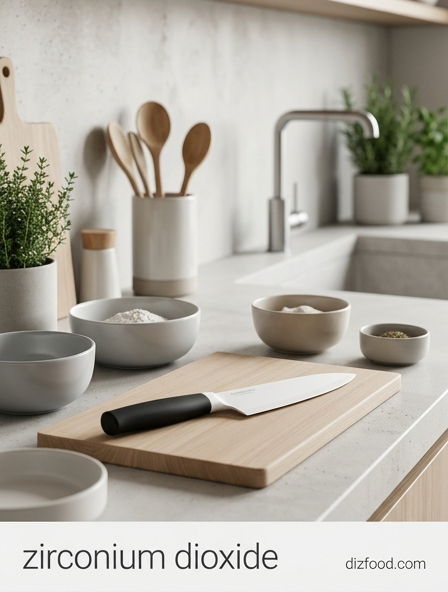
The Molecular Hardness of Zirconium Dioxide
Zirconium dioxide, commonly referred to as zirconia, represents a pinnacle of ceramic engineering in the culinary world. At a molecular level, the substance is characterized by a robust crystalline structure formed through strong ionic and covalent bonds. This unique bonding creates a rigid framework that resists deformation under significant stress, a critical attribute for high-end kitchen blades. Unlike metallic alloys that rely on the shifting of electron clouds, the fixed positions of atoms in zirconia prevent the material from bending or yielding easily.
The resulting hardness is not merely a surface-level quality but an inherent property of the ZrO2 molecule. This hardness ensures that the blade remains structurally sound even when subjected to the repetitive force of dicing and slicing. Culinary professionals favor this material because it bridges the gap between traditional metals and precious gemstones in terms of raw durability. Key characteristics include:
- High fracture toughness despite its ceramic nature.
- Minimal thermal expansion, maintaining shape during temperature shifts.
- An exceptionally dense lattice that prevents microscopic surface pitting.
- Resistance to mechanical wear during high-volume food preparation.
Precision Sintering and Blade Density
The transition from raw zirconium powder to a finished kitchen blade involves a sophisticated process known as sintering. During this phase, the ceramic powder is compressed under immense pressure and heated to temperatures just below its melting point. This causes the particles to fuse together, eliminating microscopic voids and increasing the overall density of the material. A denser blade is less likely to harbor bacteria and exhibits superior strength when encountering fibrous vegetables or proteins.
Precision in sintering allows manufacturers to control the porosity of the ceramic, ensuring a glass-like finish that is virtually impermeable. The following table illustrates the typical physical properties achieved through advanced sintering techniques:
| Property | Standard Metric |
|---|---|
| Density | 6.0 g/cm³ |
| Melting Point | 2,715 °C |
| Thermal Conductivity | 2.2 W/(m·K) |
| Flexural Strength | 900-1200 MPa |
Zirconia vs High Carbon Steel Performance
When comparing zirconia to traditional high carbon steel, the differences in performance are stark and grounded in material science. Steel is prized for its flexibility and ease of sharpening, but it is susceptible to oxidation and requires frequent honing to maintain its edge. In contrast, zirconia is chemically non-reactive, meaning it will never rust or corrode, regardless of exposure to acidic juices or moisture. This makes it an ideal choice for the low-maintenance kitchen environment.
While steel blades can achieve a very fine edge, they lose that sharpness relatively quickly as the metal microscopic "teeth" bend over during use. Zirconia maintains its razor-sharp profile for significantly longer periods due to its higher wear resistance. Users often find that a ceramic knife remains sharp ten times longer than its metallic counterparts. However, this hardness comes with a trade-off in brittleness; while steel might bend or chip, zirconia is more likely to snap if used to pry or cut through frozen foods and heavy bones.
Atomic Structure and Edge Longevity
The longevity of a zirconia edge is a direct consequence of its atomic arrangement. The atoms are packed into a tetragonal or cubic lattice, which provides a high degree of stability. In metallic blades, the atoms are arranged in a way that allows for "dislocation movement," which is why metal can be hammered or bent. Zirconia lacks this flexibility, meaning that once an edge is ground into the material, it stays in that fixed position until it is physically ground away by a harder substance like diamond.
This edge retention is vital for maintaining consistent slicing thickness in professional settings. Because the edge does not roll over like steel, the "bite" of the knife remains aggressive for months or even years of home use. This stability also reduces the need for frequent sharpening, which can be a complex task for ceramic materials. The atomic-level resistance to abrasion ensures that every cut is as efficient as the first, reducing hand fatigue for the chef and providing a safer cutting experience by requiring less downward pressure to penetrate the food surface.
Micro Grain Refinement for Clean Slicing
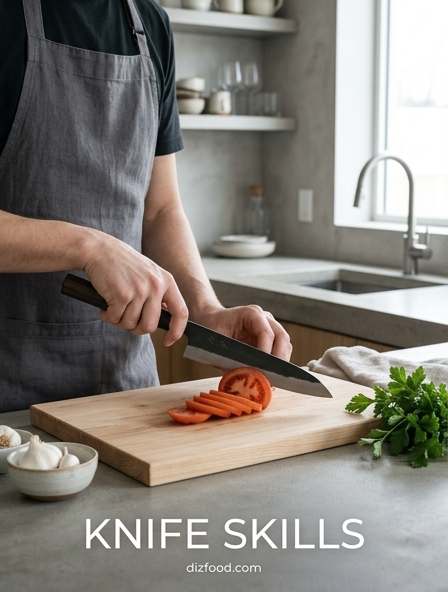
The quality of a ceramic knife is often determined by the size of the grains within its microstructure. Modern engineering allows for micro grain refinement, where the zirconia particles are processed to a sub-micron level. Smaller grain sizes result in a more homogenous material with fewer internal flaws. When a blade is sharpened, these fine grains allow for a smoother, more continuous edge that glides through delicate items like ripe tomatoes or soft breads without tearing the skin or crushing the interior.
A refined grain structure also contributes to the aesthetic and functional "polish" of the blade. The benefits of micro-grain refinement in kitchen applications include:
- Reduced friction between the blade and the food, allowing for faster dicing.
- Increased resistance to "micro-chipping" along the cutting edge.
- A smoother surface finish that is easier to clean and sanitize.
- Better distribution of internal stresses, enhancing the overall lifespan of the tool.
The Role of Yttrium Stabilization
Pure zirconium dioxide undergoes phase changes when heated or cooled, which can lead to cracking and structural failure. To overcome this, engineers add yttrium oxide to create Yttria-Stabilized Zirconia (YSZ). This additive stabilizes the tetragonal crystal structure at room temperature, providing the material with "transformation toughening." This is a unique mechanism where the energy of a growing crack causes the crystals to shift phases, effectively squeezing the crack shut and preventing it from spreading.
In the kitchen, this stabilization is what makes the ceramic blade practical for everyday use. Without yttrium, the blade would be too fragile to handle even minor impacts. The stabilization process involves three primary steps:
- Blending raw zirconia powder with specific percentages of yttria.
- High-temperature calcination to integrate the yttrium into the lattice.
- Controlled cooling to lock in the stabilized tetragonal phase.
This engineering marvel ensures that the knife can withstand the rigors of a busy culinary environment while retaining its elite cutting properties.
Achieving the Ultimate Razor Edge Angle
Because zirconia is so incredibly hard, it can be ground to a much steeper, more acute angle than most steel knives. Traditional Western steel knives are usually ground to a 20-degree angle, whereas zirconia blades can comfortably maintain an 11 to 15-degree angle. This sharper geometry allows the knife to pass through cell walls with minimal resistance, preserving the texture and flavor profile of fresh ingredients. Achieving this edge requires the use of specialized diamond-dust grinding wheels, as diamond is one of the few materials harder than zirconia.
The precision of the edge angle is critical for tasks that require extreme accuracy, such as julienning vegetables or preparing sashimi. The following table compares the typical edge characteristics of various kitchen blade materials:
| Blade Material | Common Edge Angle | Edge Type |
|---|---|---|
| Standard Stainless Steel | 20° - 25° | Beveled |
| High Carbon Steel | 15° - 18° | Fine Bevel |
| Zirconium Dioxide | 11° - 15° | Razor Micro-Edge |
Chemical Inertness and Food Integrity
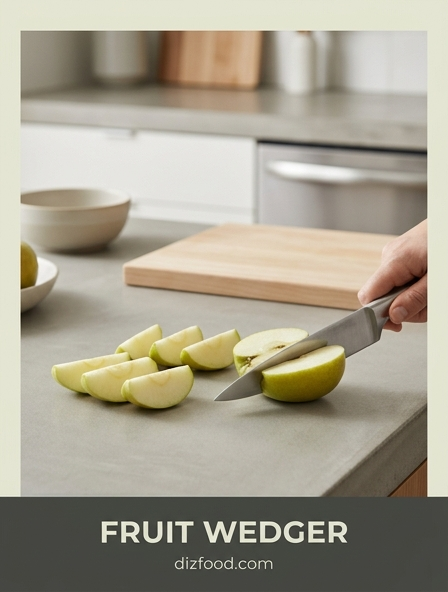
One of the most significant advantages of using zirconium dioxide in the kitchen is its total chemical inertness. Unlike metal knives, which can transfer a metallic taste to food-especially when cutting acidic fruits or vegetables-zirconia does not react with any food enzymes or juices. This ensures that the original taste, smell, and color of the ingredients remain unaltered. For delicate tasks like slicing apples or lettuce, a ceramic blade prevents the rapid browning (enzymatic browning) that often occurs when metal ions catalyze the oxidation process.
Beyond taste, this inertness contributes to a more hygienic kitchen environment. The material is non-porous and resistant to acids, oils, and salts that would normally corrode steel. This results in several key benefits:
- No transfer of odors from one food item to another (e.g., from garlic to fruit).
- Total resistance to rust and pitting, even if left wet.
- Ease of sterilization, as the material can withstand harsh cleaning agents.
- A surface that does not leach ions into the food, supporting clean eating.
Diamond Like Hardness on the Mohs Scale
The Mohs scale of mineral hardness is used to rank materials based on their ability to scratch one another. Zirconium dioxide ranks exceptionally high on this scale, typically falling between 8.2 and 8.5. For context, a standard kitchen knife made of stainless steel usually ranks between 5 and 6, while a diamond is a perfect 10. This proximity to diamond hardness is what allows zirconia blades to remain sharp for such long intervals; almost nothing in the kitchen is hard enough to dull the edge through abrasion.
Understanding where zirconia sits on the scale helps users appreciate its specialized nature. To maintain this hardness, specific care must be taken during the manufacturing process. The hardness hierarchy is generally as follows:
- Diamond (10) - Used for sharpening zirconia.
- Zirconium Dioxide (8.5) - The blade material.
- Hardened Steel (6.5) - High-end metallic knives.
- Standard Kitchen Steel (5.5) - Common cutlery.
- Glass/Ceramic Plates (5 - 6) - Why you should use a wooden cutting board.
Engineering Modern Kitchen Cutting Precision
The integration of zirconium dioxide into the kitchen is the result of decades of materials science evolution. Modern zirconia knives are no longer just fragile novelties; they are precision-engineered instruments designed to complement the workflow of both amateur and professional chefs. By balancing the molecular hardness of the material with stabilization techniques like yttria infusion, manufacturers have created a tool that offers unparalleled sharpness and longevity. This engineering allows for a lighter weight than steel, which reduces wrist strain during repetitive tasks.
As culinary technology continues to advance, the role of high-performance ceramics will likely expand. The precision offered by zirconia allows for a level of control that was previously difficult to achieve with traditional cutlery. It represents a shift toward specialized tools that prioritize material purity and edge geometry over the "one-size-fits-all" approach of the past. For the modern kitchen, zirconia is the embodiment of cutting-edge science, providing a clean, efficient, and durable solution for food preparation that respects the integrity of the ingredients.

Comments