
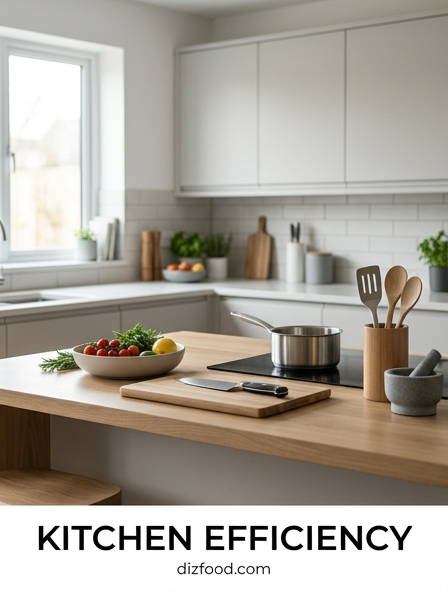
Essential Blade Types for Efficiency
To maximize kitchen productivity, one must prioritize a core set of blades that handle the vast majority of culinary tasks. Efficiency is not found in a drawer full of unused gadgets, but in a few high-quality tools that offer versatility and speed. The primary driver of prep speed is the eight-inch chef's knife, which serves as the workhorse for chopping, dicing, and mincing. By mastering a single, balanced blade, a cook develops the muscle memory necessary for rapid, consistent results across various ingredients.
- Chef's Knife: The primary tool for high-volume vegetable prep and protein fabrication.
- Paring Knife: Essential for intricate tasks like peeling, coring, and removing seeds where a large blade is too cumbersome.
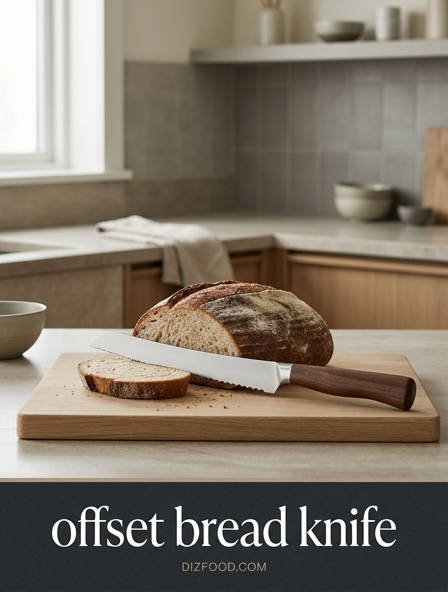
- Serrated Bread Knife: Optimized for slicing through hard crusts or delicate skins, such as tomatoes, without crushing the interior.
Relying on these three essential types reduces the time spent switching between tools. This streamlined approach ensures that the workflow remains fluid, allowing the cook to focus on technique rather than searching for specialty hardware. Investing in these essentials creates a foundation for professional-grade efficiency in any residential setting.
Understanding Blade Material and Edge
The material composition of a knife directly impacts how long it remains sharp and how much effort is required to maintain its performance. Efficiency is lost when a blade dulls mid-task, forcing the user to apply more pressure, which increases fatigue and decreases precision. High-carbon stainless steel is often favored in busy kitchens because it combines the edge retention of carbon steel with the corrosion resistance of chromium. This ensures the tool remains functional for longer periods between professional sharpenings.
| Material Type | Key Benefit | Maintenance Level |
|---|---|---|
| Stainless Steel | Resists rust and staining | Low |
| High-Carbon Steel | Extremely sharp, easy to hone | High |
| Ceramic | Holds edge indefinitely | Fragile; professional only |
The angle of the edge also dictates efficiency. Western blades typically feature a 20-degree angle for durability, while Japanese blades use a 15-degree angle for surgical precision. Selecting the right material and edge geometry allows the cook to match the tool to the specific resistance of the food being processed.
Ergonomic Design and Grip Comfort
Ergonomics play a vital role in kitchen efficiency by reducing physical strain during repetitive motions. A knife that feels like an extension of the arm allows for faster movement and better control. When evaluating a knife, the balance point should ideally be at the bolster, where the blade meets the handle. This balance prevents the knife from feeling "blade-heavy" or "handle-heavy," both of which require the wrist to work harder to compensate. The handle material also matters; synthetic composites like G10 or textured resins provide a secure grip even when hands are wet or oily, which is a common occurrence during intensive meal preparation.
The shape of the handle should accommodate a "pinch grip," where the thumb and index finger choke up on the blade itself. This technique offers the highest level of stability and leverage. Knives designed with contoured handles or ergonomic curves help distribute pressure across the palm, preventing the formation of hotspots or blisters during long sessions of dicing or slicing. By prioritizing comfort, a cook can maintain a high tempo without the onset of cramping or fatigue, ensuring that the final stages of prep are as precise as the first.
Selecting the Right Slicing Surface
The surface beneath the blade is just as important as the blade itself when it comes to maintaining a fast workflow. A cutting board that slips or dulls the knife prematurely is a major bottleneck. To optimize efficiency, cooks should choose surfaces that provide enough friction to keep food stable while remaining soft enough to preserve the knife's microscopic edge. Hard surfaces like glass, granite, or marble should be strictly avoided as they can chip or flatten a sharp edge in a single session.
- End-Grain Wood: The "gold standard" for knife health, as the fibers part to accept the blade and then close back up.
- High-Density Plastic: Affordable, dishwasher-safe, and color-coded to prevent cross-contamination during multi-ingredient prep.
- Rubber Composites: Used in professional kitchens for their exceptional grip and "self-healing" properties that don't harbor bacteria.
Size also matters for efficiency; a board that is too small forces the cook to constantly clear away chopped items into secondary bowls. A large, stable workspace allows for the segregation of "work-in-progress" items and finished piles, significantly reducing the total time spent moving ingredients around the kitchen counter.
Precision Slicing with Mandolines
While a knife is versatile, a mandoline is the ultimate tool for achieving high-volume uniformity. Efficiency in cooking often depends on ingredients being the exact same size so they cook at the same rate. A mandoline allows a cook to produce paper-thin radish slices, consistent potato rounds, or uniform julienne strips in a fraction of the time it would take with a manual blade. This speed is particularly valuable when preparing salads, gratins, or garnishes that require aesthetic perfection and high output.
- Adjustable Thickness: Allows for micro-adjustments to suit specific recipes instantly.
- Interchangeable Blades: Provides options for straight, crinkle, or waffle cuts without changing tools.
- Safety Guards: Enables the user to slice the entire vegetable without risking finger injury.
To maintain efficiency, the mandoline should be kept within easy reach and cleaned immediately after use to prevent starches from drying on the blade. Using a hand guard or a cut-resistant glove is mandatory to ensure that the speed of the tool does not result in a safety-related work stoppage. When used correctly, the mandoline transforms hours of meticulous knife work into minutes of effortless sliding.
Utility vs Specialty Kitchen Knives
Distinguishing between utility blades and specialty tools is a hallmark of an organized cook. A utility knife, typically five to six inches long, bridges the gap between a chef's knife and a paring knife. It is the efficient choice for mid-sized tasks like slicing deli meats or small fruits where a heavy blade is overkill. However, specialized tasks often require specific geometry to avoid wasting time or product. For example, a flexible boning knife is necessary for navigating around joints and bones, a task that would be slow and dangerous with a rigid chef's knife.
| Specialty Knife | Primary Function | Efficiency Benefit |
|---|---|---|
| Santoku | Precision slicing | Granton edge prevents food sticking |
| Nakiri | Vegetable chopping | Flat edge for clean, through-cuts |
| Boning Knife | Meat fabrication | Thin profile reduces meat waste |
The goal is to use the most efficient tool for the specific resistance and shape of the food. While a utility knife is a "jack of all trades," incorporating a few specialty blades into the rotation can significantly reduce the mechanical effort required for difficult textures, thereby accelerating the overall preparation process.
Knife Maintenance for Consistent Speed
A dull knife is the greatest enemy of kitchen efficiency. It requires more physical force, causes uneven cuts, and slows down the rhythm of the cook. Regular maintenance ensures that the tool performs predictably every time it touches the cutting board. Maintenance is divided into two distinct processes: honing and sharpening. Honing should be done frequently, ideally before every major prep session, to realign the microscopic teeth of the blade that bend during use. This does not remove metal but keeps the edge centered for a smoother glide.
- Honing: Use a ceramic or steel rod to straighten the edge daily.
- Sharpening: Use whetstones or a professional service to grind a new edge every few months.
- Cleaning: Hand-wash and dry immediately to prevent pitting and oxidation.
Storing knives properly also preserves their speed. Never toss high-quality blades into a dishwasher or a cluttered utensil drawer, as the heat and clashing metal will ruin the edge instantly. By spending thirty seconds on honing and proper cleaning, a cook saves minutes of struggling with a blunt instrument. Consistency in maintenance leads to consistency in the kitchen, allowing for faster and safer food preparation.
Smart Storage for Quick Access
The physical organization of cutting tools significantly impacts the flow of a kitchen. Efficiency is lost every time a cook has to dig through a drawer to find the right tool. Smart storage solutions keep the most frequently used blades visible and accessible, allowing for a "grab-and-go" workflow. Magnetic knife strips are widely considered the most efficient storage method. They mount to the wall, saving counter space while keeping the blades separated and protected from dulling. This also allows the knives to air dry completely, reducing the risk of bacterial growth or rust.
For those who prefer counter storage, a dedicated knife block with horizontal slots is preferable to vertical ones, as horizontal slots prevent the weight of the knife from resting on its edge. Alternatively, in-drawer organizers with individual slots can keep blades safe while maintaining a minimalist aesthetic. Regardless of the method, the storage should be positioned within the "work triangle"-the area between the prep station, the sink, and the stove. Reducing the number of steps required to retrieve a tool may seem like a small gain, but over the course of a year, it translates into hours of saved time and a much more streamlined cooking experience.
Safety Features in Cutting Tools
Safety is the silent partner of efficiency; an injury is the fastest way to stop a kitchen workflow. Modern cutting tools incorporate various safety features designed to protect the user while maintaining high speed. For example, many high-end knives feature a pronounced bolster that acts as a finger guard, preventing the hand from slipping forward onto the sharp edge. Furthermore, the use of non-slip materials on handles ensures that even with greasy hands, the cook maintains total control over the blade's trajectory.
- Cut-Resistant Gloves: Provide a secondary layer of protection when using high-speed tools like mandolines or graters.
- Blade Guards: Essential for safe transport and to prevent accidental cuts when reaching into storage areas.
- Locking Mechanisms: Common on kitchen shears and folding utility knives to prevent accidental deployment.
In addition to hardware features, "safety" also includes the stability of the cutting environment. Placing a damp paper towel under a cutting board prevents it from sliding, which is a simple but vital safety hack. By integrating these features and habits, the cook can operate at maximum speed with the confidence that the risk of accidents has been minimized, keeping the prep process moving forward without interruption.
Optimizing Your Prep Workflows
True kitchen efficiency is realized when high-quality tools are combined with an optimized workflow. This begins with "mise en place," a French culinary phrase meaning "everything in its place." Before the first cut is made, all ingredients, tools, and waste receptacles should be arranged to minimize movement. A well-organized station prevents the cook from crisscrossing the kitchen, which wastes time and energy. Efficiency is also found in the "cleaning as you go" philosophy, where scraps are immediately cleared to a compost bin and tools are wiped down between tasks.
- Group Similar Tasks: Peel all vegetables first, then chop them all, rather than switching between tools for each item.
- Manage Waste: Keep a "scrap bowl" on the counter to avoid frequent trips to the trash can.
- Sequence by Texture: Cut dry or clean items first (like onions) before moving to wet or staining items (like beets or proteins).
By thinking three steps ahead, a cook can ensure that the stove is preheating just as the prep is finishing. This synergy between tool selection, physical organization, and logical sequencing transforms cooking from a chaotic chore into a streamlined, professional process. Mastery of the workflow is the final step in achieving peak kitchen efficiency.

Comments