
The Mechanics of Ergonomic Knife Design
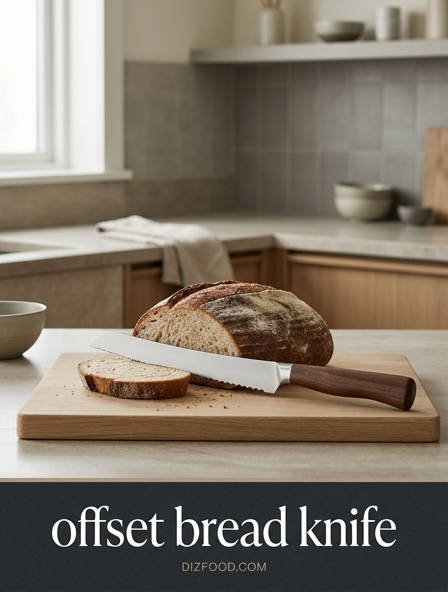
Ergonomics in the kitchen is often overlooked until discomfort begins to set in after a long session of food preparation. The mechanics of ergonomic knife design focus specifically on how the tool interacts with the human hand and the work surface simultaneously. Traditional knives often require the user to adapt their posture to the tool, leading to awkward angles and unnecessary muscle tension. In contrast, an ergonomic offset bread knife is engineered to align with the natural resting position of the wrist, reducing the need for compensatory movements. This design philosophy prioritizes the user's skeletal alignment, ensuring that the force applied during a cut is distributed evenly across the palm rather than concentrated on the finger joints or the wrist's delicate tendons.
By shifting the handle upward, designers have successfully created a tool that respects the geometry of the human arm. This mechanical shift allows for a more fluid motion, where the weight of the knife assists in the cutting process rather than working against the user. High-quality ergonomic designs take into account the grip texture, handle diameter, and weight distribution, ensuring that the knife feels like a natural extension of the arm. This thoughtful approach to design not only increases efficiency but also enhances safety by providing a more secure and predictable cutting experience.
Anatomy of the Offset Blade
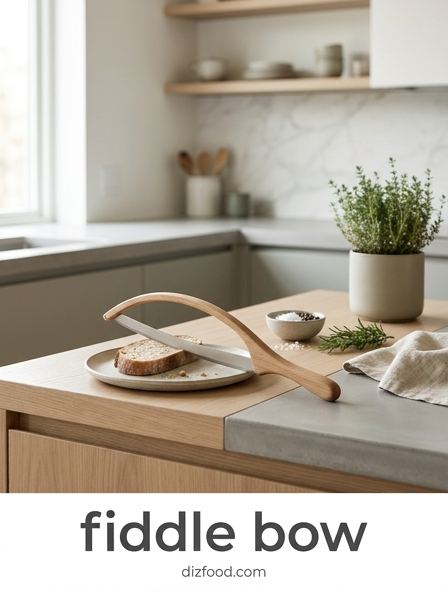
The anatomy of an offset bread knife is distinct from any other tool in the culinary kit. While a standard bread knife features a straight profile from tip to heel, the offset version utilizes a "Z" or "L" shaped transition where the blade drops below the level of the handle. This specific architectural choice is the defining characteristic of the tool. The blade itself is typically long, usually ranging from eight to ten inches, featuring a series of sharp, scalloped serrations. These serrations are designed to bite into tough surfaces without requiring excessive downward pressure.
- The Tang: Most professional models feature a full tang, where the steel extends through the entire handle for balance.
- The Offset Rise: This is the vertical section of steel that connects the handle to the blade, providing the necessary clearance.
- Serration Profile: Deep, pointed serrations are ideal for hard crusts, while rounded serrations are better for soft cakes.
- The Bolster: A thick junction between the handle and the rise that protects the fingers and adds weight.
Understanding these components helps users appreciate the engineering required to keep the blade perfectly parallel to the cutting board while the hand remains elevated. The materials used, often high-carbon stainless steel, ensure the serrations remain sharp through thousands of loaves.
Ending the Cutting Board Knuckle Bash
One of the most persistent frustrations for home bakers and professional chefs alike is the "knuckle bash." When using a standard straight bread knife, the user's hand is positioned directly behind the blade. As the blade reaches the bottom of a loaf and makes contact with the cutting board, the user's knuckles often collide with the board's surface. This constant impact is not only painful and distracting but also prevents the knife from completing a clean, full-length cut through the bottom crust. To avoid this, users often tilt the knife at an awkward angle, which results in uneven, slanted slices that ruin the presentation of the bread.
The offset bread knife solves this specific spatial problem by elevating the handle significantly above the cutting line. By providing roughly two inches of clearance, the design ensures that the hand never comes close to the board, even when the blade is pressed firmly against it. This clearance allows for a full, sweeping sawing motion that utilizes the entire length of the blade. The result is a seamless experience where the focus remains on the thickness of the slice rather than the safety of one's knuckles. This simple geometric adjustment fundamentally changes the relationship between the cook, the tool, and the workspace.
The Science of Handle Clearance
The science behind handle clearance is rooted in the physics of leverage and the clearance of the "working envelope." When a knife handle is offset, it changes the center of gravity and the way force is transmitted from the shoulder through the arm to the blade edge. In a standard knife, force is applied directly downward, but because the hand is low, the angle of the wrist must be bent to exert power. This creates a weak point at the wrist joint. With an elevated handle, the user can maintain a neutral wrist position, which is the strongest and most stable posture for the human hand.
| Feature | Standard Knife | Offset Knife |
|---|---|---|
| Wrist Alignment | Bent/Flexed | Neutral/Straight |
| Hand Clearance | Zero to Minimal | 1.5 to 2.5 inches |
| Force Vector | Diagonal | Directly Vertical |
| Visibility | Obscured by hand | Clear line of sight |
This scientific approach to clearance ensures that the mechanical advantage is maximized. The user can apply vertical pressure more effectively because the hand is positioned higher, allowing the weight of the upper body to assist in the cut. This reduces the reliance on small muscle groups in the hand and forearm, leading to a more powerful and controlled slicing action.
Better Leverage for Crusty Loaves
Cutting through a thick-crusted sourdough or a rustic miche can be a physical challenge. These breads require a combination of sharp serrations and significant downward force to break the initial surface tension of the caramelized crust. Because an offset knife positions the hand above the blade, it creates a superior lever arm. This leverage allows the user to "bite" into the crust with much less effort than a traditional knife would require. Once the crust is breached, the offset design allows for a more rhythmic sawing motion, which is essential for preserving the airy crumb structure of the bread's interior.
When you have better leverage, you are less likely to crush the bread. Many people find that when they struggle with a standard knife, they end up pushing down too hard, which flattens the loaf and squeezes out the moisture. The offset knife's geometry encourages a back-and-forth motion rather than a downward press. This mechanical advantage ensures that even the most formidable, charred artisan crusts yield to the blade, producing perfect slices that maintain their shape and texture from the first cut to the last heel of the loaf.
Reducing Wrist Strain While Slicing
Repetitive strain injuries (RSI) are a significant concern in both professional kitchens and for avid home cooks. The act of slicing through multiple loaves of bread or large quantities of produce can put immense stress on the carpal tunnel and the tendons surrounding the wrist. A primary cause of this strain is "ulnar deviation," which occurs when the wrist is bent toward the pinky finger, or "extension," where the hand is tilted upward. Standard knives often force the user into these positions to get the blade flat against the board while keeping the hand out of the way.
The offset bread knife is specifically designed to eliminate these harmful angles. By raising the handle, the knife allows the wrist to remain in a "handshake" position-the most ergonomic and least stressful posture for the human arm. This alignment keeps the carpal tunnel open and reduces the friction on the tendons. For individuals suffering from arthritis or limited grip strength, this design is a game-changer. It permits them to continue enjoying culinary tasks without the immediate pain or long-term damage associated with traditional knife handles, making the kitchen a more accessible space for everyone.
Precision Slicing Without Hand Fatigue
Precision in the kitchen is often the first thing to suffer when hand fatigue sets in. As muscles tire, fine motor control diminishes, leading to uneven slices and potential slips. The offset bread knife combats this fatigue by requiring less muscular effort to maintain control. Because the handle is positioned in a way that aligns with the natural mechanics of the arm, the larger muscles of the forearm and bicep can take over the heavy lifting, sparing the smaller, more easily fatigued muscles of the hand and fingers.
This endurance allows for consistent precision over long periods. Whether you are prepping hundreds of crostini for a catering event or simply making lunch for a large family, the ease of use remains constant. The stability provided by the offset design means that each slice can be as thin or as thick as desired, with the blade remaining perfectly vertical throughout the cut. This level of control is difficult to achieve with a straight knife once the hand begins to cramp or tire. By minimizing the physical toll of the task, the offset knife allows the cook to focus entirely on the artistry and accuracy of their work.
Why Blade Elevation Matters
Blade elevation is the core functional benefit of the offset design, but its importance extends beyond just knuckle protection. Elevation provides the chef with a vastly improved line of sight. When using a traditional knife, the hand and the handle often block the view of where the blade meets the food. This "blind spot" can make it difficult to judge the thickness of a slice or to ensure that the cut is perfectly straight. With the handle elevated and moved out of the primary visual field, the user has an unobstructed view of the entire cutting process.
Furthermore, blade elevation allows the knife to be used on flat surfaces that would otherwise be inaccessible. For example, when slicing a large sheet cake still inside a shallow baking pan, a standard knife handle would hit the rim of the pan, preventing the blade from reaching the bottom. The offset knife clears the rim easily, allowing for clean, full-depth cuts. This versatility makes the tool indispensable for various tasks where the work surface is not perfectly open, proving that the elevation is as much about visibility and access as it is about comfort.
From Sourdough to Sandwiches Versatility
While often called a bread knife, the offset serrated blade is one of the most versatile utility players in the kitchen. Its unique shape and sharp teeth make it suitable for a wide array of ingredients that go far beyond sourdough. The ability to saw through delicate skins without crushing the soft interior is a hallmark of this tool. This makes it particularly effective for various tasks that might otherwise require specialized knives.
- Slicing Tomatoes: The serrations easily bite through the slick skin of a ripe tomato without squashing the pulp.
- Deli Meats: It excels at slicing through layered sandwiches or thick slabs of roast turkey and ham.
- Soft Fruits: Melons, pineapples, and even delicate citrus can be processed with high precision.
- Confectionery: The offset handle is perfect for leveling cakes or cutting brownies directly in the pan.
- Fibrous Vegetables: It handles tough skins on eggplants or the fibrous interior of large squash with ease.
This versatility ensures that the offset knife does not become a "unitasker." Instead, it often becomes the go-to tool for any task involving items with a hard exterior and a soft interior, providing better results and more comfort than a standard chef's knife or a straight serrated blade.
Selecting the Best Ergonomic Bread Knife
When selecting the best ergonomic bread knife, several factors should be considered to ensure the tool meets your specific needs. Not all offset knives are created equal; the quality of the steel and the comfort of the handle vary significantly between brands. You should look for a blade that offers a balance between flexibility and rigidity. A blade that is too flexible may wander during a cut, while one that is too stiff might be difficult to maneuver through large, dense items.
- Blade Length: Aim for 9 to 10 inches to ensure you can handle large boules of bread in a single stroke.
- Handle Material: Look for slip-resistant materials like textured polymers or high-quality composites that provide a secure grip even when hands are wet.
- Serration Type: Pointed serrations stay sharp longer and are better for hard crusts, while rounded serrations are easier to sharpen.
- Weight and Balance: The knife should feel balanced at the bolster, not feeling too "blade-heavy" or "handle-heavy."
Investing in a high-quality offset knife will pay dividends in the form of reduced hand pain and more professional-looking results. Whether you are a professional baker or a home enthusiast, the right ergonomic tool transforms a chore into a precise and enjoyable culinary experience.

Comments