
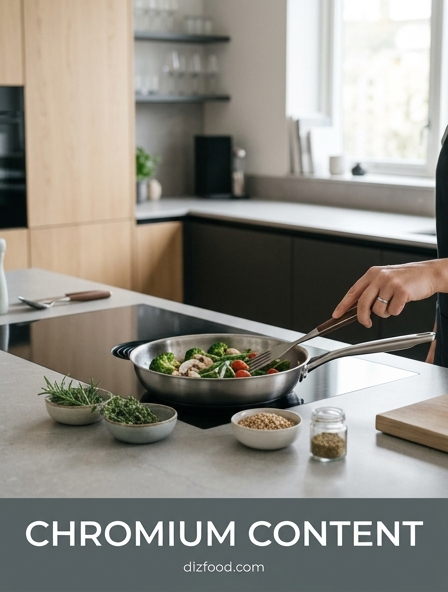
The Role of Chromium in Knife Metallurgy
Chromium is the primary alloying element responsible for transforming standard steel into a material suitable for the high-moisture demands of a modern kitchen. In knife metallurgy, chromium serves a dual purpose: it enhances the steel's hardenability and provides the necessary resistance to oxidation. When chromium is introduced into the iron-carbon matrix, it forms chromium carbides. These hard particles are distributed throughout the steel, contributing significantly to the blade's wear resistance and its ability to maintain a sharp edge over prolonged use. Unlike other elements that might compromise the structural integrity of the metal, chromium integrates seamlessly to strengthen the grain structure.
This metallurgical bond ensures that the knife can withstand the mechanical stresses of chopping and slicing while remaining chemically inert. Without sufficient chromium, a blade would rapidly lose its structural soundness when exposed to the humidity and salt typically found in culinary environments. Consequently, the presence of chromium is not merely an additive but a foundational requirement for any high-performance kitchen tool. The following attributes define its role:
- Carbide formation for superior edge retention.
- Increased tensile strength within the steel matrix.
- Enhanced response to heat treatment processes.
- Foundational support for secondary alloying elements.
Understanding the Chromium Oxide Passive Layer
The true magic of chromium in the kitchen lies in its ability to create a passive layer. This is a microscopic, transparent film of chromium oxide that forms on the surface of the steel almost instantly upon exposure to oxygen. Unlike iron oxide, commonly known as rust, which is flaky and porous, chromium oxide is dense and tightly adherent to the metal substrate. This layer acts as a physical barrier, preventing oxygen and water from reaching the underlying iron atoms and initiating the corrosion process. This phenomenon is often referred to as "passivation."
One of the most remarkable characteristics of this passive layer is its self-healing nature. If the surface of a stainless steel knife is scratched during a heavy task, the exposed chromium reacts immediately with the surrounding air to reform the oxide film. This ensures that the protection is continuous and dynamic. Because the layer is only a few atoms thick, it does not interfere with the sharpness or the aesthetic finish of the blade, allowing the steel to maintain its lustrous appearance while providing robust defense against the environmental rigors of food preparation.
Why Your Slicing Knives Stay Rust Free
In a kitchen, knives are frequently subjected to water, detergents, and high humidity. These conditions are ideal for the development of rust on high-carbon steels. However, slicing knives infused with significant chromium content remain unaffected because the element alters the electrochemical potential of the steel surface. By making the surface more "noble," chromium reduces the likelihood of the metal donating electrons to oxygen, which is the fundamental chemical step in the formation of rust. This protection is essential for maintaining the hygiene and functionality of the tool.
When you wash a stainless steel knife, the chromium ensures that the moisture does not lead to immediate orange oxidation spots. This reliability allows chefs to focus on their technique rather than constant maintenance. Even if a knife is left damp on a drying rack for a short period, the chromium content provides a margin of safety that traditional iron tools lack. This corrosion resistance is not just about looks; it prevents the degradation of the cutting edge, ensuring that the microscopic teeth of the blade remain intact for clean, effortless slices through delicate proteins and vegetables.
The Science of Corrosion Resistance in Steel
The science of corrosion resistance is centered on the interaction between alloying elements and the environment. In the context of kitchenware, the "10.5% rule" is a widely recognized benchmark in materials science. At this concentration, chromium provides enough coverage to make the steel "stainless." Below this threshold, the steel remains susceptible to rapid atmospheric corrosion. The resistance is measured by the Pitting Resistance Equivalent Number (PREN), which factors in chromium along with molybdenum and nitrogen. Higher chromium levels significantly elevate this number, indicating a higher threshold for chemical attack.
| Element | Primary Function in Kitchen Steel |
|---|---|
| Chromium | Corrosion resistance and carbide hardness. |
| Carbon | Increases hardness and edge retention. |
| Molybdenum | Enhances pitting resistance in salty environments. |
| Vanadium | Refines grain size and increases toughness. |
This table illustrates how chromium works alongside other elements to create a balanced material. The synergy between these components ensures that the steel is not only rust-resistant but also durable enough for the physical impacts of a busy kitchen environment.
How Chromium Prevents Pitting and Staining
Pitting is a localized form of corrosion that creates small, deep holes in the surface of a blade, often caused by exposure to chlorides, such as common table salt. Staining, on the other hand, is a more generalized surface discoloration. Chromium is the primary defense against both issues. By forming a uniform and stable oxide layer, chromium prevents salt ions from penetrating the metal surface and creating "galvanic cells" that lead to pitting. In a kitchen setting, where salt is a ubiquitous seasoning, this protection is vital for the longevity of the cutlery.
Without high chromium content, even minor exposure to brine or salty water could lead to permanent damage within hours. The chromium oxide barrier is particularly effective at resisting these aggressive ions. Furthermore, chromium helps the steel resist staining from colorful pigments found in vegetables like beets or turmeric. While "stainless" does not mean "stain-proof" in extreme conditions, the high chromium content ensures that with standard care, the blade remains bright and free of the unsightly dark spots that can harbor bacteria and compromise food safety during preparation.
The Ideal Chromium Percentage for Kitchenware
Not all stainless steel is created equal. The ideal chromium percentage depends on the specific tool's intended use. For general kitchenware like pots and pans, a chromium content of 18% is standard, often paired with nickel (the 18/10 or 18/8 designation) to maximize corrosion resistance. However, for knives, the percentage is usually slightly lower, typically between 13% and 17%. This is because extremely high levels of chromium can make a blade brittle or difficult to sharpen to a fine edge. The goal is to find a "sweet spot" that balances protection and performance.
- Standard Stainless (12-14%): Common in entry-level knives; offers good rust resistance and ease of sharpening.
- High-Performance Stainless (14-16%): Found in professional-grade cutlery; balances edge retention with superior corrosion defense.
- Premium Specialty Alloys (16-18%): Used in environments where extreme moisture or salt exposure is expected.
Choosing a knife within these ranges ensures the tool will survive the dishwasher or long sessions on a wet cutting board without failing. This carefully calibrated metallurgy is what separates a professional chef's tool from a basic utility blade.
Protecting Your Blades Against Acidic Foods
Acidic foods such as lemons, tomatoes, onions, and vinegar are common in almost every recipe, yet they are chemically aggressive toward metal. Acids act as electrolytes that can accelerate the breakdown of unprotected steel. Chromium provides the necessary chemical resilience to withstand these acidic environments. When a high-chromium blade slices through a citrus fruit, the citric acid attempts to strip away the surface atoms, but the chromium oxide layer remains largely unreactive. This prevents the "metallic taste" that can sometimes be transferred to food from low-quality blades.
This acid resistance is also crucial for the structural integrity of the knife's edge. The very tip of a blade is only a few microns thick; even a small amount of acid-induced corrosion can dull a sharp knife in a single meal prep session. High chromium content ensures that the edge remains crisp and functional even after repeated contact with acidic juices. For home cooks who process a lot of produce, a stainless steel knife with at least 14% chromium is the most practical choice for maintaining consistent cutting performance without the need for constant honing.
Why Stainless Steel Outperforms Carbon in Moisture
Carbon steel knives are often praised by enthusiasts for their extreme sharpness and ease of honing, but they require a level of care that is often impractical in a busy kitchen. In high-moisture environments, carbon steel begins to oxidize almost immediately. Without a protective chromium content, the iron atoms are directly exposed to humidity, leading to the rapid formation of red rust. Stainless steel, defined by its high chromium levels, outperforms carbon steel in these conditions by providing a "set it and forget it" level of durability that most users prefer.
While a carbon steel knife must be wiped dry after every single cut to prevent patination or rusting, a high-chromium stainless knife can handle being set down on a damp towel or used for an hour-long prep session without constant attention. This makes stainless steel the superior choice for most domestic kitchens and high-volume commercial environments. The presence of chromium eliminates the stress of maintaining a reactive metal, allowing the cook to focus on the culinary task at hand rather than the survival of their equipment.
Maintaining Longevity Through High Chromium Content
The longevity of a kitchen knife is directly tied to its material composition. High chromium content acts as an insurance policy against the cumulative effects of daily wear and tear. Over years of use, a knife is exposed to thousands of cycles of wetting, drying, and chemical cleaning. In lower-quality steels, this eventually leads to microscopic degradation that weakens the blade. High-chromium steels, however, maintain their structural integrity over decades because the passivation layer continues to protect the metal from deep-seated corrosion and structural fatigue.
Furthermore, chromium's contribution to carbide density means that the knife requires less frequent sharpening. Each time a knife is sharpened, metal is removed from the blade. By resisting wear and maintaining an edge for longer, high-chromium knives essentially preserve their own mass over time, extending the tool's lifespan. This durability makes them a more sustainable and cost-effective choice for both professional chefs and home cooks. Investing in high-chromium kitchenware ensures that your tools remain as effective on their tenth anniversary as they were on the day they were purchased.
Slicing with Confidence Using Corrosion Proof Blades
Confidence in the kitchen comes from knowing your tools will perform exactly when you need them. Corrosion-proof blades, made possible by high chromium content, provide this peace of mind. There is no worry about rust spots contaminating a delicate fish fillet or a dull, corroded edge tearing through a ripe tomato. Instead, the cook can rely on a clean, hygienic surface that meets the highest standards of food safety. Chromium does not just protect the metal; it protects the integrity of the food being prepared by ensuring no metallic oxides or bacterial pockets (from pits) enter the meal.
The aesthetic appeal of a bright, shining blade also contributes to the cooking experience. A well-maintained, high-chromium knife reflects a sense of professionalism and care. Whether you are a hobbyist or a professional, the technical advantages of chromium-ranging from its self-healing oxide layer to its contribution to metal hardness-culminate in a tool that is reliable, beautiful, and exceptionally functional. Slicing with a high-chromium blade allows you to focus on the art of cooking, backed by the rigorous science of modern metallurgy.

Comments