
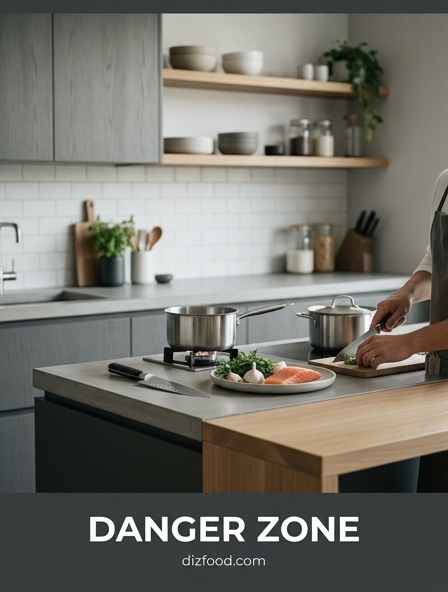
Keeping your kitchen safe starts with mastering the temperature "danger zone," that risky window between 40°F and 140°F where harmful bacteria can multiply at an alarming rate. When you thaw frozen foods improperly, the outer layers can reach these dangerous temperatures long before the center is fully defrosted, creating a prime breeding ground for foodborne pathogens. Understanding this critical balance is essential for preventing illness and ensuring every meal you serve is both high-quality and healthy. To choose the safest method for your next meal, it is important to understand the differences between Cold Water Thawing Vs Refrigerator Thawing.
Defining the Temperature Danger Zone
The Temperature Danger Zone represents the critical range where foodborne bacteria flourish most rapidly, typically defined by food safety agencies as the span between 40°F and 140°F (4°C to 60°C). Within this thermal window, a single bacterium can double every twenty minutes, leading to millions of microorganisms in a matter of hours. Maintaining food temperatures outside this specific range is the primary defense against foodborne illness, as heat above 140°F begins to kill most pathogens, while temperatures below 40°F significantly slow their metabolic processes.
- Minimum Safe Cold Storage: 40°F (4°C) or below
- Rapid Bacterial Growth Range: 70°F to 125°F
- Minimum Safe Hot Holding: 140°F (60°C) or above
Kitchen staff and home cooks must remain vigilant, as food left in this zone for too long becomes unsafe regardless of subsequent reheating. The cumulative time spent in the danger zone includes preparation, cooling, and thawing phases. Understanding these boundaries allows for better management of ingredient integrity and ensures that perishable items remain safe for human consumption throughout their shelf life.
Bacterial Proliferation During Thawing
While freezing food effectively halts the reproduction of bacteria, it does not actually kill the microorganisms present. Instead, they enter a state of dormancy, waiting for the temperature to rise back into the danger zone to resume activity. As the exterior of a frozen item begins to thaw, its surface temperature may rise above 40°F long before the center is even soft. This creates a window of opportunity for pathogens like Salmonella and Listeria to multiply on the outer layers of the food.
The process of thawing also releases moisture and nutrients that were previously locked in ice crystals, providing an ideal aqueous environment for bacterial colonies to thrive. If the thawing process is too slow or occurs at improper temperatures, the bacterial load on the food surface can reach dangerous levels before the item is fully ready for cooking. This exponential growth is why the method of thawing is just as critical as the cooking temperature itself. Proper thermal management ensures that the transition from a frozen state to a cook-ready state happens without allowing the surface to linger in the danger zone for an extended duration.
Safe Refrigerated Defrosting Protocols
Refrigerated thawing is widely considered the safest method for defrosting frozen proteins and prepared meals because it ensures the food never enters the temperature danger zone. By keeping the item at a constant 40°F or lower, bacterial growth remains inhibited throughout the entire process. This method requires advanced planning, as large items like turkeys or roasts may take several days to thaw completely. Proper placement within the refrigerator is essential to prevent cross-contamination.
- Keep the item in its original packaging or a sealed container.
- Place the item on the lowest shelf of the refrigerator.
- Utilize a secondary tray or rimmed plate to catch any escaping juices or condensation.
- Allow approximately 24 hours of thawing time for every 5 pounds of weight.
Once thawed in the refrigerator, items like ground meat and poultry remain safe for an additional one to two days before cooking, while red meats like beef or pork roasts can stay for three to five days. This method preserves the texture and moisture of the food while providing the highest level of microbial security for the kitchen environment.
Cold Water Submersion Safety Steps
Cold water thawing is a faster alternative to refrigeration, but it requires much closer monitoring to ensure the food stays safe. The primary goal is to use the conductive properties of water to pull the cold out of the food without allowing the surface to reach room temperature. It is imperative that the food remains in a leak-proof, airtight plastic bag to prevent water from damaging the tissue or introducing environmental bacteria into the product. If the bag leaks, the food can also absorb water, leading to a watery texture and compromised flavor.
- Submerge the wrapped food completely in a bowl of cold tap water.
- Ensure the water temperature remains below 70°F (21°C).
- Change the water every 30 minutes to maintain the cold temperature.
- Cook the food immediately once it has fully thawed.
A 1-pound package of meat can usually thaw in about an hour using this method, whereas larger packages may take two to three hours. Because the food is closer to the danger zone than it would be in a refrigerator, it must be cooked immediately after thawing to stop any potential bacterial growth.
Risks of Room Temperature Thawing
Leaving perishable items on a kitchen counter or in a sink of warm water is one of the most dangerous practices in a kitchen. The primary risk stems from the fact that the exterior of the food reaches the temperature danger zone long before the interior is thawed. For example, the outer inch of a frozen chicken breast can sit at 70°F for several hours while the center remains a block of ice. This allows surface bacteria to multiply to toxic levels, and some pathogens can produce heat-stable toxins that are not destroyed by the final cooking process.
Ambient room temperatures are often perfect for the rapid expansion of Staphylococcus aureus and other common foodborne pathogens. Furthermore, room temperature thawing exposes the food to pests and environmental contaminants. Even if the food eventually reaches a safe internal cooking temperature, the sheer volume of bacteria and toxins accumulated during the hours on the counter can still cause severe illness. Food safety experts emphasize that the "two-hour rule" applies to the entire time an item sits out, including the time it takes to reach room temperature from a frozen state, making counter thawing an unacceptable risk.
Microwave Defrosting Guidelines
Microwaving is the fastest method for thawing food, but it introduces specific risks that must be managed. Microwave energy often heats food unevenly, creating "hot spots" where some areas of the food may actually begin to cook while other parts remain frozen. These warm areas enter the temperature danger zone quickly, providing an environment where bacteria can flourish if the food is not handled correctly. Consequently, it is a strict food safety requirement that any food thawed in a microwave must be cooked immediately afterward.
- Remove the food from any store packaging, especially foam trays or plastic wraps not rated for microwave use.
- Place the food in a microwave-safe container and use the "Defrost" or 30% power setting.
- Rotate or flip the food several times during the cycle to encourage even heat distribution.
- Check for icy spots and break apart pieces, such as ground meat or frozen berries, to speed the process.
Because the microwave method significantly raises the temperature of the food's exterior, delay in cooking can allow bacteria to reach dangerous concentrations. This method should be reserved for smaller items or when time is a critical factor.
Critical Time Limits for Frozen Foods
Time management is the second pillar of food safety alongside temperature. The "two-hour rule" is the standard guideline for how long perishable food can safely stay in the temperature danger zone. Once food has been exposed to temperatures between 40°F and 140°F for more than two hours, it should be discarded. However, this window shrinks significantly in warmer environments. If the ambient temperature is above 90°F (32°C), such as during a summer outdoor event or in a hot professional kitchen, the safe window drops to just one hour.
| Condition | Max Time in Danger Zone | Action Required |
|---|---|---|
| Normal Room Temp | 2 Hours | Cook or Refrigerate |
| Temps > 90°F | 1 Hour | Cook or Discard |
| Thawing (Counter) | 0 Hours | Prohibited Practice |
These limits are cumulative. This means if an item is left out for thirty minutes during preparation and then another ninety minutes after cooking, it has reached its safety limit. Tracking these intervals is essential for preventing the consumption of compromised ingredients, especially during complex meal preparations involving multiple stages of handling.
Common Pathogens in Thawing Meat
When meat enters the danger zone during the thawing process, several specific pathogens become a primary concern for kitchen safety. These bacteria are often naturally present in raw animal products in small amounts, but they become hazardous when allowed to multiply. Understanding which bacteria are likely to grow helps in appreciating the necessity of strict temperature controls. High-risk pathogens include:
- Salmonella: Commonly found in poultry and eggs; can cause severe gastrointestinal distress.
- Escherichia coli (E. coli): Often associated with ground beef; certain strains produce dangerous toxins.
- Listeria monocytogenes: Unique because it can grow slowly even at refrigerated temperatures, making it a threat in long-term cold thawing.
- Campylobacter: Frequently found in raw chicken; even a small amount can cause infection if not killed by heat.
These microorganisms thrive in the moist environment created as ice crystals melt on the surface of thawing meat. Since you cannot see, smell, or taste these pathogens, the only way to ensure they do not reach infectious levels is to minimize the time the meat spends in the danger zone. Proper hygiene and temperature monitoring are the only effective defenses against these invisible biological threats.
Using Thermometers to Monitor Temperature
The only way to accurately determine if food is in the danger zone is through the use of a calibrated food thermometer. Visual cues like color changes or steam are notoriously unreliable for assessing safety. In the context of thawing, thermometers are used to ensure that the exterior of the food has not risen above 40°F while the interior is still defrosting. For large batches or high-risk items, periodic checks are necessary to maintain the cold chain. To use a thermometer effectively, follow these steps:
- Calibrate the thermometer using an ice-water bath to ensure it reads 32°F (0°C).
- Insert the probe into the thickest part of the food, avoiding bone, fat, or gristle.
- Wait for the digital display to stabilize for at least 15 seconds.
- Clean and sanitize the probe after every use to prevent cross-contamination between items.
Different types of thermometers, such as infrared (for surface temperature) and probe (for internal temperature), serve different roles. For thawing, the probe thermometer is most effective for checking the core of the product, while the infrared can quickly check if the surface of a cold-water-thawed item is getting too warm. Using these tools removes guesswork from kitchen safety.
Guidelines for Safe Refreezing Practices
A common question in kitchen management is whether food that has been thawed can be safely refrozen. The answer depends entirely on the method used for thawing and the length of time the food was held at specific temperatures. If food was thawed completely in the refrigerator and has not been left at room temperature for more than two hours, it is generally safe to refreeze. However, if the food was thawed using the cold water or microwave methods, it must be cooked before it can be frozen again to ensure any bacterial growth that occurred during thawing is neutralized.
Refreezing thawed food often results in a loss of quality due to the formation of larger ice crystals that break down cell structures, leading to a mushier texture and loss of moisture. From a safety perspective, the "refrigerator-thawed" rule is the only exception. If there is any doubt about how long the food was in the danger zone, it is better to cook the item immediately and then freeze the finished dish. This strategy preserves both the safety and the culinary integrity of the ingredients. Always label refrozen items with the date to track their total storage time and ensure they are used within a safe period.


Comments