
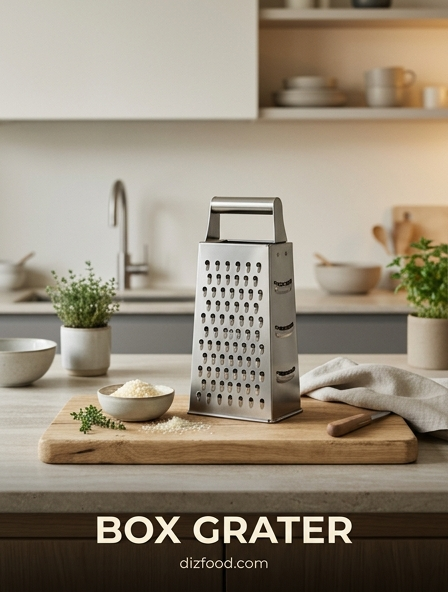
Essential Tools for Fine Shredding
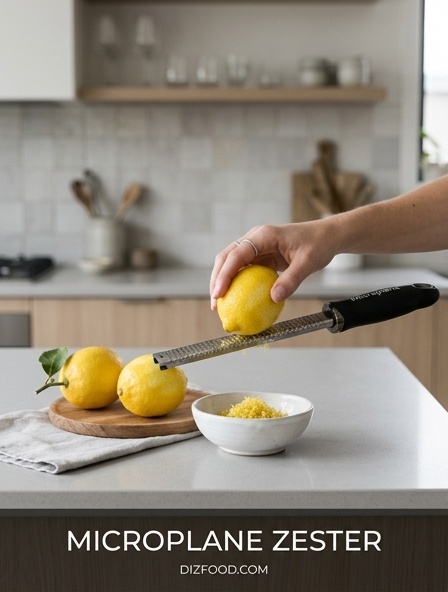
In the realm of culinary preparation, the classic stainless steel box grater remains an unrivaled powerhouse for achieving specific textures. Fine shredding requires more than just physical effort; it demands a tool that offers stability and variety. Most professional-grade box graters feature a four-sided design, each catering to a distinct culinary need. The smallest teardrop-shaped holes are specifically engineered for hard cheeses like Parmigiano-Reggiano or for creating a fine citrus zest. Utilizing these tools correctly ensures that ingredients integrate seamlessly into sauces or batters without leaving behind unappealing chunks. Beyond cheese, fine shredding surfaces are essential for processing aromatics like ginger and garlic, which benefit from the increased surface area released during the grating process.
- High-carbon stainless steel construction for long-term durability.
- An ergonomic, non-slip handle to maintain safety and control.
- A rubberized base to prevent sliding on the cutting board.
- Precision-etched holes that slice rather than tear the fibers.
By mastering these essential tools, a cook can elevate a simple dish into a refined culinary experience through better texture management.
The Importance of Sharp Blades
The efficiency of a box grater is entirely dependent on the sharpness of its individual cutting edges. Unlike a knife, which can be easily honed, a box grater features hundreds of tiny blades that must remain sharp to produce clean results. When blades become dull, they begin to crush the cellular structure of vegetables and cheeses rather than slicing through them. This lead to excessive moisture release, resulting in a mushy texture that ruins the integrity of the dish. For instance, grating a dull-bladed onion will produce a watery pulp instead of distinct pieces, which can turn bitter when cooked.
Maintaining the sharpness of your grater requires proper care and storage. Hand-washing is generally recommended over dishwashing, as the high heat and harsh detergents can erode the fine edges over time. Additionally, storing the grater in a way that prevents it from bumping against other metal utensils will preserve its longevity. A sharp grater not only improves the quality of the food but also reduces the physical strain on the cook, making the preparation process much faster and safer.
Mastering Mandoline Precision
Many high-quality box graters include a single-slit side designed for slicing, often referred to as the mandoline side. Mastering this specific surface is crucial for achieving uniform thickness in ingredients like cucumbers, radishes, or potatoes. To achieve professional results, one must apply consistent downward pressure while keeping the ingredient flat against the metal surface. This technique ensures that every slice is identical, which is vital for even cooking and aesthetic presentation. When using the slicing side, it is helpful to follow these steps:
- Trim the ingredient to create a flat starting surface.
- Position the grater at a slight angle to increase leverage.
- Slide the ingredient in a smooth, continuous motion.
- Use a food guard or a folded kitchen towel as you reach the end.
By treating the box grater as a multi-functional mandoline, you can quickly produce elegant garnishes and thin vegetable layers for gratins or salads without needing to store multiple bulky kitchen appliances. Precision here translates directly to the visual appeal and cook-time consistency of your final meal.
Temperature Control for Texture
One of the most overlooked aspects of using a box grater is the temperature of the ingredients. The physical state of the item being grated significantly impacts the final texture and the ease of the task. For softer items, such as mozzarella or semi-soft cheddar, chilling the ingredient in the freezer for fifteen to twenty minutes is a transformative technique. This firms up the fats and proteins, preventing the cheese from clumping or sticking to the inside of the grater. The table below outlines how temperature affects various common kitchen items:
| Ingredient | Ideal Temp | Grating Outcome |
|---|---|---|
| Butter | Frozen | Distinct, flaky shards |
| Hard Cheese | Room Temp | Fine, powdery dust |
| Root Vegetables | Chilled | Crisp, rigid strips |
Proper temperature control ensures that the grater works with the ingredient rather than against it, resulting in a cleaner shred and a much easier cleanup process afterward.
Uniformity in Hand-Cut Julienne
Achieving a perfect julienne by hand can be a time-consuming task for even the most skilled chefs. However, the coarse side of a box grater provides a shortcut to achieving similar uniformity with minimal effort. This is particularly useful for robust vegetables like carrots, zucchini, and daikon radishes. When grating for julienne-style results, the length of the stroke is the most important factor. Using long, sweeping motions that utilize the entire height of the grater will yield longer, more elegant strands that mimic a traditional knife cut.
Uniformity is not just about appearance; it is essential for the mouthfeel of the dish. In a coleslaw or a stir-fry, having pieces of the same size ensures that every bite has a consistent crunch and that no single piece remains raw while others are overcooked. To maximize uniformity, always grate in one direction-top to bottom-rather than using a back-and-forth motion, which can break the strands and create uneven "crumbs." This disciplined approach results in a professional-grade shred that enhances both the flavor and the visual complexity of the vegetable components.
Selecting the Right Grating Surface
A standard box grater typically offers four distinct surfaces, each designed for a specific purpose. Choosing the correct side is the first step toward culinary success. Selecting the wrong surface can lead to frustration and poor ingredient performance. For example, using the coarse side for citrus zest will often include the bitter white pith, while using the fine side for soft cheese will result in a clogged mess. Understanding the hierarchy of grating surfaces is essential:
- Coarse Holes: Ideal for root vegetables, firm cheeses, and cold butter.
- Medium Holes: Best for smaller shreds of chocolate or hard-boiled eggs.
- Fine/Star Holes: Reserved for hard spices like nutmeg and dry hard cheeses.
- Slicing Slot: Perfect for thin rounds of garlic, ginger, or small vegetables.
By matching the ingredient to the specific geometry of the grater's holes, you optimize the release of oils and juices while maintaining the desired structural integrity. This thoughtful selection process distinguishes a casual cook from one who truly understands the mechanics of food preparation.
Safety Tips for Precision Prep
The box grater is one of the most frequent causes of minor kitchen injuries due to the proximity of fingertips to sharp edges. Safety should always be the priority when aiming for precision. One of the most effective safety habits is to use the palm of your hand to push the ingredient against the grater rather than your fingertips. As the ingredient becomes smaller, many cooks find it beneficial to switch to a different technique or tool to avoid accidents. Implementing a few safety protocols can prevent painful nicks:
- Always keep the grater stable on a flat, non-slip surface.
- Wear a cut-resistant kitchen glove for high-volume grating.
- Leave a small "nub" of the ingredient rather than grating to the very end.
- Always grate in a well-lit area to monitor the distance between the blade and skin.
Safety and precision are intrinsically linked; a cook who feels secure is more likely to maintain the consistent pressure and rhythm required for a perfect shred. Treating the grater with the same respect as a chef's knife ensures a productive and injury-free kitchen environment.
Consistency in Delicate Garnish
The visual impact of a dish is often elevated by the final garnish, and the box grater is the primary tool for creating delicate toppings. Whether it is a dusting of dark chocolate over a dessert or a fine layer of Pecorino Romano over pasta, consistency is the hallmark of quality. For garnishes, the fine-holed side or the star-shaped punching side is usually the best choice. These surfaces create a high surface-area-to-volume ratio, allowing the ingredient to melt slightly upon contact with warm food or to sit lightly atop cold dishes.
To achieve a professional look, maintain a light touch. Excessive pressure can cause the garnish to clump together, losing its airy, ethereal quality. Rotating the ingredient as you grate can also help maintain a consistent texture, as it prevents the item from becoming misshapen and ensures the blades hit fresh surfaces. By focusing on these small details, you transform the box grater from a utilitarian tool into a precision instrument for artistic culinary expression.
Handling Soft versus Hard Ingredients
The physical properties of ingredients dictate the amount of force and the speed required during the grating process. Hard ingredients, like ginger or aged cheddar, require firm pressure to engage with the blades effectively. In contrast, soft ingredients, like semi-soft cheeses or ripe vegetables, require a delicate touch to avoid mashing. Understanding these differences prevents the grater from becoming clogged and ensures the food retains its character. The following table provides a guideline for handling different densities:
| Density | Pressure Level | Recommended Motion |
|---|---|---|
| Hard (Nutmeg, Parmesan) | High | Short, forceful strokes |
| Medium (Carrots, Apples) | Moderate | Long, rhythmic strokes |
| Soft (Mozzarella, Zucchini) | Light | Slow, gentle strokes |
By adjusting your physical approach based on the ingredient's density, you can maximize the efficiency of the box grater while minimizing waste and cleanup time. This adaptability is a key skill in high-level kitchen prep.
Advanced Techniques for Micro-Texturing
Beyond simple shredding, the box grater can be used for micro-texturing, a technique that involves creating extremely fine particles to alter the consistency of a dish. For instance, grating frozen citrus peel or whole spices like cinnamon on the smallest star-shaped holes creates a powder that distributes flavor more evenly than traditional chopping. This is particularly useful in baking, where the distribution of aromatics can change the entire profile of a cake or cookie. Another advanced technique is the "circular grate," where the ingredient is moved in a round motion rather than a linear one.
Micro-texturing allows for the creation of unique textures, such as "vegetable snow" made from cauliflower or broccoli stalks, which can serve as a gluten-free grain substitute. This level of precision requires a clean, dry grater and a steady hand. By exploring these advanced methods, the home cook can achieve the same level of texture and flavor depth found in professional kitchens. The box grater, though simple in design, offers a vast array of possibilities for those willing to experiment with its various surfaces and techniques.


Comments