
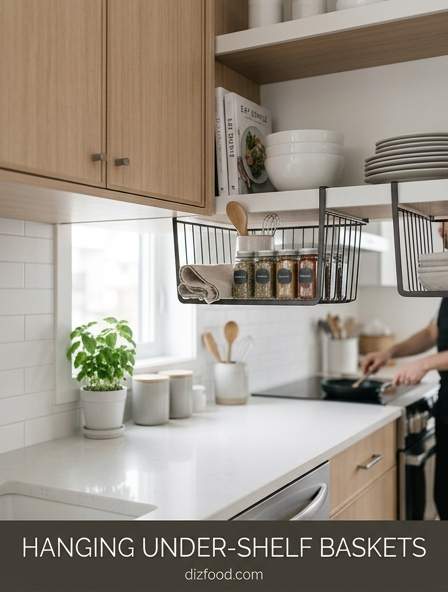
Maximize Vertical Space with Under-Shelf Baskets
Vertical space is often the most underutilized asset in a modern kitchen. Standard cabinet shelving frequently leaves a significant gap between the top of stored items and the shelf above. By introducing under-shelf baskets, you effectively create an additional layer of storage without the need for permanent renovations. These wire or plastic inserts slide onto existing shelves, providing a suspended platform for lightweight items. This method prevents the need for precarious stacking, which often leads to instability and difficulty when retrieving items from the bottom of a pile.
Utilizing this suspended area allows for a more organized distribution of kitchen goods. Consider these primary benefits for vertical optimization:
- Doubles the usable surface area of a single cabinet shelf.
- Reduces the risk of breaking fragile items like plates or glassware.
- Keeps flat items like baking sheets or cutting boards separate from bulkier cookware.
- Creates a designated zone for frequently accessed small goods.
By focusing on height rather than footprint, homeowners can maintain clear countertops while still keeping essential tools within reach. This approach is particularly effective in high-ceiling cabinets where items are otherwise buried.
Identifying Dead Air Zones in Kitchen Cabinets
Dead air zones are the empty pockets of space that exist in almost every kitchen, typically located just below a shelf. These areas contribute to a cluttered appearance because they force items to be crowded onto the base of the cabinet. To identify these zones, look for gaps larger than four inches above your current supplies. Common culprits include the space above mugs, the area over stacked bowls, and the empty heights within a deep pantry. Assessing these voids is the first step toward a more functional kitchen layout.
Once identified, these zones can be measured to determine the appropriate size of an under-shelf basket. It is important to account for the clearance needed for the basket's arms, which wrap around the shelf. In many cases, these dead air zones are found in the upper reaches of a cabinet where reach is limited. By dropping the storage level down slightly with a basket, you make items more accessible to every member of the household. Eliminating these pockets of nothingness ensures that every cubic inch of your cabinetry is working toward a more efficient cooking environment.
Choosing the Right Basket Material and Size
Selecting the appropriate material and dimensions for your under-shelf baskets is crucial for both durability and aesthetics. Most baskets are constructed from steel wire with a powder-coated or vinyl finish to prevent rust and protect delicate surfaces. While wire baskets offer excellent visibility and airflow, solid plastic versions may be better suited for containing small, loose items that might fall through gaps. It is essential to measure the thickness of your existing shelves to ensure the basket's support arms can slide on securely without causing the shelf to bow or preventing the cabinet doors from closing.
| Material Type | Best Use Case | Durability Level |
|---|---|---|
| Coated Wire | Mugs, plates, linens | High |
| Stainless Steel | Heavy jars, canned goods | Very High |
| Solid Plastic | Spices, small packets | Medium |
| Woven Mesh | Produce, bread, wraps | Medium |
In addition to material, consider the weight capacity. Overloading a basket can lead to shelf sagging or mechanical failure of the basket arms. Always check the manufacturer's specifications regarding the maximum load to maintain kitchen safety.
Decluttering Small Kitchen Essentials Efficiently
Small kitchen items are the most frequent contributors to household clutter. Items like tea bags, spice packets, honey jars, and small gadgets often get lost in the back of deep cabinets. Under-shelf baskets provide a localized "home" for these miscellaneous goods, keeping them grouped by category. This categorization makes it significantly easier to perform inventory checks before grocery shopping, preventing the common mistake of buying duplicates of items you already own but cannot find.
Effective decluttering requires a systematic approach to what goes inside these baskets. Consider the following grouping strategies to keep your essentials organized:
- Beverage Station: Group coffee pods, tea boxes, and sugar stirrers together.
- Baking Nook: Store cupcake liners, food coloring, and small extract bottles.
- Snack Zone: Keep granola bars, nut packets, and dried fruit bags in one place.
- Morning Routine: Place vitamins and daily supplements in a visible, easy-access spot.
By moving these small items into a dedicated hanging basket, you free up the main shelf for larger, heavier objects like mixing bowls and appliances, creating a more balanced and visually appealing storage system.
Streamlining Your Pantry with Tiered Storage
A pantry can quickly become a chaotic environment without a clear organizational hierarchy. Tiered storage, achieved through the use of under-shelf baskets, allows you to create levels of visibility. This is particularly helpful for pantries with deep shelves where items in the back are prone to expiring unnoticed. By hanging baskets, you create a "middle tier" of storage that sits at eye level, perfect for items that require quick rotation. This setup mimics the efficiency of a commercial stockroom, ensuring that everything is visible and reachable.
To streamline your pantry effectively, follow these logical steps:
- Clear the shelf entirely to measure the total height available.
- Place heavy cans and bulk bags on the bottom surface of the shelf.
- Slide the under-shelf basket onto the shelf above to occupy the top half of the space.
- Fill the basket with lightweight, high-turnover items like bread or snack bags.
- Label the front of the basket for quick identification by all family members.
This tiered approach prevents the "cave effect" where items are buried deep within the pantry, fostering a more sustainable and less wasteful food management system.
Easy Tool-Free Installation for Instant Organization
One of the greatest advantages of under-shelf baskets is their ease of installation. Unlike floating shelves or mounted racks, these organizers require no drills, screws, or adhesives. This makes them an ideal solution for renters who are restricted from making permanent changes to their living space, as well as for homeowners who want a quick fix without the mess of construction. The installation process simply involves sliding the dual support arms over the edge of a shelf. The tension and weight of the basket keep it securely in place, provided the shelf is within the recommended thickness range.
This tool-free nature also allows for maximum flexibility. As your storage needs evolve, you can easily slide the basket to a different position or move it to an entirely different cabinet or room. If you find that your coffee station needs more room during the winter but your baking supplies need priority during the holidays, you can swap the baskets in seconds. This adaptability ensures that your kitchen organization can grow and change alongside your lifestyle, providing long-term value without any technical barriers to entry or risk of damaging expensive cabinetry.
Creative Ways to Organize Linens and Wraps
Kitchen linens and food wraps are notorious for being difficult to stack neatly. Tablecloths, napkins, and dish towels often become a jumbled mess when placed in a standard drawer. Similarly, boxes of aluminum foil, plastic wrap, and parchment paper are long and awkward, taking up valuable drawer length. Under-shelf baskets offer a creative solution by providing a slim, flat area specifically designed for these types of items. Because these baskets are typically shallow, they prevent the deep stacking that leads to wrinkles in fabric or crushed boxes.
To maximize the utility of your baskets for these items, consider these specific applications:
- Storing folded placemats and cloth napkins to keep them crisp and ready for dinner.
- Housing boxes of sandwich bags and trash bags for easy one-handed dispensing.
- Keeping clean dish towels separated from other cleaning supplies for better hygiene.
- Organizing silicone baking mats and parchment paper rolls near the oven.
Moving these items to a suspended basket frees up drawer space for heavier utensils and cutlery, which are better suited for pull-out storage. It also places linens at a convenient height for quick retrieval during meal prep or clean-up.
Improving Accessibility to Frequently Used Items
Efficiency in the kitchen is often a matter of seconds saved during repetitive tasks. Improving accessibility means placing the items you use most often in the "strike zone"-the area between your waist and eye level. Under-shelf baskets are perfect for this because they bring storage closer to the user. Instead of reaching deep into a dark cabinet or bending down to look through a low shelf, you can place daily essentials in a suspended basket where they are immediately visible and easy to grab. This is especially beneficial for individuals with limited mobility or those who want to minimize strain.
Consider the items you touch every single day. Things like your favorite coffee mug, the salt and pepper shakers, or the cutting board you use for morning fruit are all prime candidates for under-shelf storage. By placing these in a basket, you create a dedicated "fast-track" for your most common movements. This ergonomic improvement reduces the physical toll of cooking and makes the kitchen a more inviting space. When every frequently used tool has a clear, accessible home, the entire process of meal preparation becomes smoother and more enjoyable.
Optimizing Cabinet Capacity for Small Kitchens
In a small kitchen, every inch of storage is a precious commodity. When you are working with limited cabinetry, the priority is to maximize density without creating clutter. Under-shelf baskets allow you to densify your storage by utilizing the "upper half" of every cabinet. This can effectively increase your total storage capacity by 30% or more, depending on the layout. This extra room can be the difference between having clear countertops and having a kitchen that feels constantly overwhelmed by stuff.
| Cabinet Type | Standard Items | Under-Shelf Addition |
|---|---|---|
| Under-Sink | Cleaning bottles | Sponges and gloves |
| Upper Cabinet | Dinner plates | Small side plates |
| Pantry | Cereal boxes | Snack bars |
| Prep Area | Mixing bowls | Whisks and spatulas |
For those living in apartments or tiny homes, this optimization is essential. It allows for the storage of specialized gadgets that might otherwise be discarded due to lack of space. By thinking three-dimensionally, you turn a cramped kitchen into a highly functional workspace that rivals much larger rooms in terms of utility and organization.
Maintaining a Clutter-Free Aesthetic with Wire Baskets
Beyond the functional benefits, under-shelf baskets contribute to a clean, minimalist aesthetic. The open-wire design is visually light, meaning it doesn't add "visual weight" to the room in the way a solid, bulky organizer might. This helps maintain an airy feel within the cabinets, especially when the doors are glass-fronted or when using open shelving. Wire baskets offer a uniform look that can tie different parts of the kitchen together, especially if you match the finish-such as chrome, matte black, or white-to your existing cabinet hardware or appliances.
To maintain this aesthetic, follow these tips for visual harmony:
- Align baskets to one side of the cabinet for a structured, intentional look.
- Avoid overstuffing the baskets so the wire frame remains visible.
- Use consistent colors across all baskets in the kitchen.
- Group items by color or size within the basket to create a sense of order.
A clutter-free kitchen isn't just about hiding things; it's about presenting them in a way that feels organized and calm. The simple lines of a wire basket complement modern, industrial, and farmhouse styles alike, making them a versatile design choice for any home seeking a balance between form and function.

Comments