
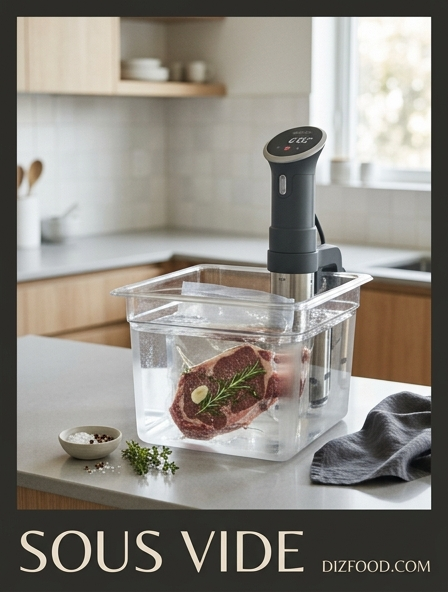
Mastering Precision Temperature Control Techniques
The core of sous vide success lies in the absolute mastery of thermal stability. Unlike traditional high-heat methods, precision temperature control allows for the uniform breakdown of proteins and starches without the risk of overcooking the exterior. Achieving this requires an understanding of immersion circulator calibration and the physics of water displacement. Modern chefs prioritize the equilibrium between the water bath and the core temperature of the food, often utilizing Delta-T cooking to speed up the process while maintaining a strict thermal ceiling.
- Calibration: Regularly check your circulator against a certified digital thermometer.
- Water Circulation: Ensure there is ample space between bags for consistent heat distribution.
- Probe Usage: For long cooks, use adhesive foam tape and needle probes to monitor internal temperatures without breaking the vacuum seal.
- Evaporation Control: Use sous vide balls or a fitted lid to prevent temperature fluctuations caused by steam loss.
By maintaining a variance of less than 0.1 degrees, you unlock the ability to transform tough cuts into tender delicacies and ensure food safety through precise pasteurization protocols.
Sustainable Vacuum Sealing and Reusable Silicone Bags
As sustainability becomes a pillar of the modern kitchen, the reliance on single-use plastics in sous vide cooking is being reevaluated. Heavy-duty, BPA-free silicone bags have emerged as a high-performance alternative to traditional polyethylene rolls. These reusable vessels are designed to withstand high temperatures and can be cleaned in a dishwasher, significantly reducing the environmental footprint of precision cooking. Understanding the seal integrity of these bags is crucial for preventing leaks during extended immersion periods.
| Bag Material | Durability | Environmental Impact | Best Use Case |
|---|---|---|---|
| Single-Use Plastic | Low | High | Long-term freezing |
| Silicone (Reusable) | High | Low | Daily meal prep |
| Vacuum Glass Jars | Extreme | Minimal | Infusions and grains |
Switching to reusable options requires a minor adjustment in the water displacement method to ensure all air is removed, as silicone is thicker than standard vacuum film.
Professional Mise En Place for Weekly Meal Prep
Professional efficiency in the kitchen starts with a structured mise en place tailored for sous vide batches. Preparing your ingredients before they ever touch the water bath ensures that flavors are locked in and the cooking process is streamlined. This involves portioning proteins, preparing aromatics, and seasoning with precision. Because sous vide intensifies certain flavors, particularly herbs and garlic, the prep stage is where the balance of the final dish is determined. Organizing your workflow allows for multiple components of a meal to be cooked simultaneously at different temperatures.
- Portion proteins into uniform thicknesses to ensure consistent cooking times.
- Apply dry rubs or oil-based marinades, avoiding excessive liquid which can interfere with the seal.
- Label every bag with the ingredient, date, and specific temperature/time requirements.
- Pre-chill ingredients if they are not going directly into the water bath to prevent bacterial growth.
This systematic approach reduces evening stress and ensures that high-quality, precision-cooked meals are always ready for a final sear.
Energy Efficient Water Oven Cooking Strategies
Operating a sous vide circulator for extended periods, such as a 72-hour brisket cook, can consume significant energy if the setup is not optimized. Energy efficiency in precision cooking is achieved by minimizing heat loss to the environment. An insulated vessel is the most effective tool for this, as it keeps the heat within the water rather than allowing it to dissipate through the walls of a plastic or metal container. Additionally, starting with hot tap water can reduce the initial energy spike required to bring the bath to the target temperature.
- Insulated Sleeves: Use neoprene wraps around your transparent containers.
- Double-Walled Vessels: Utilize specialized sous vide tanks or converted coolers for maximum retention.
- Surface Coverage: Always use a lid or floating insulation balls to trap steam and heat.
- Batch Loading: Cook multiple items at the same temperature whenever possible to maximize the energy used.
Reducing the workload on the heating element not only lowers energy bills but also extends the lifespan of your immersion circulator by preventing overwork.
Eco Friendly Storage Systems for Sous Vide Batches
Once the precision cooking cycle is complete, the focus shifts to rapid cooling and organized storage to maintain food safety and quality. An eco-friendly storage system prioritizes space efficiency and the reuse of containers. Utilizing an ice bath is the most efficient way to drop the temperature quickly through the "danger zone," ensuring that the proteins can be safely refrigerated or frozen for later use. Stacking systems that allow for clear visibility and airflow are essential for high-volume home kitchens or professional environments.
| Storage Method | Space Efficiency | Cooling Rate | Sustainability Score |
|---|---|---|---|
| Stackable Bins | High | Moderate | 8/10 |
| Vacuum-Sealed Chill | Extreme | Fastest | 6/10 |
| Glass Mason Jars | Moderate | Slow | 10/10 |
Transitioning cooked items into a dedicated "ready-to-sear" section of the refrigerator ensures that no energy is wasted searching for meals, and FIFO (First In, First Out) rotation is easily maintained.
Advanced Texture Mastery in Sustainable Kitchens
The true power of sous vide is the ability to manipulate texture at a molecular level. By controlling the exact temperature at which proteins denature and collagen dissolves, a cook can achieve results that are impossible with traditional methods. Sustainability enters this equation through the ability to transform "lesser" cuts-which are often more affordable and environmentally efficient to produce-into premium-textured dishes. Mastery involves understanding the specific transition points of different fibers, such as the difference between a "steak-like" chuck roast and a "fall-apart" braise.
- Beef Ribs: 62°C for 48 hours for a tender, medium-rare steak texture.
- Root Vegetables: 84°C to break down pectin while retaining a crisp snap.
- Fish: 45°C to 50°C for a buttery, translucent flake that preserves delicate oils.
- Chicken Breast: 60°C for maximum juiciness without the chalky texture of overcooking.
Refining these techniques allows for zero-waste cooking by ensuring that every part of the ingredient is utilized to its highest potential texture.
Zero Waste Bulk Prep and Precision Cooking
Bulk preparation is a cornerstone of a zero-waste kitchen strategy. By purchasing ingredients in whole form and processing them for sous vide, you eliminate the excessive packaging and energy waste associated with pre-cut portions. Precision cooking plays a vital role here; you can cook entire batches of various proteins and vegetables to their ideal states and then store them for quick assembly throughout the week. This method also allows for the collection of high-quality cooking juices, or "jus," which are often discarded in traditional cooking but are packed with flavor and nutrients.
- Break down whole primals or large produce into uniform, bag-ready portions.
- Collect all trimmings and bones for separate sous vide stock extraction.
- Use a single water bath session to cook multiple bags with staggered finish times.
- Chill and store items in their bags to preserve the concentrated juices for sauces.
This approach not only saves time and money but ensures that every gram of food is cooked to perfection and utilized in the final plating.
Optimizing Kitchen Workflow with Circulator Technology
Modern immersion circulators equipped with smart technology allow for unprecedented control over kitchen workflows. Wi-Fi and Bluetooth connectivity enable chefs to monitor their water baths remotely, ensuring that long-duration cooks remain within the safe temperature range. This integration allows for a "set it and forget it" mentality that frees up time for other culinary tasks, such as complex sauce reductions or intricate garnishes. Managing multiple circulators can transform a standard kitchen into a high-output production environment where different components are ready simultaneously.
- Remote Monitoring: Receive alerts if power is lost or water levels drop too low.
- Delayed Starts: Program the circulator to begin heating so the bath is ready when you arrive.
- Multi-Stage Cooking: Set different temperatures for different stages of a single cook.
- Data Logging: Keep records of cook times and temperatures for food safety compliance.
By leveraging these technological tools, the modern cook can orchestrate complex, multi-course meals with the precision and timing of a professional line.
Glass Container Organization for Prepared Proteins
While vacuum bags are essential for the cooking process, transferring prepared proteins into glass containers for short-term storage offers several benefits. Glass is non-reactive, easy to sanitize, and provides a clear view of the contents, which is vital for organized meal planning. For proteins that have already been pasteurized via sous vide, transferring them to glass with their cooking liquids helps keep them moist and simplifies the reheating process. This method is particularly effective for items like poached chicken, salmon, or soft-boiled eggs that may be fragile.
| Container Type | Visibility | Reheat Method | Best For |
|---|---|---|---|
| Borosilicate Glass | Excellent | Oven/Microwave | Stews and Roasts |
| Tempered Glass | Good | Bain-marie | Delicate Fish |
| Glass Jars | High | Direct Water Bath | Egg Bites and Custards |
Properly labeled glass containers facilitate a clean, professional aesthetic in the refrigerator and support a plastic-free serving environment.
Long Term Flavor Preservation and Green Practices
The final stage of sous vide mastery is ensuring that the intense flavors developed during the cooking process are preserved for the long term. Because sous vide extracts and concentrates the natural essences of ingredients, maintaining the integrity of these flavors requires careful handling. Green practices, such as reusing aromatics for stocks or utilizing the concentrated bag juices as a base for reductions, ensure that nothing is wasted. This holistic approach to flavor management not only tastes better but aligns with a sustainable, mindful kitchen philosophy.
- Flash-freeze bags immediately after the ice bath to lock in peak flavor profiles.
- Strain and freeze excess bag juices in ice cube trays for future flavor "bombs."
- Dehydrate herbs used in the bag to create concentrated seasoning powders.
- Use compostable vacuum sealer bags where local facilities support them.
By treating the results of precision cooking as precious extracts, you elevate the quality of your cuisine while honoring the environmental resources used to create it.

Comments